

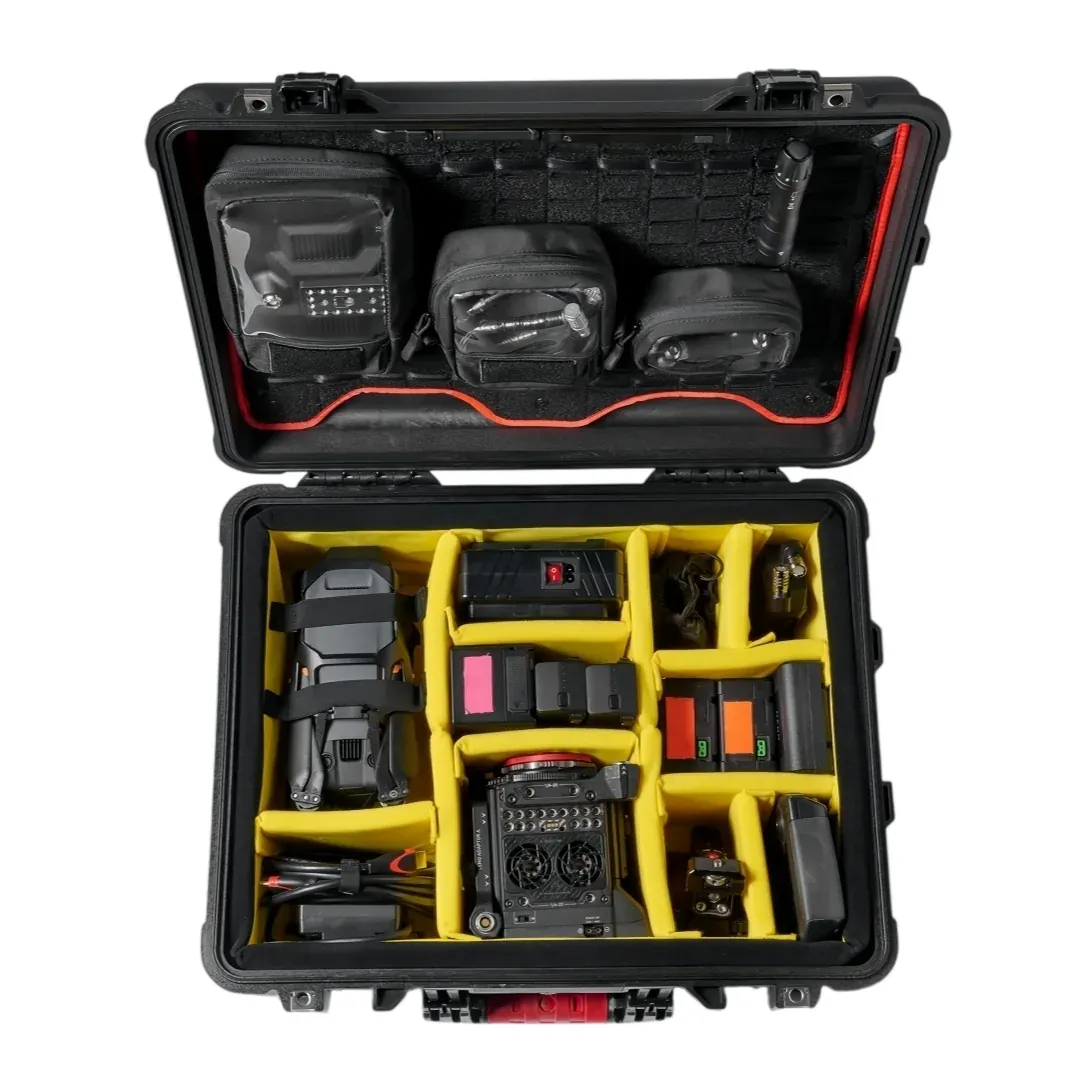
Quick answer: A Battery module tester explosion-proof safety box pairs an 8.5 mm bore with 140 mm inserts; 30 min at 12 kPa grades bulge and vent hysteresis.
Table of contents
- Vent bore on a Battery module tester explosion-proof safety box
- Spacing of the lid inserts
- Shell bulge under constant-pressure inflation
- Return-difference reading after venting
- Bore setting for the test batch
- FAQ
1. Vent bore on a Battery module tester explosion-proof safety box
A constant-pressure run asks whether the wall bulges or vents first; bore size and insert spacing settle it, with readings on bulge and return difference. A Battery module tester explosion-proof safety box is 700 by 480 by 300 mm outside, 625 by 415 by 225 mm inside, with a 5.1 mm wall and a single 8.5 mm vent bore midway along one long side. A wider bore vents more gas and drops bulge but lifts the return difference; a narrower one pushes bulge at the limit, so one bore governs both.
Bore grade leads the inflation ledger, and a change to bore position, chamfer or insert layout resets the column. Grades of 7.0 mm, 8.5 mm and 10.0 mm take one shell set each on a lid fixture at 140 mm spacing, with inflation held at 12 kPa.
| Bore grade | Vent bore | Insert spacing |
|---|---|---|
| Tighter | 7.0 mm | 140 mm |
| Datum | 8.5 mm | 140 mm |
| Wider | 10.0 mm | 140 mm |
The 7.0 mm grade drives minute-30 bulge to 1.3 mm; 10.0 mm pulls it to 0.4 mm but lifts return difference to 0.26 kPa; 8.5 mm touches neither line. A Battery module tester explosion-proof safety box reads high at the wide bore because gas leaves too fast for the pressure to settle at shutoff, not because the wall softens.
2. Spacing of the lid inserts
Spacing of 140 mm governs how many points hold the wall, not the insert material. Four metal inserts sit evenly along the lid; four latches press at 450 N, leaving an unsupported span that bulges more under 12 kPa when wider. Tighter spacing shrinks bulge, yet after 3500 cycles local stress piles at the insert roots.
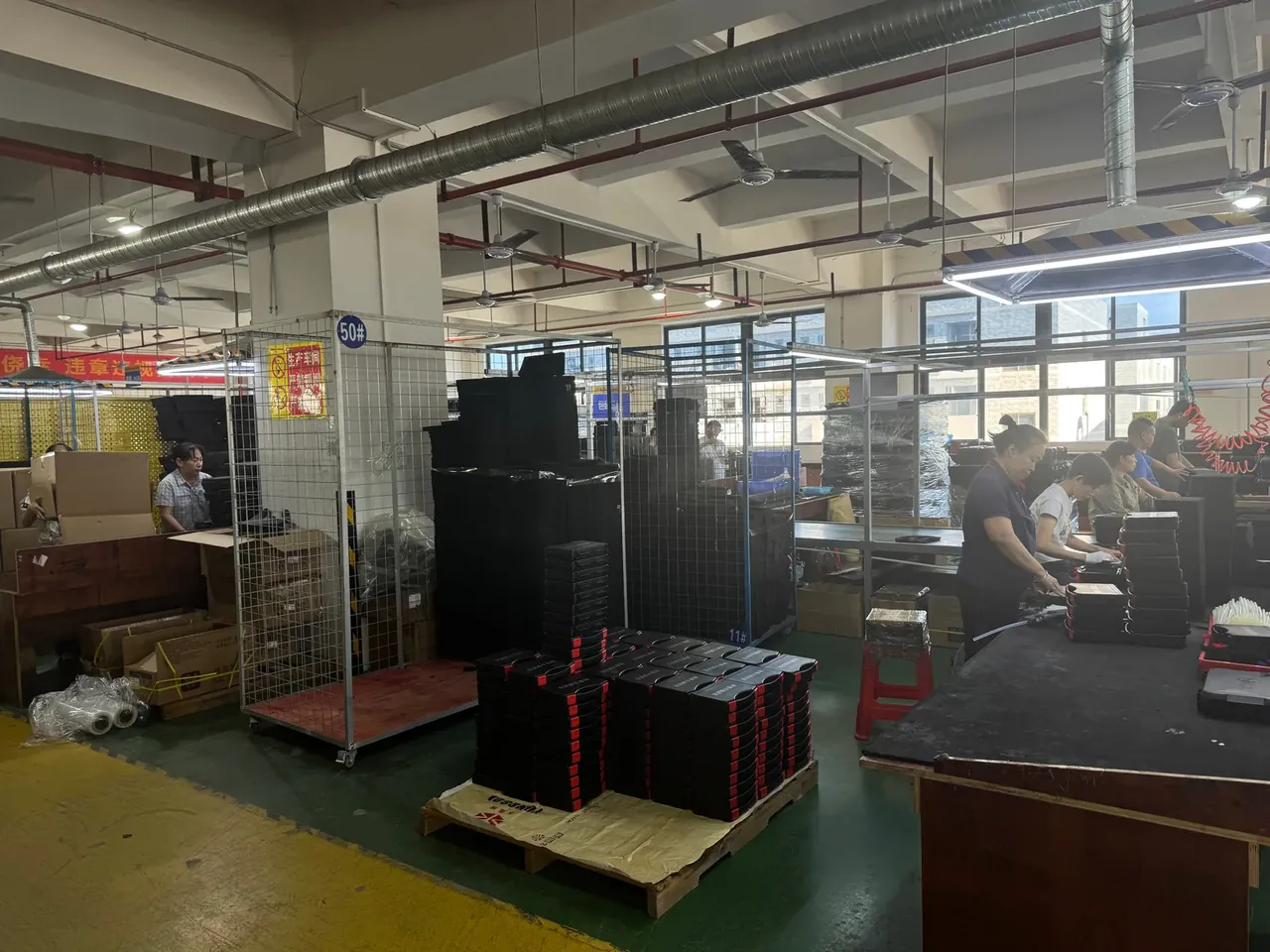
For a Battery module tester explosion-proof safety box, spacing and latch force are logged as a pair, and changing either calls for a fresh bulge curve. Empty 9.1 kg and loaded 23 kg share that sheet: new ballast shifts the wall load, while spacing is re-measured at 140 mm apart from bore readings.
3. Shell bulge under constant-pressure inflation
Inflation stays at 12 kPa for 30 min; the closed shell is coupled to the supply and wall movement read at minutes 10, 20 and 30 with a dial indicator to 0.01 mm. A Battery module tester explosion-proof safety box judges the minute-30 peak, not a sum of three, since the criterion asks whether bore and inserts hold the wall at the end.
| Inflation stage | Wall bulge | Stage gain |
|---|---|---|
| Minute 10 | 0.3 mm | 0.3 mm |
| Minute 20 | 0.6 mm | 0.3 mm |
| Minute 30 | 0.9 mm | 0.3 mm |
The points run 0.3 mm, 0.6 mm and 0.9 mm, adding 0.3 mm each ten minutes, so the wall yields evenly. A Battery module tester explosion-proof safety box puts 0.9 mm bulge and 0.15 kPa return difference on one row; bulge alone is no pass, and readings past minute 30 go to trend only.
4. Return-difference reading after venting
The hold ends with venting, and return difference is the residual pressure gap across shutoff, logged to 0.01 kPa. Bulge and return difference differ: a wider bore vents fast, so the wall bulges less while the leftover gap stays high.
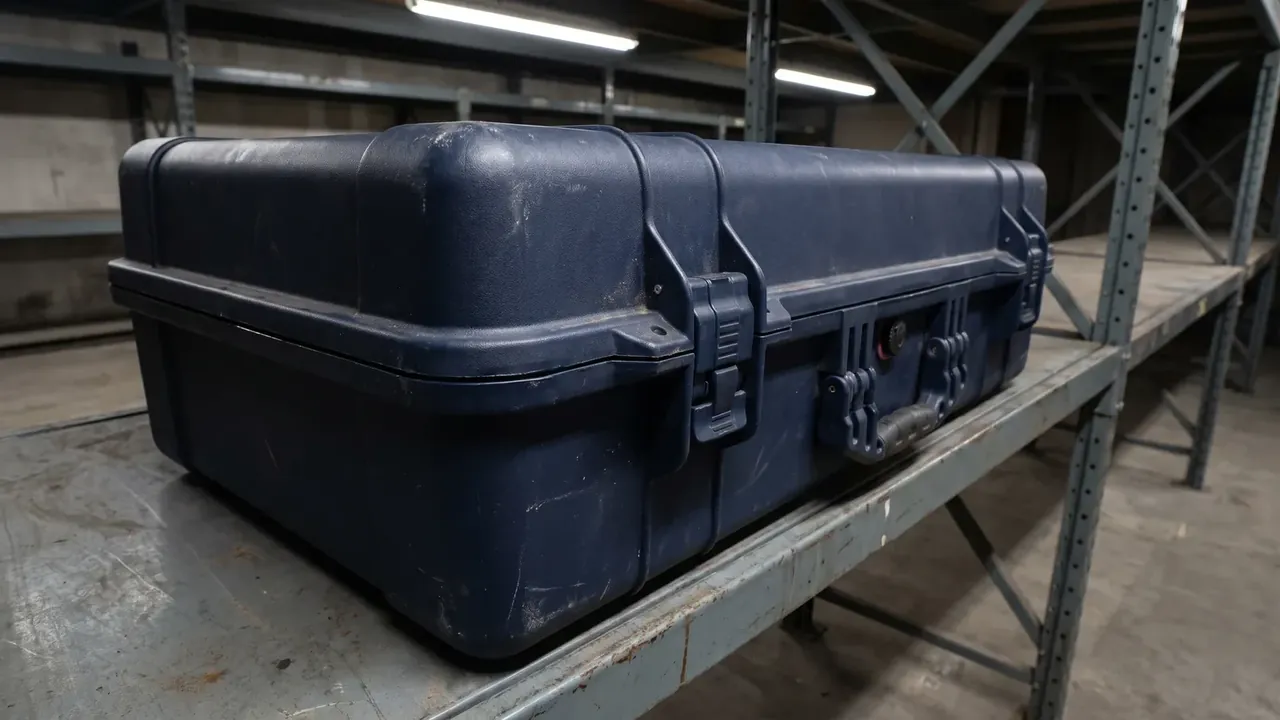
A Battery module tester explosion-proof safety box reads it after venting because gas still crosses the bore during the hold, and that gap cannot stand for seal-face recovery. The gauge takes four wall points, drops the largest and averages the rest.
| Bulge value | Vent bore | Return difference |
|---|---|---|
| 0.4 mm | 10.0 mm | 0.26 kPa |
| 0.9 mm | 8.5 mm | 0.15 kPa |
| 1.3 mm | 7.0 mm | 0.07 kPa |
Side by side: 10.0 mm holds bulge to 0.4 mm but return difference climbs to 0.26 kPa past 0.15 kPa; 7.0 mm gives 0.07 kPa yet crosses on a 1.3 mm bulge; 8.5 mm keeps both inside. A Battery module tester explosion-proof safety box gives no grade to a shell that skipped venting.
5. Bore setting for the test batch
One rule settles the test batch, without replaying every point: the setting locks the smallest bore whose minute-30 bulge holds 0.9 mm, and anything wider moves as a batch to a non-airtight spec. For a Battery module tester explosion-proof safety box, the 5.1 mm wall, 700 by 480 by 300 mm outside, 625 by 415 by 225 mm cavity and 140 mm inserts are written into the boundary column; a new lid fixture means another full 30 min inflation and vent check.
Every shell carries its own four entries of bore grade, insert spacing, minute-30 bulge and return difference; all four must share one grade before that shell joins the test spec, and a missing or crossed entry returns just it to the rig. Moulding data go to a moulding column and inflation readings to an inspection column, while IP66 stays on a benchmark path.
Conclusion
Aligning bore, insert spacing, minute-30 bulge and return difference closes the test batch of a Battery module tester explosion-proof safety box: an 8.5 mm bore holds bulge to 0.9 mm, 140 mm inserts keep the wall inside the line through a 12 kPa hold, and vent hysteresis stops at 0.15 kPa. A crossed item returns just that shell to the rig. Kexin New Materials (Guangdong) Co., Ltd. files drawing tolerances by inflation-rig batch number, and JUNZHIJIA reopens the grade only after an insert-mould change.
Related Reading
- Petrochemical Protective Case: Explosion-Proof Storage for Flammable Environments
- How to Install an Electrical Enclosure: Standard Practice for Outdoor Waterproof Junction Boxes
- Energy-Storage Battery Module Cases: UN38.3 & Thermal Safety
- UPS Battery Cabinet Cases: Cell & Module Component Protection
Related Products
- 8 Series — Gun Cases; Military Equipment Cases; Camera Equipment Cases; Drone Cases; Watch Cases; Knife Cases; First Aid Cases; Electronics Equipment Cases
- WL8-2812 PP Gun Case — model WL8-2812
- All protective cases and toolboxes: 7 series, 158 models