

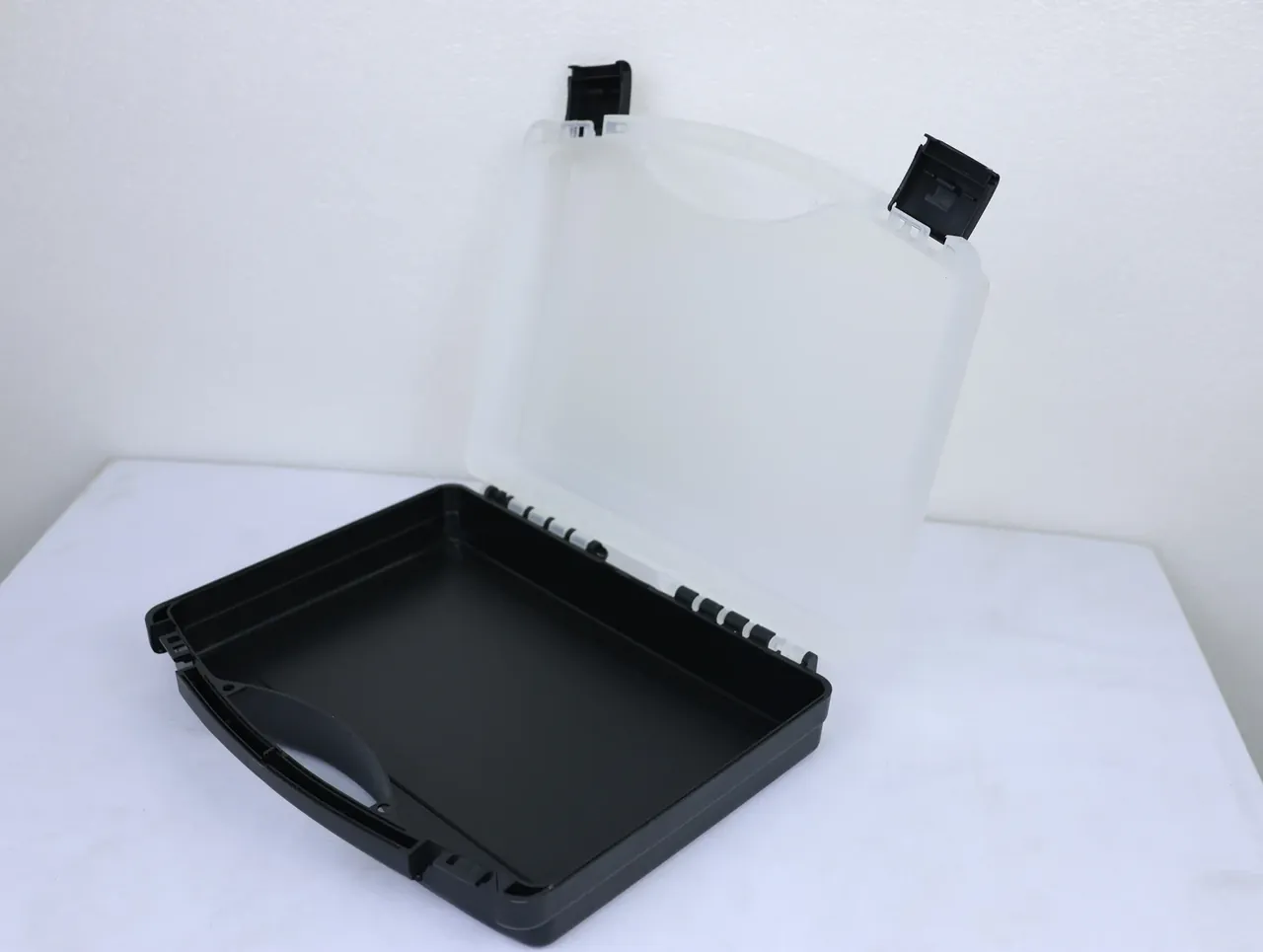
Quick answer: A six-station line spends 27,000 yuan a year on upkeep, 4.6 yuan across 58,000 cases. With a stopped line costing 2,400 yuan an hour, the checks that matter are belt tension, rail play and air sealing.
Table of contents
- Where the upkeep budget starts
- Shift and weekly checks: eight limits
- Cleaning and greasing by dust load
- Repair or replace
- FAQ
1. Where the upkeep budget starts
Budget for downtime, then spares. A stopped line costs a different order of money from a cylinder swap, yet most plans are built backwards from a parts list.
A six-station line making 58,000 cases a year spends 27,000 yuan: 11,500 on planned labour at 43%, 7,200 on spares at 27%, 8,300 on unplanned stops at 31%. That is 4.6 yuan a case.
| Cost line | Per year | Share | Lever |
|---|---|---|---|
| Planned labour | 11,500 yuan | 43% | Shift faults to day work |
| Spares | 7,200 yuan | 27% | Three sets, 12-month turns |
| Unplanned stops | 8,300 yuan | 31% | Limits before the noise |
A press-fit head that jams halts everything at 40 yuan a minute, while a hand bench puts the money into labour.
Read three months of logs: mechanical parts twice over means a spares-led budget, adjustment twice over a labour-led one.
2. Shift and weekly checks: eight limits
A checklist without limits is decoration: check the belt tells nobody anything, sag under 2 mm starts a conversation.
Each number is the failure point walked back a step: play throws burrs at 0.3 mm, so the limit sits at 0.15 mm; a bearing alarms at 80℃, so the limit sits at 65℃.
| Point | Interval | Limit | Action |
|---|---|---|---|
| Belt tension | Shift | Sag 2 mm max | Tighten |
| Rail play | Weekly | 0.15 mm max | New carriage |
| Air pressure | Shift | 0.55 to 0.65 MPa | Check filter |
| Rod seal | Weekly | No oil film | New seal |
| Bench level | Quarterly | 0.5 mm per m | Reset feet |
| Screw torque | Monthly | 2.5 N·m | Retighten |
| Motor current | Monthly | 3.2 A max | Check drag |
| Bearing heat | Shift | 65℃ max | 15 g grease |
Eight minutes clears the first four at shift start, forty more weekly, and a year totals 62 hours, less than one unplanned stop.
Post the limits on the station board. Operators wait 25 minutes between a noise and a maintenance call, and that wait is where small repairs grow.
3. Cleaning and greasing by dust load
Cleaning belongs on a dust clock, not a calendar: moulding shops hold under 2 mg/m³ and rails survive 40-hour intervals; blasting shops reach 8 mg/m³ and the interval drops to 16 hours.
Wrong interval wastes grease: 250-hour lithium on a dusty line packs grit into the carriage.
Never blow dust off with 0.6 MPa air; it drives abrasive into the rail gap.
Vacuum at -6 kPa, brush, wipe, grease: 15 g per rail, 3 g per hinge pin, since extra grease sets hard. Molybdenum disulphide goes on pins, lithium on carriages, and mixing the two bases bleeds oil. Keep the shop under 65% humidity and bare steel stays clean through the wet season.
4. Repair or replace
Whether a part can still run has a numeric answer: 0.3 mm of play, 4 mm of belt sag, a cylinder creeping at 0.6 MPa.
Price the swap with the stop attached: a cylinder at 180 yuan plus 0.6 hours at 85 yuan is 231 yuan, while failure costs 2,400 yuan an hour.
Life comes from guarding, not material: bellows take a carriage from 24 to 34 months, and a bronze bush moves wear onto a 40 yuan part instead of a 260 yuan shaft.
Three spares cover 70% of stops on under 3,000 yuan of stock: cylinder, carriage, seal strip; the rest arrives in 48 hours.
Stock expires: a seal left 24 months hardens by 8 points and fits worse than the old one, so log the receipt date.
Conclusion
Upkeep is less about diligence than limits: act at 0.15 mm of play, because 0.3 mm is late, and grease at 65℃, because 80℃ leaves replacement. Fold downtime into the budget and 4.6 yuan a case looks cheap; treat it as pure expense and the checklist becomes a signature sheet. Dust-clock cleaning, swaps priced against stopped hours and three spares turn breakdowns into scheduled work at a Case Assembly Workstation.
This article discusses only the container (case body) side of specifications and design intent, and does not cover any handling, loading or use of the contents.
Related Reading
- Where material, tools and bench sit around a station
- Forty seconds recovered inside one cycle
- Setting an inspection interval for a fuze packing line
- Check items and replacement lines for ammunition boxes
Related Products
- 8 Series — Gun Cases; Military Equipment Cases; Camera Equipment Cases; Drone Cases; Watch Cases; Knife Cases; First Aid Cases; Electronics Equipment Cases
- WL8-2812 PP Gun Case — model WL8-2812
- All protective cases and toolboxes: 7 series, 158 models