

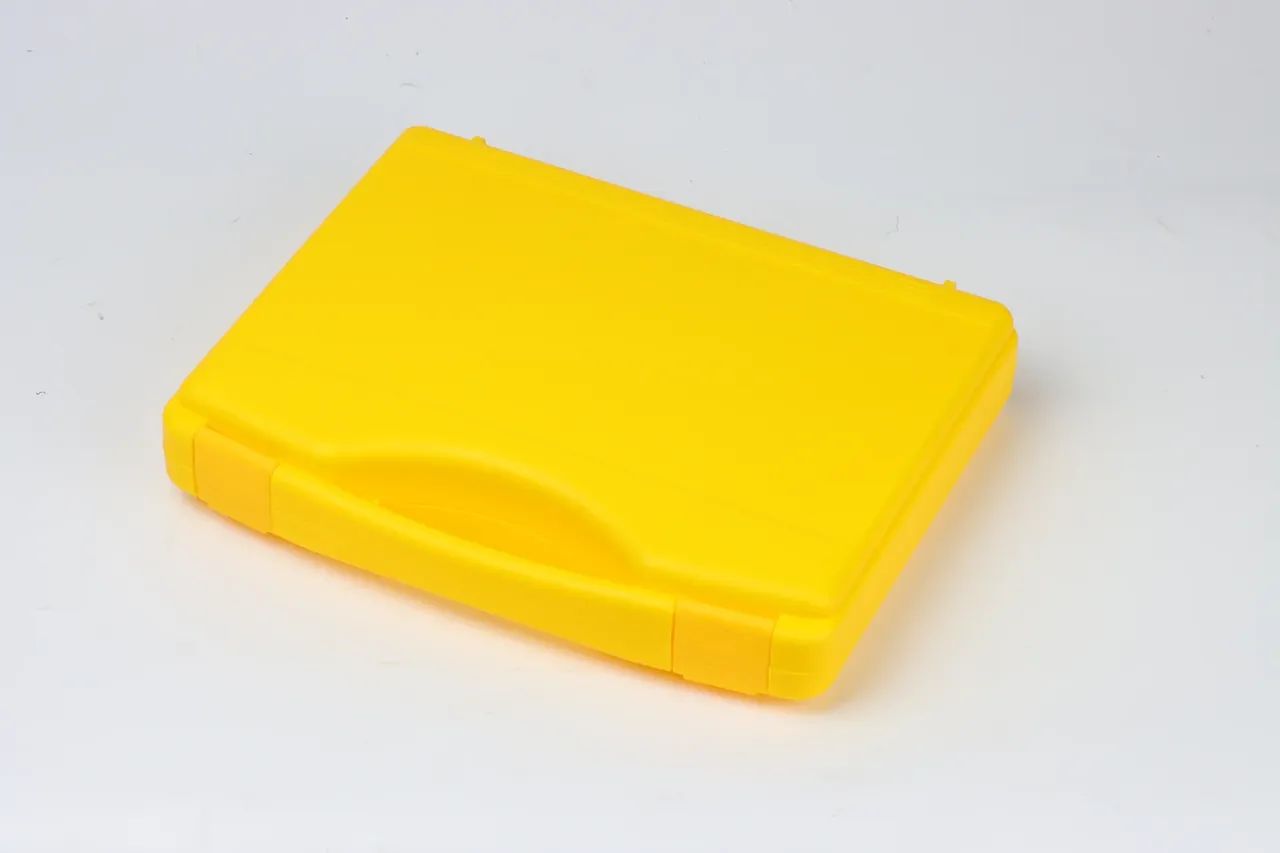
Quick answer: Route Checked Baggage straps around the waistline, 30 mm clear of latches and handle roots, and put labels on an 80×50 mm flat lid patch. Webbing 25–38 mm wide at 1200 N and 0.5 mm flatness per 100 mm settle the placement.
Table of contents
- Checked Baggage Limits: Sum of Sides and Weight Tiers
- Strap Routing: Waistline, Clearance and Tension
- Label Placement: Position, Flatness and Readability
- Locks, Handles and Wheels Under Load
- FAQ
1. Checked Baggage Limits: Sum of Sides and Weight Tiers
The first limit on Checked Baggage is the outline, not the shell. Airlines measure the sum of three sides, with 158 cm as the common economy allowance and anything past 203 cm going to the oversize channel; weight splits at 23 kg and 32 kg, and the higher tier usually needs booking ahead. Size the shell against 155 cm, because a strap loop adds 1.2–1.8 cm.
Measure the longest side, the widest side and the highest point, including wheels and handle. A case reading 160 cm becomes 162 cm once strapped.
| Tier | Sum of sides | Weight | Shell guidance |
|---|---|---|---|
| Standard | ≤158 cm | ≤23 kg | Sum of sides ≤155 cm |
| Heavy, pre-booked | ≤158 cm | 23–32 kg | Walls ≥3 mm |
| Oversize | 158–203 cm | ≤32 kg | Corner guards, two straps |
Weight comes next. A 60 L injection-moulded case weighs about 5.5 kg empty, so 20 kg of contents lands at 25.5 kg, inside 32 kg but over 23 kg.
Posture sets placement: Checked Baggage travels flat, upright and on its side, so positions follow the worst case, where a strap circling only the midpoint slides toward the corner on landing.
2. Strap Routing: Waistline, Clearance and Tension
Run Checked Baggage straps around the waistline, the midpoint of the long side, one front and one back, at least a third of the case length apart. Keep two 30 mm clearances, from the latch centre and from the handle root. Webbing runs 25–38 mm wide at 1200 N breaking strength, and buckle width must match webbing width.
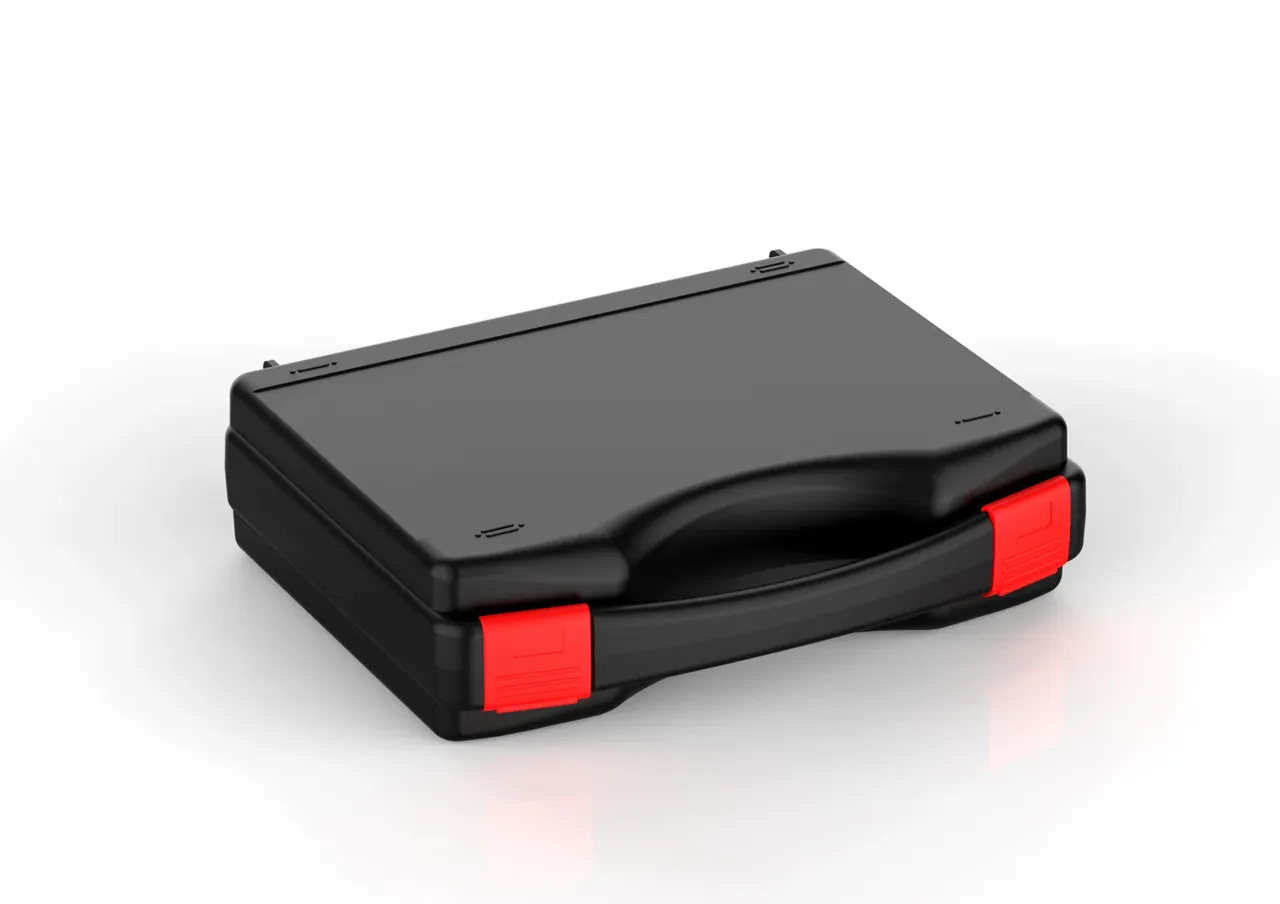
Set tension by number: 150–200 N feels firm under one hand with no give at the buckle. Past 300 N the lid takes a 0.5 mm dent, and a dent on the sealing face ends watertightness; below 100 N the strap walks on belt rollers. A cross suits tall narrow cases, straps meeting within 50 mm of the lid centre; parallel routing suits flat cases, spaced within 20 mm of equal, since a cross sits on the thinnest part of a flat lid. Match the buckle to the webbing. A 25 mm cam buckle on 40 mm webbing slides 15 mm sideways and lands on a latch, turning tension into a point load. Polyester elongates 12%–15% at break; nylon runs past 20% and loses about 30% of tension on a long trip.
| Item | Size | Clearance | Criterion |
|---|---|---|---|
| Waist strap | 25–38 mm wide | 30 mm from latch | 150–200 N |
| Lid label | 80×50 mm | 20 mm from edge | 0.5 mm per 100 mm |
| Hang tag | 80 mm cord | Handle root only | Never on a latch |
| Corner guard | 3 mm thick | Covers the corner node | All four corners |
The pressure valve stays exposed: its 20 mm body under a strap is a sealed vent, and at 30 kPa the lid lifts on one edge, so route 40 mm either side.
3. Label Placement: Position, Flatness and Readability
Keep Checked Baggage labels inside an 80×50 mm flat patch on the lid, 20 mm from the edge, clear of 3 mm seams and the valve, because scanners read from above and the lid still faces up when the case stands or lies down.
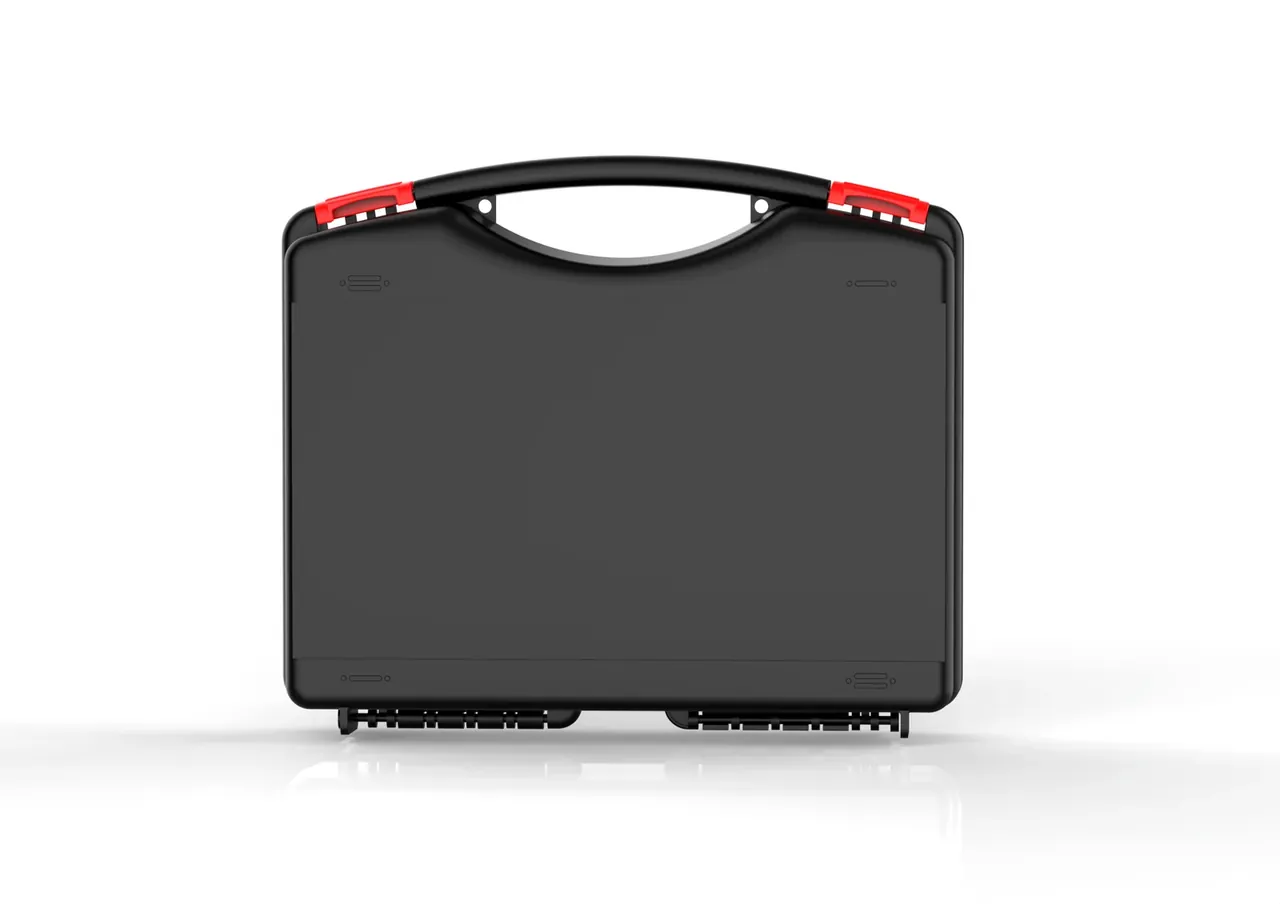
Three measurements decide readability: flatness within 0.5 mm per 100 mm, a 0.05 mm matte laminate, and at least 5 mm from any rib. Ribs stand 6 mm high, and a barcode crossing one creases and fails two scans in three.
Thermal paper blackens at 60 °C and a hold near the cargo door measures 65 °C in summer, so specify thermal transfer or a laminate, which also stops rain softening the paper base.
Labels fail three ways: no read, no adhesion, torn off. Creases and glare cause the first, release agent the second, cured by an isopropanol wipe and 30 s of flash-off, lifted edges the third, which a 2 mm corner radius discourages. Hang the tag on an 80 mm cord from the handle root, since a 3 mm cord adds 6 mm of packing under a latch.
4. Locks, Handles and Wheels Under Load
Lock position sets the cutout: a TSA lock uses a 20×15 mm opening with the body no more than 8 mm proud, since anything taller catches on belt deflectors. Leave 4 mm of solid material at the edge, or one drop starts a crack there.
A handle should sit within 15 mm of the shell when folded, a figure drawn from belt diverter gaps. A handle 20 mm proud is likelier to be caught, and the case is dragged sideways, loosening the rivets first.
Wheels are rated 30 kg each, 120 kg across four, above the 32 kg tier. A 4 mm housing wall is the floor, and thinner than that a 200 N side push offsets the axle by 1 mm.
Corner guards 3 mm thick wrap the node where the radius meets three edges, the first point damaged in transit. The guard turns point contact into surface contact, and stress concentration inside it falls by about 35% at the same drop height; screws stay 6 mm from the wall edge or they split the shell.
Strapped, a 0.9 m drop carries impact from the corners into the waistline and cuts corner peak acceleration by roughly 20%, though the waist wall takes that transfer, so the inner face behind each Checked Baggage strap needs ribs at 100 mm centres or closer.
Conclusion
On Checked Baggage, position follows the load path and size follows a number. Straps circle the waistline, 30 mm clear of latches and handle roots, 25–38 mm wide at 1200 N; labels sit on an 80×50 mm lid patch flat within 0.5 mm per 100 mm; lock bodies stand 8 mm proud at most, handles 15 mm folded, and each wheel carries 30 kg. On the shell drawing those figures let the packing line work without guessing, since most Checked Baggage trouble is not weight but positions that miss by tens of millimetres.
This article discusses only the container (case body) side of specifications and design intent, and does not cover any handling, loading or use of the contents.
Related Reading
- TSA locks and travel case configuration
- Reading the ATA 300 airline case standard
- Loading and securing precautions for cases
- Wheels and trolley handles: structure and load
Related Products
- 8 Series — Gun Cases; Military Equipment Cases; Camera Equipment Cases; Drone Cases; Watch Cases; Knife Cases; First Aid Cases; Electronics Equipment Cases
- WL8-2812 PP Gun Case — model WL8-2812
- All protective cases and toolboxes: 7 series, 158 models