

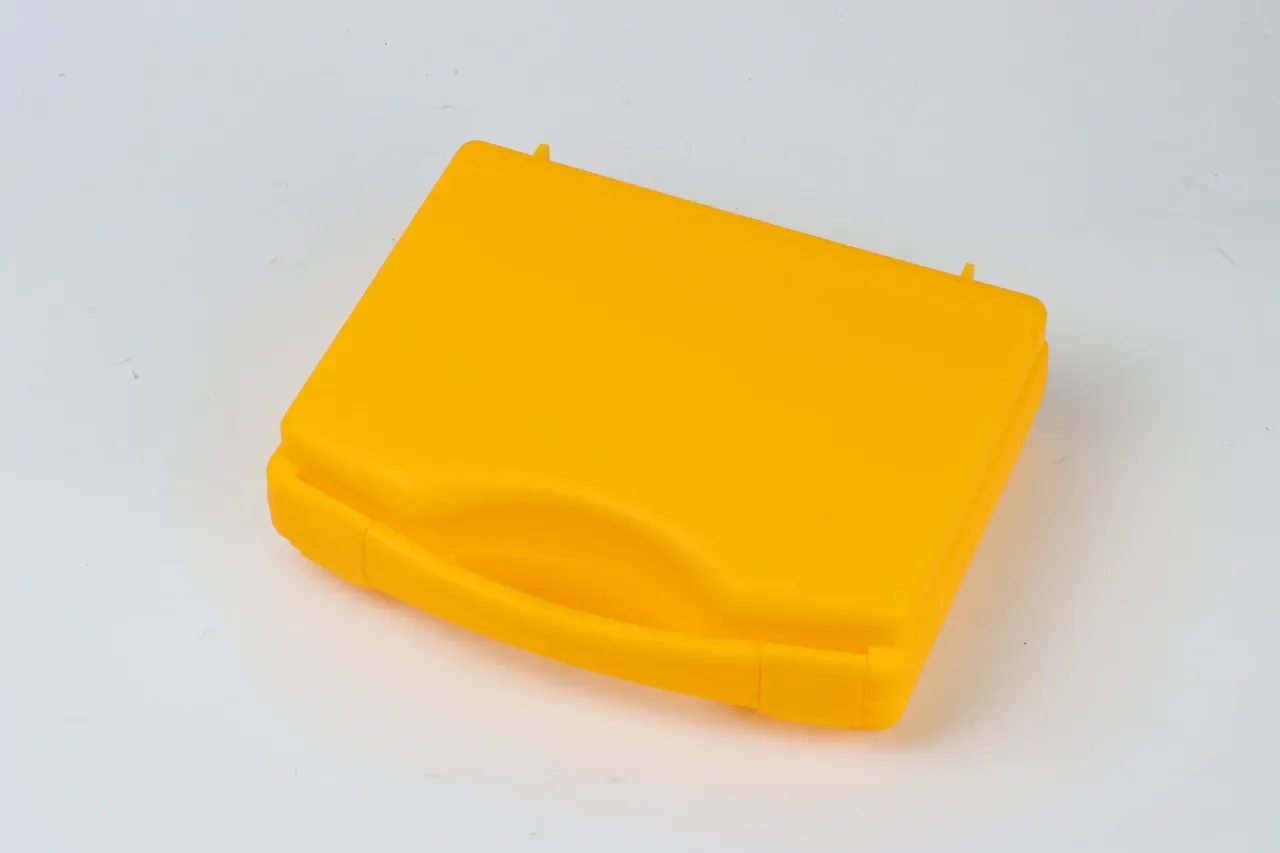
Quick answer: Case Export Packaging can be judged without opening a carton. Five bench measurements — inner clearance, foam thickness, pallet overhang, stack height, film layers — against three pass lines settle a batch in about 10 minutes.
Table of contents
- Case Export Packaging Starts With Three Bench Measurements
- Edge Crush and Foam: Working Back From a 12 kg Case
- Pallets and Stack Height: 10 mm of Overhang Is a Defect
- Film, Desiccant and Heat Inside the Box
- Marks and Labels: 20 mm Off Means Another Inspection
- Four Numbers on the Quotation Reveal Fit
- FAQ
1. Case Export Packaging Starts With Three Bench Measurements
A finished case sits on the sampling bench beside a flat-packed carton. The inspector does not reach for a knife: the case goes in, and a hand slides along four sides to feel movement. Movement means clearance; none means squeeze. That gesture tells whether Case Export Packaging was built around the case profile or forced into a generic carton.
The pass line is 8 mm per side. Under 5 mm, the latch presses the flap and one night under load lifts it; over 15 mm, a drop drives a corner into the wall. Overhang comes next, held to 10 mm per side.
| Measure | Pass line | Check first if it fails |
|---|---|---|
| Inner clearance, each side | 8 mm, inside 5 to 15 mm | Whether both drawings share one revision |
| Flap gap | 3 mm or less | Score position and flute direction |
| Pallet overhang | 10 mm or less | Placement error or wrong pallet |
| Stack height | 1.6 m or less | Layer count and layer height |
2. Edge Crush and Foam: Working Back From a 12 kg Case
Twelve kilograms divides the spec in Case Export Packaging. Under 12 kg gross, five-wall AB flute at 32 lb/in edge crush, 5.6 kN/m, carries three layers; 12 to 25 kg needs 40 lb/in and a 9 mm wall. A weak board fails on the third layer after 48 hours, at the port.
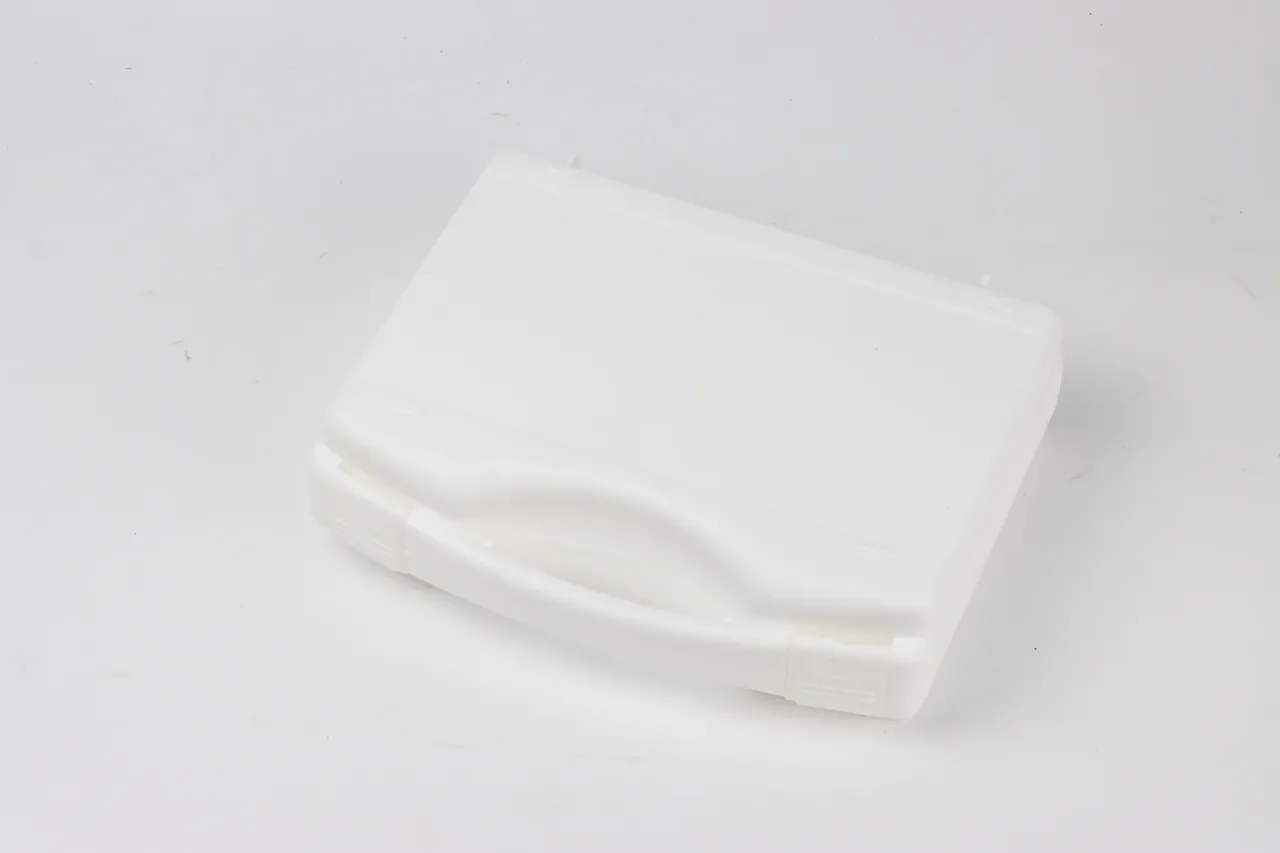
Foam follows drop height, not feel. EPE at 30x expansion and 20 mm compresses 3 mm under 12 kg and absorbs a 600 mm drop; at 10 mm, one drop marks the shell edge.
| Gross weight | Flute and wall | Crush | Foam | Drop |
|---|---|---|---|---|
| Under 6 kg | 3-wall B, 4 mm | 26 lb/in | 15 mm | 800 mm |
| 6 to 12 kg | 5-wall AB, 7 mm | 32 lb/in | 20 mm | 600 mm |
| 12 to 25 kg | 5-wall BC, 9 mm | 40 lb/in | 25 mm | 500 mm |
| Over 25 kg | 7-wall AAA, 12 mm | 48 lb/in | 30 mm | 400 mm |
3. Pallets and Stack Height: 10 mm of Overhang Is a Defect
The standard export pallet runs 1200 x 1000 mm, deck 22 mm, blocks 100 mm, rated 1000 kg dynamic. Whether a case outline divides into that deck decides units per layer: 400 x 300 mm fits 10, while 420 x 310 mm takes 8 and leaves a 100 mm strip for angle board.
Height in Case Export Packaging works back from the stack. A 480 mm carton gives 1.59 m at three layers with the 150 mm pallet, inside the 1.6 m line; a fourth layer passes 2 m and stops clearing a side door. Centre of gravity more than 50 mm off centre loads four slings 30% unevenly.
| Case outline | Per layer | Layers | Height | Gross |
|---|---|---|---|---|
| 400 x 300 mm | 10 | 3 | 1.59 m | 385 kg |
| 500 x 400 mm | 6 | 3 | 1.56 m | 349 kg |
| 700 x 500 mm | 4 | 2 | 1.35 m | 201 kg |
4. Film, Desiccant and Heat Inside the Box
Six wraps at 50% overlap suit Case Export Packaging that spends 30 days at sea. A 25 micron LLDPE film stretched 250% turns 1 m into 3.5 m. A 16 mm PP strap rated 1600 N goes on at 350 N, at 100 mm and 400 mm above the deck.
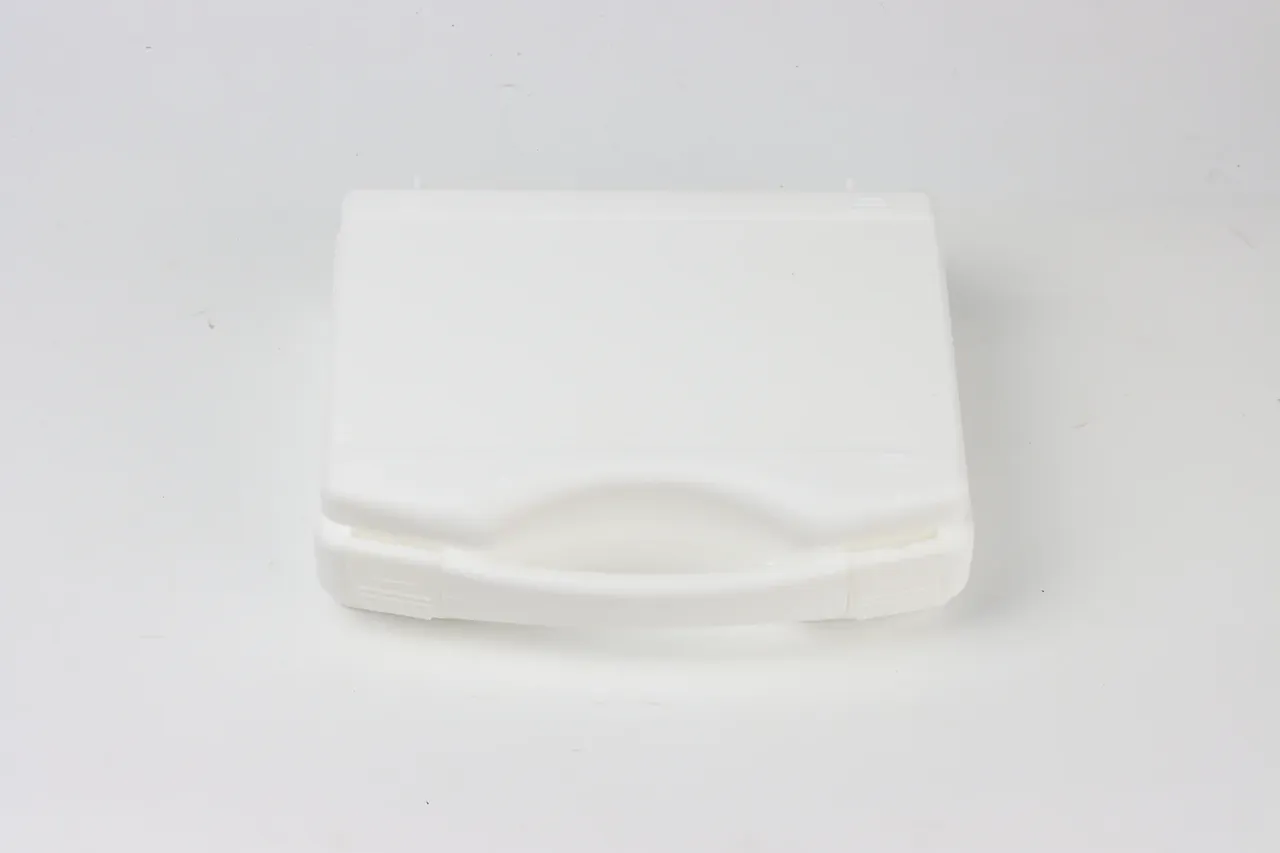
Inside, a 40 ft sea box on deck reaches 60 C at 90% humidity, and the walls condense once night air cools them. Board moisture climbs from 8% to 14% and edge crush drops 40%, so 385 kg rests on the bottom carton. Desiccant runs 16 units of 125 g per 20 cubic metres, raised to 24 past 30 days. Staining, swollen sachets or tacky foam mean a rebuild at 90 minutes per pallet.
5. Marks and Labels: 20 mm Off Means Another Inspection
A 100 x 100 mm label for Case Export Packaging sits on the front and one side, 50 mm below the top edge and 20 mm in from the corner. Over the corner, film creases it, the barcode grade falls from A to C, and the scanner needs 3 passes. Marks carry consignee, carton number, gross and net weight; a hand-corrected one can hold a shipment 2 days.
6. Four Numbers on the Quotation Reveal Fit
For one 400 x 300 mm case in three layers, the carton is $6.5, foam $3.2, angle board $0.6, film and strap $1.4 — $11.7, about 4% of ex-works price. A quote under $8 usually means one flute grade down, or foam cut from 20 mm to 12 mm.
Minimum order, sampling and tooling ownership say more than price. Cartons start at 200 pieces; foam tooling is $8000, samples 7 days, production 25 days. A supplier quoting 100 pieces at the same price runs a borrowed die that cannot be revised when the shell changes.
| Item | Ask | Warning sign |
|---|---|---|
| Carton | Edge crush in lb/in | No board grade quoted |
| Foam | 30x or 25x | Says 20 mm, measures 12 mm |
| Sampling | Fee offsets order | 3 days, no approval sheet |
| Tooling | Who owns it | Vague joint ownership |
Conclusion
Five numbers decide how Case Export Packaging performs: 8 mm of clearance, 3 mm of flap gap, 10 mm of overhang, a 1.6 m stack, 6 film layers. Ten minutes of measuring before price talks saves 20 cartons of rework over 2. Written into the inspection sheet, they turn Case Export Packaging into something a buyer checks instead of trusts.
This article discusses only the container (case body) side of specifications and design intent, and does not cover any handling, loading or use of the contents.
Related Reading
- Measuring inner clearance when choosing a gun case
- Matching a long rifle case outline to a pallet deck
- Setting foam thickness for drone cases
- Stacking and in-box bracing for shipping cases
- Edge crush figures for equipment case exports
Related Products
- 8 Series — Gun Cases; Military Equipment Cases; Camera Equipment Cases; Drone Cases; Watch Cases; Knife Cases; First Aid Cases; Electronics Equipment Cases
- WL8-2812 PP Gun Case — model WL8-2812
- All protective cases and toolboxes: 7 series, 158 models