

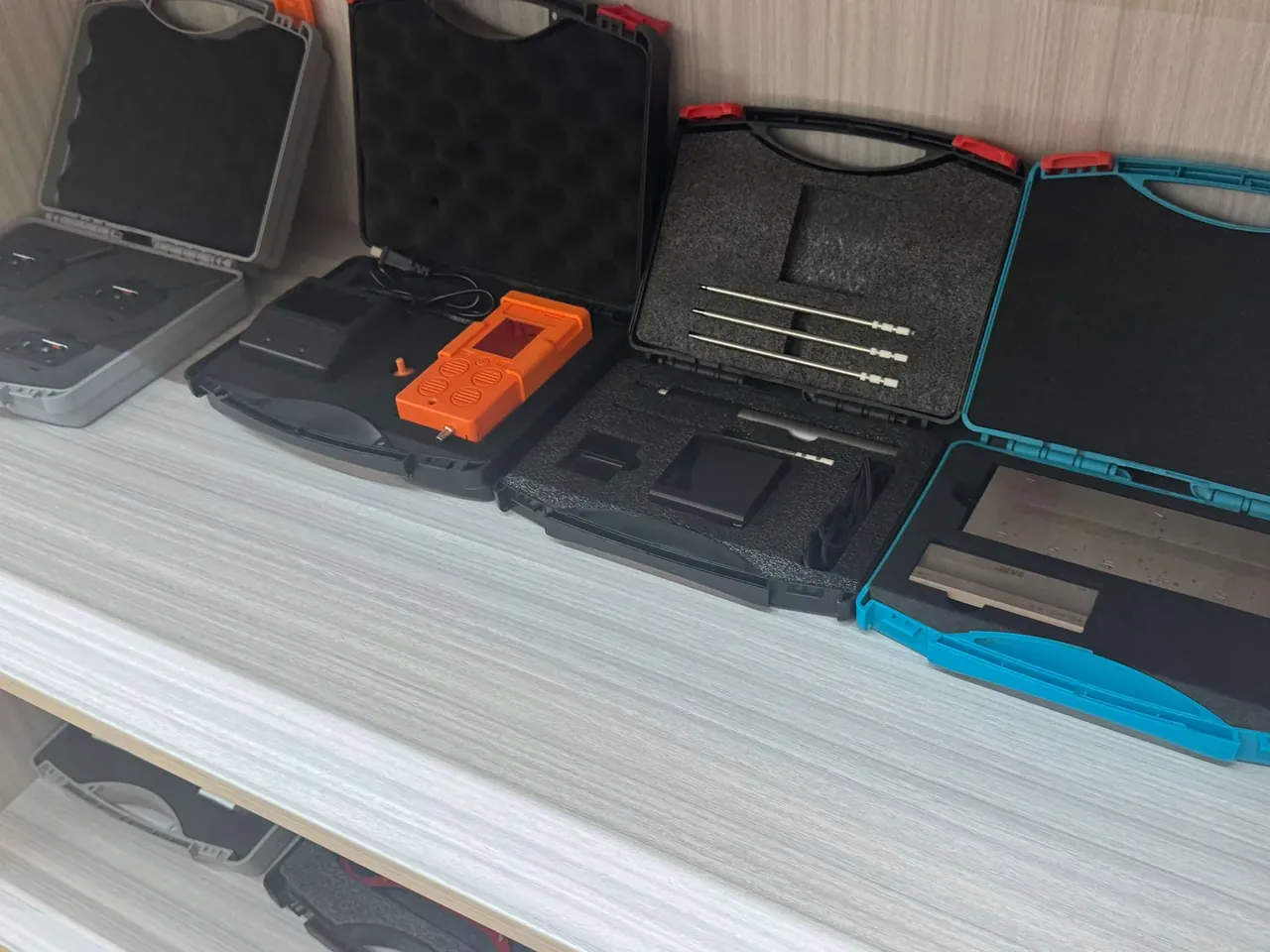
Quick answer: Case odour splits two ways, into resin and residue, and one wipe tells them apart: residue fades on the cloth while resin smell stays put.
Table of contents
- Two branches: resin or residue
- Resin side: regrind ratio and volatiles
- Residue side: mould release, cleaner and film
- Three-level sniff test and its conditions
- Quarantine and batch trace
- FAQ
1. Two branches: resin or residue
Case odour comes from inside the resin or from the surface. The resin branch is regrind ratio, volatiles and masterbatch carrier; the surface branch is release agent, cleaner, packaging film and liner adhesive. Washing never removes a degradation product, and baking never removes release agent stuck to the wall.
Three bench actions split them without an instrument. Wipe 10 cm by 10 cm of wall five times with a lint-free cloth and sniff at once: odour that fades is surface residue. Bag the lid and body separately for 24 h, then open: smell only at the liner points to liner adhesive or foam. Blow 60 ℃ air across the wall for 30 s: odour that strengthens is volatile matter driven out of the resin.
| Check | What you see | Points to | Next step |
|---|---|---|---|
| Wipe 5 times | Odour fades | Release agent or cleaner | Warm wash, then resniff |
| Separate bags, 24 h | Odour only at the liner | Liner adhesive or foam | Change liner or air alone |
| Hot air 60 ℃, 30 s | Odour strengthens | Resin volatiles | Check drying and regrind |
| Open for 5 min | Odour clears | Film and ink adsorption | Air it, no rejection |
Keep the order: wipe, bag, heat; heating first drives residue into the air and leaves nothing to compare against.
2. Resin side: regrind ratio and volatiles
The resin branch has two sources. Above 30% regrind the smell steps up clearly, because recycled stock carries degradation products from its previous pass. Above 0.3% volatiles, low molecular weight matter migrates to the surface and stays there, reading as a sweetish plastic smell rather than a sharp solvent one.
Drying takes half of it away: two hours at 80 ℃ drops volatiles from 0.3% to 0.12% and pulls a batch from level 2 to level 1. It removes moisture and light fractions only, so 30% regrind loses half a level even after 4 h.
The masterbatch carrier is the third source and the most missed. Carriers are mostly polyethylene wax at 2%, melting near 105 ℃; at a 230 ℃ barrel they partly crack and leave a sweetish note. A carrier-free masterbatch removes most of it.
The fastest resin test is a sprue cut: slice a gate stub and sniff the fresh face. A strong face with a faint surface puts the fault in the resin.
3. Residue side: mould release, cleaner and film
Release agent has a line at 0.05 g/m². Wipe 0.5 m² of wall twice with ethanol-dampened cloth, dry it at 105 ℃ for 30 min and weigh: a gain over 0.025 g is over the line. Such cases smell of machine oil, feel slick, and streak briefly under a fingertip.
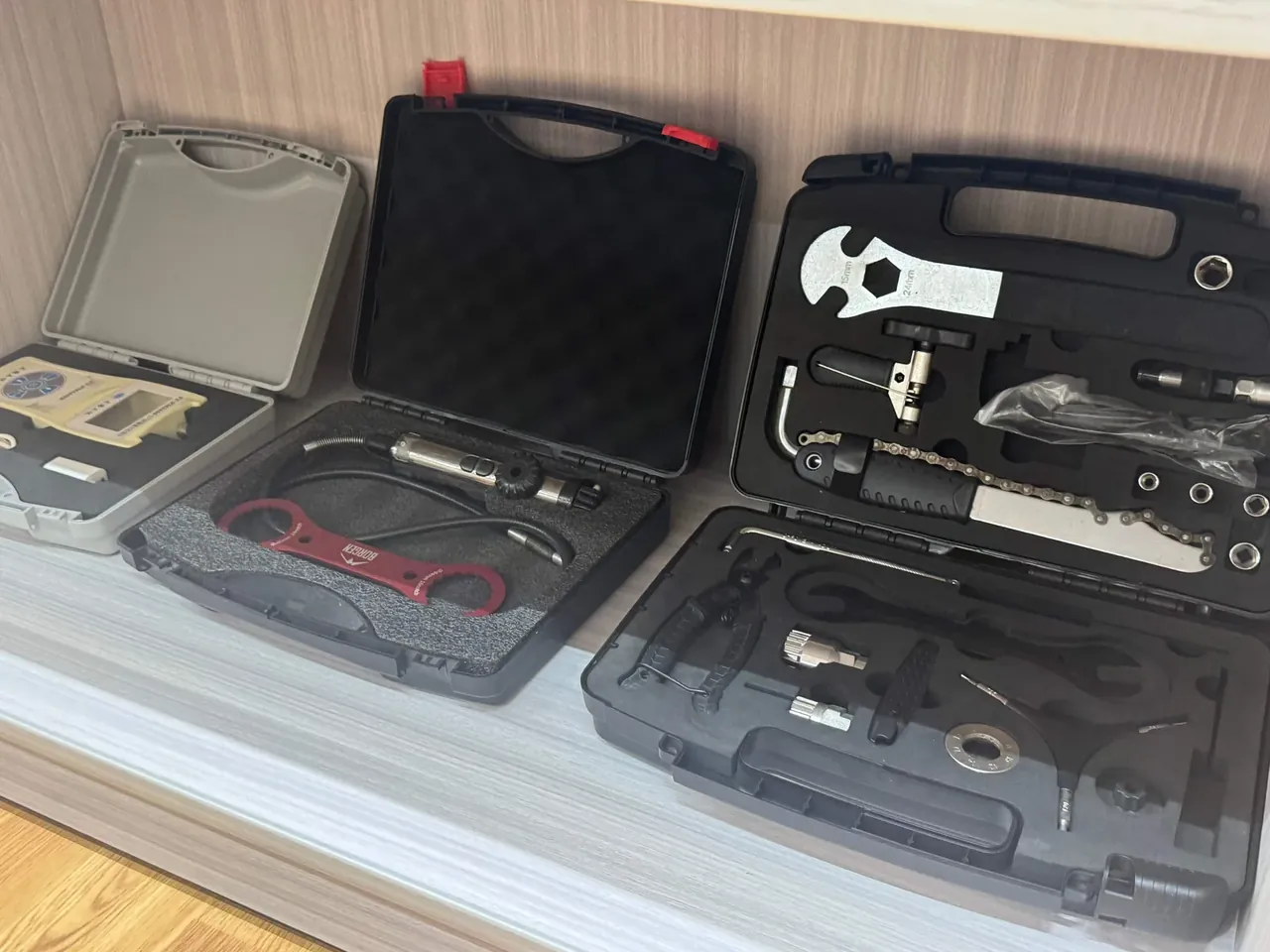
Cleaner residue comes second. Alkaline cleaner left unrinsed releases odour in humid air, and a wall reading above pH 9 means rewash; water-based cleaners leave surfactants that re-release smell when damp. Water at 40 ℃, a neutral formula and two rinse stages is the minimum.
Film and ink belong to the adsorption group: a case sealed in PE for 48 h picks up solvent from printed ink and greets the opener with an ink smell that clears in 5 min of airing. A case bagged straight into storage carries it to the customer.
Liner adhesive is the most misread: EVA hot melt gives a faint vinegar note above 60 ℃, so bag the liner alone for 24 h and a smell in the bag with none on the shell puts the fault there.
4. Three-level sniff test and its conditions
Grading needs fixed conditions: 23 ℃, lid closed 30 min, sniff within 3 s of opening, three people recording independently and the majority taken. A 12 ℃ floor suppresses odour by half a level and a 33 ℃ floor lifts it, so an uncontrolled temperature makes the grade meaningless.
| Level | Within 3 s of opening | Typical source | Action |
|---|---|---|---|
| 1 | Barely any, faint plastic at most | Normal resin and film | Release |
| 2 | Clearly present, not sharp, no sting | Release agent, carrier, liner | Air 48 h, regrade |
| 3 | Sharp, stinging, eyes water | High regrind, solvent residue | Quarantine, no release |
Airing has measured effect. Level 2 cases left open 48 h in a ventilated area dropped one level and passed on regrade. Level 3 cases settled at level 2 and climbed back to 3 with humidity, and that rebound is itself grounds for rejection.
Four situations are rejected: level 3 still at 3 after 48 h of airing; a sharp solvent or rancid note; odour that grows after a wipe; more than 10% of a batch at level 3.
5. Quarantine and batch trace
Anything graded 2 or above stays away from good stock. Split the area into holding and treatment zones at least 3 m apart, bag each case and hang a yellow tag with batch number, grade date and grader. One day of mixing lets good cases adsorb the smell and turns a sound batch into scrap.
A trace needs two retained samples, one batch number and three months of records. Samples stay in original packaging for a like-for-like regrade, and the batch number must reach the material lot, the drying log and that day's mould count.
Odour travels sideways: liners, cleaner drums and printed cartons stay 5 m from finished cases or behind a partition.
Conclusion
Case odour work follows one order: wipe, bag, heat, until the smell is pinned to resin or residue. The resin side has two numbers, 30% regrind and 0.3% volatiles; either one over the line means a formula change or drying at 80 ℃ for 2 h. The residue side has one, 0.05 g/m² of release agent, and anything over it gets a 40 ℃ neutral wash in two stages. Grade only at 23 ℃, 30 min closed, 3 s open: level 1 releases, level 2 airs 48 h and regrades, level 3 is quarantined, and a level 3 surviving 48 h or carrying a sharp solvent note is rejected.
| Item | Resin side | Residue side |
|---|---|---|
| Smell | Sweetish, hot plastic | Machine oil, ink, vinegar |
| After a wipe | Unchanged | Clearly weaker |
| Hot air, 60 ℃, 30 s | Stronger | Unchanged or weaker |
| Key number | 30% regrind, 0.3% volatiles | 0.05 g/m² release agent, pH 9 |
| Action | Adjust ratio, dry 2 h at 80 ℃ | Wash at 40 ℃, air 48 h |
| Regrade | One level down after drying | One level down after washing |
This article discusses container-side specifications and design implications only, and does not cover any handling, loading or use of the contents.
Related Reading
- Cleaners and gasket compatibility
- Choosing seal materials
- Cleaning rules for food plant cases
- PP resin in tool case applications
Related Products
- 8 Series — Gun Cases; Military Equipment Cases; Camera Equipment Cases; Drone Cases; Watch Cases; Knife Cases; First Aid Cases; Electronics Equipment Cases
- WL8-2812 PP Gun Case — model WL8-2812
- All protective cases and toolboxes: 7 series, 158 models