

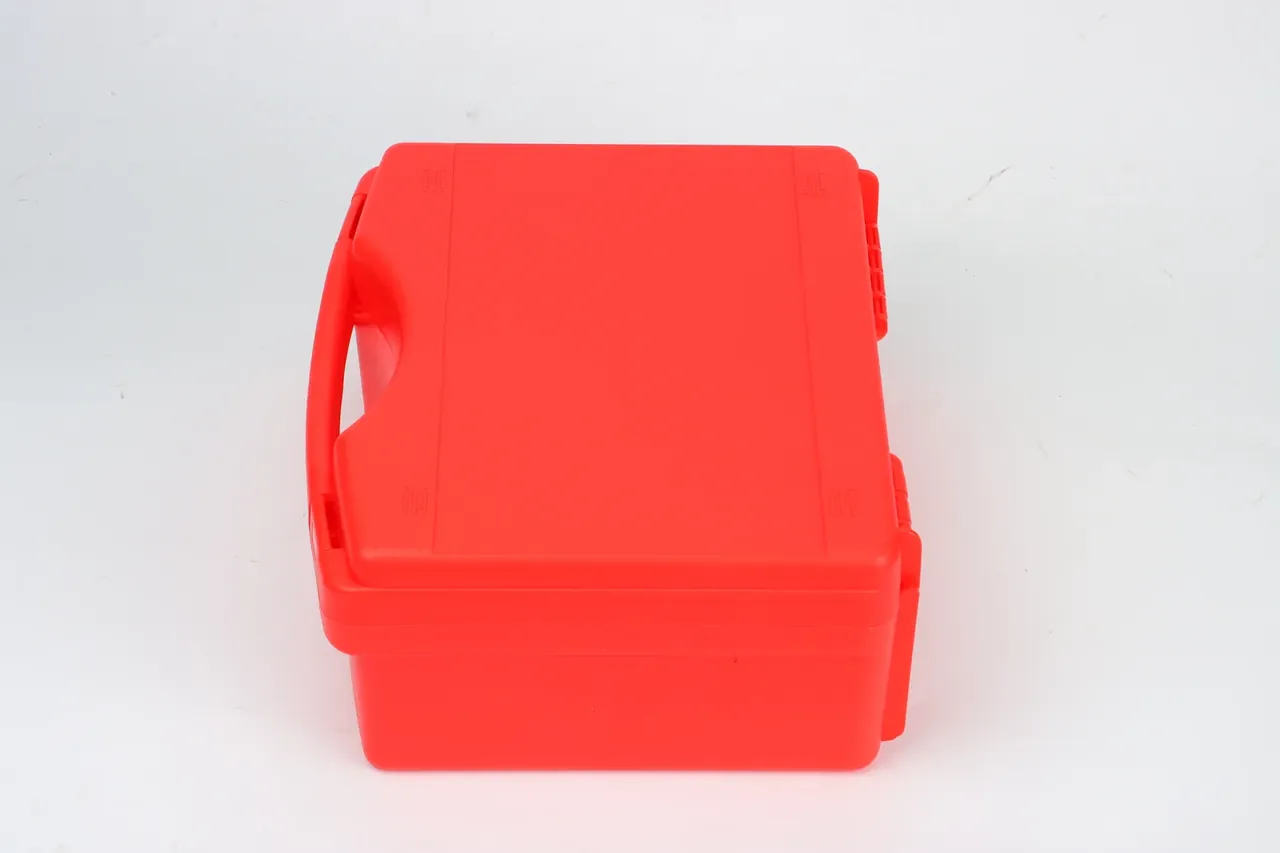
Quick answer: For recycling cases, the ledger comes before the claim: one 60 L case holds 1.2–2.5 kg of metal, declared under ISO 14021 with 3-year evidence.
Table of contents
- Start with a bill of parts
- The material flow ledger
- Claiming recycled content
- The customer disclosure file
- Retesting and retention
- FAQ
1. Start with a bill of parts
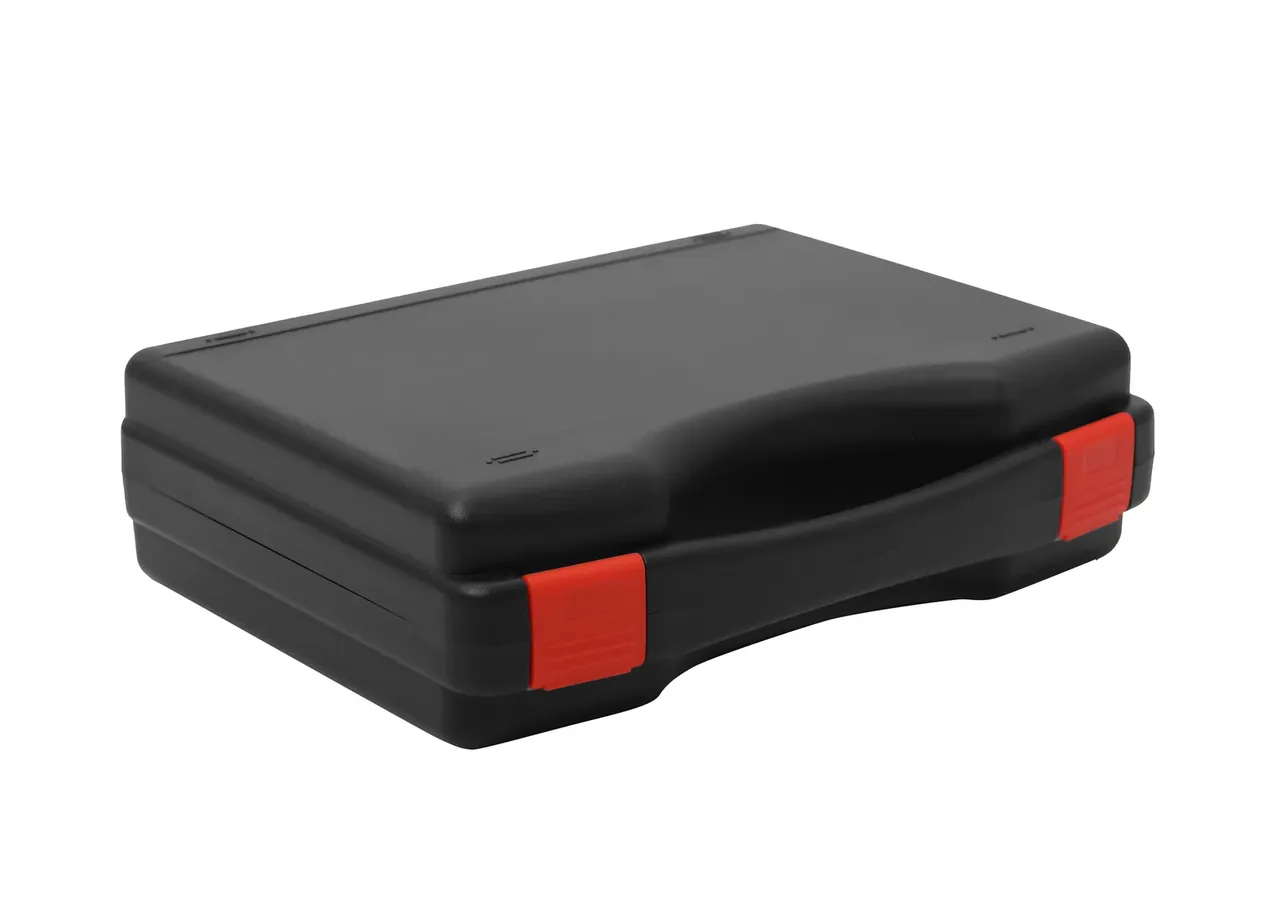
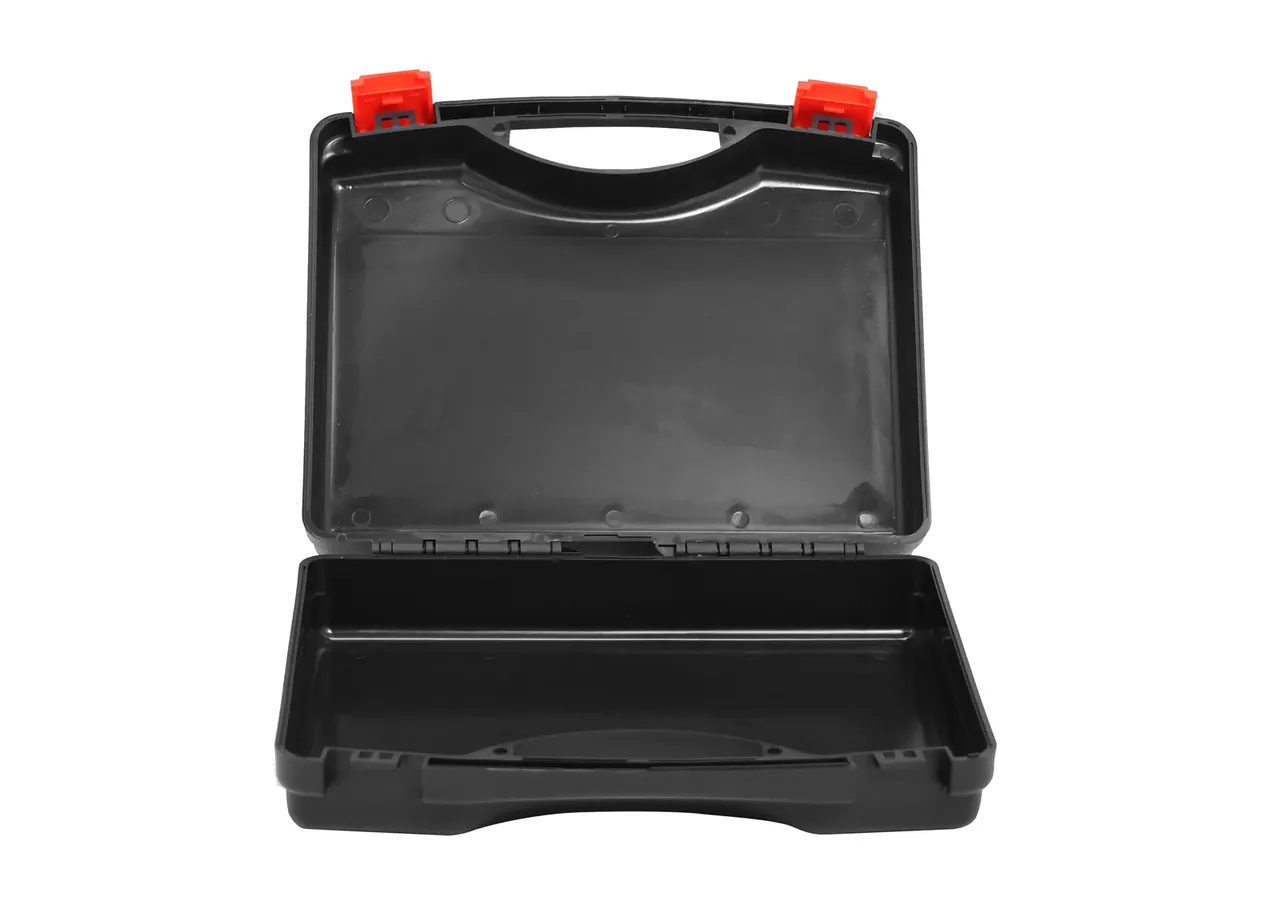
A 60 L polypropylene case comes off the line at 4.8 kg: 4.3 kg of moulded plastic, 0.42 kg of steel pins and springs, 0.03 kg of aluminium plate, the rest gasket and adhesive. Work on recycling cases starts at a bench with a scale, not at a granulator. List parts, not materials, because the buyer asks where the lid went. Six lines cover a standard case; filling them takes about 20 minutes.
Metal is the only fraction priced by weight. A mid-size case carries 1.2–2.5 kg of recoverable metal; the spread comes from latch keepers, hinge pins and corner brackets. An all-plastic body sits near 0.3 kg, an aluminium-framed body at 2.5 kg. When both arrive in one batch, weigh them apart to 0.1 kg.
No parts list means no ledger worth keeping.
2. The material flow ledger
The ledger answers one question: where did each part go, and who signed for it. Six fields are enough — batch ID, part, material code, weight, destination, evidence number. Use a 9-digit batch ID: four for the year and month of return, five for the sequence. Cap a batch at 200 cases so the numbers run without gaps.
| Part | Material | Destination | Evidence |
|---|---|---|---|
| Lid and body | PP homopolymer | Regrind | Weigh ticket plus intake slip |
| Latches and hinge pins | Stainless steel | Metal recovery | Weigh ticket plus buyer receipt |
| Nameplate | Aluminium | Metal recovery | Weigh ticket, weight listed apart |
| Gasket | Silicone | Collected apart | Handover note with material code |
| Handle overmould | TPE | Reground separately | Intake slip, no mixing |
Granularity has to match freight. Regrind is bulky and light, so a truck fills by volume before weight, and the economic radius stops at 200 km; beyond it, freight wipes out the gap between regrind and virgin resin. Regrind clears at 40%–60% of virgin price, a thin margin.
Budget 30 minutes per batch for entry and reconcile monthly. A gap above 2% between ledger weight and warehouse issue weight sends you back to the scale; the usual culprit is a gasket measured in metres.
Paper first, screen within a day. The site copy is a three-part weigh ticket; the office copy is a row keyed to the same batch ID. Teams that back-fill lose the weight match by the third month.
3. Claiming recycled content
Buyers do not want to hear that you recycled something. They want a sentence they can paste into a purchasing file: how much recycled material is in this case, calculated how. ISO 14021 asks self-declared claims to be verifiable, bounded and unambiguous; EN 15343 supplies the traceability framework. Use both, or the sentence collapses.
The blend ratio is the number everything hangs on. Moulders typically run 20%–30% regrind, costing 10%–15% of notched impact strength. Past 35%, corner cracks appear in low-temperature drop tests, outside specification. If the disclosure says 25%, three documents must agree: blending record, regrind intake slip, finished batch ID.
Carbon is the second figure worth publishing. Virgin PP sits at 1.8–2.4 kg CO2e/kg, regrind at 0.6–0.9 kg CO2e/kg. Publish them together and the buyer does the subtraction. Collapse them into one number and you must declare the boundary — material only, no transport, no moulding energy — or the same case yields three answers.
An undeclared boundary makes the number unusable.
Colour is the third constraint. A white body at 25% regrind drifts toward a visible colour difference; dark grey and black hide 30%. State the ratio and the colours it covers in one line.
4. The customer disclosure file
The disclosure file is the only part of the recycling cases process that leaves the building. Too thin and it gets rejected; too long and nobody reads past page one. Fix five items: composition, recycled content and its basis, destination and receiving party, restricted-substance retest, evidence numbers. Two pages of body, tickets as attachments.
| Item | Content | Issued |
|---|---|---|
| Composition | Material code and weight share, part by part | Before batch release |
| Recycled content | Ratio, claim basis, applicable colours | Before batch release |
| Destination | Regrinder or metal buyer, address, haul distance | Reviewed quarterly |
| Restricted substances | Six-item retest result and report number | Every 12 months |
| Evidence numbers | Weigh ticket, receipt, handover number | Travels with the goods |
Put the response time in the contract: ten working days for a formal version, with a 500 g retained-sample number. Keep the sample by batch for three years, expiring with the evidence file.
Wording has to match across customers. Two buyers holding one batch must read the same percentages, not 68% in one file and 70% in the other. Fix the rounding rule before anything ships; a resin, supplier or retest change triggers a new version.
5. Retesting and retention
Retesting follows the six RoHS substances: lead, mercury, cadmium, hexavalent chromium, polybrominated biphenyls, polybrominated diphenyl ethers. The risk in recycled material sits at the collection end, because unidentified regrind drags in plating and flame retardants. Sample every 12 months, add a test on supplier change, and tie the report number to a batch.
Retention runs three years, enough for one customer audit and one internal trace. Back up the electronic ledger daily, bind paper tickets by batch, answer a sample request within five minutes. If it takes five days, the data was never a record.
Retention is not storage. It is retrieval.
Acceptance rests on three matches: parts against weight, ledger against evidence, claim against blend record. One fails, and the first follow-up question stops the conversation.
Conclusion
The hard part of recycling cases is not the granulator, it is explaining the number. A 60 L body breaks into six lines; recovered metal runs 1.2–2.5 kg; regrind clears at 40%–60% of virgin price; a 20%–30% blend costs 10%–15% of impact strength while carbon drops from 1.8–2.4 to 0.6–0.9 kg CO2e/kg. The discipline is tying each figure to a weigh ticket, a blend record and a batch ID. Build the ledger and the claim has a floor; match file to evidence and the loop closes.
This article discusses only the container (case body) side of specifications and design intent, and does not cover any handling, loading or use of the contents.
Related Reading
- Material sorting and disposal routes for retired cases
- Blending regrind back into virgin resin
- Keeping raw material batch records
- Buying and inspecting refurbished cases
Related Products
- 8 Series — Gun Cases; Military Equipment Cases; Camera Equipment Cases; Drone Cases; Watch Cases; Knife Cases; First Aid Cases; Electronics Equipment Cases
- WL8-2812 PP Gun Case — model WL8-2812
- All protective cases and toolboxes: 7 series, 158 models