

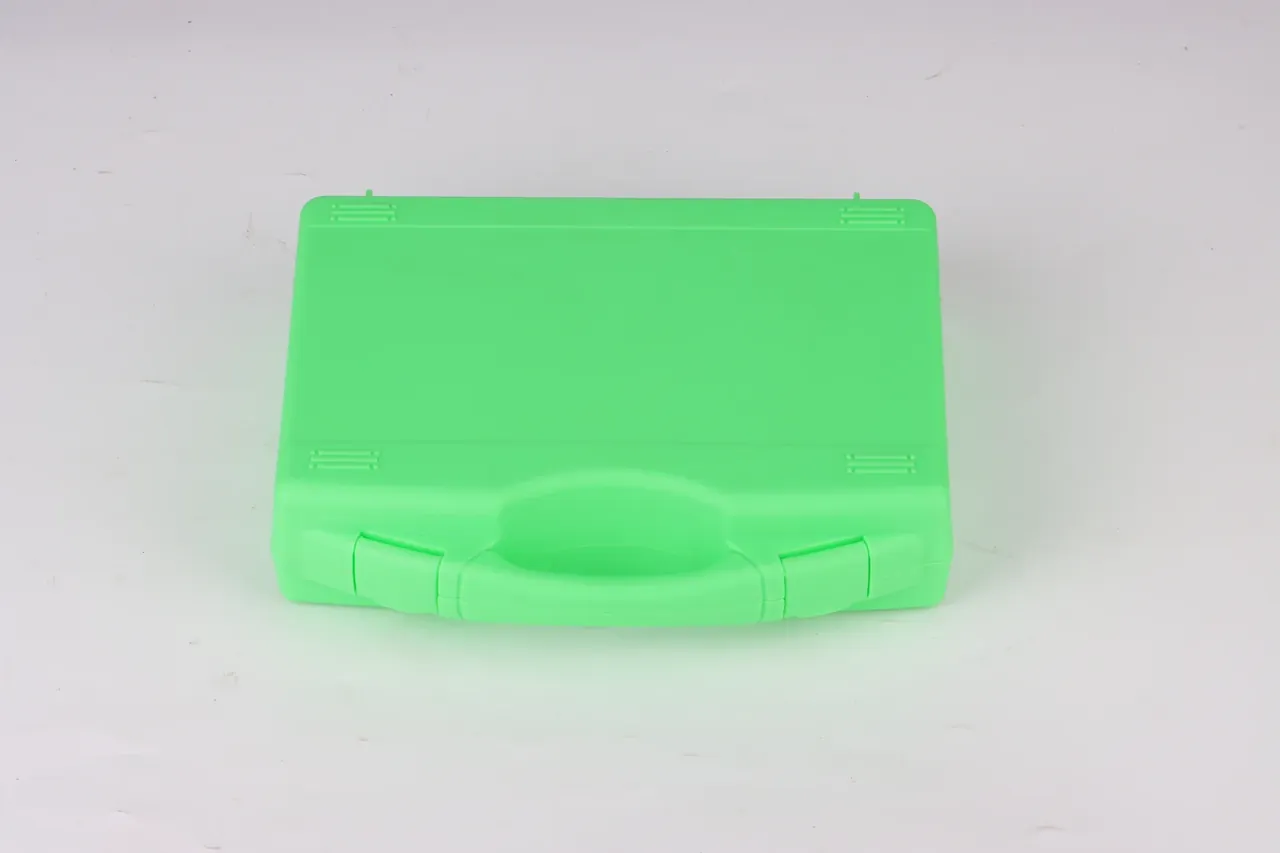
Quick answer: A Case Showroom is not compulsory. Below about 800 units a year, with two or three dominant accounts and a standard catalogue, a 120 m² room pushes cost per unit past 150 and renders plus loans cost less. The test: does the rework it prevents exceed its annual amortisation?
Table of contents
- Spreading Case Showroom Cost Across Three Denominators
- Renders, Sample Loans and Trade Shows Side by Side
- What One Wrong Judgement Costs in Rework
- Projects That Should Skip the Case Showroom
- Projects That Need One, and How Big It Should Be
- Five-Year Depreciation and Unbooked Costs
- FAQ
1. Spreading Case Showroom Cost Across Three Denominators
A total figure says nothing until divided. A 120 m² room costs about CNY 230,000 in year one: 216,000 for walls and flooring, 11,000 for 42 samples, 3,000 for lighting. Running cost is about 60,000 a year.
Three denominators decide whether that is cheap or ruinous.
| Denominator | Typical value | Cost carried |
|---|---|---|
| Units shipped per year | 3,000 | 42 per unit |
| Units shipped per year | 800 | 156 per unit |
| New accounts per year | 40 | 3,125 per account |
Over five years the annual figure settles near 105,000. At 3,000 units that is 1.4% of a unit price. At 800 it climbs past 5%, and the first question is why the same case costs thirty more than a rival's.
2. Renders, Sample Loans and Trade Shows Side by Side
The four channels divide labour. Renders settle shape and colour, a loan settles feel, a show settles side-by-side comparison, and a Case Showroom settles size progression. Picked wrongly, money is wasted.
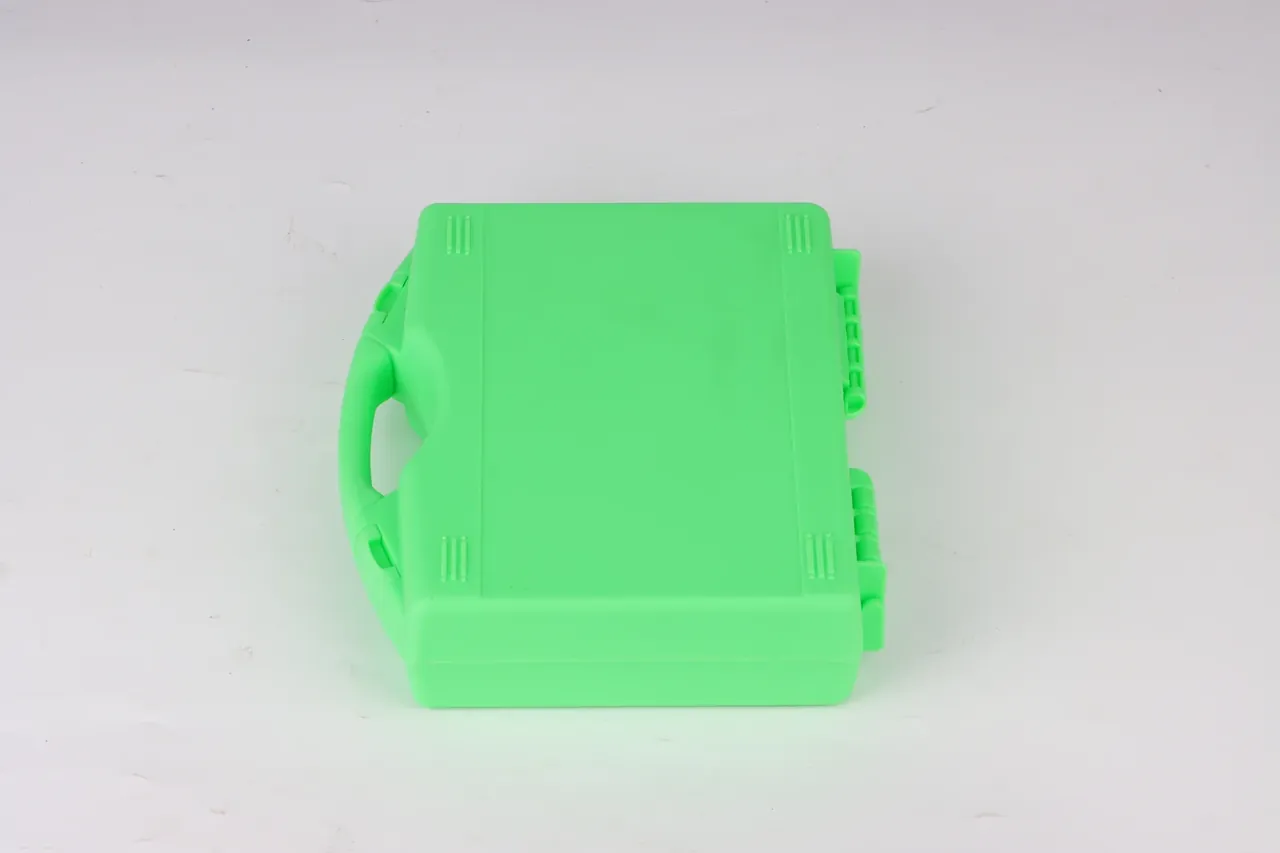
| Channel | First outlay | Order band | Main failure |
|---|---|---|---|
| Permanent room | 230,000 | Above 2,000 units | Dead if buyers never visit |
| Renders | 12,000 up | Any | Screen drift to ΔE 4 |
| Loaned sample | 800 per send | Below 500 units | 6% return damage |
| Trade show | 45,000 per show | New markets | 90-second average stop |
Renders cannot report whether a latch needs 55 N or 38 N, and a loan proves one case, never a range. A show looks cheap until divided by buyers: 90 seconds converts under 4%.
The room sits between them: nine series in one walk, and a lid held at 105 degrees to feel the rim.
3. What One Wrong Judgement Costs in Rework
Rework is priced by the batch. A 500-unit order reads uniform under warm light; in the customer's warehouse it is half a step off and returns. Respray runs 35 per unit, 17,500, and the line stops two days at 12,000 a day, another 24,000. That is 41,500, a third of a room, before penalties.
Late delivery adds 0.3% of value a day, so ten days is 3%. Trust costs more: the next batch goes from 10% to 50% inspection.
Two other calls hurt differently. A latch stroke short by 8 mm needs an 18,000 insert change and a 9,000 trial. Cavity height out by 12 mm stays invisible until the lid will not compress and the gasket stops sealing, by which point three thousand units exist. Worst is mirror-image tooling: 260,000 and 45 days.
4. Projects That Should Skip the Case Showroom
Five situations where the arithmetic fails:
- Under 800 units a year, where cost per unit reaches 156 and quotes stop competing.
- Eighty percent of orders from two accounts that already visit yearly, or a standard catalogue with no insert work.
- A decision by two people who read spec sheets, not latches.
- Samples above 30 kg, which need a forklift and turn a layout into a warehouse aisle.
- A lease under two years, where a move writes off the fit-out.
Where the first two hold, stop calculating and fund renders and loans.
5. Projects That Need One, and How Big It Should Be
Three profiles justify a room: above 2,000 units a year, insert work over 30% of orders, or customers across five industries. The first two win on sample density, the third on seeing all of it once.
Size is arithmetic. Forty-two samples at 0.35 m² of display face give 14.7 m²; aisles at double add 29.4; demo bay 10, meeting corner 12, spares 8. The total lands near 74 m²; 90 to 120 m² leaves room. Below 60 m² only 24 fit and the Case Showroom becomes one sample room.
6. Five-Year Depreciation and Unbooked Costs
Fit-out amortises at 43,200 a year, a line that never hurts. What hurts comes later.
Sixty track lamps at 45 each, rated 3,000 hours, are replaced every eighteen months for 2,700. Flooring at 80 per m² is renewed at year five for 9,600. Colour cards turn over every two years, since a ΔE 1.2 drift shows. Samples refresh at 30% a year, 3,120.
Five years cost 620,000, over twice the opening outlay; lent samples add 1,300 a year. Quoting only the first-year figure is the commonest mistake.
Conclusion
Half the Case Showroom bill is amortisation, half the rework it prevents. At 3,000 units a year, 42 per unit buys a decision made right once; at 800, 156 per unit does not. Settle both denominators before the contract.
This article discusses only the container (case body) side of specifications and design intent, and does not cover any handling, loading or use of the contents.
Related Reading
- Magazine box materials and their cost spread
- How requirements differ across case industries
- Material choices for military packing boxes
- Metal ammunition boxes against moulded plastic
- Where tool box lid materials stop working
Related Products
- 8 Series — Gun Cases; Military Equipment Cases; Camera Equipment Cases; Drone Cases; Watch Cases; Knife Cases; First Aid Cases; Electronics Equipment Cases
- WL8-2812 PP Gun Case — model WL8-2812
- All protective cases and toolboxes: 7 series, 158 models