

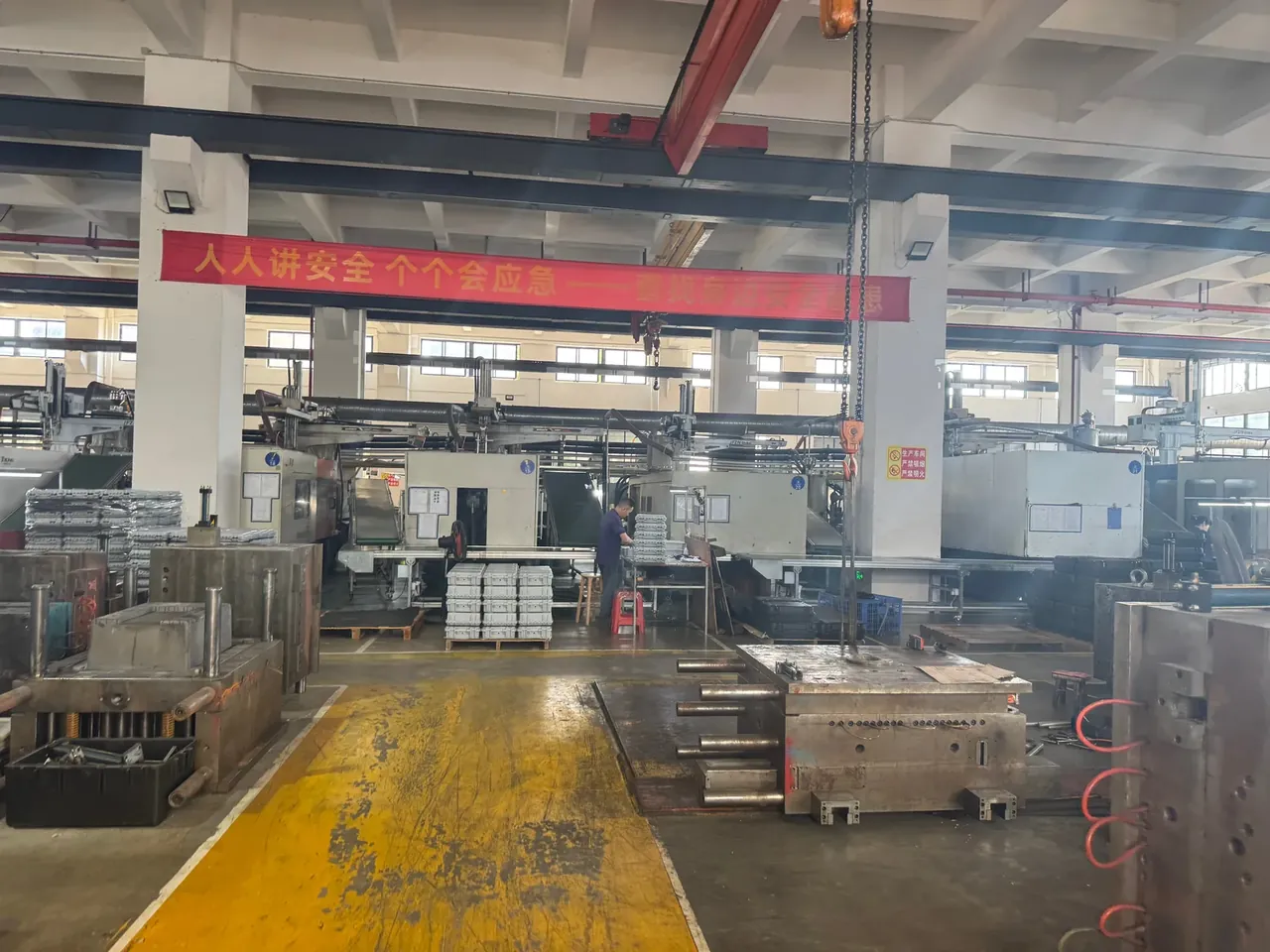
Quick answer: Comparing Tool Cases means normalising three numbers first: 2.8 kg all-in, 3 trays, 0.048 m³ packed, which at 68 m³ gives 1400 units per load.
Table of contents
- Shell Weight: the Basis for Comparing Tool Cases
- Tray Count and Assembly Time When Comparing Tool Cases
- Packed Volume and Load Fill in Comparing Tool Cases
- Hidden Cost Items Behind Comparing Tool Cases
- Laying Out the Alignment Table for Comparing Tool Cases
- FAQ
1. Shell Weight: the Basis for Comparing Tool Cases
Price alone hides the difference, and it reappears later in freight and assembly hours. Start by pulling the weight apart: the 2.8 kg on the scale is shell 1.9 kg, three trays 0.7 kg, latches and hardware 0.2 kg. A quote giving only the all-in figure leaves nothing to normalise against.
The 2.6 mm wall belongs to the shell and is not the same number as the all-in weight. Keep the shell at 2.6 mm and drop to two trays, and the unit falls to 2.6 kg; thicken the shell to 3.0 mm with three trays and it climbs to 3.2 kg. Treating wall as weight mixes two variables into one line.
| Weight basis | What it contains | Direct consequence |
|---|---|---|
| 2.6 kg | Shell 1.9 kg, 2 trays 0.5 kg, hardware 0.2 kg | Carry 200 m one-handed, payload left over |
| 2.8 kg | Shell 1.9 kg, 3 trays 0.7 kg, hardware 0.2 kg | Carry 150 m, load still volume-limited |
| 3.2 kg | Shell 2.2 kg, 3 trays 0.7 kg, hardware 0.3 kg | Carry 100 m, then switch hands |
The point of normalising is not saving resin; it is knowing whether a load runs out of space or out of payload. At 1400 units, 2.8 kg each comes to 3.9 t against a 26 t payload, so these goods are always volume-limited.
2. Tray Count and Assembly Time When Comparing Tool Cases
Tray count is the item quotes tend to leave out. Three trays mean three drops, three presses and three position counts, and 4 of the 6 min of assembly go there, leaving 2 min for latch trial and insert seating.
Per 10,000 units, one extra minute per tray becomes 333 h. That only means something beside price: a quote 1 min slower per unit costs 167 h across 10,000 units.
| Tray count | Assembly steps | Time per unit |
|---|---|---|
| 2 trays | Two layers dropped straight in, no dividers | 5 min |
| 3 trays | Top tray pull-out, middle dividers, base located | 6 min |
| 4 trays | Three divided layers plus base tray, pressed in turn | 8 min |
State where the clock starts and stops. From empty case on the line to lid closed on the scale is not the same as from first tray seated to packing done, and the two readings differ by 2 min.
3. Packed Volume and Load Fill in Comparing Tool Cases
A packed volume of 0.048 m³ corresponds to an outer box of 600×400×200 mm: a 570×390×190 mm case plus 15 mm of cushioning fills it exactly. Shrink the box to 585×390×158 mm and volume drops to 0.036 m³; grow it to 620×450×222 mm and volume rises to 0.062 m³.
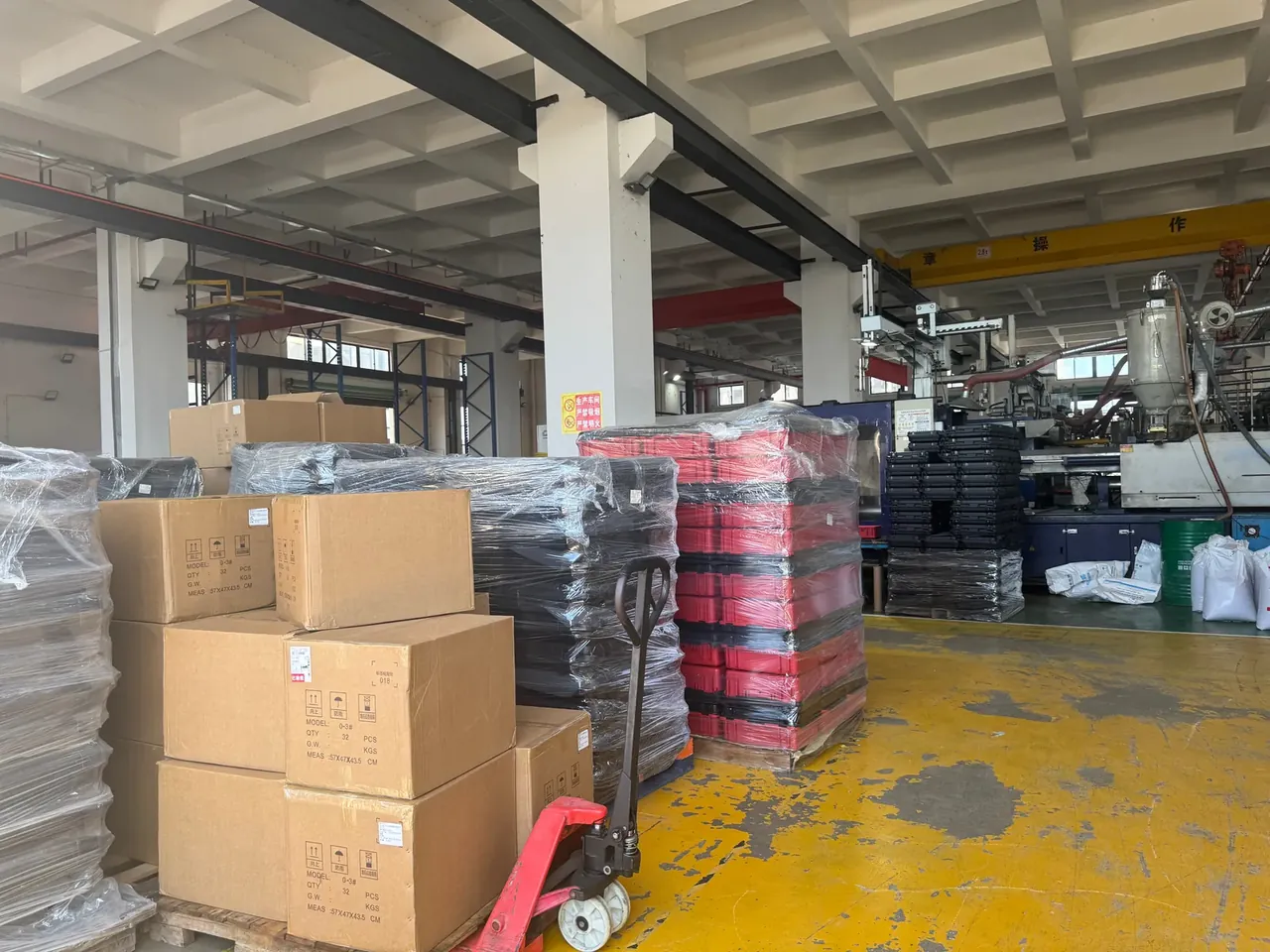
The 68 m³ figure comes from a 40 ft high cube rated 76.3 m³, less stacking gaps and internal corrugations. Divide 68,000 by 48 and the answer is 1417, so loading is planned at 1400 units, the spare 17 covering wrapping and pallets.
| Packed volume | Outer box size | Units per load at 68 m³ |
|---|---|---|
| 0.036 m³ | 585×390×158 mm | 1880 units |
| 0.048 m³ | 600×400×200 mm | 1400 units |
| 0.062 m³ | 620×450×222 mm | 1090 units |
Pallets at 1200×1000 mm with four-way entry give 21 pallets in a 40 ft high cube, 66 units on each, and 21 times 66 is 1386, close enough to the 1400 plan to confirm it. Where the two sides use different pallet footprints, the comparison never had a common starting point.
4. Hidden Cost Items Behind Comparing Tool Cases
Hidden items are hidden because they sit outside the columns of a quote, not because they cannot be measured. Assembly minutes, packed cubic metres and kilograms on the scale are all measurable, and nobody converts them into one unit.
The method is a common denominator: assembly becomes hours per 1000 units, packing becomes units per load, weight becomes kilograms per pallet. At the same unit price, 1400 units per load against 1090 is a 28 percent swing in freight per unit.
The 9 percent logistics share is an output of that calculation, not a rule of thumb. It follows from 2.8 kg, 0.048 m³ and 1400 units per load, so any one of them moving changes the share, which is why the three belong in the table header.
5. Laying Out the Alignment Table for Comparing Tool Cases
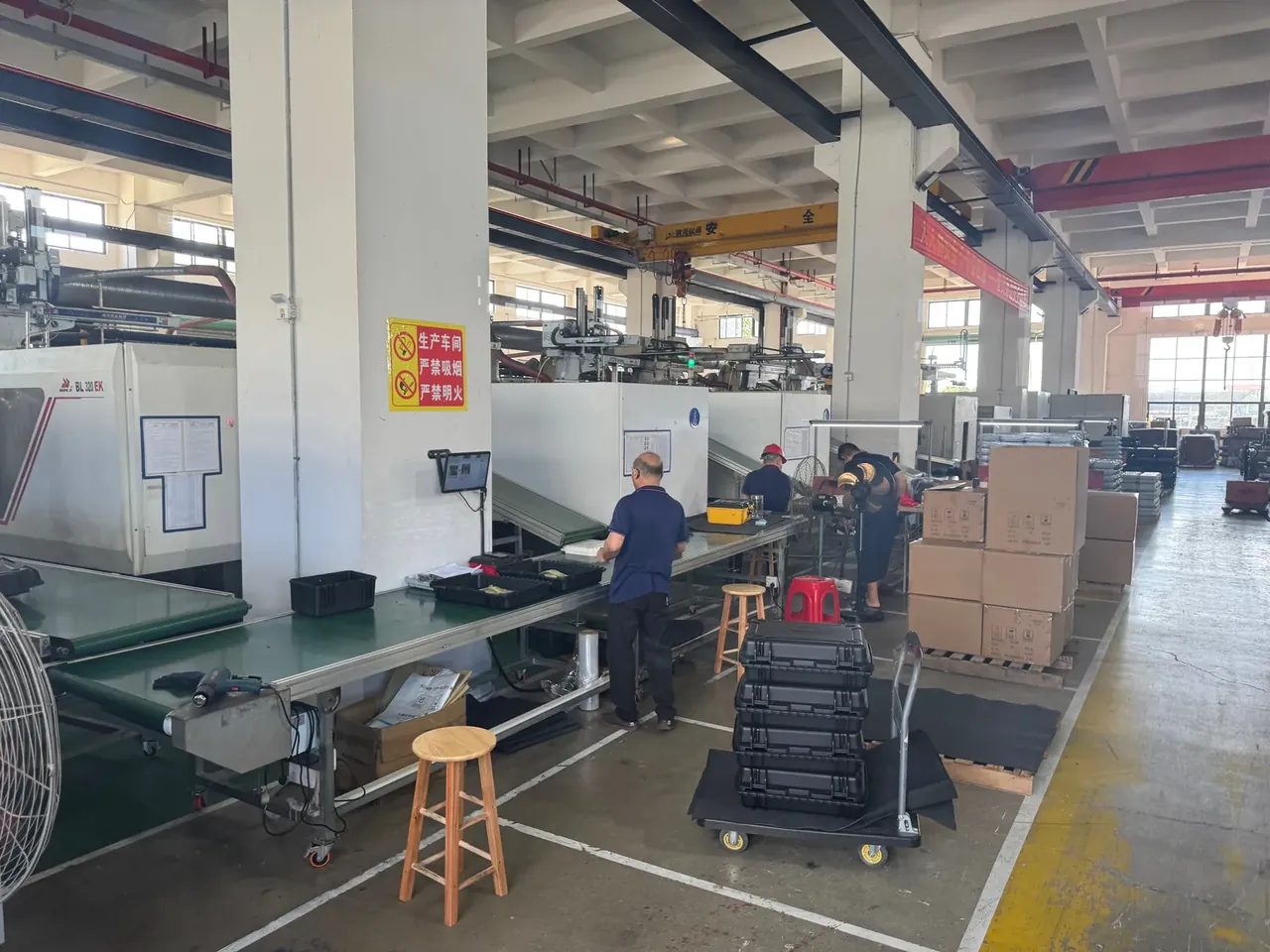
Four columns carry the table: item, unit, tolerance, owner. Only measurable items go in the first, so weight in kilograms, assembly in minutes, packing in cubic metres and load fill in units. Tolerance states how far a reading may drift and still count as one band: 0.1 kg, 0.5 min, 0.002 m³, 20 units. Owner names who supplies each measured value.
Rows are ordered by impact: load fill first, labour second, weight last. One band of load fill is 28 percent of freight, one of assembly a tenth of labour, one of weight how far a person carries the case.
One rejection rule sits under the table. Any quote built on a different basis from the rest goes back for reissue, which keeps two denominators out of a single comparison.
Conclusion
Comparing Tool Cases is less about who is cheaper than about who states the basis in full. Put 2.8 kg, 3 trays and 0.048 m³ in the header, derive 1400 units from a 68 m³ load, and the 6 min of assembly and 9 percent logistics share finally have somewhere to stand. Two quotes on different bases differ by whatever their denominators say, not by what the goods cost.
Related Reading
- how tool case cost breaks down
- total cost of ownership for cases
- wall thickness and weight chart
- plastic case versus carton for e-commerce
Related Products
- 8 Series — Gun Cases; Military Equipment Cases; Camera Equipment Cases; Drone Cases; Watch Cases; Knife Cases; First Aid Cases; Electronics Equipment Cases
- WL8-2812 PP Gun Case — model WL8-2812
- All protective cases and toolboxes: 7 series, 158 models