

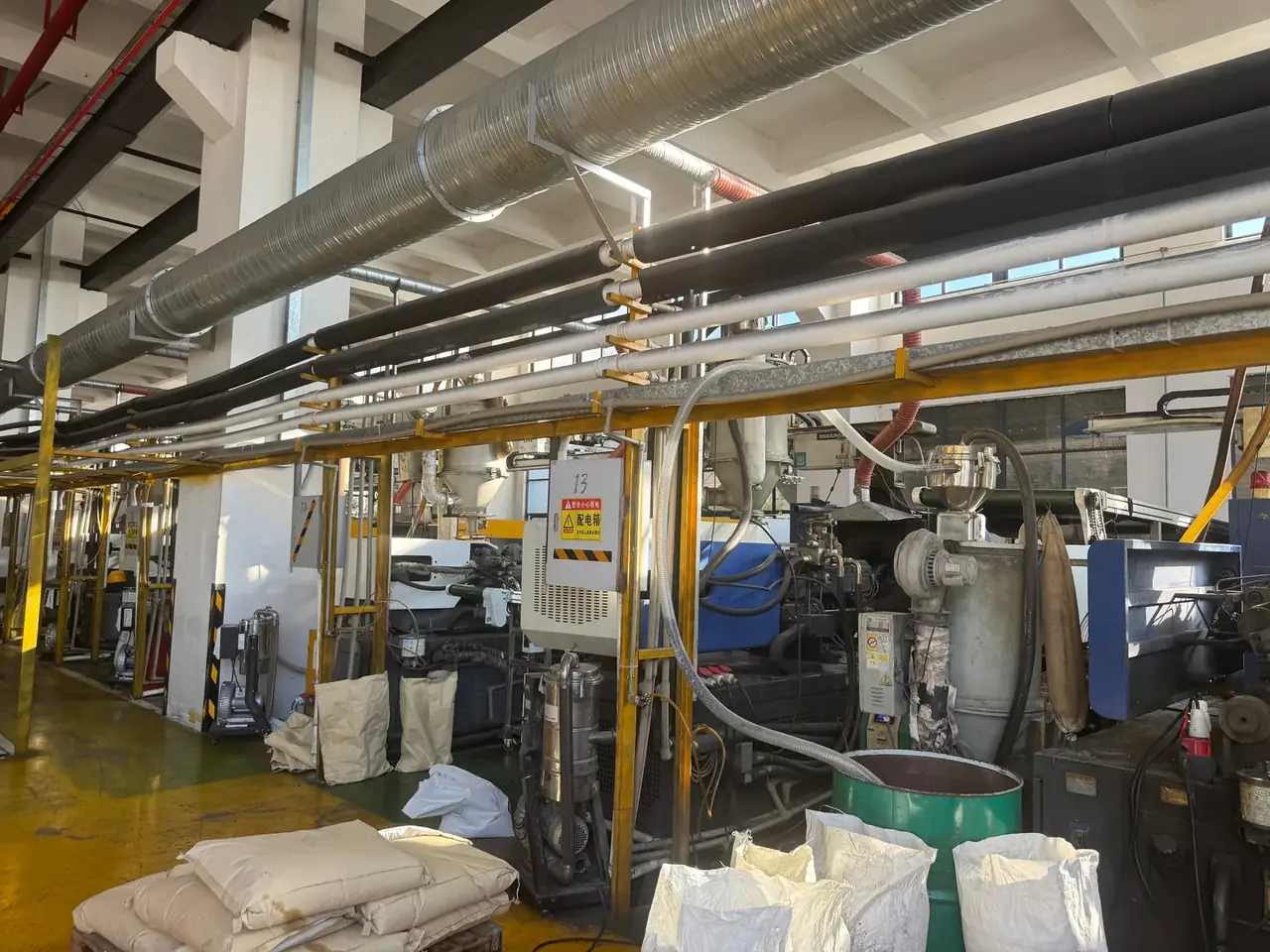
Quick answer: An Electronic components anti-static storage container pairs 10⁶–10⁸ Ω liner resistance with 1.6 N spring force to cap decay at 1.8 s after 100 cycles.
Table of contents
- Liner surface resistance in the Electronic components anti-static storage container
- Contact force of the divider spring tab
- Decay readings across handling cycles
- Resistance drift on the temperature and humidity retest
- Force reject line for anti-static batches
- FAQ
1. Liner surface resistance in the Electronic components anti-static storage container
Set the outside at 450×320×170 mm, the cavity at 395×270×115 mm and the wall at 3.5 mm, and the liner surface resistance of the Electronic components anti-static storage container settles at 10⁶–10⁸ Ω. The liner is a modified substrate loaded with a conductive medium, measured on both base and divider faces: too low a resistance drives bleed current past the liner design margin, too high a value lets charge sit on the surface.
The grade is read together with a 3.3 kg empty case and a 6.5 kg load: a soft substrate deforms under the 5 stacked dividers and pushes resistance up, a hard one scuffs the contact face until decay readings wander.
| Resistance grade | Decay after 100 cycles | Verdict |
|---|---|---|
| Below 10⁵ Ω | Bleeds too fast | Reject |
| 10⁶–10⁸ Ω | ≤1.8 s | Threshold |
| Above 10⁹ Ω | Decay crosses line | Reject |
2. Contact force of the divider spring tab
The 1.6 N contact force of the divider grounding tab keeps the bond reliable without deforming the divider. The 5 dividers of the Electronic components anti-static storage container slide into base guides, and the tab presses the conductive edge to lead charge from the liner to the case grounding point: too little force makes the bond intermittent, too much marks the divider edge and jams the slide.
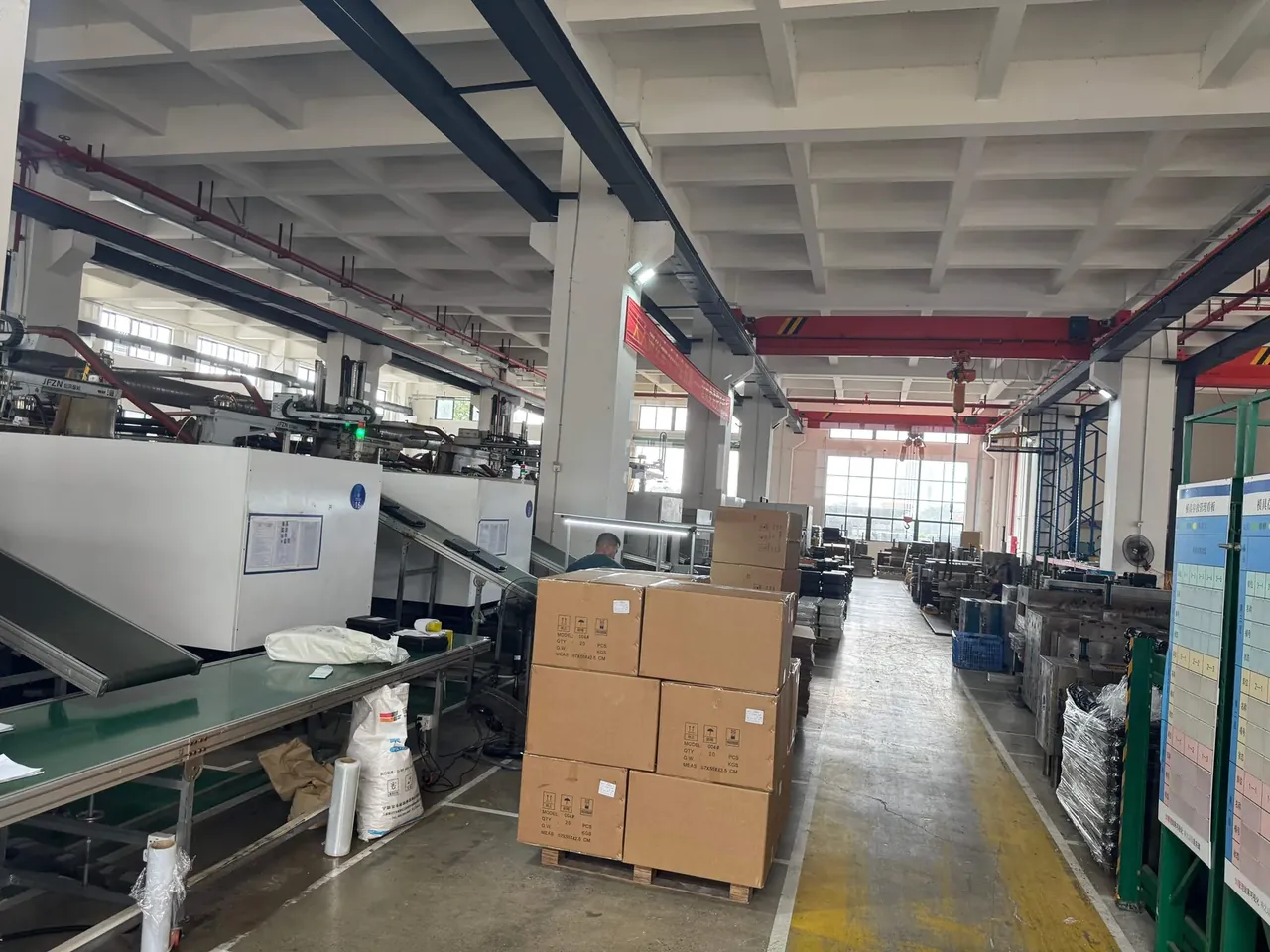
Tab force and latch preload are logged apart. After 3700 open-close cycles, if the 2 latches at 305 N each give first, the mouth seal edge yields and contact force drops; the single gasket at 16% compression handles moisture, not the bond. The Electronic components anti-static storage container puts liner resistance and tab force on one sheet, and together they decide whether static decay time stays steady over repeated handling.
3. Decay readings across handling cycles
Handling runs 100 cycles, with decay logged every 20 cycles rather than only at the hundredth. Each round the Electronic components anti-static storage container pulls a divider, closes the lid, rests, applies a standard charge and times the voltage falling to a set ratio; at 100 cycles decay must stay within ≤1.8 s, and an early crossing stops the run.
| Handling cycle | Decay time | Surface resistance |
|---|---|---|
| 20th | 0.9 s | 10⁷ Ω |
| 60th | 1.3 s | 10⁷ Ω |
| 100th | ≤1.8 s | 10⁶–10⁸ Ω |
Decay read as tab force drifting down plus liner resistance creeping up beats a single number. Three parallel cases per batch are sampled; a spread above 0.3 s means uneven spring force in the tab lot, so the tabs are checked first. Pull order, travel and rest time go into the record, or the 100 readings have no comparison and the Electronic components anti-static storage container retest loses its reference.
4. Resistance drift on the temperature and humidity retest
After 100 cycles the case moves into a 23 ℃ / 45% RH chamber to retest resistance drift, a liner check beyond the decay readings. The conductive substrate of the Electronic components anti-static storage container drops in resistance when damp and climbs back when dried, blurring the grade boundary; the retest asks whether the value has left 10⁶–10⁸ Ω, and whether the tab oxidises until the 1.6 N force loses ground.
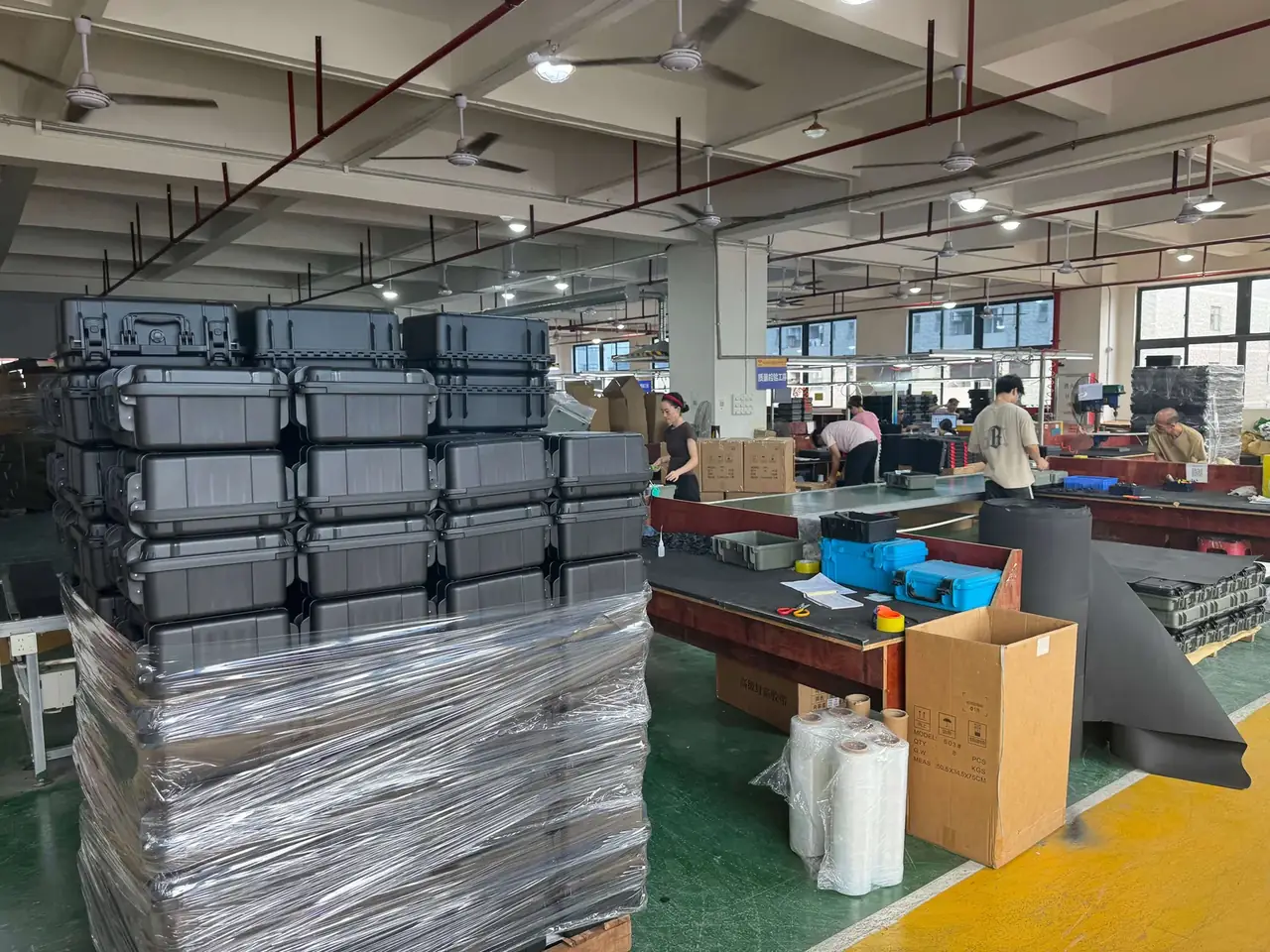
Out of the chamber the gasket groove is dried before the compression reading, since trapped condensate inflates the 16% figure. If the two 305 N latches give first, the fault is latch preload, not the liner. IP65 is brought in only as a benchmark method, and the report number is measured. Read together, drift, force margin and gasket compression answer one thing: whether the liner of the Electronic components anti-static storage container still holds decay within ≤1.8 s after a damp-heat cycle.
5. Force reject line for anti-static batches
The reject line lands on the measured lower deviation of the 1.6 N tab force and the decay reading after 100 cycles. Every Electronic components anti-static storage container batch is sampled for tab force first, then decay time backs out liner fatigue; both must clear before sign-off.
| Decay reading | Matching force | Batch verdict |
|---|---|---|
| 2.2 s | 1.2 N | Reject |
| ≤1.8 s | 1.6 N | Threshold |
| 1.0 s | 2.0 N | Too tight |
The 2.2 s row paired with 1.2 N crosses the decay line and is rejected; 1.0 s with 2.0 N is fast but marks the divider edge, so it is not taken either. JUNZHIJIA centres anti-static batches on 1.6 N and ≤1.8 s decay, judged case by case: tab force and initial liner resistance are read first, then the 100-cycle end decay placed in its row, and only a case clearing all three is logged as passed.
Conclusion
The verdict for the Electronic components anti-static storage container is whether liner surface resistance and tab contact force still hold static decay within ≤1.8 s after 100 cycles. The 10⁶–10⁸ Ω window, 1.6 N force, 3700 open-close cycles and the 23 ℃ / 45% RH retest must come from one batch and be read side by side, or comparison is lost. Order matters too: judge resistance stability first, then force drift, then the damp-heat reading, since reversing it scores tab give as resistance creep. JUNZHIJIA judges per case and totals per batch, and a case counts only when force, initial resistance and end decay are all present.
Related Reading
- ESD protective case selection for sensitive gear
- Anti-static component boxes and ESD standards
- PCB transport case moisture-proof design
- Surface resistance and decay time testing
Related Products
- 8 Series — Gun Cases; Military Equipment Cases; Camera Equipment Cases; Drone Cases; Watch Cases; Knife Cases; First Aid Cases; Electronics Equipment Cases
- WL8-2812 PP Gun Case — model WL8-2812
- All protective cases and toolboxes: 7 series, 158 models