

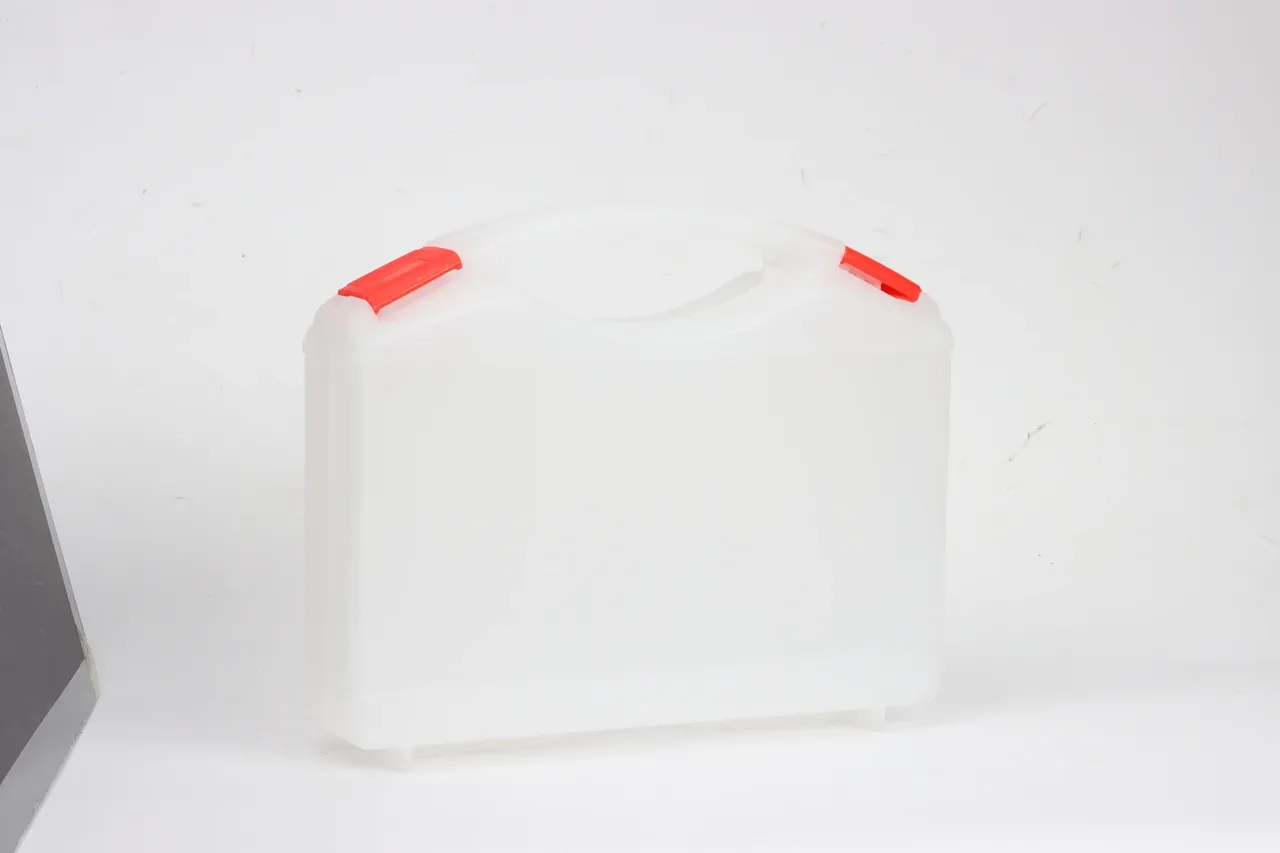
Quick answer: An equipment protection case costs more at the counter and less over five years. At 120 units, rotomoulding needs a 35,000 mould and a 680 unit price for 116,600; injection moulding is 260 a unit but carries a 120,000 mould, landing at 159,000. Below 200 units the dearer box is the cheaper project.
Table of contents
- The Equipment Protection Case Cost Spread Over Five Years
- Injection or Rotomoulding: Where the Volume Line Sits
- Aluminium and Soft Bags: Where They Stop Working
- The Rework Bill Behind One Water Ingress
- When to Walk Away
- FAQ
1. The Equipment Protection Case Cost Spread Over Five Years
A testing company equips 120 handheld spectrometers, keeps them five years and ships six times a year. Three quotes arrive: 90 per carton with a timber frame, 260 per injection moulded case, 680 per rotomoulded case, 1,450 for aluminium.
On unit price it looks seven times dearer than cardboard. Put five years of spending on one sheet first.
| Cost item | Once | Per year | Five years |
|---|---|---|---|
| Tooling | 120,000 or 35,000 | 0 | By route |
| Unit purchase | 260 to 1,450 | 0 | Times 120 |
| Gasket renewal | 0 | 35 each, every 2 years | About 2,100 |
| Packaging | 0 | 64,800 on cartons | 324,000 |
| Rework | 0 | See section 4 | Adds up |
The packaging row hurts: cartons are single trip, so six shipments of 120 sets a year reach 324,000 over five years.
2. Injection or Rotomoulding: Where the Volume Line Sits
The processes differ in tooling amortisation, not unit price. Injection tooling runs 120,000 with a 260 unit price; rotomoulding runs 35,000 with 680. Plotted together, the lines cross at 202 units.
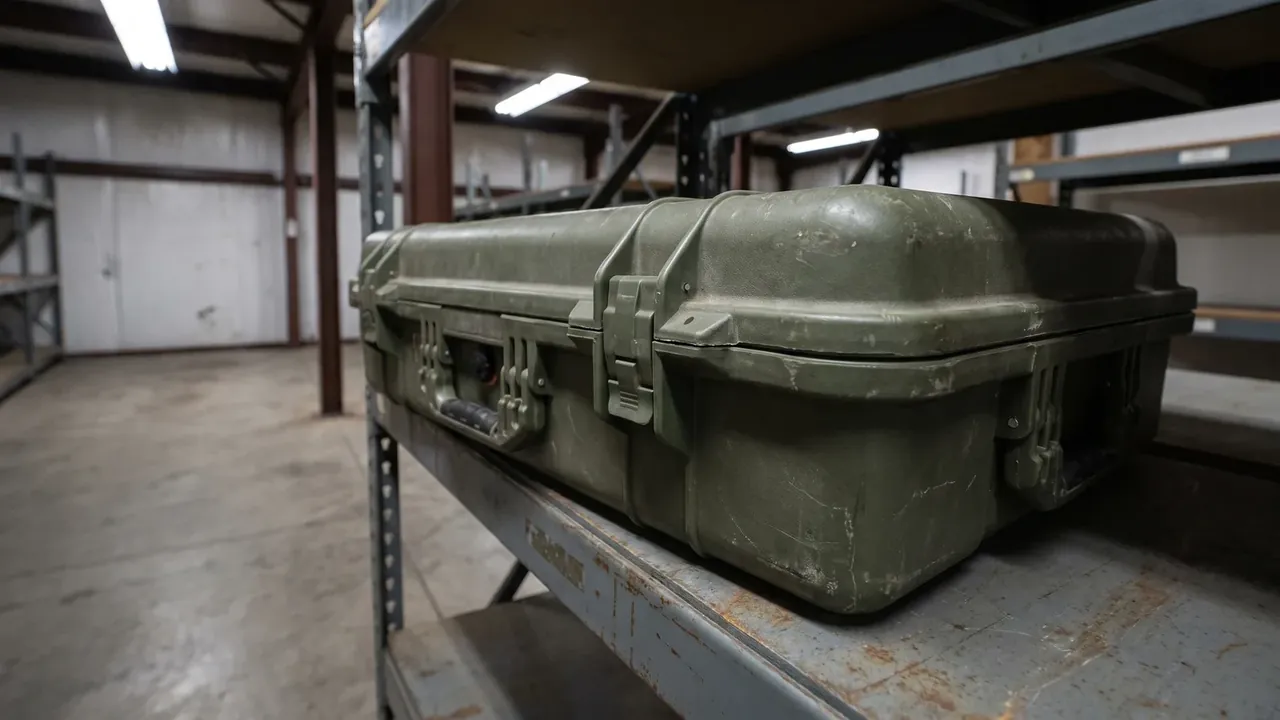
At 120 units the project sits left of the crossing, so rotomoulding wins: 120 times 680 plus 35,000, or 116,600. Injection is 120 times 260 plus 120,000, or 151,200, and year four adds 30 replacements at 7,800, reaching 159,000. The extra 42,400 buys a thinner, lighter shell. Thinner is not automatically bad, but rotomoulded walls run twice the thickness and resist cracking after a knock.
| Route | Tooling | Unit | 120 units, five years |
|---|---|---|---|
| Injection | 120,000 | 260 | About 159,000 |
| Rotomoulded | 35,000 | 680 | About 116,600 |
| Aluminium | 0 | 1,450 | About 174,000 |
| Carton and frame | 0 | 90 per trip | About 324,000 |
Past 300 units it flips, as tooling thins and the 260 price takes over.
3. Aluminium and Soft Bags: Where They Stop Working
Both get sold as upgrades, and both have hard limits.
- Aluminium: 1,450 a unit, 5.6 kg empty, dents fixed only by a panel swap at 180. It wins on shielding and appearance, loses on daily rack handling.
- Soft bag: 180 a unit, 0.6 kg, foam as the only buffer, no rigid lip. Fine for a bumpered device that never stacks; stack two and the load sits on the shell.
- Carton and timber: right for a one way export discarded on arrival, but it survives no third trip and no rain.
- Plastic tote: cheap and stackable, with no seal at all.
An equipment protection case sits between them: heavier than a bag, cheaper than aluminium, and stackable.
4. The Rework Bill Behind One Water Ingress
Rework is not spent on the case, it is spent behind it. One failed seal took out two boards at 4,200 in parts and stopped a line for 6 hours at 1,800 an hour, another 10,800. That is 15,000 per event, enough to buy 57 injection moulded cases.
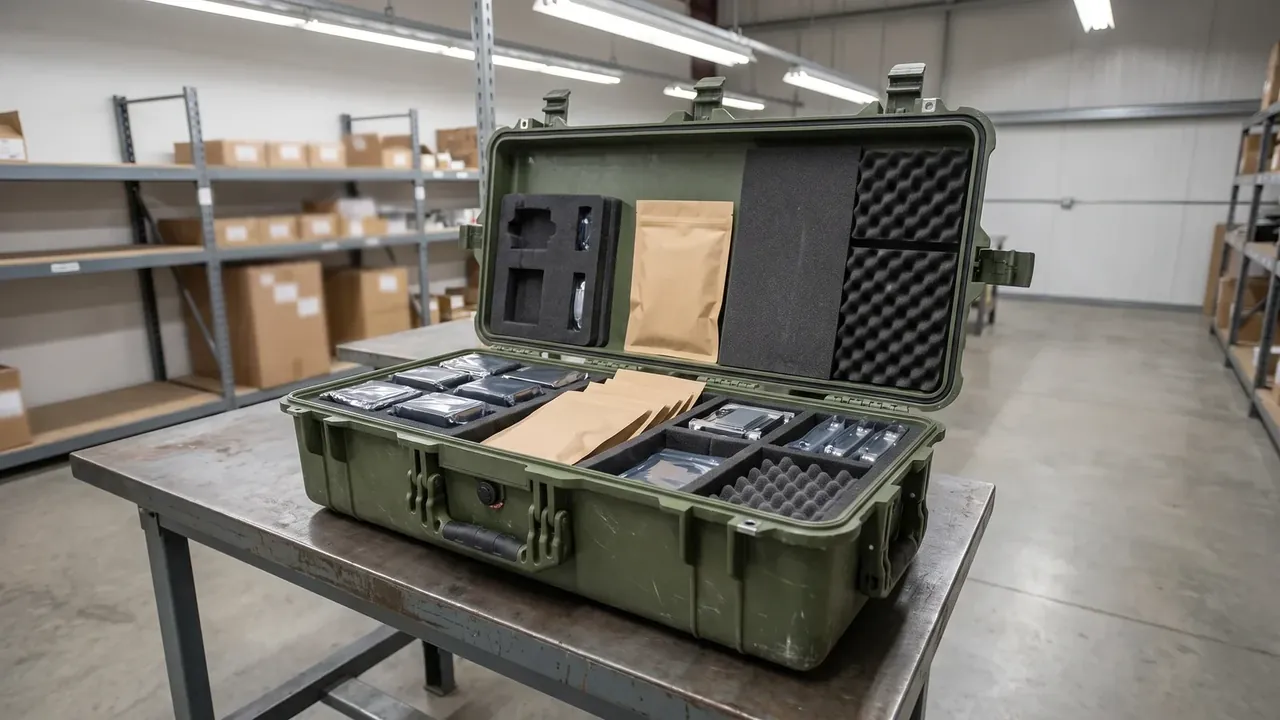
Cartons leak three times in five years: 45,000 in rework on 324,000 of packaging, or 369,000. The rotomoulded route spends 116,600 with no rework. The gap is 3.2 times, not tens of percent.
A hidden cost is easy to miss: each ingress pulls a service engineer for 3 person days at 800 a day, 2,400 that never appears in a purchasing comparison.
5. When to Walk Away
An equipment protection case is not the answer everywhere.
For a one way export opened at the far end, cartons and timber at 90 beat every reusable option. Under 30 units, with devices carrying hard bumpers, a foam lined bag is enough. Inside one building, a plastic tote costs a sixth of the price.
Four triggers reverse it: over three trips a year, stacking two high, rain or dust, or a device worth over 20,000. Two of them and rework eats the price gap.
Conclusion
Count the equipment protection case over five years: tooling, consumables, rework and downtime together, and the dearest unit price is rarely the dearest project. At 120 units, rotomoulding lands at 116,600, injection at 159,000, cartons at 369,000. Read volume first, rework second, unit price last, and the equipment protection case stops being a line item argument.
This article discusses only the container (case body) side of specifications and design intent, and does not cover any handling, loading or use of the contents.
Related Reading
- What an equipment protection case has to stop
- Selection criteria for equipment protection cases
- How case requirements differ by industry
- Hard shell suitcase materials compared
Related Products
- 8 Series — Gun Cases; Military Equipment Cases; Camera Equipment Cases; Drone Cases; Watch Cases; Knife Cases; First Aid Cases; Electronics Equipment Cases
- WL8-2812 PP Gun Case — model WL8-2812
- All protective cases and toolboxes: 7 series, 158 models