

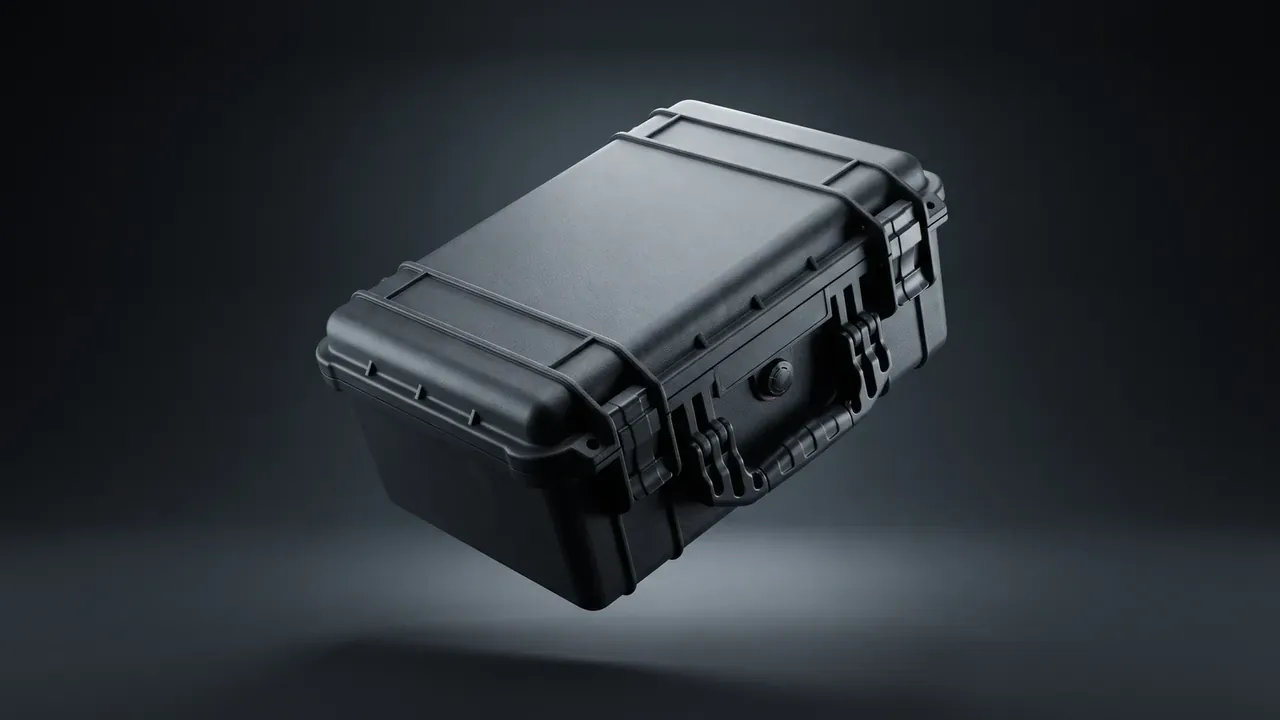
Quick answer: A leaking explosion-proof case is usually not a worn gasket but a latch that lost preload, a lid that warped, or a gasket squeezed past its limit. Measure gap, torque, rebound and flatness on a 30-day cycle before buying parts; the real replacement line is 30 percent permanent set, with an 18 to 24 month reference life.
Table of contents
- Leaks Are Rarely the Gasket
- A 30-Day Walk-Through: Four Checks
- Cleaning and Greasing: Solvent, Water, Amount
- Replacement Lines: Gasket, Vent Film, Latches
- Service Life: Storage, Handling, Records
- FAQ
1. Leaks Are Rarely the Gasket
A leaking explosion-proof case points at the gasket first, and that reaction is wrong most of the time.
Three things cause the same symptom: permanent set in the gasket, preload lost at the latches, and a warped lid or rim. All three show up as a tissue held to the seam, bubbles under water, or a vacuum that will not hold. Permanent set needs a new gasket, lost preload only needs 1.8 N·m and a re-measured gap, and a warped rim needs the flatness corrected, because ten new gaskets will not close a bent edge. Work from the cheapest measurement upward: gap first, torque second, gasket last. Reverse that order and the usual result is a fresh gasket that still leaks.
Replacing a gasket is cheap; repeated teardown is not. Every opening costs the rim threads a little margin.
2. A 30-Day Walk-Through: Four Checks
Set the cycle by duty: 30 days for storage and occasional transport, 14 days for daily opening or outdoor use.
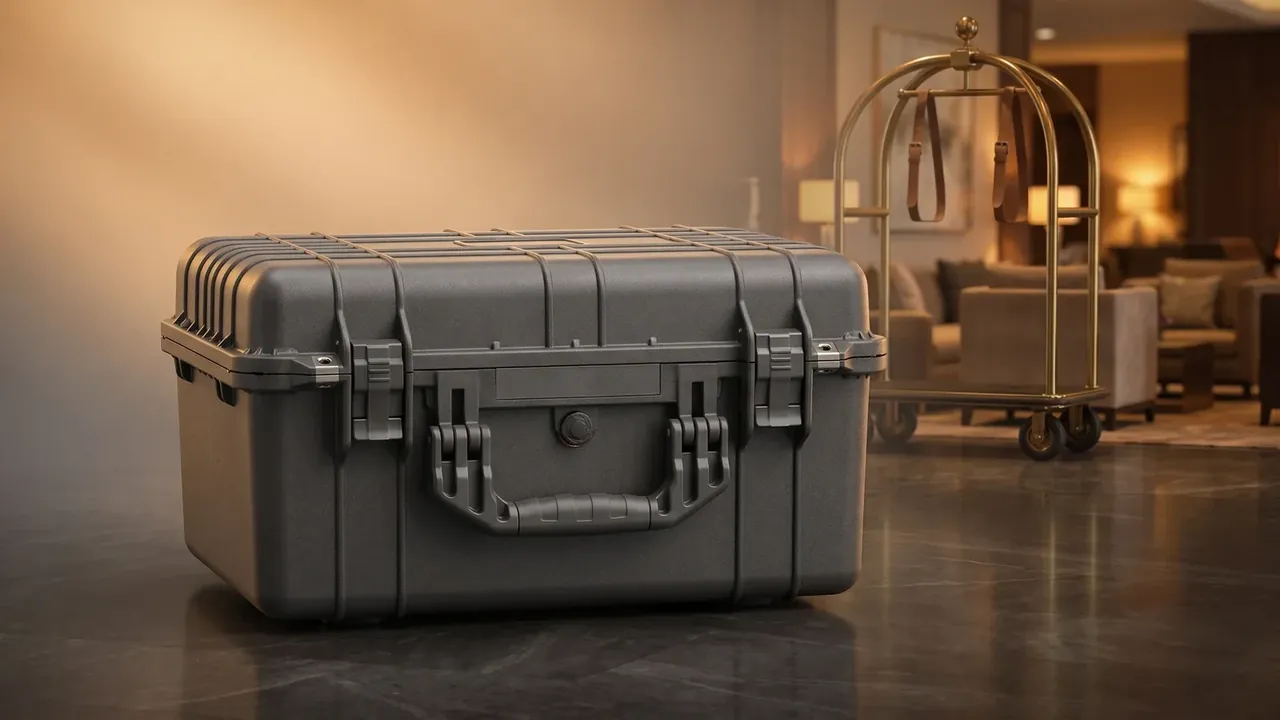
- Gap: run a 0.3 mm feeler along the seam; a continuous insert longer than 50 mm means low preload.
- Torque: retighten latch bolts to 1.8 N·m, keeping readings within 0.2 N·m across all six.
- Rebound: rest the gasket 10 minutes and compare free height with a new one; over 30 percent lost means replace.
- Flatness: press the lid on a surface plate; a 0.5 mm gap calls for rim work, not a thicker gasket.
The four take about 8 minutes with a feeler gauge, a torque wrench and a plate. Write readings into one sheet, because one visit shows nothing and three show a trend.
3. Cleaning and Greasing: Solvent, Water, Amount
Cleaning an explosion-proof case is not about shine. It keeps the sealing face free of grit so the lip slides instead of grinding.
| Item | Method | Limit | If exceeded |
|---|---|---|---|
| Water | Neutral detergent, then rinse | 40 °C maximum | Heat speeds up set |
| Detergent | Neutral, pH 7 to 8 | No solvents | Solvent leaches plasticiser |
| Gasket groove | Soft brush, dry after rinse | No grit left | One grain becomes a leak path |
| Grease | Thin silicone film | 0.2 g per metre | Thick film traps dust |
| Vent film | Wipe only | No scraping | Scratches shift the opening value |
Over-greasing is the common error. A thin film lets the gasket slide under compression; a heavy one collects dust and turns the lip into sandpaper.
4. Replacement Lines: Gasket, Vent Film, Latches
Three consumables age at different rates, and one shared cycle either wastes stock or keeps a failing part in service.
| Part | Reference life | Replace when | How |
|---|---|---|---|
| Gasket | 18 to 24 months, or 3000 cycles | Set over 30 percent, lip cracking | Full ring, joint offset to a corner |
| Vent film | 36 months | Any actuation, scratch or bulge | Same orientation, 1.2 N·m |
| Latches | 5000 cycles | Slow return, rounded hook | In pairs, same batch |
The vent film is the one most often skipped. Once it has actuated it has done its job, and a patch or tape over it simply seals the only exit.
5. Service Life: Storage, Handling, Records
Two explosion-proof cases of one model can differ by a factor of two in life, purely on storage.
- Store between -25 °C and 55 °C, at 65 percent relative humidity or below.
- Stack no more than two high, with 80 kg total per case.
- Keep away from UV lamps and west-facing windows; 2000 hours of exposure hardens the lip.
- Release the latches one notch in long storage so the gasket returns to free height.
- Log cycles and immersion results after each transfer.
Records are the cheapest life extension available. Once each case has a post, a cycle count and an immersion history, replacement stops being guesswork and spares can be bought per post.
Conclusion
Maintenance of an explosion-proof case is measurement in sequence, not parts swapping: gap, torque, rebound, flatness, then decide. The 18 to 24 month gasket, 36 month vent film and 5000 cycle latch are reference lines, while the real criterion is permanent set above 30 percent. Put the cycle and the limits on one sheet, and an explosion-proof case stops leaking before anyone reaches for a new gasket.
This article discusses only the container (case body) side of specifications and design intent, and does not cover any handling, loading or use of the contents.
Related Reading
- Venting, flameproof shells and body strength
- How pressure relief differs from a plain protective case
- Inspection and sealing for reserve storage cases
- Gasket care on hard shell suitcases
Related Products
- 8 Series — Gun Cases; Military Equipment Cases; Camera Equipment Cases; Drone Cases; Watch Cases; Knife Cases; First Aid Cases; Electronics Equipment Cases
- WL8-2812 PP Gun Case — model WL8-2812
- All protective cases and toolboxes: 7 series, 158 models