

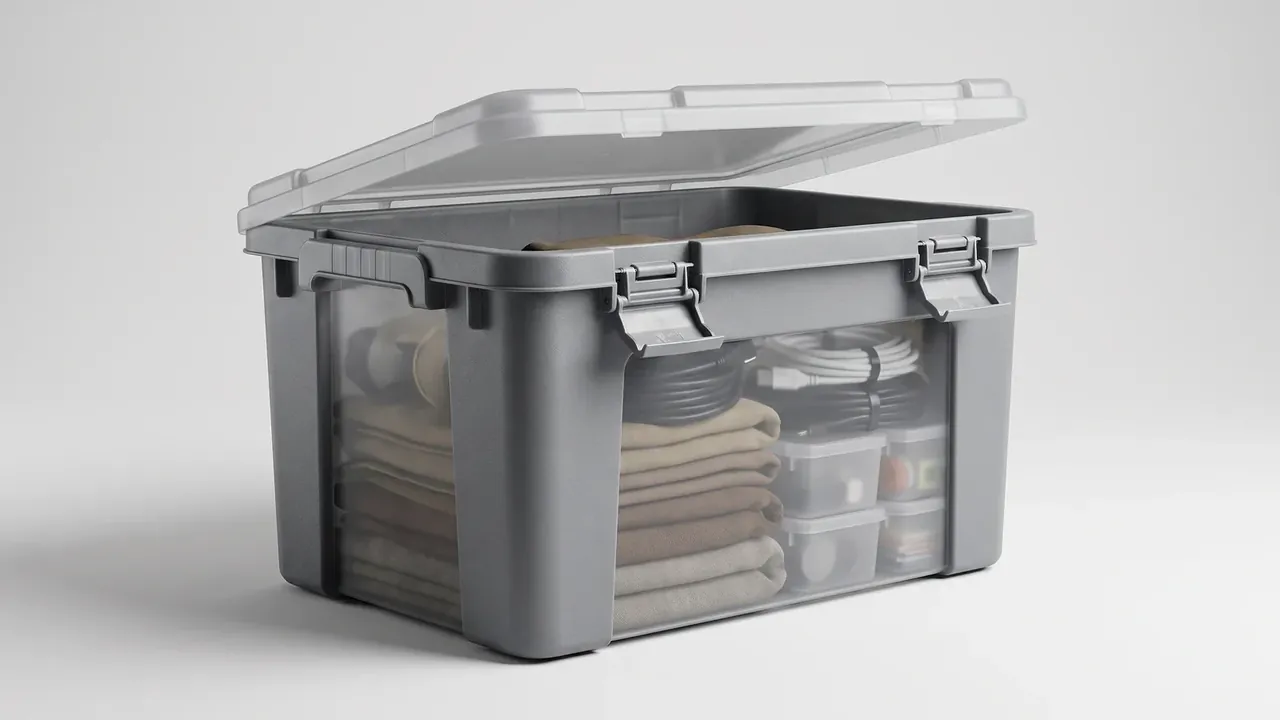
Quick answer: A firearm transport case is only comparable on one task: the same weapon, the same route, five handlings, two stackings and one rain shower. On weight, sealing, vibration, temperature, life and five-year cost it wins on sealing and vibration, loses on price, and the cheap options push their cost onto the contents.
Table of contents
- What the Comparison Should Measure
- Weight and Carrying Cost
- Sealing and Vibration
- Temperature Range and Service Life
- Cost Across Five Years
- FAQ
1. What the Comparison Should Measure
Comparison holds on one task: same route, same weapon, same handling count. Fix the test at a 1200 by 300 by 120 mm interior with a 6 kg load, then measure six things.
| Option | Empty weight | Sealing | Vibration shift | Temperature | Price |
|---|---|---|---|---|---|
| Moulded firearm transport case | 5.2 kg | IP67 | 0.8 mm | minus 40 to 80 C | 380 |
| Aluminium case | 6.5 kg | IP65 | 1.5 mm | minus 50 to 120 C | 900 |
| Timber crate | 14 kg | none | 3.2 mm | minus 20 to 60 C | 120 |
| Soft weapon bag | 1.1 kg | none | 6.5 mm | minus 30 to 70 C | 90 |
| Plastic storage tote | 2.4 kg | IP20 | 4.0 mm | minus 10 to 60 C | 45 |
One rule gets skipped: compare what happens after failure. Reissue after damaged contents costs more than the case, so these are three risk structures, not five prices.
2. Weight and Carrying Cost
On tare weight the bag wins at 1.1 kg, timber loses at 14 kg, the moulded case sits at 5.2 kg, 1.3 kg under aluminium.
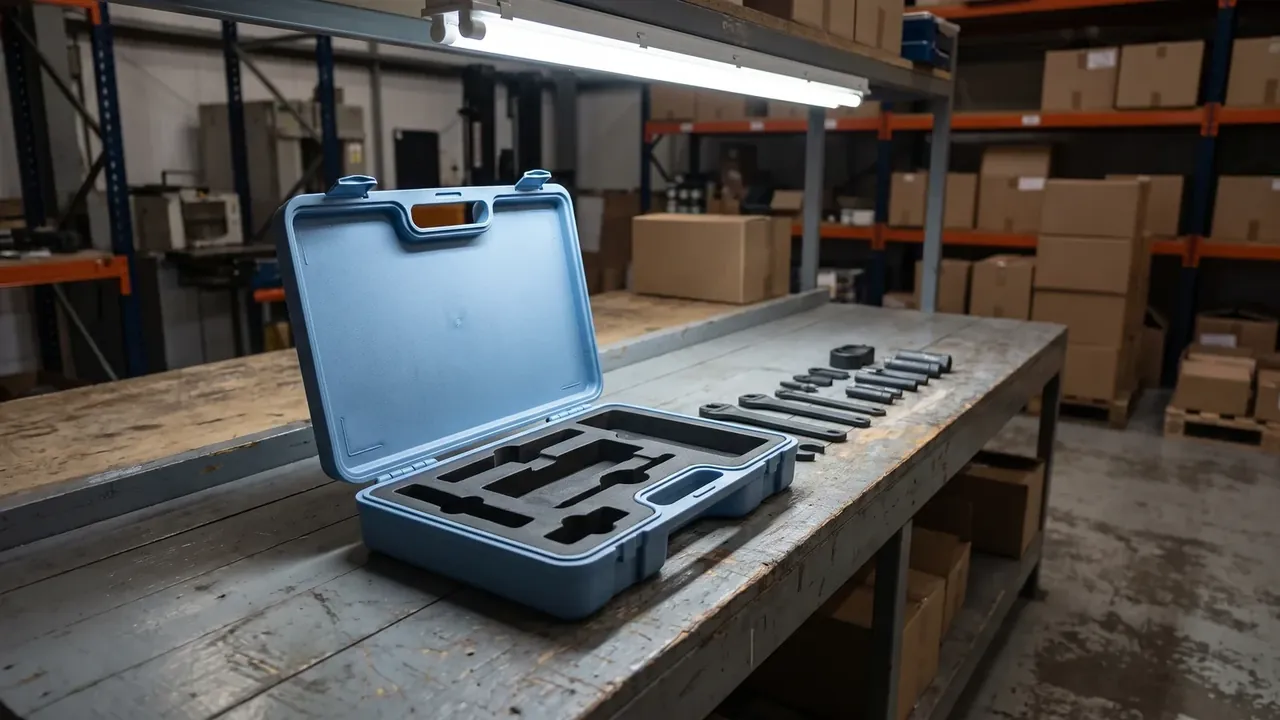
Multiply kilos by lifts: 5.2 kg plus a 6 kg load is 11.2 kg, carried 200 m by one person. Timber with the same load hits 20 kg and needs two people, doubling every handling step.
Aluminium carries 1.3 kg extra in its 1.2 mm extrusions, but weight is not its weakness. Shape is: dent a rim by 0.5 mm and the lid never seats.
3. Sealing and Vibration
Sealing needs a lip gasket, latch preload and a rigid rim. Miss one and the IP number is print. The alternatives fail on the rim, where a firearm transport case uses a formed edge: timber nailed, aluminium folded, totes thin.
Timber has no gasket, so rain enters at the joints and stands 10 mm deep, soaking the insert. A soft bag leaks at the zip; 30 minutes at one metre leaves everything wet.
Vibration is a stiffness pairing. At 1.2 g the moulded wall shifts 0.8 mm while the insert carries the load; the bag shifts 6.5 mm and the fabric takes it. The tote lid walks 2 mm in half an hour.
4. Temperature Range and Service Life
Two numbers matter: softening point and cold embrittlement. The moulded firearm transport case runs minus 40 to 80 Celsius, aluminium minus 50 to 120, timber minus 20 to 60, the bag minus 30 to 70, the tote minus 10 to 60.
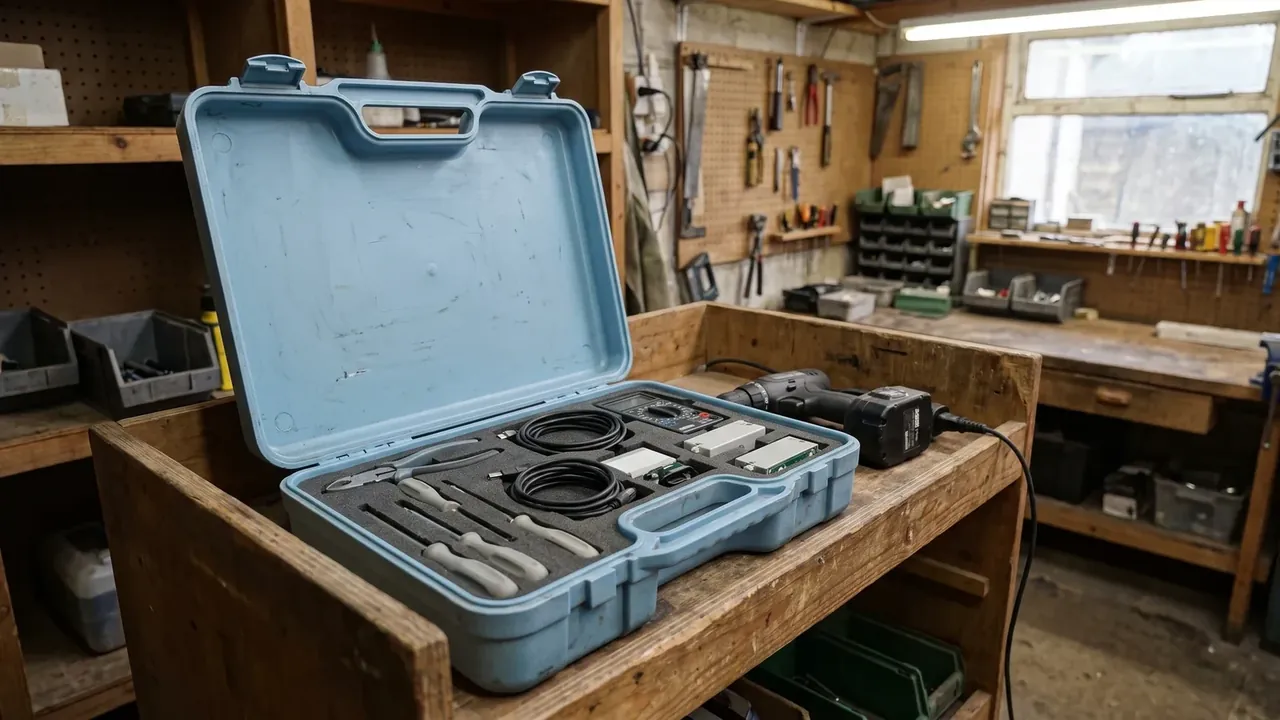
Life runs to the point where latch retention falls to 70 percent: the moulded case reaches eight years, aluminium twelve with a gasket every three, timber three, the bag two, the tote eighteen months.
The cold drop settles it: four hours at minus 20 Celsius, then one metre. The moulded case is unmarked, aluminium dents without opening, timber joints loosen, the tote splits 40 mm at a lid corner.
5. Cost Across Five Years
Unit price spans twenty times, but selection turns on five-year cost and cost per trip, the latter dividing by 300.
| Option | Price, CNY | Replacements | 5-year cost | Per trip |
|---|---|---|---|---|
| Moulded case | 380 | 0.6 | 608 | 2.0 |
| Aluminium case | 900 | 1, plus two gaskets | 1140 | 3.8 |
| Timber crate | 120 | 2 | 360 | 1.2 |
| Soft bag | 90 | 3 | 360 | 1.2 |
| Storage tote | 45 | 4 | 225 | 0.75 |
The tote is cheapest per trip at 0.75, timber and the bag level at 1.2. None of the three protects, so the saving moves onto the contents.
The question is not which is cheapest but which failure is acceptable. For zero incidents take the moulded firearm transport case; for short dry shuttles timber and bags work; for years of stacking, aluminium pays back.
Conclusion
The point is not a ranking but a translation of differences into consequences you can accept. A 1.3 kg weight gap buys shape retention after a knock, a twenty-fold price gap buys certainty. Fill those six lines in for your own route, and the choice between a firearm transport case and its alternatives becomes arithmetic.
This article discusses only the container (case body) side of specifications and design intent, and does not cover any handling, loading or use of the contents.
Related Reading
- Transport compliance and marking rules
- Material choices for protective firearm cases
- PP cases against ABS cases
- Gun cases and their alternatives
Related Products
- 8 Series — Gun Cases; Military Equipment Cases; Camera Equipment Cases; Drone Cases; Watch Cases; Knife Cases; First Aid Cases; Electronics Equipment Cases
- WL8-2812 PP Gun Case — model WL8-2812
- All protective cases and toolboxes: 7 series, 158 models