

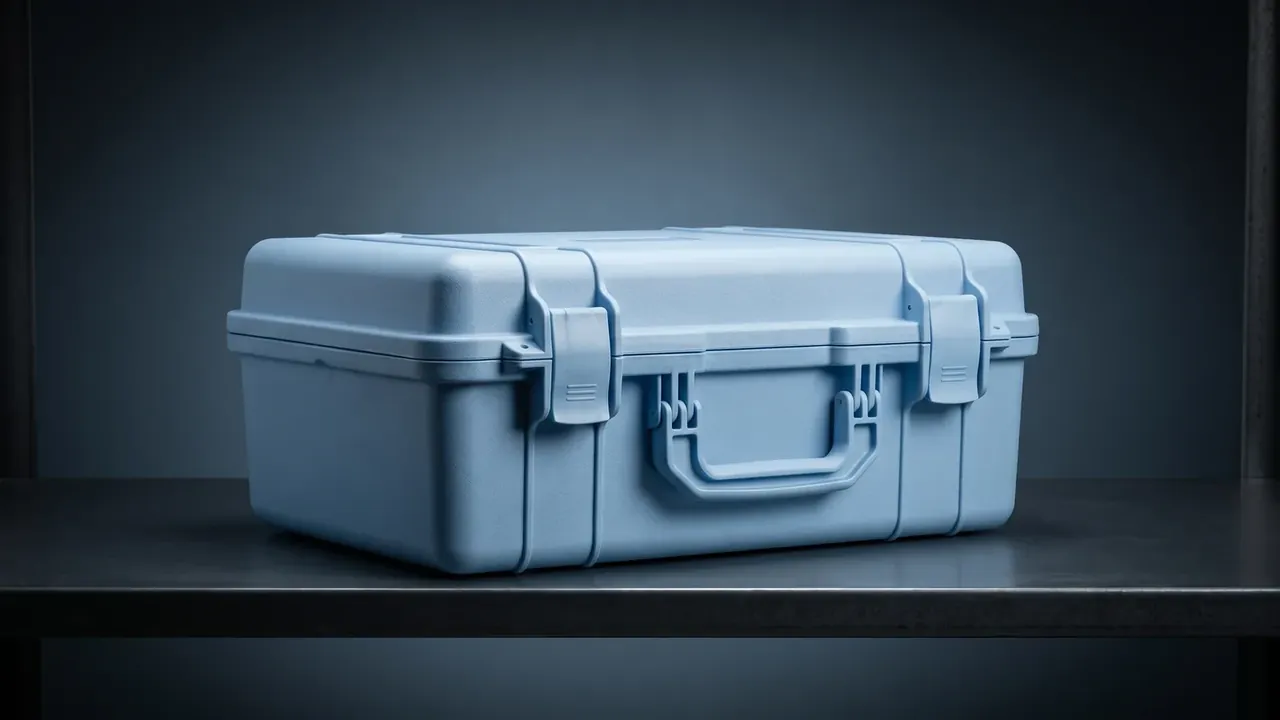
Quick answer: Run a firearm transport case on two clocks. Every trip back to store triggers a short check, every 90 days brings gasket work, every 180 days a verdict. Once compression, retention and wheel diameter are written as replacement lines, retirement stops being an opinion.
Table of contents
- How Often to Inspect a Firearm Transport Case
- Gasket Compression and Rebound Limits
- Latch Loss and Wheel Wear
- Cleaning and Lubrication Limits
- Replacement Lines and Retirement
- FAQ
1. How Often to Inspect a Firearm Transport Case
Two clocks govern the work. The trip clock starts on return: within 24 hours someone works every latch, checks the shell for cracks and the insert for shift. The calendar clock runs at 90 days for gauges and 180 for the verdict.
| Level | Trigger | Time | Main items | Record |
|---|---|---|---|---|
| Return check | After each trip | 8 min | Shell, latches, insert | Trip sheet |
| Quarterly | 90 days, 60 coastal | 25 min | Gasket, handle, wheels | Service card |
| Annual | 180 days | 60 min | Static load, drop sample | Verdict sheet |
Coastal stores cut 90 days to 60, since salt spray corrodes pins at 1.8 times the inland rate. Plateau routes swing past 25 degrees Celsius daily.
2. Gasket Compression and Rebound Limits
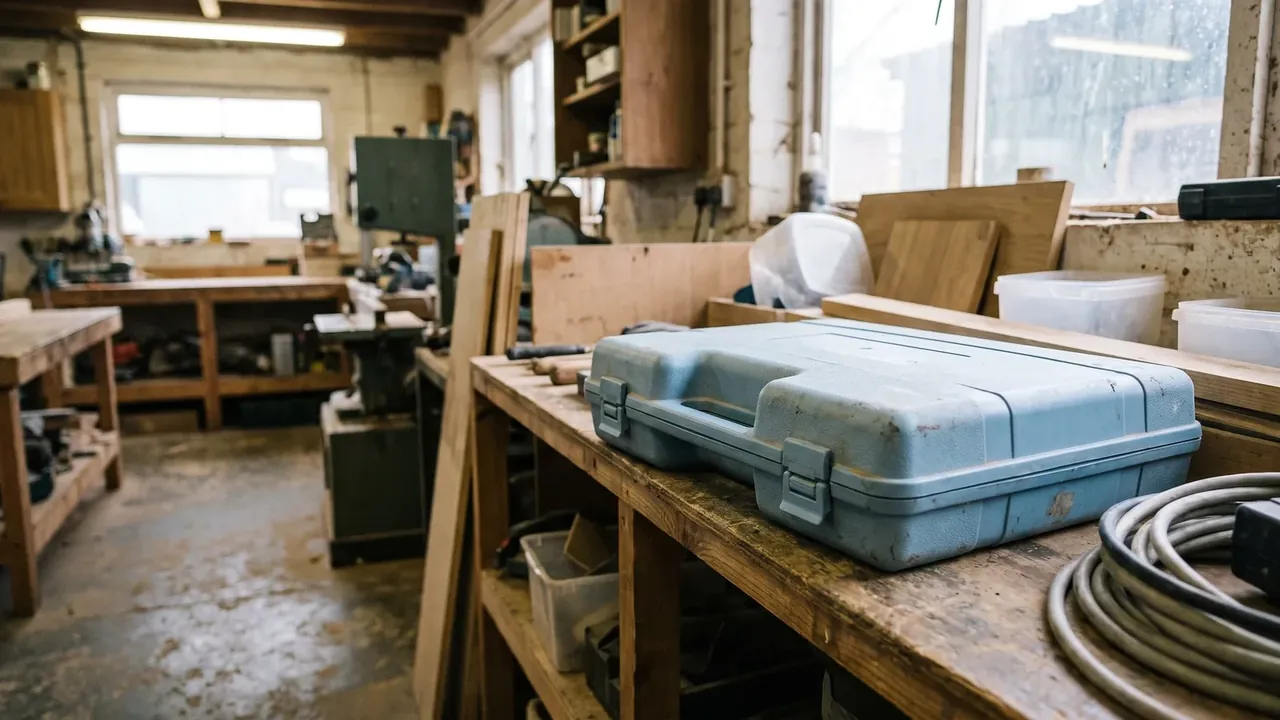
The gasket on a firearm transport case ages first and is the only part one reading can condemn. Measure with a feeler gauge at four lid points, take the lowest: a new case sits near 30 percent, 25 still seals, below 20 does not.
| Compression | Rebound, 30 s | Verdict | Action |
|---|---|---|---|
| 28 to 35 percent | Above 92 percent | Normal | Recheck 90 days |
| 22 to 27 percent | 85 to 91 percent | Watch | Recheck 45 days |
| Below 21 percent | Below 84 percent | Marginal | New gasket |
| Below 18 percent | Below 75 percent | Failed | Withdraw |
Rebound is crude and hard to argue with: squash the gasket to 60 percent of its thickness, wait 30 seconds, measure. Under 85 percent it has hardened. Replace the full loop, jointed at a side midpoint, because a step leaks.
3. Latch Loss and Wheel Wear
Latches rarely break, they loosen. A firearm transport case leaves the mould at 550 to 650 newtons per latch, falling fastest over the first 500 cycles. Read a gauge every 90 days and swap at 25 percent down, near 420 newtons.
Pin clearance matters too: past 0.8 mm the latch pulls at an angle, the reading drifts high, wear looks healthy. Change the pin, then measure.
| Part | Reading | New | Replacement line |
|---|---|---|---|
| Latch | Retention | 550 to 650 N | Below 420 N |
| Latch pin | Clearance | 0.2 to 0.4 mm | Above 0.8 mm |
| Caster | Diameter | 50 mm | Below 45 mm |
| Handle | Crack | None | Above 3 mm |
Wheels fail quietly: 50 mm worn to 45 raises rolling resistance about 30 percent, and past 1.2 mm out of round it wanders, loading the latches sideways. Handle cracks past 3 mm are replaced.
4. Cleaning and Lubrication Limits
Solvents top it. Acetone, xylene and thinner erase a scuff, then dissolve the stressed skin of ABS or PP; the area cracks within three months. High pressure water at the groove lifts the seal and traps water.
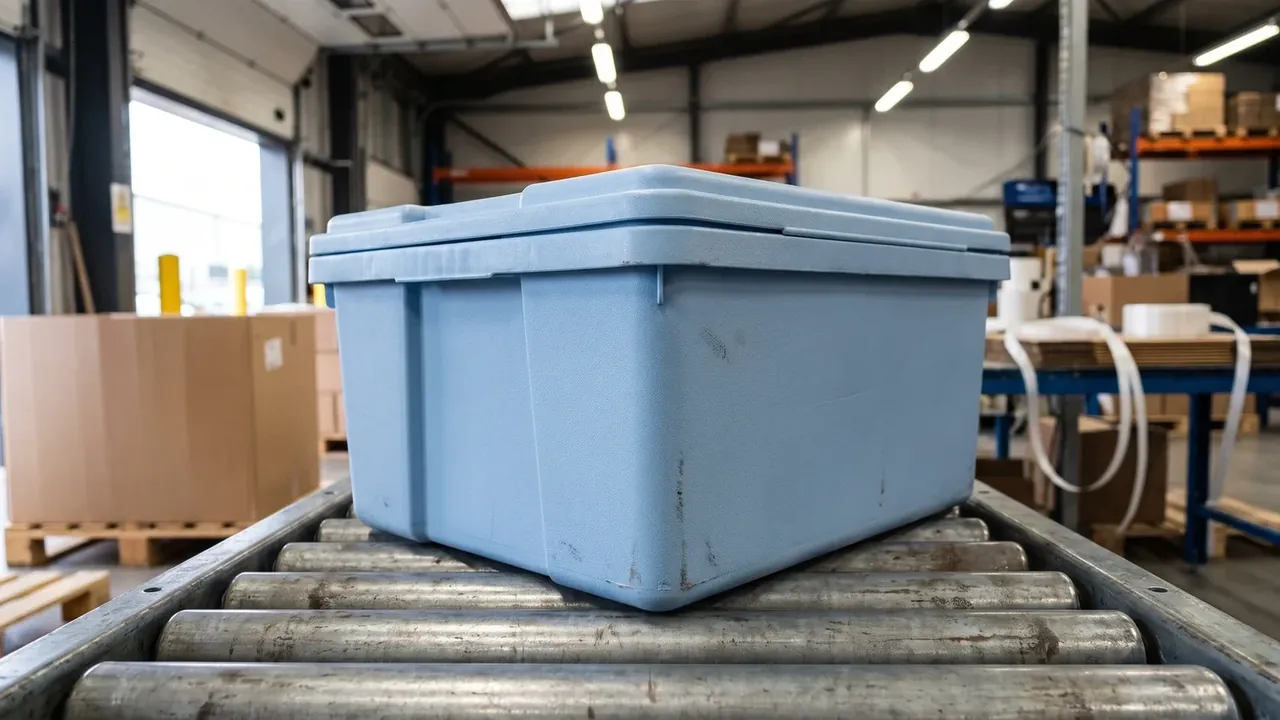
Allowed is narrow: neutral detergent at pH 6 to 8, water under 40 degrees Celsius, a soft brush along the ribs, shade drying. Sun attacks the print before the shell: 300 hours of ultraviolet shifts a pale case a full step. Graphite the lock yearly, grease each hinge pin with a rice grain, keep silicone off the gasket.
5. Replacement Lines and Retirement
On one sheet, the readings leave a firearm transport case three destinations: keep, downgrade, retire. Downgrade means leaving the transport route for in-store work; retire means salvaging hardware only.
| Destination | Trigger | Action | Log entry |
|---|---|---|---|
| Keep | Readings normal | Return to stock | Record readings |
| Watch | One item in the band | Cycle 45 days | Recheck date |
| Downgrade | Seal failed, shell sound | Leave the route | Suffix the number |
| Retire | Through crack, 3 mm set | Withdraw | Close file, 5 years |
Add a repair ceiling: past 40 percent of a new case price, retire. Compare one batch each year: three cases nearing a line is a supplier conversation.
Conclusion
The hard part of upkeep is the verdict, not the work. Intervals take a minute to write, readings ten to log, yet someone must sign retire. With those three lines fixed, firearm transport case maintenance turns into management.
This article discusses only the container (case body) side of specifications and design intent, and does not cover any handling, loading or use of the contents.
Related Reading
- Why loads shift inside a case in transit
- Transport compliance and marking rules for firearm cases
- Wheel and handle upkeep on wheeled protective cases
- Preventing damage during warehouse storage
Related Products
- 8 Series — Gun Cases; Military Equipment Cases; Camera Equipment Cases; Drone Cases; Watch Cases; Knife Cases; First Aid Cases; Electronics Equipment Cases
- WL8-2812 PP Gun Case — model WL8-2812
- All protective cases and toolboxes: 7 series, 158 models