

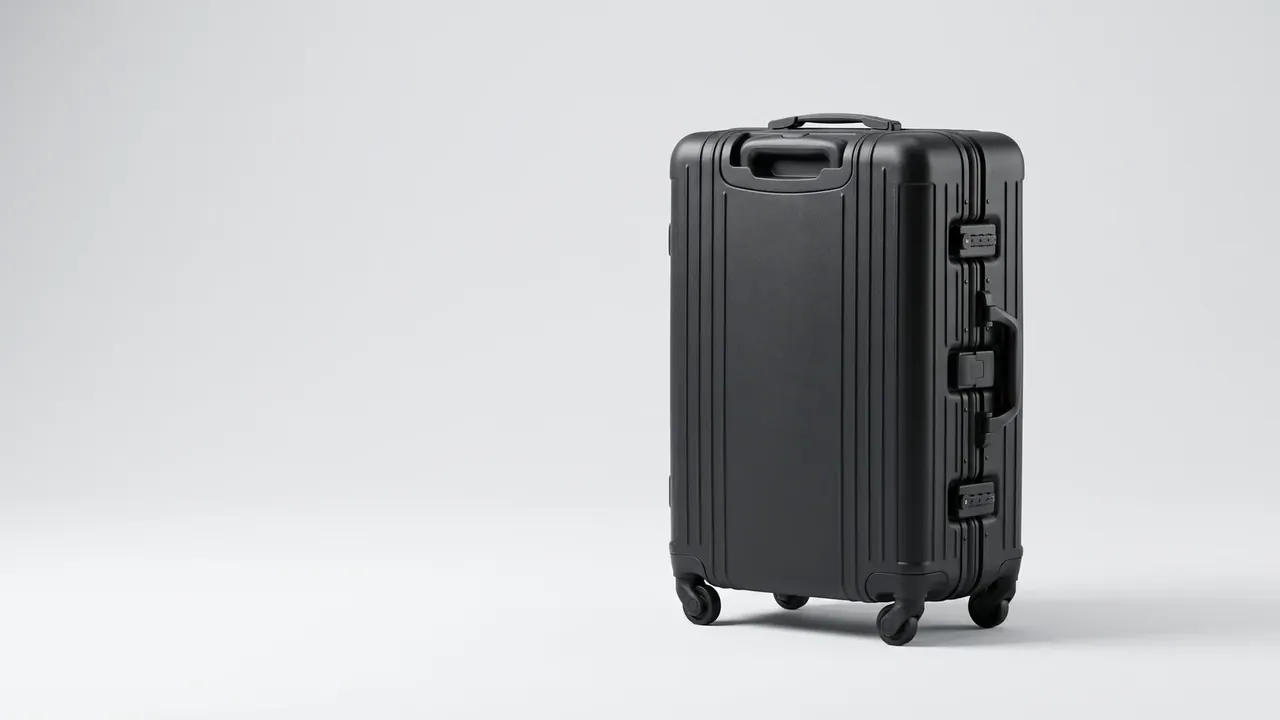
Quick answer: The spread between two first aid kit case quotes usually sits in three places, not in the shell: who owns the tooling, how many units the tool cost is spread over, and how much lead time is being squeezed out. Prepare a loading list, a measured reference case and an annual volume, then ask for a part-by-part quote.
Table of contents
- Three documents to prepare before you ask for a price
- Who pays for the mould on a 300-unit order
- Break the quote into parts and compare line by line
- How 45 days is actually built
- Sampling and the factory visit
- Payment, freight and after-sales in four lines
- FAQ
1. Three documents to prepare before you ask for a price
Ask for "something like the photo" and the number is costed on the cheapest reading; when the sample arrives with a cavity 20 mm short, the tooling change is a fresh negotiation.
| Document | What to record | What it moves in the quote |
|---|---|---|
| Loading list | longest item 320 mm, heaviest 2.4 kg, 7 compartments | cavity layout and how many parts the tool is cut for |
| Reference case | 400×300×150 mm outside, 3.2 mm wall, 3.1 kg complete | whether a cheaper quote really uses less material |
| Annual volume | 2400 units a year, 300 per run, four runs | MOQ tier and the base the tooling is spread over |
Measure the cavity at the rim, the waist and the floor and take the smallest figure, then weigh the case with the insert in and the insert alone.
2. Who pays for the mould on a 300-unit order
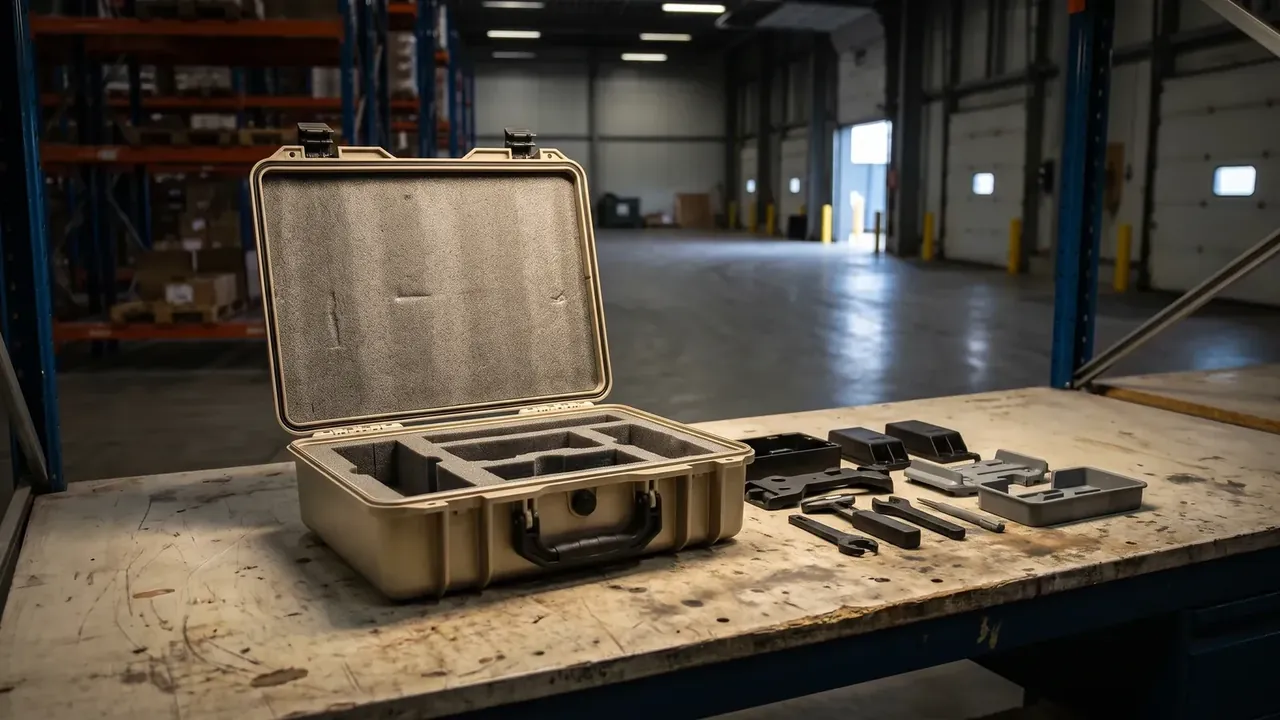
On 300 units the tooling often costs more than the goods. A two-cavity shell tool is quoted around 42000 CNY: 140 CNY a case across 300 units, 7 CNY across 6000. Two prices for one drawing differ because of the base, not the machine.
Ownership is written four ways, and each is a different object in the contract:
- buyer pays, buyer owns, supplier stores it
- buyer pays, supplier owns, buyer gets a discount on the first batches
- supplier pays, buries it in the unit price, charges again on any change
- both pay half, ownership shared and pro-rated if production stops
The first two differ not in money but in whether the tool can leave the building later. Write down where it is stored, who maintains it, who pays for repairs, and the right to collect it within three years of the last order. Three trials are included; from the fourth, 800 CNY a run.
3. Break the quote into parts and compare line by line
Broken into parts, a first aid kit case quote shows its vague areas.
| Quote line | Unit | Usual vague wording | How to check |
|---|---|---|---|
| Shell moulding | per case | priced by shot weight, no grade | name the PP or ABS grade and grams per case |
| Latches | per pair | "stainless steel" | ask for 304 and a 48-hour salt spray record |
| Insert | per set | EVA and EPE used interchangeably | ask for a tested sample at 45 kg/m³ |
| Packaging | per case | "packing included" | five-layer corrugated, four per carton, with dividers |
| Tooling amortisation | per case | "amortised", no base | state the unit base and whether it can be bought out |
The insert hides cost most easily: two materials both called EVA, at 45 and 30 kg/m³, differ by 9 CNY a set and only show it after a long trip. Latches are the second: 304 and 201 differ by about thirty percent, and after 48 hours of salt spray one opens with a thumb while the other has gone stiff. The grade is invisible, so ask for the report and match its batch to the boxes.
4. How 45 days is actually built
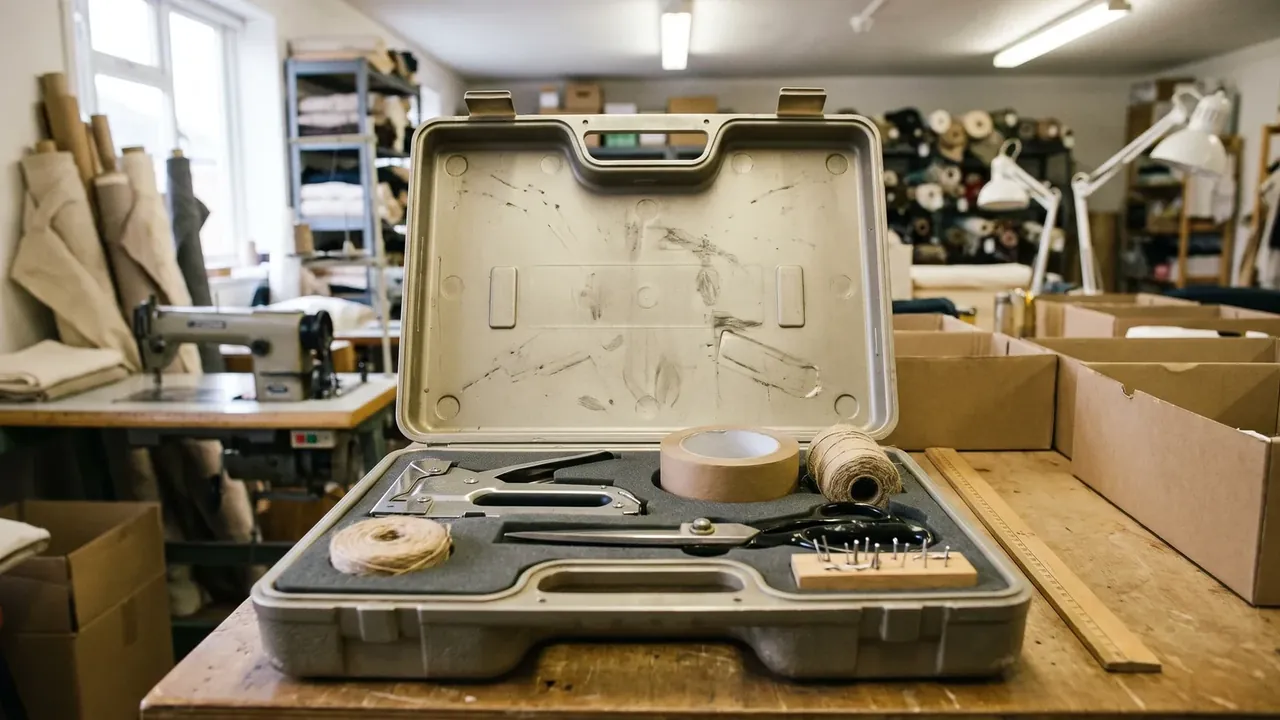
45 days is four stages plus one round of tool modification in reserve.
| Stage | Days | Can it be compressed |
|---|---|---|
| Tool cutting and closing | 18 | to 12 with a 6000 CNY expedite fee |
| Trials and modification | 7 | three included, more changes cost more time |
| Moulding | 15 | 650-tonne press, two cavities, 95-second cycle, about 420 a day |
| Packing and dispatch | 5 | peak-season booking can add two days |
Ask while quoting: is the tool cut in house or subcontracted, which adds three to five days; is the press dedicated or shared, because shared means queueing; do moulding and insert cutting sit on one site; is inspection at the end of the line or in the warehouse, because only the first allows rework on the spot.
Pulling 45 days to 30 usually removes the trial week. Less polishing allowance drops first-off acceptance from nine in ten to seven in ten, so if the date is fixed, ship 100 units for the gap.
5. Sampling and the factory visit
Sample fees and a trip decide whether the next two thousand units match each other.
- Sample fee 1200 CNY, credited against the order, sample out within 7 days
- Three first-off units signed off and kept on file with the batch label
- Press tonnage 650, two cavities, matching the machine named in the quote
- Latches still open one-handed after 5000 cycles
- 20 units each for appearance and fit, judged at AQL 2.5
The third is most often skipped. A quote written for a 650-tonne press, produced on a 380-tonne machine, runs a 140-second cycle instead of 95, shrinks differently, and may need the latch pockets re-cut. The tonnage is on the machine plate; reading it is the cheapest check.
6. Payment, freight and after-sales in four lines
Payment, freight basis, warranty and spare ratio decide what sits outside the unit price. Thirty percent deposit with the balance before dispatch pushes inspection to two days before loading, so a problem found then sails with the shipment. Thirty, sixty against the bill of lading copy and ten after inspection usually costs 1 to 2 percent, and that premium buys room to negotiate after the goods land. Freight needs a basis, with the case converted at 400×300×150 mm, four per carton, where part-load and full-load rates differ by 4 CNY a case. Warranty runs 12 months on latches, hinges and handle, with spares at 2 percent.
Longer credit is not automatically better. The supplier's cash cost returns to the unit price, 60 days working out at roughly 3 percent.
Conclusion
What is negotiated on a first aid kit case order is the amortisation base, the tooling title and the slack in the schedule; the unit price is the result. A 300-unit order still gets a fair price when the enquiry carries numbers, not a photograph.
This article covers container-side specifications and design implications only, not the handling, loading or use of the contents.
Related Reading
- First aid kit case specifications: layers, sealing, marking
- First aid kit case versus a medical case
- Supplier scorecard: putting quotes on one scale
- Factory tour checklist: what to see in one day
Related Products
- 8 Series — Gun Cases; Military Equipment Cases; Camera Equipment Cases; Drone Cases; Watch Cases; Knife Cases; First Aid Cases; Electronics Equipment Cases
- WL8-2812 PP Gun Case — model WL8-2812
- All protective cases and toolboxes: 7 series, 158 models