

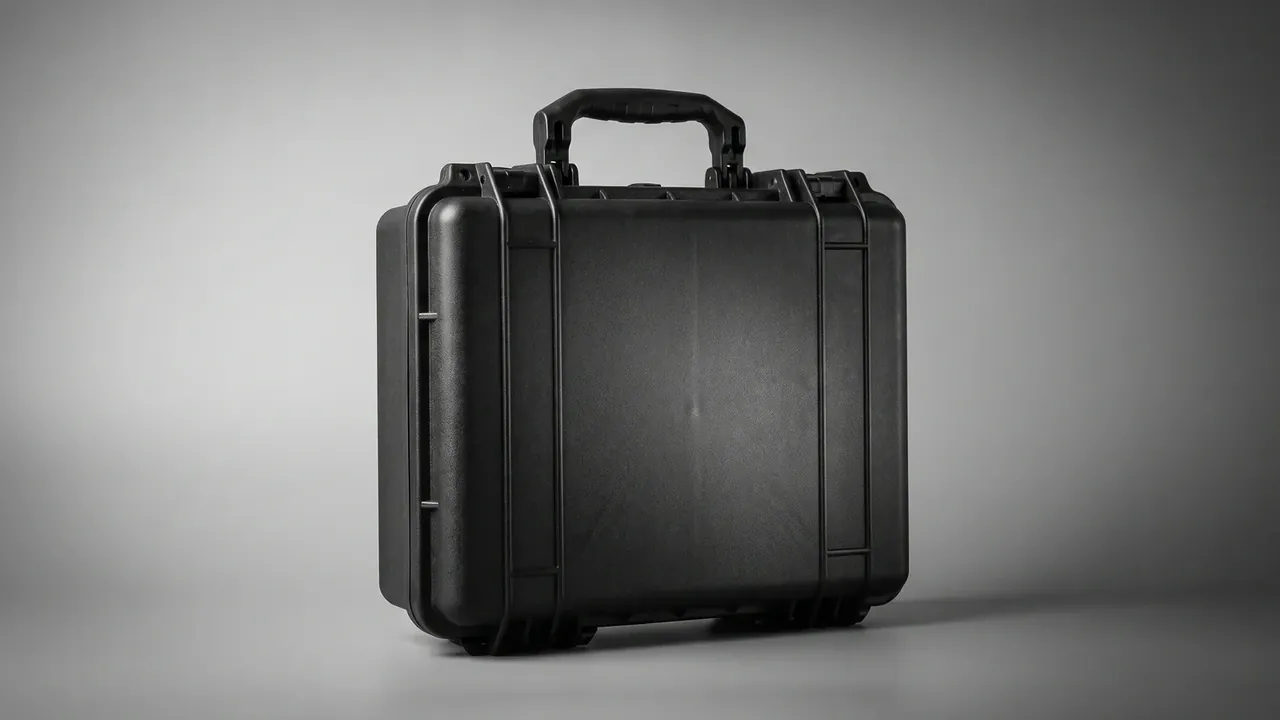
Quick answer: A Foam Insert Installation quotation splits into material, cutting die, labour and packing, and the die sits on its own line because it can be amortised, transferred or not paid at all. Settle die ownership and the quantity tier before comparing unit prices.
Table of contents
- Why Foam Insert Installation Quotes Arrive in Four Lines
- Minimum Order Quantity: Where Tooling Pays Back
- Who Owns the Cutting Die
- Lead Time From Artwork to Delivery
- Payment Terms and Five Quote Traps
- FAQ
1. Why Foam Insert Installation Quotes Arrive in Four Lines
Send one drawing to three suppliers and Foam Insert Installation quotes can differ by a factor of two, and almost none of the gap sits in the foam itself. Material, cutting die, labour and packing each take a line, and whoever folds the die into the unit price is quoting a different product from whoever bills it separately.
Material is priced by volume. At 45 kg/m³, a square metre of 20 mm polyethylene foam weighs about 0.9 kg, so thickness is money. The die is a one-off, quoted from cut length and shape complexity, and any profile with internal radii under R5 roughly doubles it.
Labour and packing are where quotes get vague, because assembly time is charged per piece and bonding adds 8 to 12 yuan each.
| Quote line | Basis | Typical range | Ask about |
|---|---|---|---|
| Material | Sheet volume or finished weight | 12–60 yuan per unit | Density, grade, regrind content |
| Cutting die | One-off, by cut length | 3,000–9,000 yuan | Ownership, life, re-cut charges |
| Labour | Per piece | 6–18 yuan per unit | Bonding and edge trimming included |
| Packing | Per unit or per carton | 1–4 yuan per unit | Bags, dividers, labels |
2. Minimum Order Quantity: Where Tooling Pays Back
With a die at 4,800 yuan and 22 yuan of material and cutting per unit, the quantity decision is arithmetic on how far that die spreads.
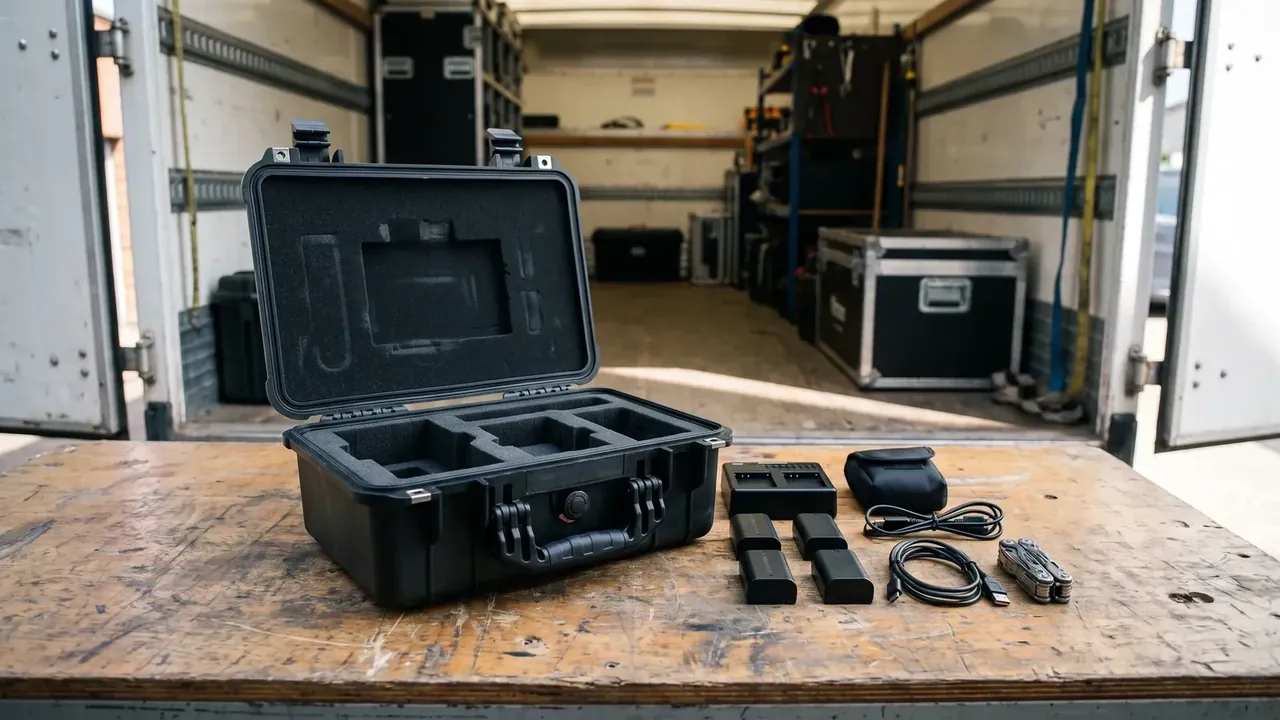
- 100 units: 48 yuan of tooling per unit, 70 yuan landed, viable only for validation.
- 300 units: 16 yuan per unit, 38 yuan landed, the usual balance point.
- 800 units: 6 yuan per unit, 28 yuan landed, and material pricing starts to soften.
Beyond 800 units tooling stops mattering, so the conversation moves to material price and lead time.
One clause belongs in every RFQ: a die is rated for roughly 50,000 strokes, fewer when the profile is dense or the foam thick. On a small order the die is nearly new, and who owns that asset sets the cost of changing suppliers later.
3. Who Owns the Cutting Die
Foam Insert Installation tooling is written into a quote in three ways, each one sentence long, and that sentence sets the bill for the next three years.
| Wording | Who pays | Sampling stage | When you switch suppliers |
|---|---|---|---|
| Supplier-owned | Baked into unit price | Samples supplied free | Die stays, new supplier re-cuts |
| Customer buy-out | Customer pays alone | Customer gets samples and die photos | Die ships out at customer cost |
| Shared ownership | Split 50/50 | Needs a side agreement | Valued or bought out per agreement |
Buy-out looks expensive and is the simplest. Paying 4,800 yuan once means the die can move with the order, and the next plant only has to set up, saving a second tooling charge and two weeks.
Shared ownership is where disputes live. Without a valuation clause, the die sits in someone else's warehouse at the end of the relationship.
4. Lead Time From Artwork to Delivery
Lead time should be quoted as a chain, not a single number: 5 working days from drawing release to first article shipped, then 18 working days to volume delivery, made up of 7 days for material, 8 days for cutting and bonding, and 3 days for inspection and packing.
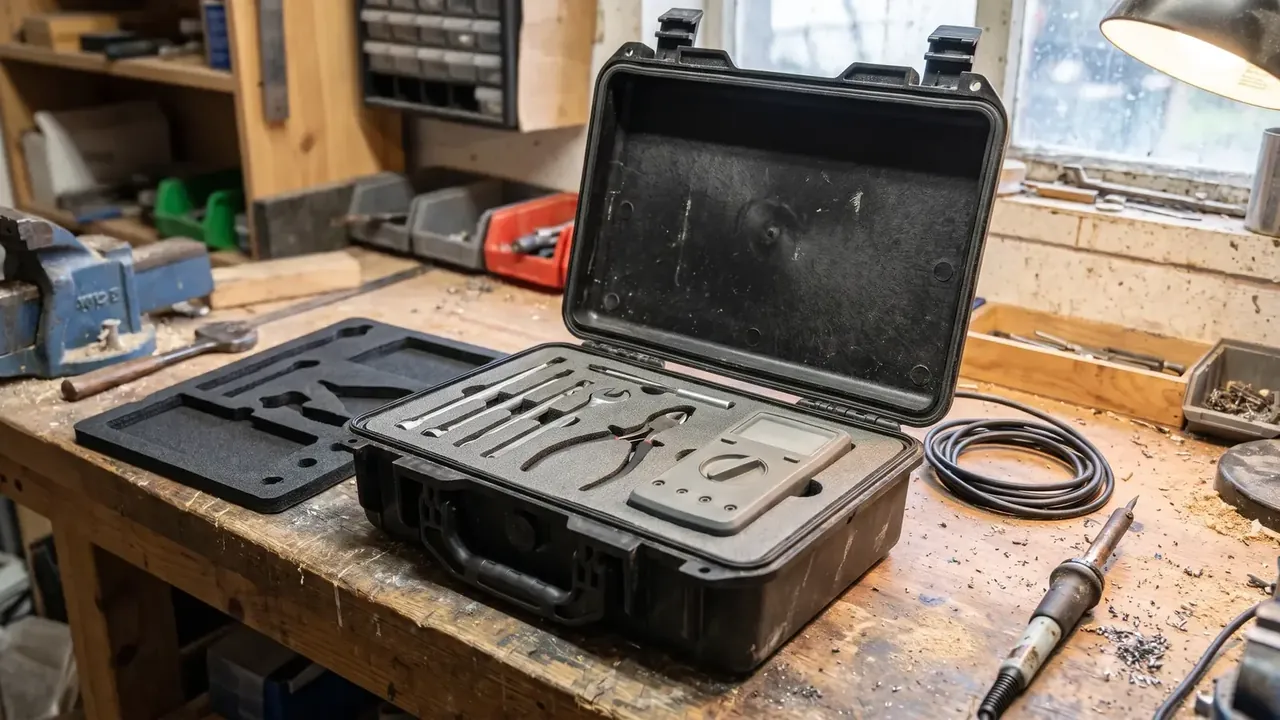
First-article approval is the step that slips. The sample takes 2 days in transit, internal trials take a few more, and half a month disappears. Put an approval window in the contract, for example a written reply within 3 working days or the sample is deemed approved.
Rush orders are possible when the die exists and material is in stock, at 5 days for cutting and bonding, usually with a 10% expedite fee.
5. Payment Terms and Five Quote Traps
Terms are part of the price. A 30-day term typically carries 2% to 3% over cash price, and a 60-day demand either adds a premium or quietly downgrades the material.
The traps cluster in five places:
- The unit price excludes tooling, disclosed only after signing.
- The quote says 20 mm and ships 15 mm to make up the difference.
- Density is stated as 45 kg/m³ while incoming goods measure 30 kg/m³.
- No validity period, so a material increase is passed through.
- Packing, sampling and freight are billed separately, lifting the landed cost.
The fix is a quote template: measured density and thickness, die ownership and cost, a 15-day validity, and a tax-and-freight-inclusive landed price.
Conclusion
Foam Insert Installation purchasing starts with aligning definitions, not prices: material by density and thickness, tooling by ownership, labour by whether bonding is included, lead time by milestone. Once the four lines are apart, the numbers compare and terms become negotiable. Write die ownership, quote validity and landed price into the contract, and most of the argument leaves Foam Insert Installation procurement for good.
This article discusses only the container (case body) side of specifications and design intent, and does not cover any handling, loading or use of the contents.
Related Reading
- How the Foam Insert Installation sequence works
- Foam Insert Installation across different scenarios
- Custom foam insert dimensions and tolerances
- Scoring a case supplier on a scorecard
Related Products
- 8 Series — Gun Cases; Military Equipment Cases; Camera Equipment Cases; Drone Cases; Watch Cases; Knife Cases; First Aid Cases; Electronics Equipment Cases
- WL8-2812 PP Gun Case — model WL8-2812
- All protective cases and toolboxes: 7 series, 158 models