

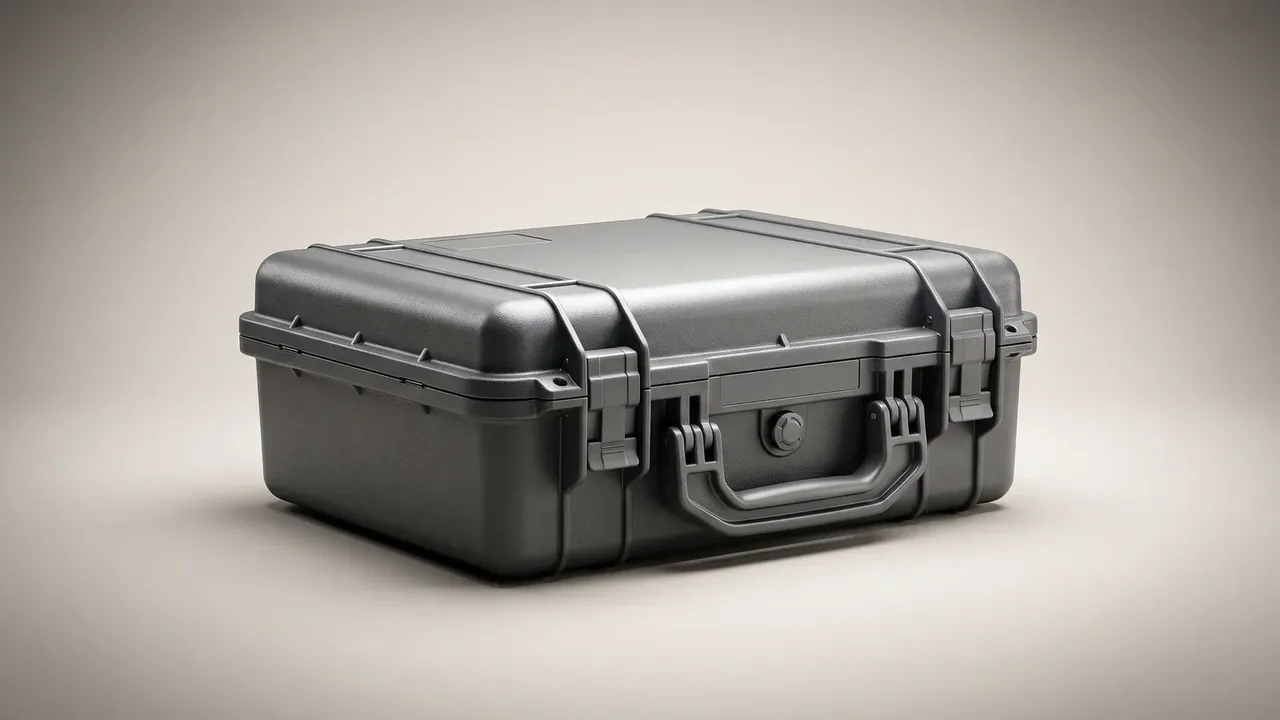
Quick answer: Four measurements settle foam inventory management in one afternoon: weigh a stack, walk one pick, read one label, ask one lead time. What survives all four is worth trusting.
Table of contents
- Weigh one stack: how far the ledger sits from the floor
- Walk one pick: distance, steps and bends
- Read one label: does the date match the batch
- Ask one lead time: MOQ, pack size and refill days
- FAQ
1. Weigh one stack: how far the ledger sits from the floor
Foam inventory management starts by skipping the reports: pull three stacks and weigh them. A 40 mm sheet stacks 26 layers, two to a layer, 52 sheets booked at 269 kg; the scale reads 264 kg, which is 5 kg light, about one sheet missing.
Under 1.5%, about 4 kg here, is a pass. Between 1.5% and 3%, check the paperwork, since broken stacks go unscanned. Past 3% the ledger is not credible and the store needs a full count. Caliper five sheets and a nominal 40 mm reads 38.2 mm, thin enough for a part to shift inside its pocket.
| Test | How to measure on the floor | Pass line | What failure means |
|---|---|---|---|
| Stack weight | Weigh 3 random stacks against the ledger | Within 1.5% | Moisture pickup or short shipment |
| Sheet thickness | Caliper 5 sheets at four corners | Nominal minus 1 mm | Material compressed or overstated |
| Rebound | Compress 25%, hold 24 hours | Above 90% | Batch is past its usable band |
| Location code | Read it from 3 m away | Legible at 3 m | Picking depends on memory |
Rebound separates batches fastest. New 38 kg/m³ stock returns to 94% after a 25% compression held 24 hours; stock sitting 20 months returns to 87%. With both numbers on the table, foam inventory management needs no meeting to decide.
2. Walk one pick: distance, steps and bends
Picking distance is the cost foam inventory management forgets: it never reaches a ledger, only someone's legs. Under 25 steps from the aisle mouth, about 18 m, is comfortable; past 40 steps, 30 picks a shift add 900 m.
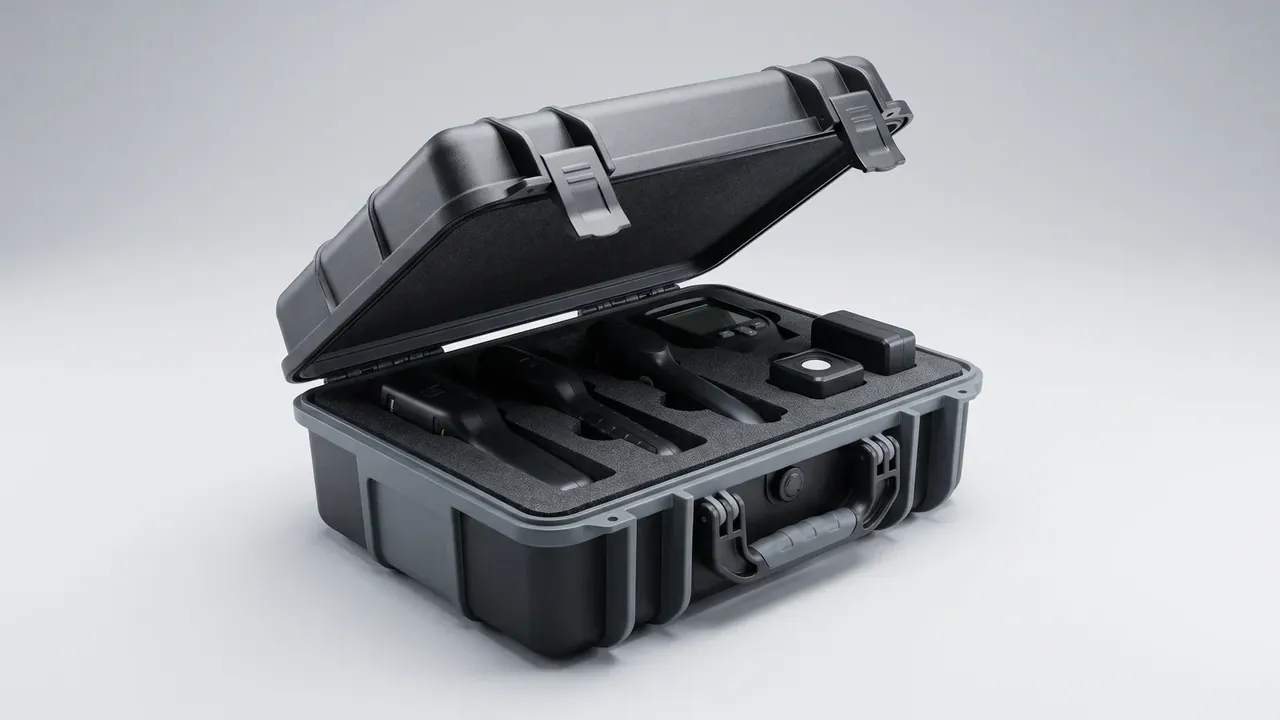
Foam inventory management is best judged by timing a stranger: five picks from one list. Three minutes on the first is normal; two minutes on the fifth means labels or layout are failing. More than two bends per pick puts fast movers below 0.6 m or above 1.5 m, so keep them between 0.6 m and 1.2 m and stacks over 20 kg off the third level.
One aisle, one direction, the cheapest rule in foam inventory management, because a return path is two batches sharing a mouth.
3. Read one label: does the date match the batch
In foam inventory management the label is the only contract between ledger and rack. Sample 20 pallets: 18 must match the system on arrival date, and two misses mean back-filling has become habit. Three pallets without an edge label mean three broken batch trails.
Age structure tells foam inventory management more than any single date. Count locations in 90-day bands and keep the share past 180 days under 15%, or that stock sits near 88% rebound.
| Check | What to look at | Pass line | Action past it |
|---|---|---|---|
| Arrival date | Label against system, one by one | 18 of 20 match | Relabel, trace to the shift |
| Edge label | Turn the sheet after unstacking | Every sheet carries one | Reprint, move the label |
| Age structure | Count locations in 90-day bands | Under 15% past 180 days | Stop replenishing, buy to order |
| Label condition | Wipe by hand once | 90% intact | Change face stock or height |
At 900 mm a label scans standing; below 300 mm the fork lift shears half of them off, and that 600 mm gap costs 200 reprints a month.
4. Ask one lead time: MOQ, pack size and refill days
Buying terms in foam inventory management come down to three questions: minimum order, pack size, lead time. An MOQ of 200 sheets against 60 a month parks 3.3 months of cash on the floor.
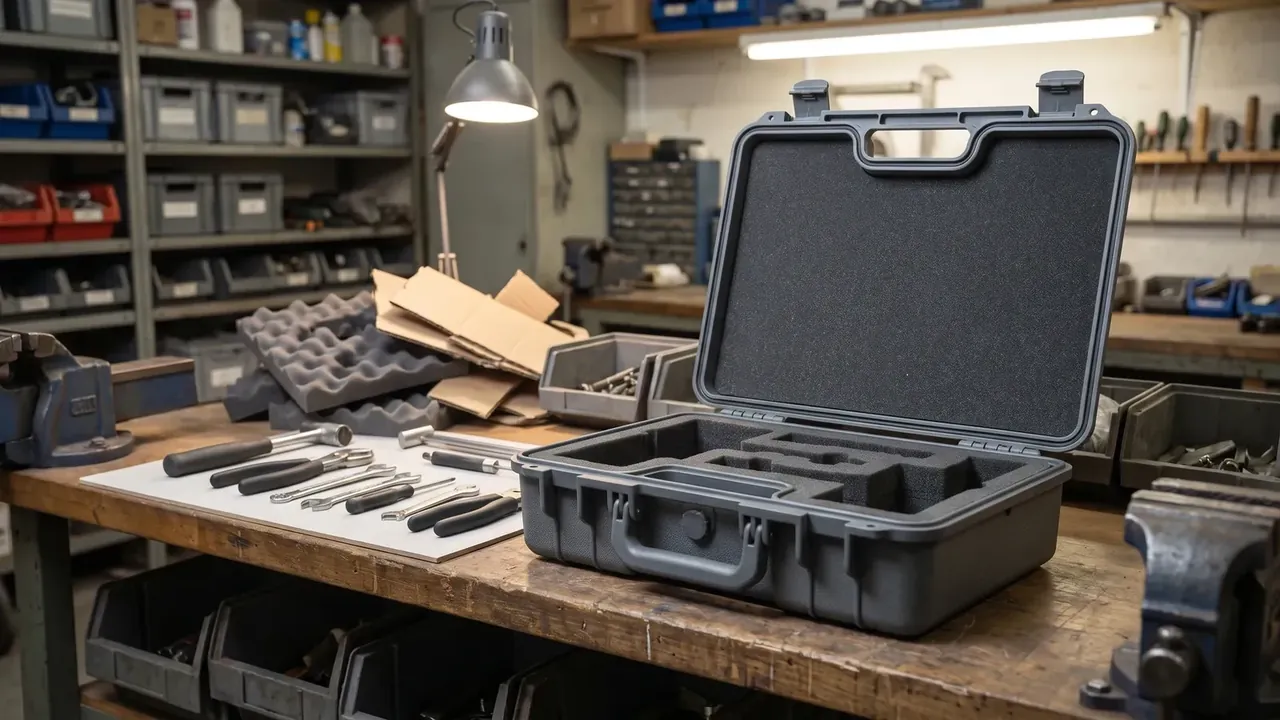
Twenty sheets a pack at 4% more beats 200 a pack at 4% less, because the first turns in three months; foam is bulky, so what you spend is pallet space.
Foam inventory management lives on refill days: 7 days dispatch plus 3 days transit and inspection gives 10 days, so safety stock is 10 days of use plus a 20% swing. A 30-day item needs triple that. Ask too whether the supplier ships by density band: mixing 38 and 45 kg/m³ on one truck costs two hours of dock sorting a week, so banded and batch-labelled supply earns 3% on price.
Conclusion
Four moves settle it on site: weigh a stack, walk a pick, read a label, ask a lead time. Weight shows the ledger, walking the layout, labels traceability, lead time the cash. Foam inventory management that resists measurement is usually paperwork made neat.
This article discusses only the container (case body) side of specifications and design intent, and does not cover any handling, loading or use of the contents.
Related Reading
- Choosing a cut method by pocket shape
- Comparing lined cases in the right order
- Matching criteria for die-cut inserts
- What to check after an insert goes in
Related Products
- 8 Series — Gun Cases; Military Equipment Cases; Camera Equipment Cases; Drone Cases; Watch Cases; Knife Cases; First Aid Cases; Electronics Equipment Cases
- WL8-2812 PP Gun Case — model WL8-2812
- All protective cases and toolboxes: 7 series, 158 models