

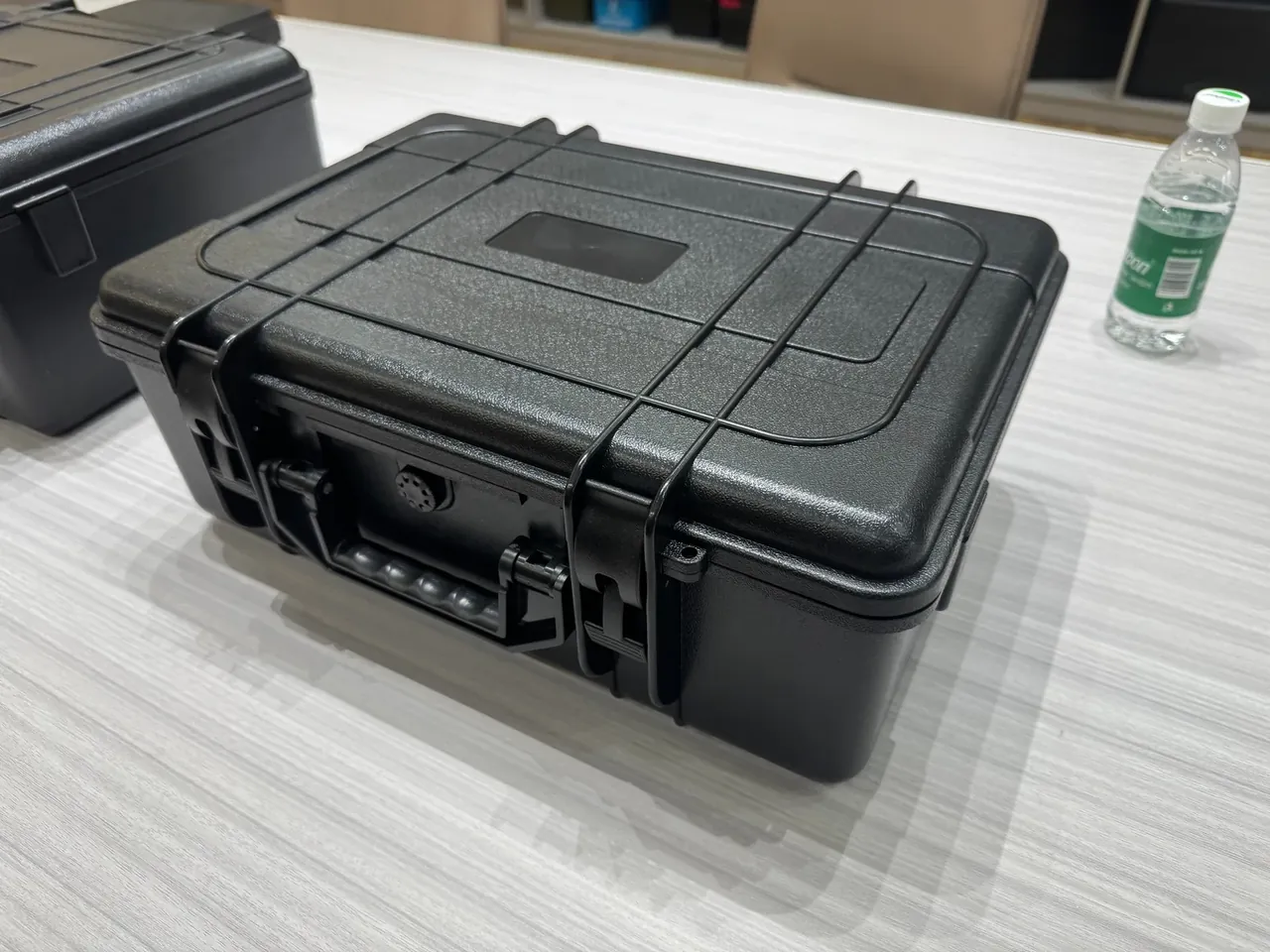
Quick answer: How to Choose Military Case Dimensions: after 12 cycles from -20 C to 50 C, the 634 mm diagonal must drift under 0.48 mm and lid fit under 0.30 mm.
Table of contents
- How to Choose Military Case Dimensions: the cavity diagonal baseline
- Wall thickness bands
- Diagonal drift after twelve temperature cycles
- Lid fit deviation on recheck
- Wall thickness value for the selection batch
- FAQ
1. How to Choose Military Case Dimensions: the cavity diagonal baseline
Twelve swings between cold and heat settle one question: is the cavity diagonal still true, and does the lid still meet the rim? How to Choose Military Case Dimensions starts by fixing the diagonal of a 535×340×160 mm cavity at 634 mm, with outer size 600×400×220 mm and a 4.5 mm wall merely bounding that line. With 634 mm written on the first line of the inspection card, How to Choose Military Case Dimensions shares one reference through every later step instead of each reading going its own way.
With the baseline set, the wall is cut into thin, baseline and thick trial bands, all three compared against the same 634 mm.
| Wall thickness band | Cavity diagonal | Drawing destination |
|---|---|---|
| Thin band | 634 mm | reassigned to short-haul turnover |
| 4.5 mm baseline band | 634 mm | onto the temperature rig |
| Thick band | 634 mm | kept as a heavy-wall option |
2. Wall thickness bands
How to Choose Military Case Dimensions fixes the baseline wall at 4.5 mm: a thinner band lets cycling push the cavity diagonal out of true more easily, while a thicker one lifts the empty shell beyond 5.8 kg, so the trade is settled by drift rather than by heft. With 20% compression across two seal rings, the lid retains a rebound reserve that is verified by the IP66 method; no certificate is claimed here. Four latches at 390 N each spread the clamping force along the rim, keeping a local cock from skewing the diagonal reading. Loaded 14.5 kg and 4400 open-close cycles bracket the rig weights and the durability run, and every deformation is charged to shell, lid and latch.
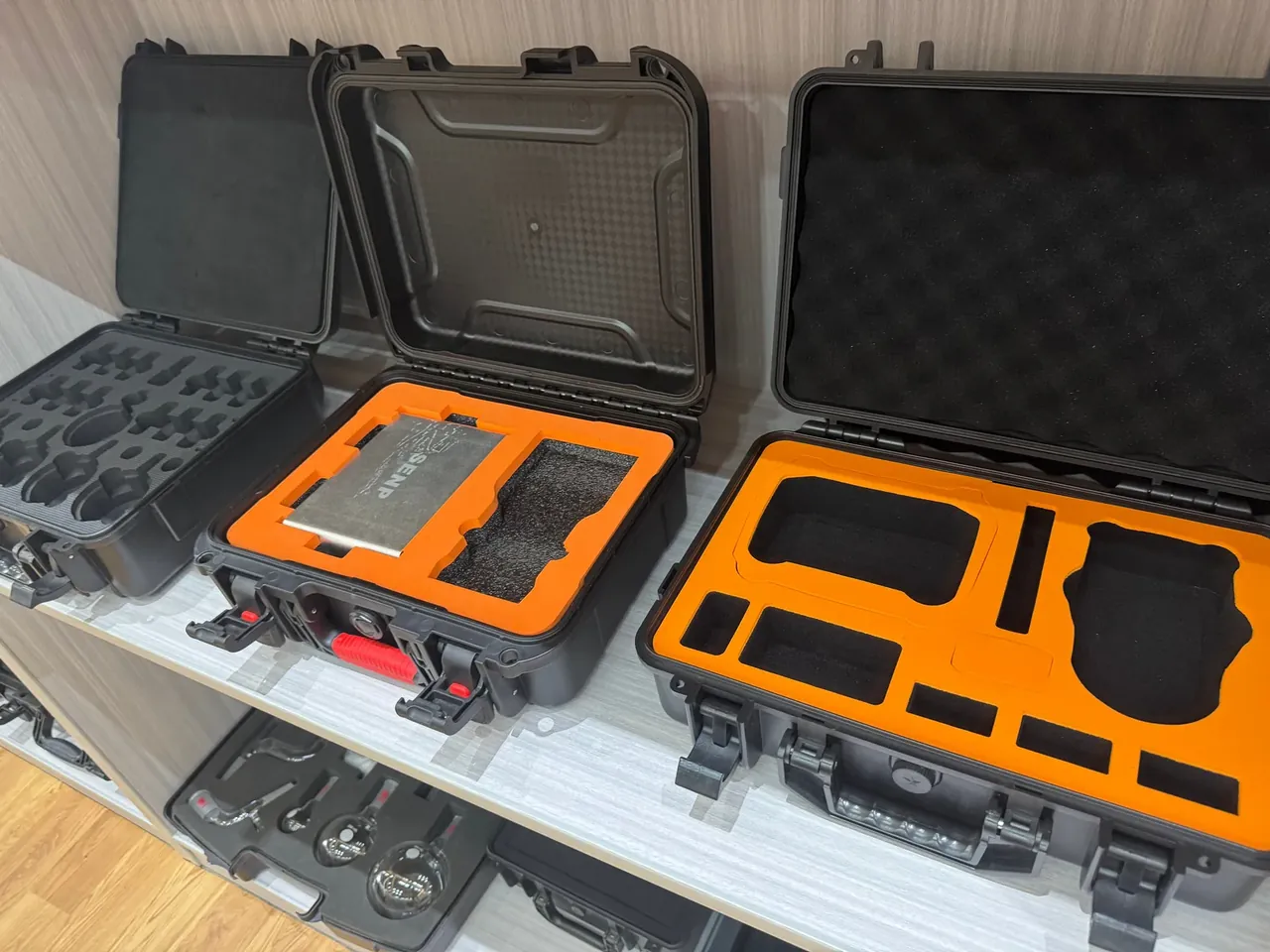
How to Choose Military Case Dimensions cares only about cavity repeatability at this stage, and no visual judgment enters the log.
3. Diagonal drift after twelve temperature cycles
One swing from -20 C to 50 C counts as a round, and How to Choose Military Case Dimensions watches how far the 634 mm line has moved once each round returns to room temperature, holding dimensional drift to 0.48 mm or less and diagonal deviation to 0.30 mm or less at once. The rig measures only relative displacement between the two cavity diagonals; the temperature path and dwell come from the drawing, and how the inside is partitioned is irrelevant here.
Each cell below faces the same -20 C to 50 C span, with no temperature setting changed midway.
| Temperature round | Temperature span | Diagonal drift |
|---|---|---|
| First round | -20 C to 50 C | zero baseline |
| Twelfth round | -20 C to 50 C | <=0.48 mm |
| Recheck round | back to room temperature | lid fit deviation <=0.30 mm |
4. Lid fit deviation on recheck
After settling at room temperature, How to Choose Military Case Dimensions measures the lid mouth on its own; a fit deviation no greater than 0.30 mm is what earns a band a place. Drift and lid fit are booked in different columns here: the first tracks the cavity corner to corner, the second the bite between mouth and lid, and a pass in one column never stands in for the other.
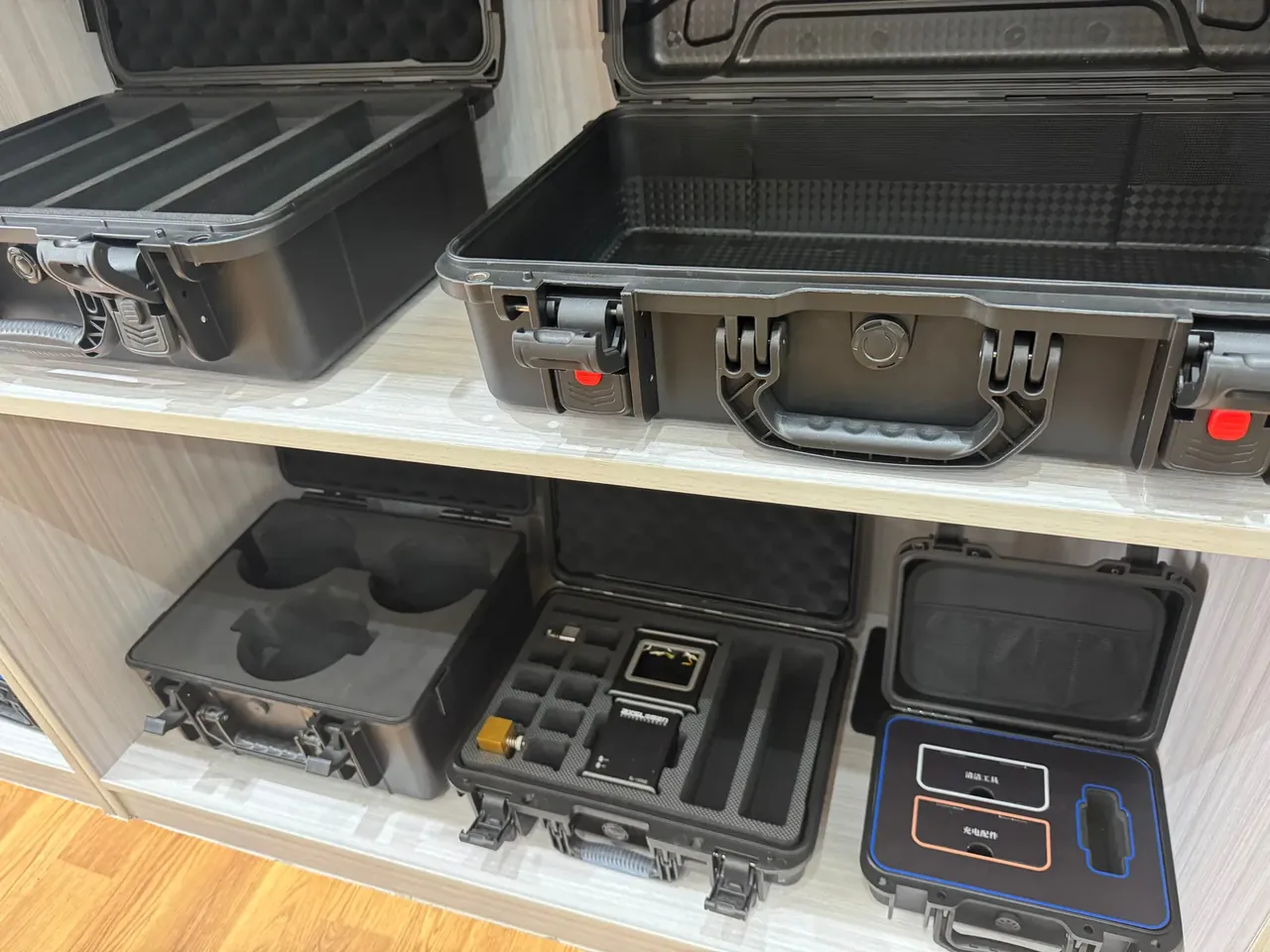
Lay the three drift bands side by side and the choice writes itself. How to Choose Military Case Dimensions draws a hard boundary here: the band a reading falls against dictates whether it stays or goes short-haul.
| Drift reading | Where measured | Selection verdict |
|---|---|---|
| Within 0.48 mm | both cavity diagonals | 4.5 mm wall can be fixed |
| Touching 0.48 mm | both cavity diagonals | more cycling data needed |
| Beyond 0.48 mm | both cavity diagonals | this wall band goes short-haul |
5. Wall thickness value for the selection batch
The reject line accepts one wording only: the wall thickness value is the thinnest band whose twelfth-round diagonal drift stays under 0.48 mm, and any thinner shell is reassigned to short-haul turnover. How to Choose Military Case Dimensions is written to that sentence; the 4.5 mm baseline band makes the list only when the twelfth-round cell and the lid recheck cell both stand.
Once the value is on the drawing, the 535×340×160 mm cavity, the 634 mm diagonal, lid fit, two seal rings at 20% compression and 390 N latches form a single tolerance revision; every later batch is measured against that one sheet instead of being re-banded. From here How to Choose Military Case Dimensions is a matter of holding cavity and lid tolerances, with the inside layout outside its scope.
Conclusion
How to Choose Military Case Dimensions only lands once the 634 mm diagonal, 4.5 mm wall and two rechecks are pressed onto one inspection card. JUNZHIJIA lets diagonal drift and lid fit deviation clear their own lines before a pen touches the drawing. How much wall to leave is decided, in the end, by that diagonal after cycling, with the tolerance drawn around cavity and lid alone.
Related Reading
- Custom Internal Partition Plastic Box Specs: Size, Wall and Load
- How to Choose the Right Tool Box Size: A Five-Step Method, Capacity Formula, and Size Charts
- 11 Yuan More per Cell: Case Internal Divider Specs
- Custom Size Plastic Case: Start From the Cavity, Not the Outline
Related Products
- 8 Series — Gun Cases; Military Equipment Cases; Camera Equipment Cases; Drone Cases; Watch Cases; Knife Cases; First Aid Cases; Electronics Equipment Cases
- WL8-2812 PP Gun Case — model WL8-2812
- All protective cases and toolboxes: 7 series, 158 models