

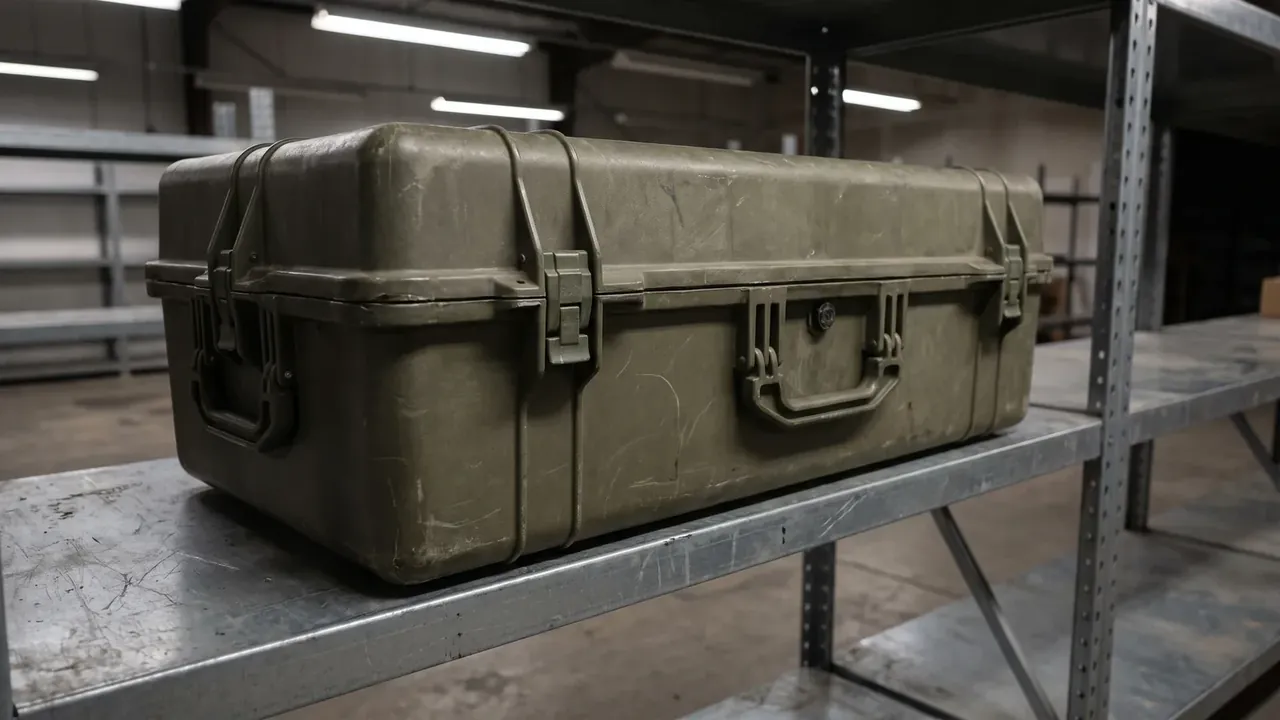
Quick answer: Case IQC AQL 0.65 and 1.0 use the same 125-piece sample on 1,200 cases, accepting 1 or 2 defects, a one-piece gap worth 7 lots a year.
Table of contents
- Two levels on one sample
- Why 1,200 cases means code K
- What one unit of acceptance means
- Zero tolerance for critical defects
- 480 CNY against 320 CNY a lot
- FAQ
1. Two levels on one sample
The same 1,200-case lot, the same 125-piece sample, the same callipers, latch pulls and air test: the verdict line differs by a single unit. At 0.65 the lot passes with 1 defective and fails at 2; at 1.0 it passes with 2 and fails at 3. One unit, 7 lots of difference across a year.
The sampling plan is identical. Both levels pull the same code letter from the same lot size and inspection level, so the sample stays at 125 pieces; only the acceptance and rejection numbers move.
AQL is a ceiling on the process average, not permission to ship 0.65% or 1.0% defects. Read it the other way and the purchase contract ends up with the wrong sentence, which the supplier will quote back during a dispute.
Choosing a level is a decision about where risk sits. Stricter blocks more at the gate, looser keeps the line fed, and neither removes sampling risk, because a 125-piece result covers this lot of 1,200 and nothing else.
2. Why 1,200 cases means code K
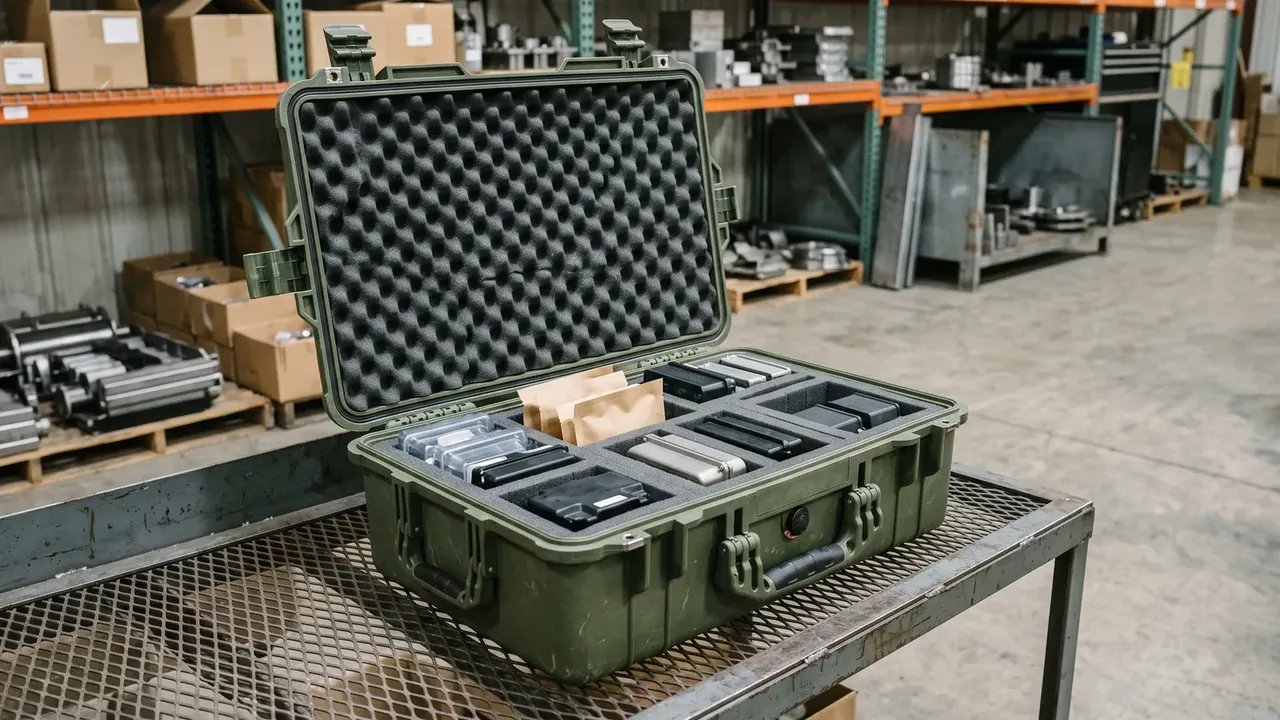
By the rounding rule in the acceptance annex, 1,200 cases round up into the 1,201–3,200 band, which gives code letter K and a sample of 125 pieces. That is 10.4% of the lot, and the percentage sets the inspection hours.
| Lot size | Code | Sample | 0.65 Ac/Re | 1.0 Ac/Re |
|---|---|---|---|---|
| 281–500 | H | 50 | 0/1 | 1/2 |
| 501–1,200 | J | 80 | 1/2 | 2/3 |
| 1,201–3,200 | K | 125 | 1/2 | 2/3 |
| 3,201–10,000 | L | 200 | 3/4 | 5/6 |
Draw the sample in layers. A 1,200-case lot usually fills 15 pallets of 80, so take 8 from each for 120 pieces and add 5 from the last pallet. Pulling everything from the top two pallets hands the verdict to whatever those two pallets were moulded like.
The sampling sheet needs three fields: lot size, code letter and draw positions. Without the third, a second inspector re-draws differently and the same lot can produce two different verdicts.
3. What one unit of acceptance means
At 0.65 the rule reads 1 accept, 2 reject; at 1.0 it reads 2 accept, 3 reject. Put 2 defectives in the sample and one level rejects the lot while the other releases it, which is the whole of the one-unit gap.
Binomial arithmetic shows the size of it. With a true defect rate of 1.5%, a 125-piece sample contains 2 or more defectives about 56% of the time, while 3 or more, the 1.0 trigger, arrives about 29% of the time. The same bad lot is roughly twice as likely to be rejected.
| Level | Sample | Ac | Re | Rejection chance at 1.5% defects |
|---|---|---|---|---|
| 0.65 | 125 | 1 | 2 | 56% |
| 1.0 | 125 | 2 | 3 | 29% |
The gap is invisible per lot and visible per year. At 12 lots a month, 144 a year, 0.65 rejects 2 and 1.0 rejects 9, the 7-lot difference from the opening paragraph.
Disposition after a rejection needs its own wording. Return the lot at 6,800 CNY a time, screen 100% at 1.2 CNY a case, which is 1,440 CNY on 1,200 cases, or accept under concession with written buyer approval and a 15% deduction.
Nor does 0.65 catch everything. A 125-piece sample covers 10.4% of the lot, so a lot with a true 0.8% defect rate still passes more than 60% of the time. Case IQC AQL screens shifted lots; it does not certify a stable process.
4. Zero tolerance for critical defects
Both levels discuss major defects. Critical defects come out first and run on Ac 0, Re 1: one piece in the sample rejects the lot, whatever the AQL level says.
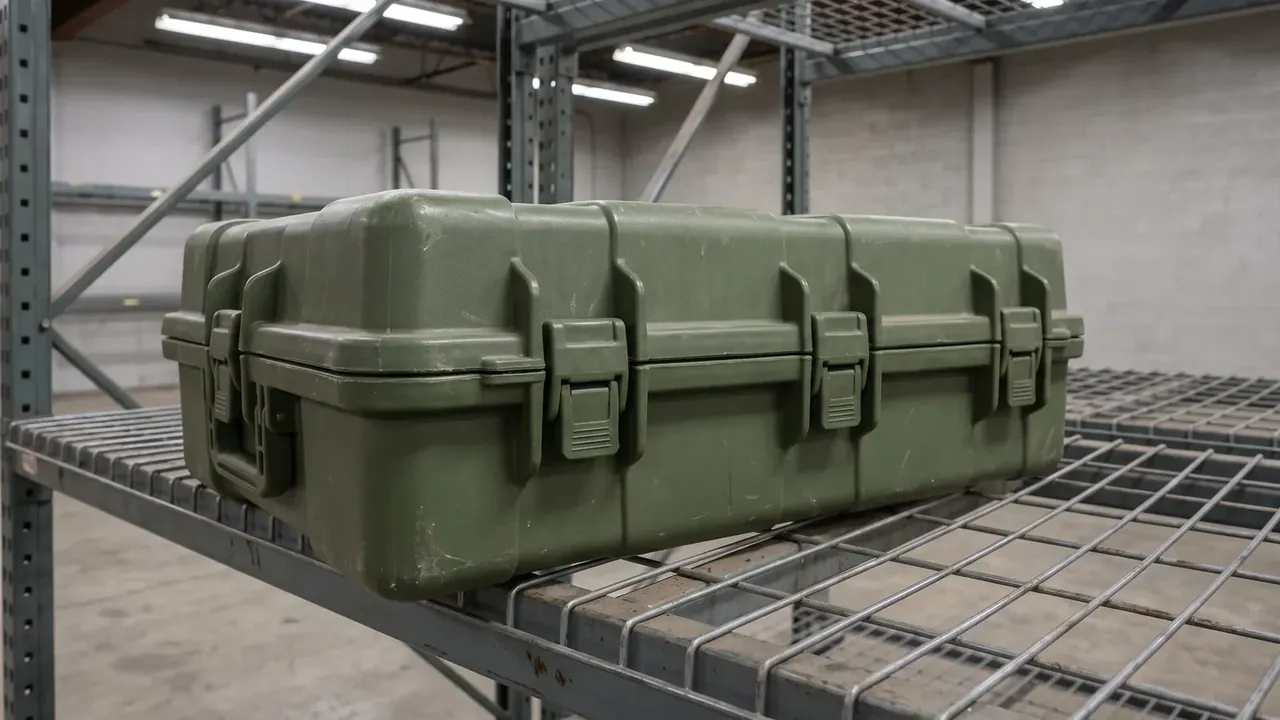
Keep the critical list short. A cracked latch seat, a missing gasket, a pierced wall and a split handle anchor are the four; burrs on the handle, tight latch fit and a visible colour shift within one lot are major and follow 0.65 or 1.0; gate marks, light scuffs and print offset are minor and follow 2.5.
Grading only works with a counting rule. One case can carry 1 major and 2 minor defects, but multiple minor defects on the same case count as 1 defective, not as separate hits, and that sentence belongs in the annex.
Each grade needs a physical check. Critical calls for a section cut at 3 load points on the latch seat, a look for groove witness marks on the gasket, a 0.5 MPa air test held 30 s for a pierced wall, and 20 open-close cycles before re-checking a handle anchor.
Inspection severity has to move. Two consecutive rejected lots under normal inspection switch to tightened, with the sample unchanged and Ac reduced by 1; 5 consecutive good lots return it to normal; 3 rejected lots during tightened inspection suspend supply and start a corrective action. The other way, 10 consecutive good lots allow reduced inspection at 50 pieces.
5. 480 CNY against 320 CNY a lot
Testing costs 480 CNY a lot at 0.65 and 320 CNY at 1.0, a 160 CNY gap. The gap is scope: 480 CNY covers 125 pieces for appearance, 8 dimensions and 3 pieces for air tightness, while 320 CNY covers appearance and 3 dimensions only.
Across 12 lots the fee difference is 1,920 CNY, which is the visible half.
The hidden half sits on the line. The 7 extra lots released at 1.0 cost 6,800 CNY each to process as returns, 47,600 CNY in total, and one of them reaching assembly stops the line for 4 hours at 2,400 CNY an hour, another 9,600 CNY.
Labour belongs in the same sum. Eight dimensions on 125 pieces take 3.5 hours against 1.4 hours for three dimensions, which at 68 CNY an hour is 143 CNY a lot, or 1,716 CNY a year; with the fee difference the stricter level costs 3,636 CNY more.
Split the rule by use: load-bearing, sealed and export-certified cases run 0.65; internal transit, non-load-bearing and appearance-only cases run 1.0. Both levels can live in one contract as long as the material code says which applies.
Conclusion
Case IQC AQL is a pricing decision about risk, not a matter of taste. One level rejects 2 lots a year and the other 9, on the same 125 pieces, and the 160 CNY a lot fee gap is the smallest number in the comparison. Three actions settle it: mark 0.65 or 1.0 on the material code by use, attach the four critical defects to the acceptance annex with Ac 0, and post the normal, tightened and reduced transfer conditions at the inspection bench.
| Item | AQL 0.65 | AQL 1.0 |
|---|---|---|
| Sample on 1,200 cases | 125 pieces | 125 pieces |
| Accept / reject | Ac 1 / Re 2 | Ac 2 / Re 3 |
| Inspection fee a lot | 480 CNY | 320 CNY |
| Rejected lots a year | 2 lots | 9 lots |
| Where it fits | Load-bearing, sealed, export | Internal transit, non-load-bearing |
This article discusses container-side specifications and design implications only, and does not cover any handling, loading or use of the contents.
Related Reading
- Where the AQL 2.5 acceptance line sits
- Batch incoming inspection of cases
- Acceptance criteria and AQL terms for custom cases
- Quality control at case assembly
Related Products
- 8 Series — Gun Cases; Military Equipment Cases; Camera Equipment Cases; Drone Cases; Watch Cases; Knife Cases; First Aid Cases; Electronics Equipment Cases
- WL8-2812 PP Gun Case — model WL8-2812
- All protective cases and toolboxes: 7 series, 158 models