

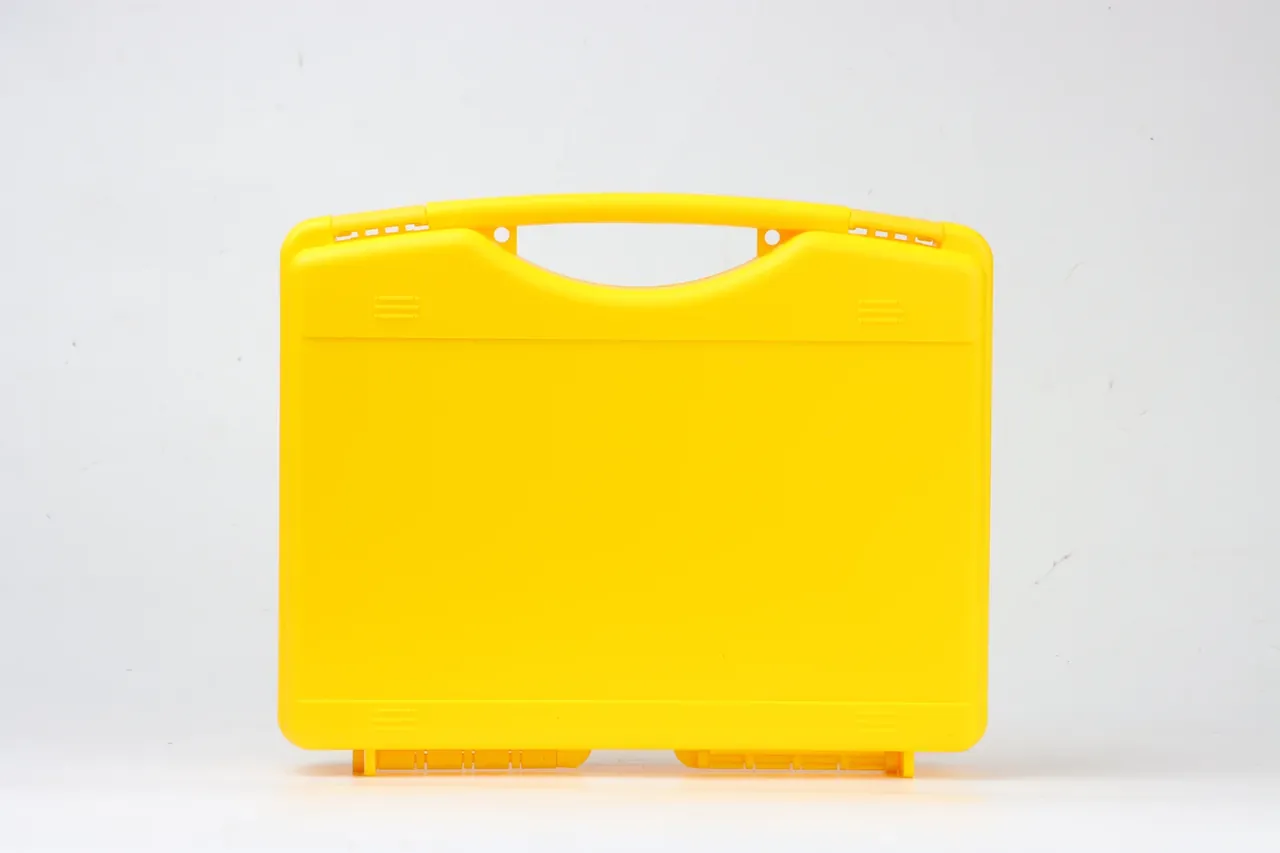
Quick answer: ISTA 3A qualifies a single parcel up to 70 kg moving through a courier network, while ISTA 3E qualifies a palletized unit load handled by forklift and truck; the choice follows the outbound form, not the wording copied onto the purchase order.
Table of contents
- Two Shipment Paths, Two Protocols
- The Three Tests Inside ISTA 3A
- What ISTA 3E Adds on a Pallet
- Sample Count, Sequence and Pass Criteria
- Reports a Customer Will Accept
- FAQ
1. Two Shipment Paths, Two Protocols
Choosing a transport test starts with the outbound form, not a standard number. A parcel is dropped into a chute, tipped along a conveyor and pressed against neighbouring cartons, so energy lands on corners and edges. A pallet is lifted by forks, swung against a dock plate and dragged across a trailer floor, so damage concentrates at the pallet edge and the bottom layer.
ISTA 3A describes the first path and ISTA 3E the second. ISTA 3A caps the parcel at 70 kg; ISTA 3E starts from the unit load, commonly 300 to 1000 kg including the pallet. The two differ by an order of magnitude in severity, so a report written to the wrong one gets rejected. One question decides the route: how does the case leave the plant?
| Item | ISTA 3A | ISTA 3E |
|---|---|---|
| Subject | Single parcel, courier or LTL | Unitized load on a pallet |
| Mass range | Up to 70 kg per parcel | 300 to 1000 kg typical |
| Shock | Free-fall drop | Incline impact, rotational edge drop |
| Vibration | 1 to 200 Hz random | 1 to 200 Hz, level set by mass |
| Order | Vibration, drop, compression | Impact, vibration, compression |
Reverse that order and the edge is already blunted, so the drop data reads lighter than reality.
2. The Three Tests Inside ISTA 3A
ISTA 3A rests on three tests: drop, random vibration and compression. Drop height steps down with mass, from 760 mm under 4.5 kg to 250 mm above 45 kg, with intermediate bands from the current edition table. A standard parcel takes nine drops covering four bottom corners, four bottom edges and five faces. The impact surface is rigid steel at least 50 mm thick; a resilient pad cuts peak acceleration in half and voids the result.
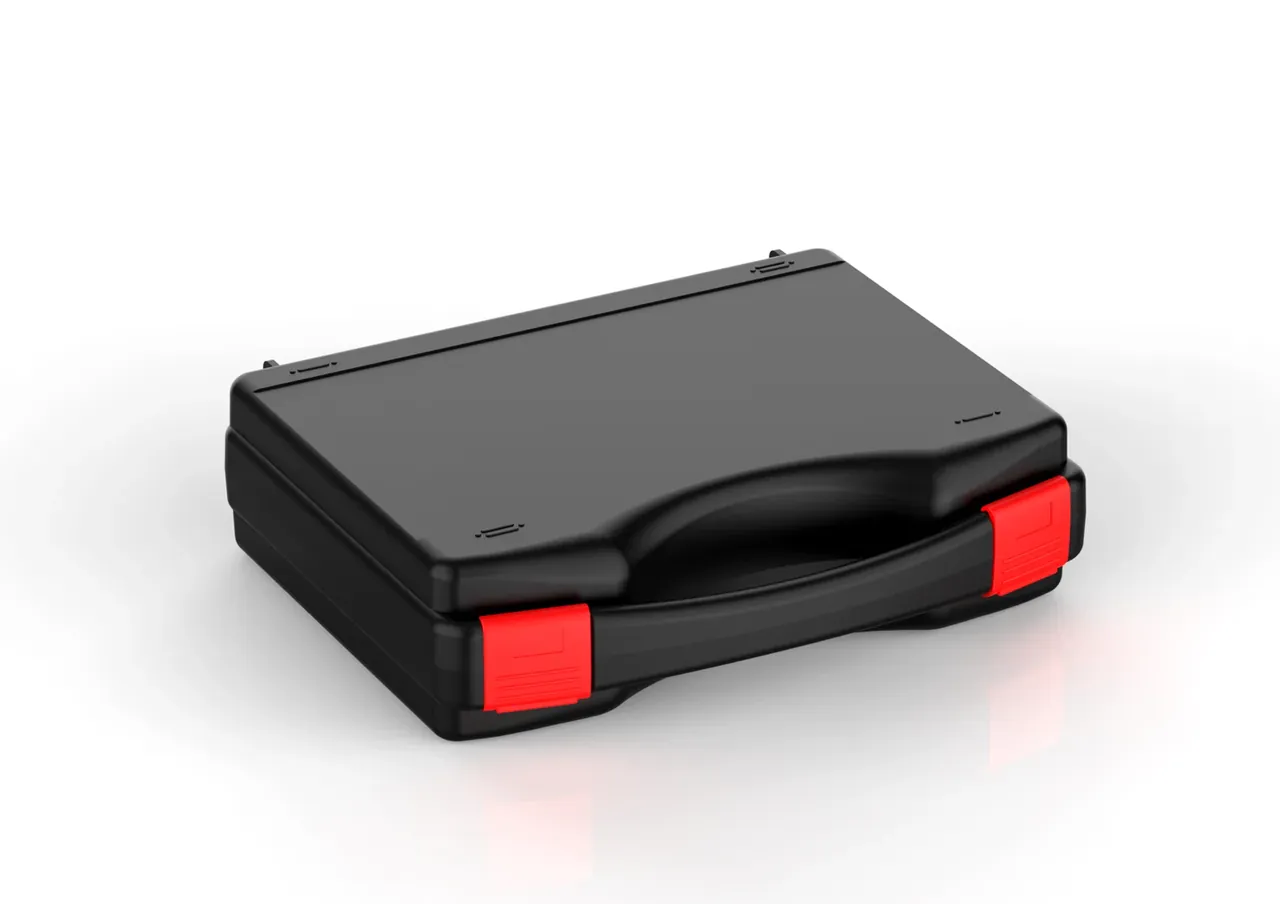
Random vibration sweeps 1 to 200 Hz at a level set by mass band, roughly 0.5 to 1.0 Grms across the range. Each axis runs 30 min, 90 min over three axes, split into a topped and an untapped segment. The topped segment reproduces a parcel buried under freight, with top load from stack height; without it, lid sag never appears.
Compression applies parcel mass times the units above, times a safety factor near 1.5, held 1 h before height is measured. The usual limit is 2 percent of original height.
None of the three substitutes for another. Drop finds corner cracks and latch release, vibration finds weld-line fatigue, compression finds sidewall bulge.
3. What ISTA 3E Adds on a Pallet
A unit load fails differently. When forks lift one side, the stack rotates about the opposite edge and bottom cases take shear. When the pallet strikes a dock plate, inertia pushes upper tiers forward and strapping takes tension first. ISTA 3E therefore replaces free-fall drop with incline impact: a carriage accelerates the load into a barrier, and the velocity change is banded by mass, typically 1.2 to 2.2 m/s.
The rotational edge drop raises one bottom edge of the pallet 200 mm and releases it, so the load pivots about the far edge and lands with full mass on that line. This reproduces a forklift setting a load down hard.
Random vibration runs with the pallet attached and a top load in place; a long-haul road leg commonly gets 3 h. Compression uses a platen over the whole load, sized from stack layers and held 1 h.
| Test | Key parameter | What to watch |
|---|---|---|
| Incline impact | Velocity change 1.2 to 2.2 m/s | Pallet edge splitting, strap slip |
| Rotational edge drop | Lift 200 mm | Bottom corner collapse, deckboard break |
| Random vibration | 1 to 200 Hz with top load | Film shift, case-to-case abrasion |
| Compression | Stack-layer load, 1 h hold | Load height change, bottom crush |
4. Sample Count, Sequence and Pass Criteria
Sample count comes from the standard table: one parcel for ISTA 3A, one unit load for 3E. A report must not swap samples midway, because the parcel already dropped continues into vibration and compression.
The sequence is fixed: conditioning, vibration, shock, repeat vibration, compression. Conditioning runs 24 h at 23 °C and 50 percent relative humidity, or a hot-humid and cold cycle when agreed.
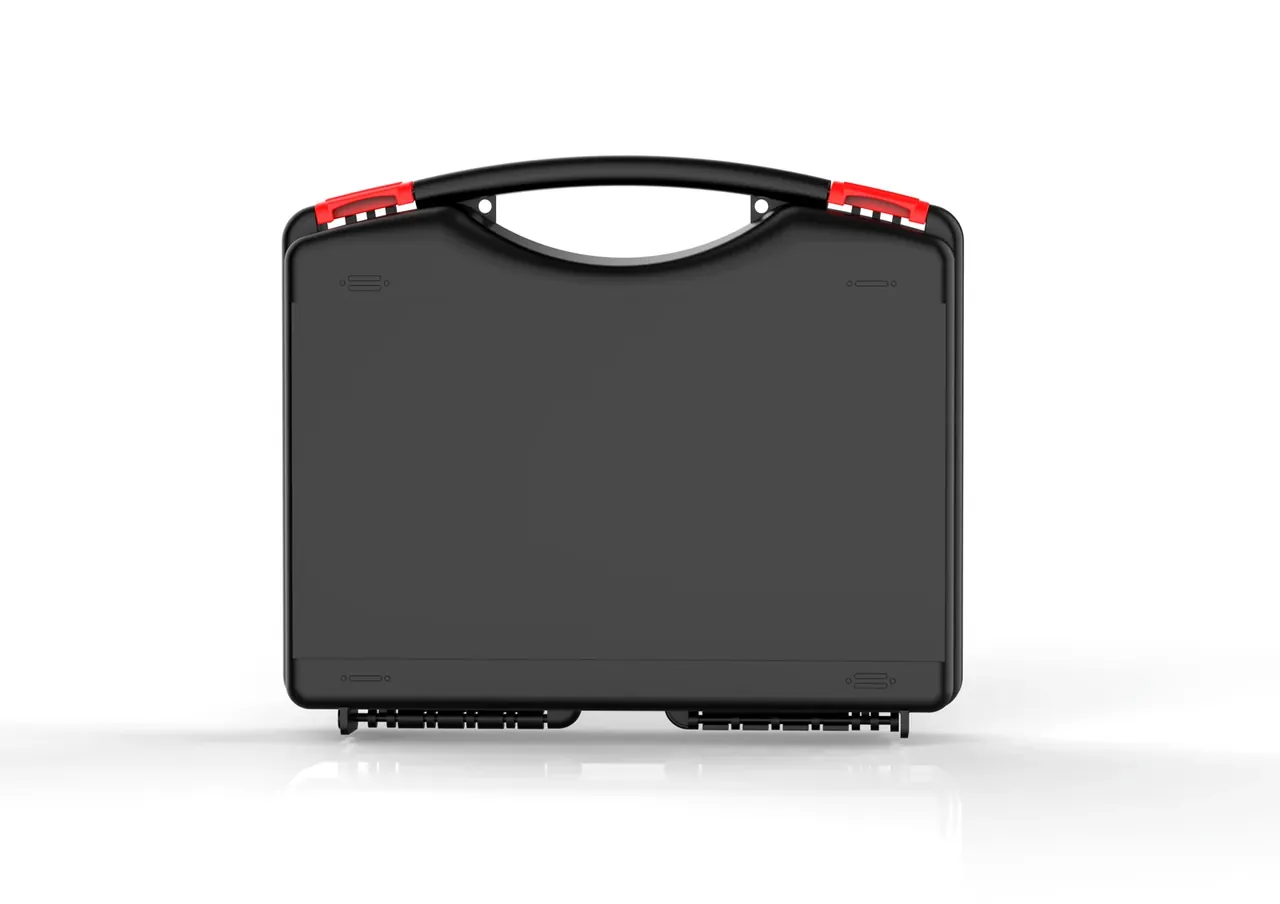
Pass criteria come in three layers. The packaging stays intact: no puncture, no latch release, no seal displacement. The product still functions. The exterior shows no fatal defect, with crack length held to a quantified line such as 5 mm.
Two mistakes recur: vibration on a single axis, which misses sidewall fatigue, and the 200 mm rotational edge drop borrowed from 3E and applied to a parcel.
5. Reports a Customer Will Accept
A report has to be reproducible. Record the standard name and edition year. Put the outer dimensions and gross mass on the first page. Give each test its parameters and measured values. Number the sequence so a reviewer can replay it. Attach sample photographs and equipment identifiers.
When the purchase order and the shipment disagree, the shipment wins. A parcel by courier is reported against ISTA 3A, a palletized load against 3E. A contract naming 3A while goods ship on pallets invites one question: why the drop count does not match.
Any material change restarts the test: PP to ABS, a wall thinned 0.5 mm, a liner 5 mm different.
Conclusion
The answer to ISTA 3A versus 3E sits on the shipping document, not in a standards catalogue. A parcel going by courier is prepared against the 70 kg ceiling and nine drops; a palletized load against incline impact, a 200 mm rotational edge drop and vibration with the pallet attached. Every parameter in ISTA 3A maps to a failure mode, and a missing parameter leaves that mode unguarded.
This article discusses only the container (case body) side of specifications and design intent, and does not cover any handling, loading or use of the contents.
Related Reading
- Transport test requirements for export packaging
- Packaging compliance cases: whole lots sent back
- Drop and shock standards for airdrop cases
- Seal and test standards for waterproof boxes
Related Products
- 8 Series — Gun Cases; Military Equipment Cases; Camera Equipment Cases; Drone Cases; Watch Cases; Knife Cases; First Aid Cases; Electronics Equipment Cases
- WL8-2812 PP Gun Case — model WL8-2812
- All protective cases and toolboxes: 7 series, 158 models