

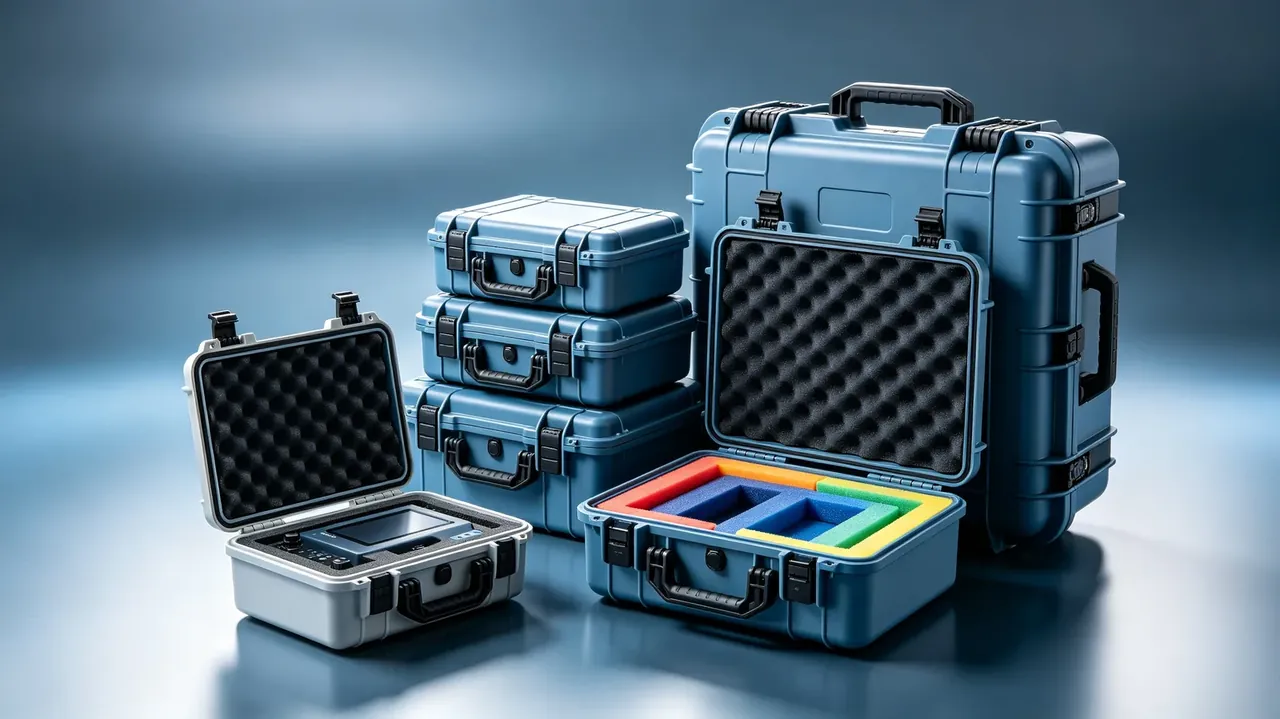
Quick answer: Last mile cost turns on volumetric weight: 0.21 CBM bills as 42 kg, not the 38 kg actual, and a 900 mm lift door leaves 80 mm around an 820 mm case.
Table of contents
- Four Numbers That Decide the Last Mile
- The 80 mm Gap Between a 900 mm Door and an 820 mm Case
- Six Floors, 25 Minutes and the 23 kg Ceiling
- A Four-Hour Window and a 3.2 Percent Rejection Rate
- FAQ
1. Four Numbers That Decide the Last Mile
Once the release slip is stamped, the remaining 12 km belongs to the last mile.
The carrier ignores the scale. One case is 38 kg and 0.21 CBM, the factor is 200 kg/CBM, so volumetric weight reads 42 kg and that figure is billed. On a 40-case shipment the 4 kg gap adds 160 kg of chargeable weight. Measurement happens at the hub with pallet and film included, so stripping the pallet drops 0.21 CBM to 0.19 CBM and volumetric weight to 38 kg. Holding pallet height under 100 mm removes the phantom 4 kg on every case.
The other two variables sit at the receiving address. Door width, car depth and a dock are quotation-stage questions.
| Receiving condition | Direct delivery | Equipment needed |
|---|---|---|
| Lift door 900 mm clear, car 1.4 m deep | Yes, stand on end | Two people plus a 600×400 mm skid |
| Lift door 830 mm clear | No, 10 mm short | Remove the leaf or use the stairs |
| No lift, sixth floor | No | Two people plus a 40 mm strap |
| Dock 1.1 m high | Yes | Tail lift rated 1.5 t |
| 150 mm kerb only | No | Tail lift or three people |
| Basement headroom 2.1 m | Yes | Van 2.0 m tall |
Three rows allow a direct delivery; the other three need more people or more money, which the 180 CNY re-delivery fee covers.
2. The 80 mm Gap Between a 900 mm Door and an 820 mm Case
The shell is 820×620×410 mm and the door is 900 mm clear, leaving 40 mm per side. That gap is not a passage; it is a slit.
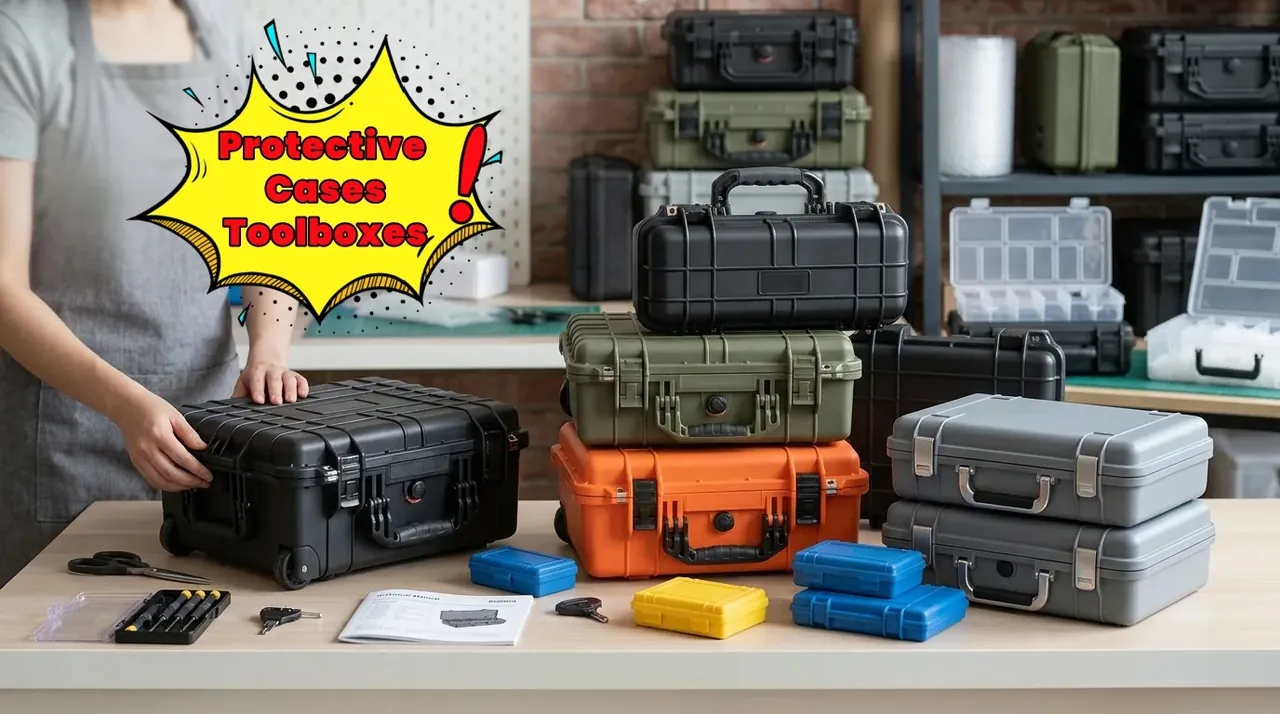
Fingers reach 60 mm past the handle, 120 mm across both hands, which is 40 mm more than the gap allows. So the case is not carried through but pushed, base down, boot against the lower edge. A 15 mm threshold raises the push from 90 N to 140 N.
Tilting makes it worse. The 820×620 mm section has a 1028 mm diagonal, and at 30 degrees the case takes 1020 mm of width; both exceed 900 mm. What passes is the case on end, 620 mm face first, margin back to 280 mm, though the 820 mm height must then be laid flat inside the car.
The 900 mm is the frame opening, not the leaf. A rebate takes 40 mm and a closer 30 mm, leaving 830 mm, so measure the narrowest point and count the 20 mm seal on a fire door. That seal drives more last mile rejections than any other item.
3. Six Floors, 25 Minutes and the 23 kg Ceiling
Six floors at 18 risers of 170 mm is 3.06 m per floor and 18.4 m of climb. A 38 kg case takes 25 minutes, 19 moving and 6 resting.
The 23 kg limit is hard. At 38 kg the case is 15 kg over the last mile limit, so two people are mandatory; sharing puts 19 kg on each.
The 25 minutes break into 3.5 per floor, 2.2 climbing and 1.3 turning on the landing. At 1.2×1.2 m the landing forces a 90 degree turn for the 820 mm edge, and the rear corner sweeps 512 mm, so 90 mm each side keeps the shell off the wall.
| Floor and equipment | Minutes per case | People needed |
|---|---|---|
| Lift, 900 mm door | 6 | 2 |
| No lift, third floor | 13 | 2 |
| No lift, sixth floor | 25 | 2 |
| Dock plus tail lift | 0.5 | 1 |
The last row is the comparison missed: 0.5 minutes on a tail lift against 25 on stairs, a factor of 50. The six minutes of rest are about fingers rather than lungs; fingertips carry 38 kg by the rim.
At 1.1 m high with a 1.5 t tail lift, one cycle takes 2 minutes and the 1.5×2.0 m platform holds four cases. Thirty-nine cases need ten cycles and 20 minutes, where the stairs take 16 hours. That is why last mile pricing splits into two tariffs.
4. A Four-Hour Window and a 3.2 Percent Rejection Rate
The last variable in the last mile is time. Receivers offer a four-hour window; early trucks wait and late ones are rebooked.

How many drops fit depends on the 8 minute signing check: three minutes for paperwork, two for counting, three for corners, latches and handle roots. Six drops take 48 minutes, and 40 minutes over 12 km fills the window.
One inspection stretching to 15 minutes pushes two drops into a rebooking at 180 CNY per consignment, and the 260 CNY oversize surcharge is separate, so the pair reaches 440 CNY, more than the freight itself.
A 3.2 percent rejection rate means one consignment in 31 returns: half never fit through the door, three tenths arrive scuffed, two tenths carry mismatched paperwork.
| Charge | Trigger | CNY per consignment |
|---|---|---|
| Oversize surcharge | 38 kg per case or any side over 800 mm | 260 |
| Re-delivery | Rebooking, rejection or door too narrow | 180 |
| Stair carry | No lift, from the second floor up | 40 |
| Waiting time | Beyond the four-hour window | 60 |
Only the first is settled before dispatch. Put the other three in the quotation and the customer measures the lift before signing.
The 3.2 percent totals 3.2 consignments per 100 at 440 CNY, or 1408 CNY, which is 14 CNY each.
Conclusion
The last mile is settled before the truck moves. Volumetric weight of 42 kg sets the freight, an 80 mm slit sets whether the case goes in, 25 minutes of stairs sets the crew, and a four-hour window sets the drops. Miss one and the case stays at the kerb.
Related Reading
- Customs paperwork and cross-border nodes
- Loading rules for full truckload and LTL
- Matching shell size to the pallet module
- Packaging cost under different export conditions
Related Products
- 8 Series — Gun Cases; Military Equipment Cases; Camera Equipment Cases; Drone Cases; Watch Cases; Knife Cases; First Aid Cases; Electronics Equipment Cases
- WL8-2812 PP Gun Case — model WL8-2812
- All protective cases and toolboxes: 7 series, 158 models