

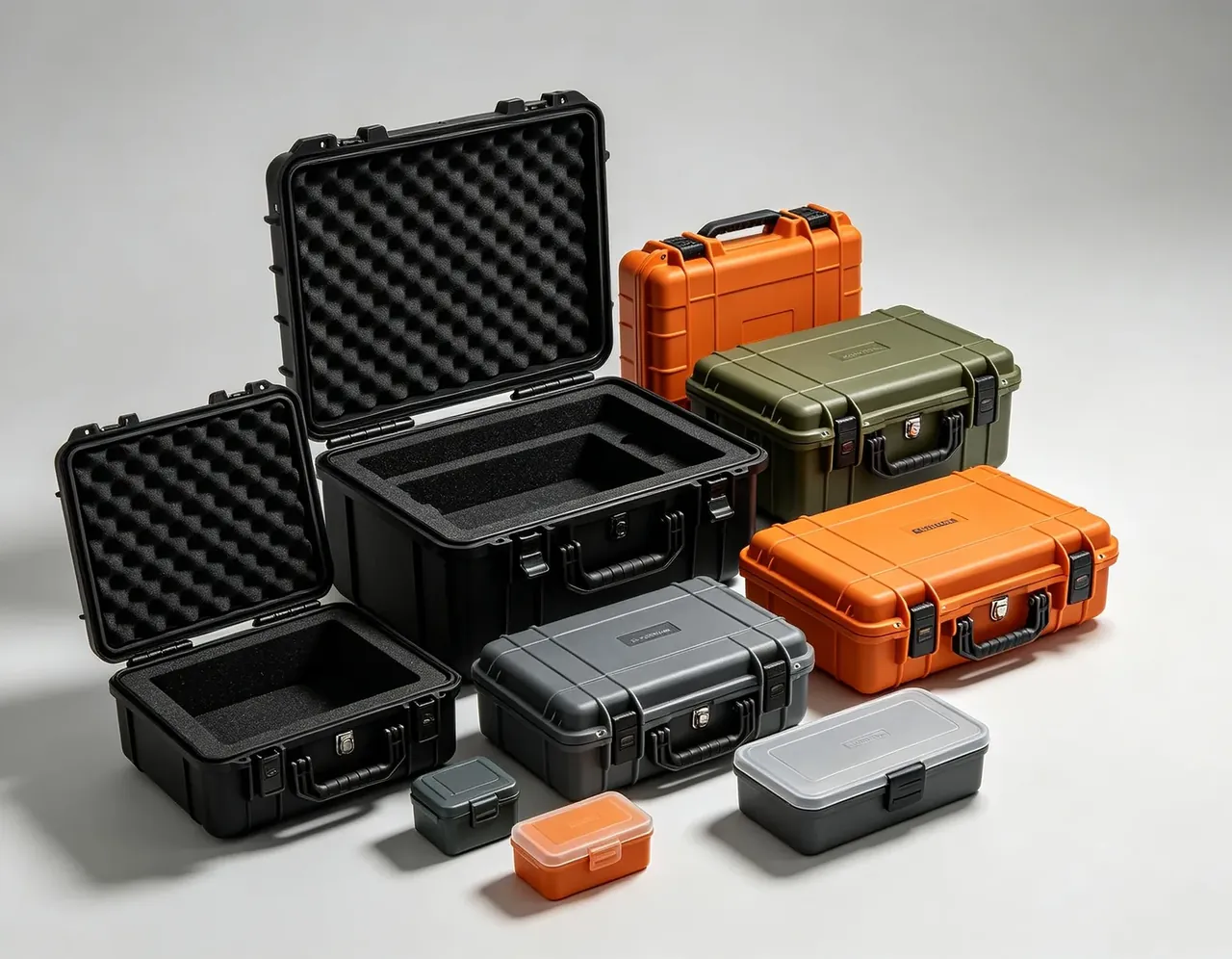
Quick answer: Case container loading into a 40HQ gives 672 cases at 96 per layer on 7 tiers, or 749 cases at 107 per layer, from a 600×400×350 mm case.
Table of contents
- The first formula: internal size over case size
- Ninety-six per layer against one hundred and seven
- Loading rate 82% against 91%
- The 26 t limit against the volume limit
- Lashing and airbag anchor points
- FAQ
1. The first formula: internal size over case size
Change the stack from 3 tiers to 4 and 288 cases become 384, the extra 96 being one tier. Case container loading starts from three divisions: length by case length, width by width, height by height, each rounded down, then multiplied.
A 40HQ measures 12032×2352×2698 mm internally, about 76 m³, and the case is 600×400×350 mm, 0.084 m³. With 10 mm between cases the pitch is 610×410×360 mm, so the quotients are 19, 5 and 7: 95 per layer, 665 per box.
| Direction | Internal | Case | Pitch | Fit | Leftover |
|---|---|---|---|---|---|
| Length | 12032 mm | 600 mm | 610 mm | 19 | 442 mm |
| Width | 2352 mm | 400 mm | 410 mm | 5 | 302 mm |
| Height | 2698 mm | 350 mm | 360 mm | 7 | 178 mm |
Width is the constraint, since 302 mm of slack falls just short of the 350 mm case height. Tiers are fixed first: 2698 mm over 360 mm gives 7, because an eighth needs 2880 mm, 182 mm more than the interior, and tilting only jams the lids.
The door adds a second limit: a 40HQ opening runs about 2340×2578 mm, so the last two rows stop 300 mm inside and the seventh lid clears by 58 mm.
Standing the case on its 400×350 mm face gives 29 rows, 6 columns, 4 tiers: 696 cases, 53 short of 749, which suits heavy cases that cannot take 7 tiers.
2. Ninety-six per layer against one hundred and seven
The 95 figure is not the ceiling. Mix two orientations across the width, two rows of 600 mm and two of 400 mm, and the rows take 29 and 19, giving 96 per layer with 312 mm spare.
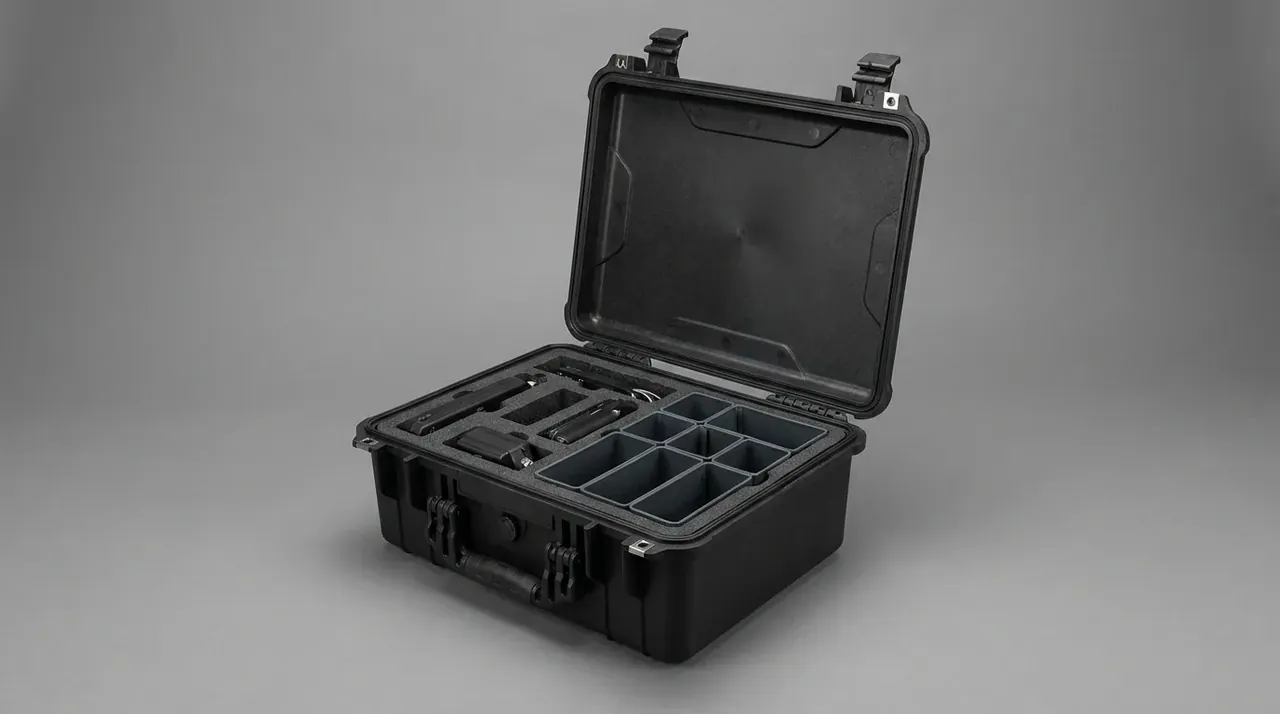
Tighten the narrow row and it becomes 107: three 600 mm rows at 29 plus one 400 mm row packed at 20. That is where case container loading separates good work from average: same case, 11 more per layer.
| Layout | Per layer | Layer fill | 7 tiers | Versus 96 |
|---|---|---|---|---|
| Uniform 19×5 | 95 | 80.6% | 665 | −7 |
| Mixed 2+2 | 96 | 81.4% | 672 | baseline |
| Mixed 3+1 | 107 | 90.7% | 749 | +77 |
Mixing is not free. Two orientations cannot be pulled out in one row, so loading stretches from 3.5 h to 4.8 h. It also tightens tolerance: the 400 mm row has 10 mm of slack, so a case 1.8 mm over size will not enter.
A forklift crew taking whole rows is faster at 95; a manual crew is better at 107.
3. Loading rate 82% against 91%
Loading rate here means layer fill: case footprint over the 28.30 m² floor. Ninety-six cases cover 23.04 m², or 81.4%, rounded to 82%; 107 cover 25.68 m², or 90.7%, rounded to 91%.
Nine points is 77 cases over 7 tiers, about 2.5 t of freight at 32 kg each, which cuts cost per case from 4.76 USD to 4.27 USD on 3200 USD of freight.
The 82% layout spends its slack on a 300 mm door strip, 120 mm side channels and the 178 mm top air channel; the 91% layout cuts the channels to 56 mm.
Above 92% the interior air barely moves, so condensation lands on the top tier and carton tops soften. The workable band for case container loading is 85% to 91%: below it freight is wasted, above it the saving returns as damp damage.
4. The 26 t limit against the volume limit
A 40HQ carries 26 t and 76 m³, and the limits rarely arrive together. At 32 kg per case, 749 cases weigh 24.0 t and volume binds first; at 38 kg, 26 t allows 684 cases and weight binds. The crossover is 34.7 kg, or 26 t divided by 749.
At 45 kg per case 26 t buys 577 cases, only 48.5 m³ of the 76 m³ is used, and the rate falls to 61%; a smaller box size is then cheaper.
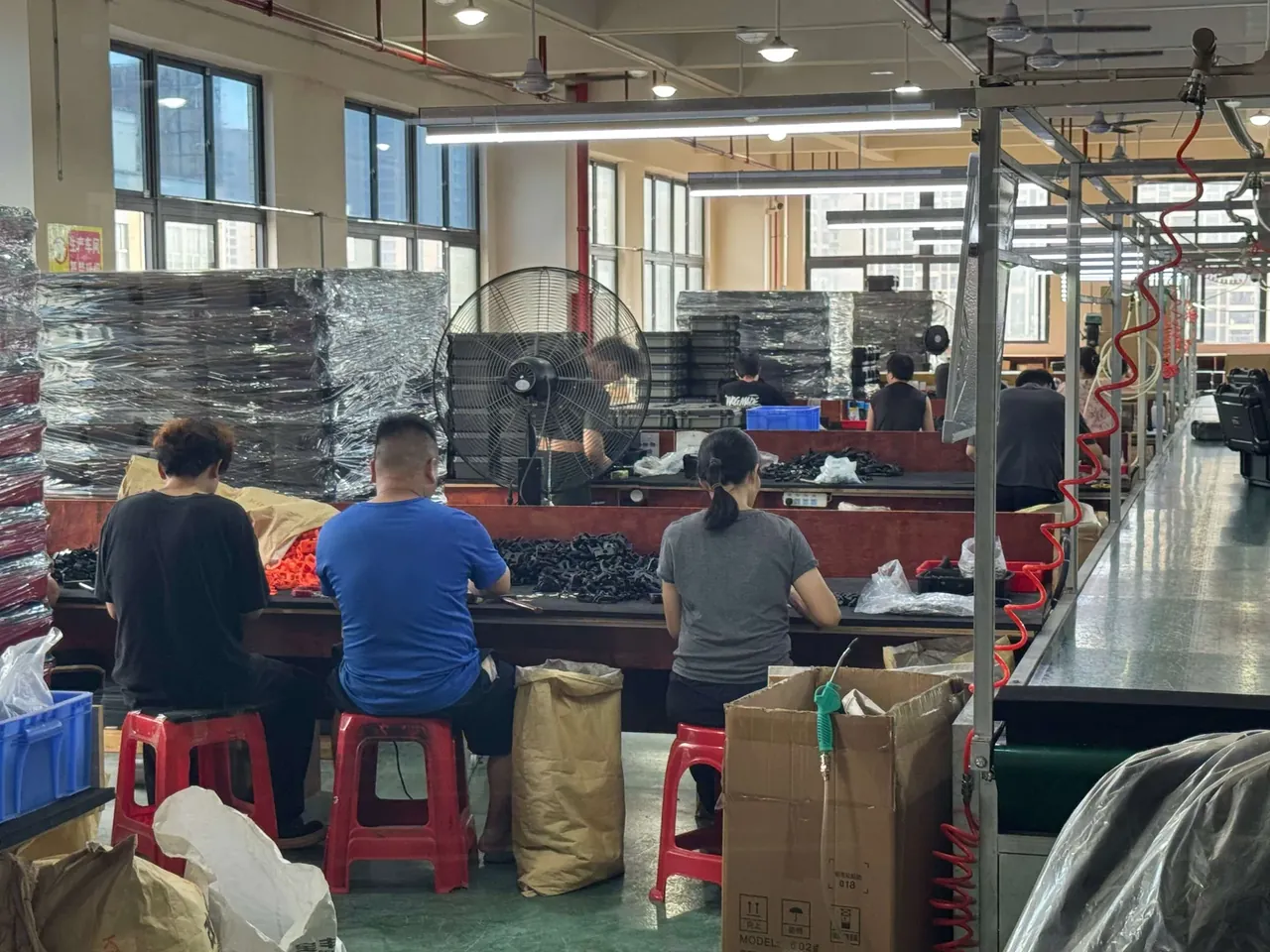
Weight-bound loads need an axle check: at 26 t the front to rear split runs about 6:4, so the tractor rear axle takes 15.6 t against a 13 t bridge limit. Pallets enter the same account: 749 cases need 38 positions and the 22 kg pallets eat 0.8 t.
5. Lashing and airbag anchor points
Four anchors, no more: 1.2 m inside the door, row 10, row 19, and the rear wall. The first two stop longitudinal shift, the last two stop sway.
The door end takes two 1000×500 mm airbags at 0.2 bar, each resisting 2.5 t of push, placed against case faces rather than corners. Middle and rear take two 30 mm polyester straps rated 2.0 t at 250 kg, hooked to D-rings under 1.5 m apart.
A top batten is mandatory with the mixed layout: after 12 days at sea the seventh tier lifts 20 mm, and a batten holds it under 5 mm.
The order runs bottom up: block, stack, strap, inflate. Acceptance: push the seventh tier for under 10 mm of movement, hold 0.2 bar for 15 min, pull each strap with no spring left.
Conclusion
The count for case container loading is a formula chain rather than a figure: outline sets pitch, pitch sets rows, rows set the layer, the layer times tiers gives the total, and 26 t checks it. 749 is the volume answer and 684 the weight answer, 65 apart, decided by whether the case crosses 34.7 kg. One change recomputes everything: 5 mm of added corner protection drops length from 19 rows to 18 and costs 39 cases.
| Step | Formula | Result |
|---|---|---|
| Case outline | 600×400×350 mm | 0.084 m³ |
| Rows | 12032 ÷ 610 | 19 |
| Columns | 2352 ÷ 410 | 5 |
| Tiers | 2698 ÷ 360 | 7 |
| Uniform layer | 19×5 | 95 |
| Mixed layer | 3×29 + 20 | 107 |
| Full box | 107×7 | 749 |
| Weight check | 26 t ÷ case weight | 684 at 38 kg |
This article discusses container-side specifications and design implications only, and does not cover any handling, loading or use of the contents.
Related Reading
- Stacking limits for stackable cases
- Stacking tests and pass criteria
- Stack structure and load paths
- Moving pallets inside a container
Related Products
- 8 Series — Gun Cases; Military Equipment Cases; Camera Equipment Cases; Drone Cases; Watch Cases; Knife Cases; First Aid Cases; Electronics Equipment Cases
- WL8-2812 PP Gun Case — model WL8-2812
- All protective cases and toolboxes: 7 series, 158 models