

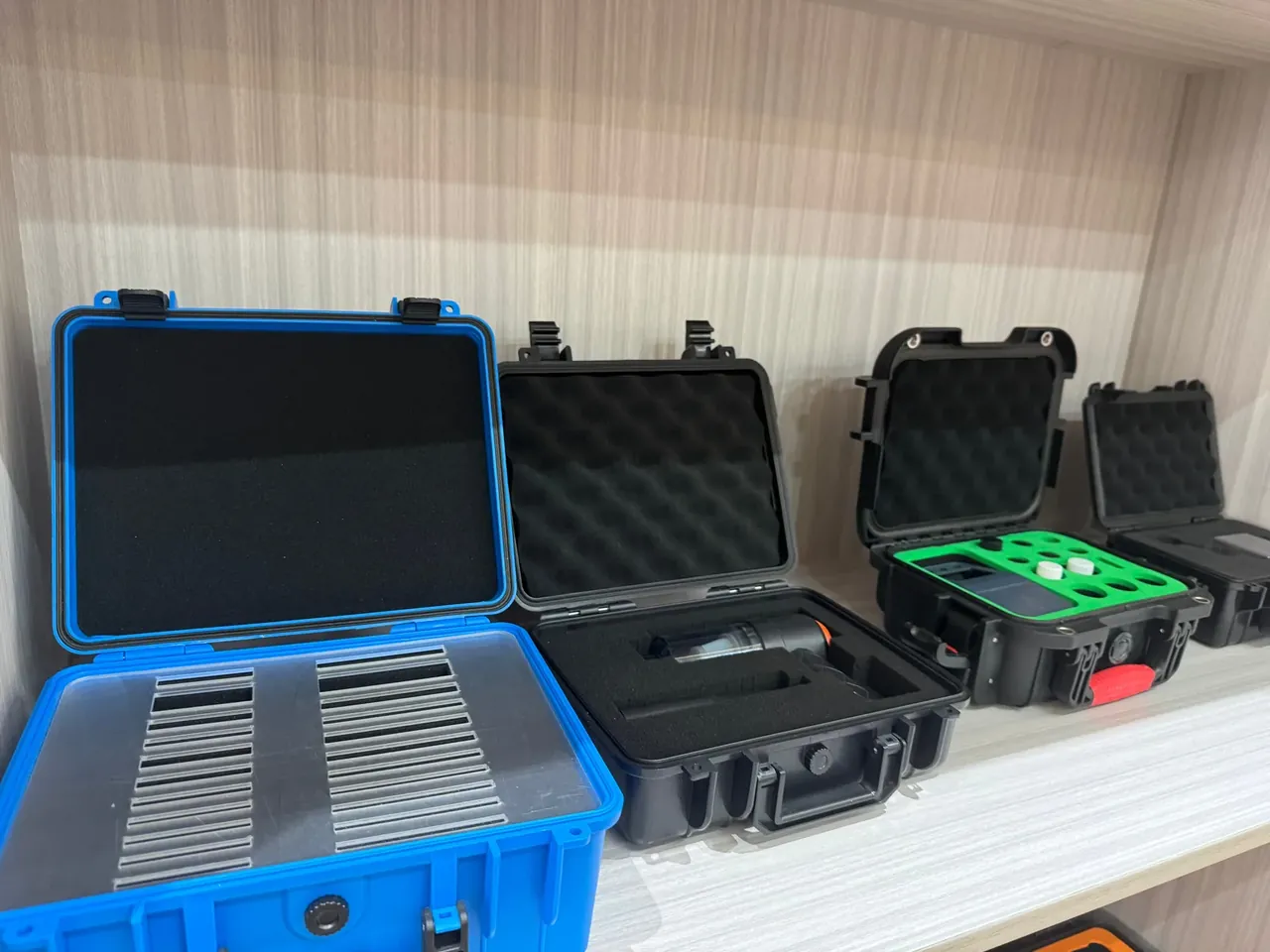
Quick answer: The Medical autoclave box protective outer casing keeps a 4.0 mm wall and 2.5 mm gap per side for 500 cycles at 134 C and 0.21 MPa.
Table of contents
- The 134 C cycle boundary of the Medical autoclave box protective outer casing
- Thermal deformation margin in a 4.0 mm casing wall
- Lid load under a 0.21 MPa pressure difference
- Colour shift and distortion after five hundred cycles
- Why the gap is 2.5 mm per side
- FAQ
1. The 134 C cycle boundary of the Medical autoclave box protective outer casing
The worst seconds come when the door opens. The chamber has just dropped from 134 C and 0.21 MPa to ambient, the body still radiates, and the face of the casing against it heats while the outer face stays at room temperature. Across a 4.0 mm wall that gradient is where distortion begins, and it is the first line on the drawing of the Medical autoclave box protective outer casing.
Small steam sterilizers are classed under EN 13060: the 134 C programme holds about 4 min at 0.21 MPa, the 121 C programme about 15 min at 0.1 MPa. One is short with a wide gradient, the other long and fully penetrating, and the Medical autoclave box protective outer casing has to survive both.
| Programme | Temperature and pressure | Hold time |
|---|---|---|
| High temperature | 134 C / 0.21 MPa | 4 min |
| Standard | 121 C / 0.1 MPa | 15 min |
| Drying stage | Chamber under vacuum | Set by load |
Alternating hot and cold hurts more than steady heat, because the slope at the door opening, not the peak, drives deformation.
2. Thermal deformation margin in a 4.0 mm casing wall
The wall is 4.0 mm because thinner cannot hold that curve. At 5.6×10⁻⁵/°C the 400 mm side grows 2.46 mm over a 110 C rise, about 1.2 mm per side; a millimetre less and the section resisting bend loses a third of its modulus.
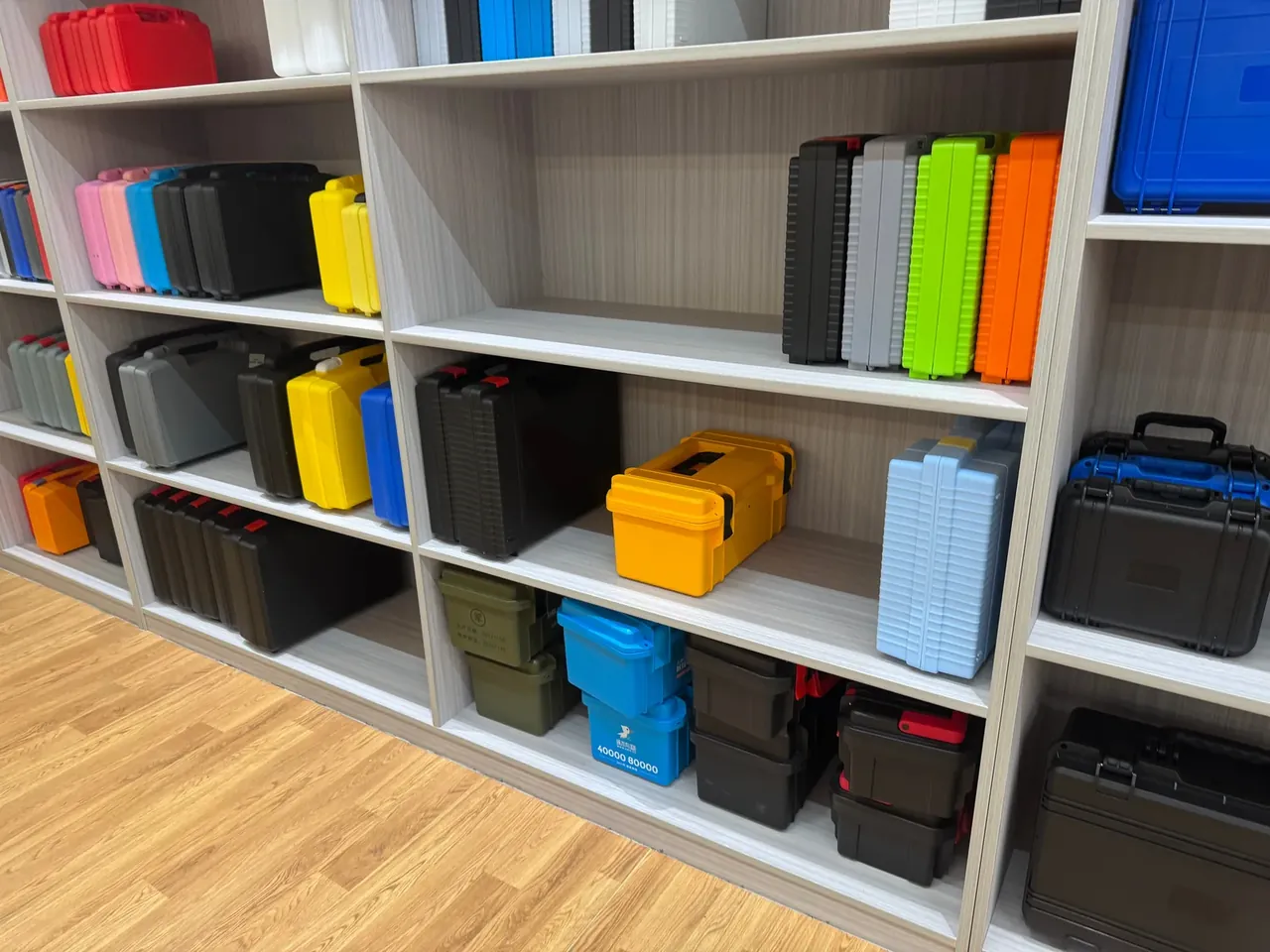
The Medical autoclave box protective outer casing pairs a 400 by 300 by 150 mm outer with a 360 by 260 by 110 mm inner. The 20 mm between them carries wall, ribs and pressure step, and only 4.0 mm is plain wall. Empty mass is 2.4 kg, load 5.0 kg, total 7.4 kg, so a heavier wall costs payload first.
| Material | Heat deflection temperature | 24 h water absorption |
|---|---|---|
| General PP | around 100 C | below 0.02% |
| General ABS | 81 C to 95 C | 0.2% to 0.4% |
| PPSU | 207 C | about 0.37% |
A casing that enters the chamber needs a heat deflection temperature well above 134 C. ABS is near softening there, PP covers part of the range only through thin walls and support, and the ≤0.01% water absorption target is a separate stability figure, not a substitute for heat resistance.
3. Lid load under a 0.21 MPa pressure difference
Pressure difference is the load most often left off the drawing. At 0.21 MPa over a 400 by 300 mm projection, 0.12 m², the lid face carries about 25.2 kN, near two and a half tonnes; on the 121 C programme at 0.1 MPa it carries about 12 kN. None of that force is made by the casing, yet all of it reaches the pressure step of the Medical autoclave box protective outer casing.
Deflection peaks at the centre, so the bearing face is not one plane: a step on four sides and relief in the middle give the lid room to bow.
| Condition | Lid face load | Casing response |
|---|---|---|
| 134 C pressurising | about 25.2 kN | Four steps carry, centre relieved |
| 121 C pressurising | about 12 kN | Half the load, less bow |
| Moment of release | Reverse load | Steps spring back, no bind |
At release, chamber pressure falls faster than the Medical autoclave box protective outer casing recovers, so the lid springs outward once, and a tight step turns that into a hard knock.
4. Colour shift and distortion after five hundred cycles
Five hundred cycles is an acceptance count, not a life limit. At 4 min of hold, 500 runs give just over 33 h at 134 C; with heat-up and drying the exposure approaches 333 h, which is long enough for colour and warp to become obvious.
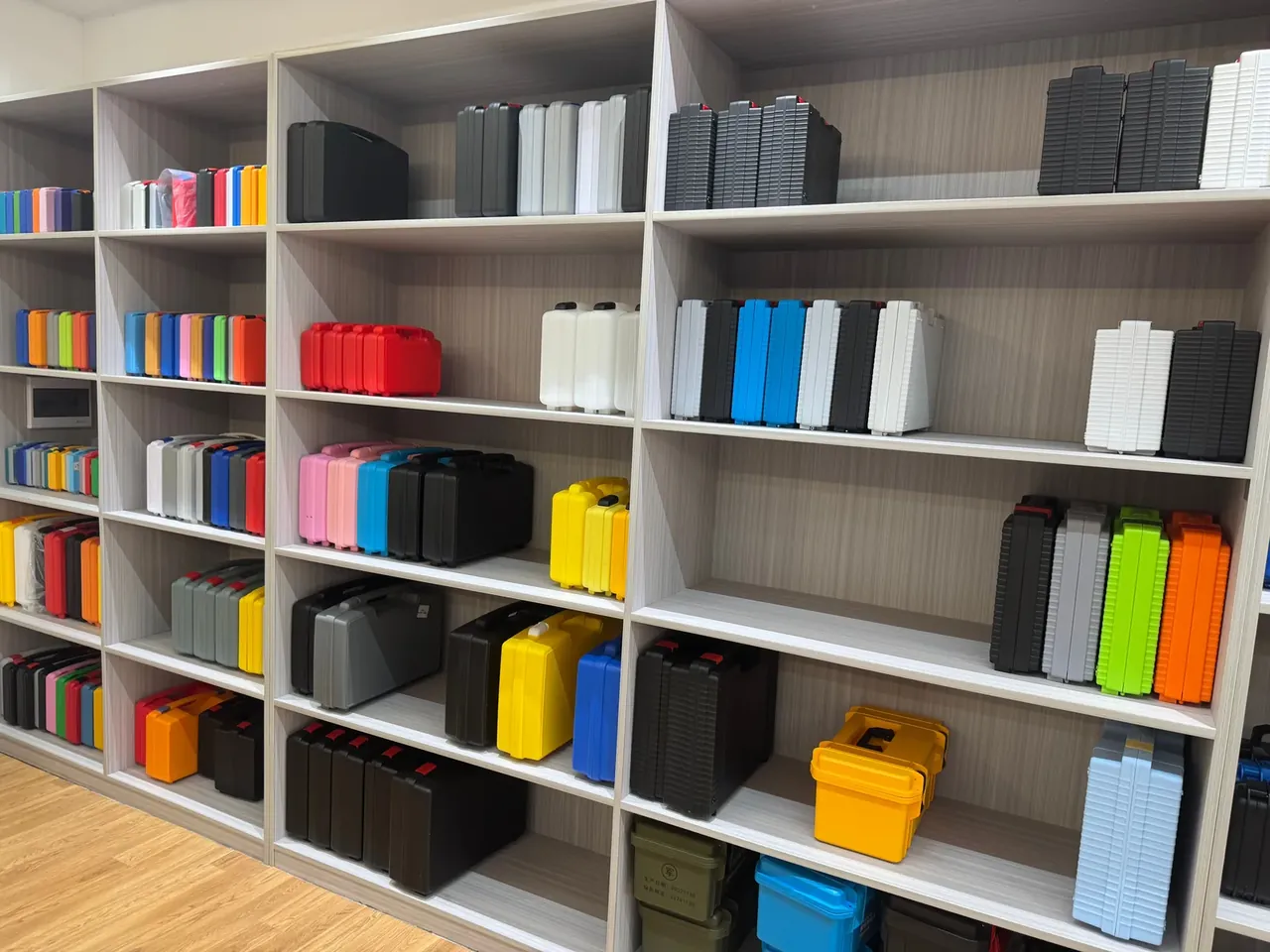
Colour is read on the outer face at ΔE ≤2, distortion on the lid face, where diagonal warp stays under 0.6 mm; past that the sealing edge no longer presses evenly.
Hinge and catch points are the third check. Metal and plastic expand differently, holes wear larger run after run, and the Medical autoclave box protective outer casing shows the fault as a lid that rocks once closed.
5. Why the gap is 2.5 mm per side
The 2.5 mm gap per side, 5 mm across the pair, has three jobs. The first is growth: the 400 mm side extends 2.46 mm over a 110 C rise, and 2.5 mm absorbs that with moulding tolerance, so casing and body never push on each other.
The second is a path for steam and water. Steam must reach the space between the two, condensate must drain under vacuum, and below about 1.5 mm a water film closes the path and keeps the inner face wet.
The third is handling. In a glovebox, fingers need a 2.5 mm seam to start a lift, which beats prizing with a tool.
The Medical autoclave box protective outer casing also writes the gap into acceptance: a 2.5 mm feeler must enter and a 3.0 mm feeler must stop.
Conclusion
The Medical autoclave box protective outer casing is not a pressure part; it manages gradient, pressure load and clearance at once. A 134 C, 0.21 MPa cycle puts 25.2 kN on the lid face, a 4.0 mm wall and a 2.5 mm gap per side absorb 2.46 mm of growth along with handling feel, and ΔE ≤2 with 0.6 mm warp after 500 cycles close the case. Outer 400 by 300 by 150 mm, inner 360 by 260 by 110 mm and 7.4 kg loaded sit on one drawing, so a change to any one returns to that drawing.
Related Reading
- Shelf layout inside instrument sterilization boxes
- Cavity dimensions of endoscope cleaning transit boxes
- Injection moulding of polymer sealed tool boxes
- Plastic cases against wooden crates in export packing
Related Products
- 8 Series — Gun Cases; Military Equipment Cases; Camera Equipment Cases; Drone Cases; Watch Cases; Knife Cases; First Aid Cases; Electronics Equipment Cases
- WL8-2812 PP Gun Case — model WL8-2812
- All protective cases and toolboxes: 7 series, 158 models