

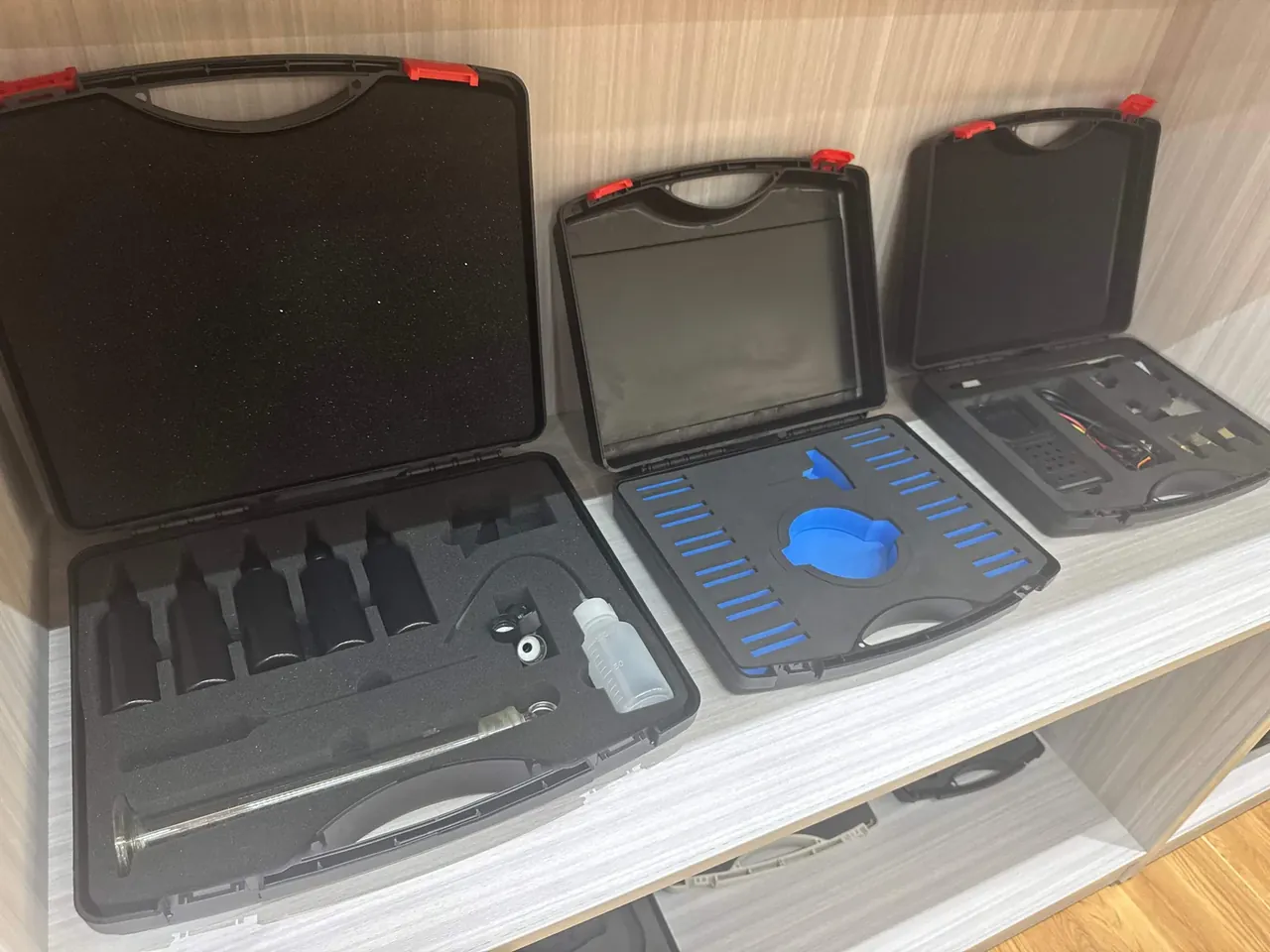
Quick answer: The plastic vs wood crate decision is a trips question: a wood crate costs ¥120 and lasts one trip, a plastic case costs ¥380 over 20 trips.
Table of contents
- The first column: cost per trip
- Spreading the fumigation fee
- HS 3923 against 4415
- Where 11.5 kg goes
- Which trip breaks even
- FAQ
1. The first column: cost per trip
A wood crate at 1200 mm × 800 mm × 1000 mm quotes ¥120, a plastic case in the same size class quotes ¥380, and on unit price alone the crate wins by ¥260.
Adding trips reverses it. A crate is knocked apart into scrap board after one shipment; the plastic case is designed for 20. Cost per trip equals price divided by trips, so the crate sits at ¥120 and the case at ¥19, a gap of ¥101 in the other direction.
| Item | Wood crate 1200×800×1000 | Plastic case 1200×800×760 |
|---|---|---|
| Unit price (¥) | 120 | 380 |
| Trips per unit | 1 | 20 |
| Quarantine treatment (¥ per lot) | 400 | 0 |
| Cost per trip (¥) | 140 | 19 |
| Own weight (kg) | 18 | 6.5 |
| Empty storage (m³ each) | 0.96 | 0.27 |
The ¥140 in that table is not a typo. Wood packaging leaving the country needs a quarantine treatment, billed ¥400 a lot, and a lot holds 20 crates, so each crate carries ¥20 of it: 120 plus 20 equals 140. The plastic case never enters that account line.
The sum goes wrong here: the quote shows one number per unit, while treatment and storage sit in ledgers finance never consolidates.
2. Spreading the fumigation fee
The fee is charged per lot, not per crate, so the per-unit share depends entirely on how many crates ride in one lot. Twenty crates give ¥20 each, five crates give ¥80 each, and a single prototype swallows the whole ¥400.
| Lot | Treatment (¥/crate) | Trip cost (¥) | Vs ¥19 |
|---|---|---|---|
| 1 | 400 | 520 | 27.4 times |
| 5 | 80 | 200 | 10.5 times |
| 10 | 40 | 160 | 8.4 times |
| 20 | 20 | 140 | 7.4 times |
Small volumes therefore turn a ¥140 crate into a ¥200 crate, ten times the ¥19 of a plastic case, unless twenty crates can ship at once.
The second hidden line is moisture. Mill moisture sits at 18%, a 35-day voyage holds 85% relative humidity, and mould blooms on the inner faces before arrival. Drying to 12% adds ¥18 a crate, money that never appears in a ¥120 quote.
Mould is charged at the receiving dock: a buyer who finds spotting can reject the lot, and a replacement batch takes 15 days, which becomes a ¥3,800 air freight top-up.
Quarantine works the same way. Without a treatment record a port can hold twenty crates for 3 days at ¥80 a day each, or ¥4,800, and non-compliant treatment sends the lot back. The plastic case clears as an ordinary plastic article.
3. HS 3923 against 4415
The two packages sit in different chapters. A plastic case is classified under 3923, a wood crate under 4415, and the same 1200 mm × 800 mm footprint changes its declaration elements with the material.
Under 3923 the declarant writes material, use and size in three lines. Under 4415 the timber species, moisture content and treatment status are required, which means pulling purchase records to match.
Mixed lots cost more than a line of typing. If crates and cases ship together the broker files two lines, adding 20 minutes of entry time and doubling the paperwork at inspection. Across 40 lots a year that is 13 hours of documentation.
The codes also steer inspection: wood packaging is stopped more often because phytosanitary checks run as a separate gate. What began as a price difference becomes a calendar difference.
Classification also changes how quotes are compared. The crate maker quotes ¥120 and someone else invoices the treatment, while the case maker quotes ¥380 with latches and gasket included. Until both are merged into one figure, the plastic vs wood crate gap on the comparison sheet is fiction.
4. Where 11.5 kg goes
Own weight is 18 kg against 6.5 kg, a difference of 11.5 kg. At ¥6 per kg by LCL sea freight that is ¥69 a trip; at ¥28 per kg by air it is ¥322 a trip, or ¥3,864 across 12 shipments a year, well past the ¥260 unit gap.
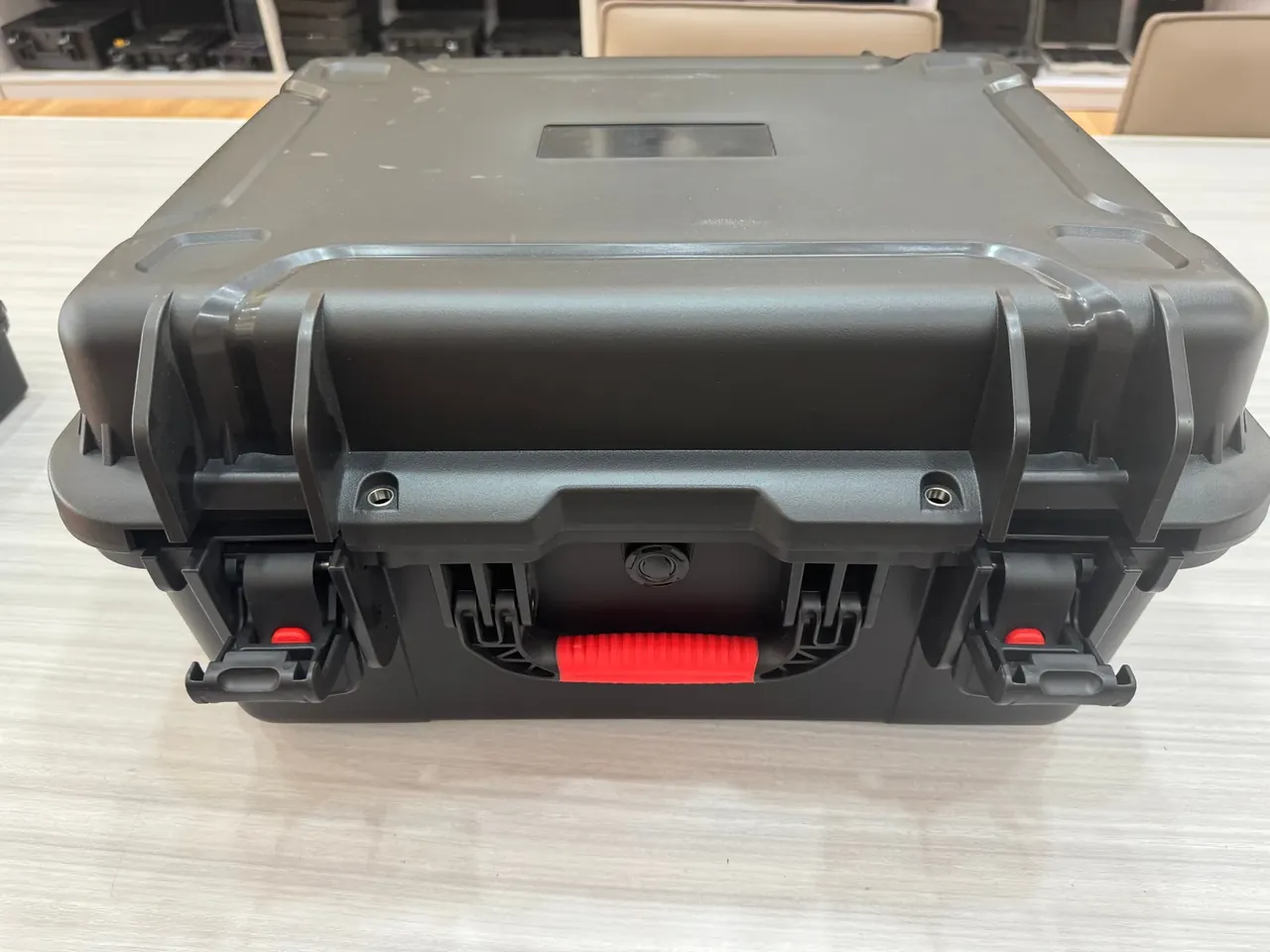
Volumetric weight is the second ruler. The crate measures 0.96 m³, or 160 kg; the case 0.73 m³, or 122 kg. Carriers bill the higher figure, so the 11.5 kg rarely counts and the 38 kg volumetric gap does the work.
Empty storage depends on nesting. Crates become flat board, 20 of them claiming 19.2 m³, while cases stack four high so 20 units take five stacks and 1.35 m³. At ¥8 per m³ a month that is ¥154 against ¥11, a monthly gap of ¥143.
Return freight needs its own line. Sending 20 empty cases back to the plant at 122 kg volumetric each fills a truck at 60 units, so one return costs ¥9 a case. Adding that to ¥19 gives ¥28 a trip, still about a fifth of the ¥140 crate.
5. Which trip breaks even
There is one formula for the break-even point: case price divided by the per-trip gap. That is 380 ÷ 121 = 3.14, so the crate is cheaper for three trips and the case takes over on the fourth.
| Trip | Crate total (¥) | Case total (¥) | Case saving (¥) |
|---|---|---|---|
| 1 | 140 | 399 | −259 |
| 2 | 280 | 418 | −138 |
| 3 | 420 | 437 | −17 |
| 4 | 560 | 456 | +104 |
| 6 | 840 | 494 | +346 |
| 10 | 1,400 | 570 | +830 |
| 20 | 2,800 | 760 | +2,040 |
Put the ¥9 return back in and the gap falls to ¥112, so 380 ÷ 112 = 3.4 and the fourth trip still holds; on unit price alone, 380 ÷ 101 = 3.8. Three routes, one line, which is what makes it safe to write into a purchasing rule.
Below four shipments, skip the case: one-off exhibition freight and sample dispatch fall in that band. Annual framework orders and any loop where empties return for reloading earn ¥121 on every trip from the fifth onward.
Capital is the last item: ¥38,000 tied up for 100 cases against ¥12,000 for 100 crates. At three trips a year the carrying cost outweighs ¥121, which is why the line sits at four.
Conclusion
Three numbers settle the plastic vs wood crate question: 380 ÷ 20 = ¥19 a trip for the case, (120 × 20 + 400) ÷ 20 = ¥140 for the crate, and a ¥121 gap, so 380 ÷ 121 = 3.1 and the fourth shipment breaks even. Add ¥9 of return freight and the gap narrows to ¥112; price the 11.5 kg at ¥6 per kg and break-even moves to the end of trip two. The action is one sentence long: count how many trips this packaging makes a year. Under four, buy crates; over five, buy cases; at three, push the lot to 40 crates so the treatment share drops from ¥20 to ¥10 and break-even slides to trip three.
This article discusses container-side specifications and design implications only, and does not cover any handling, loading or use of the contents.
Related Reading
- Wood packaging quarantine and ISPM-15
- Comparing export packaging options
- Case weight and freight cost
- Packaging cost as a share of total
Related Products
- 8 Series — Gun Cases; Military Equipment Cases; Camera Equipment Cases; Drone Cases; Watch Cases; Knife Cases; First Aid Cases; Electronics Equipment Cases
- WL8-2812 PP Gun Case — model WL8-2812
- All protective cases and toolboxes: 7 series, 158 models