

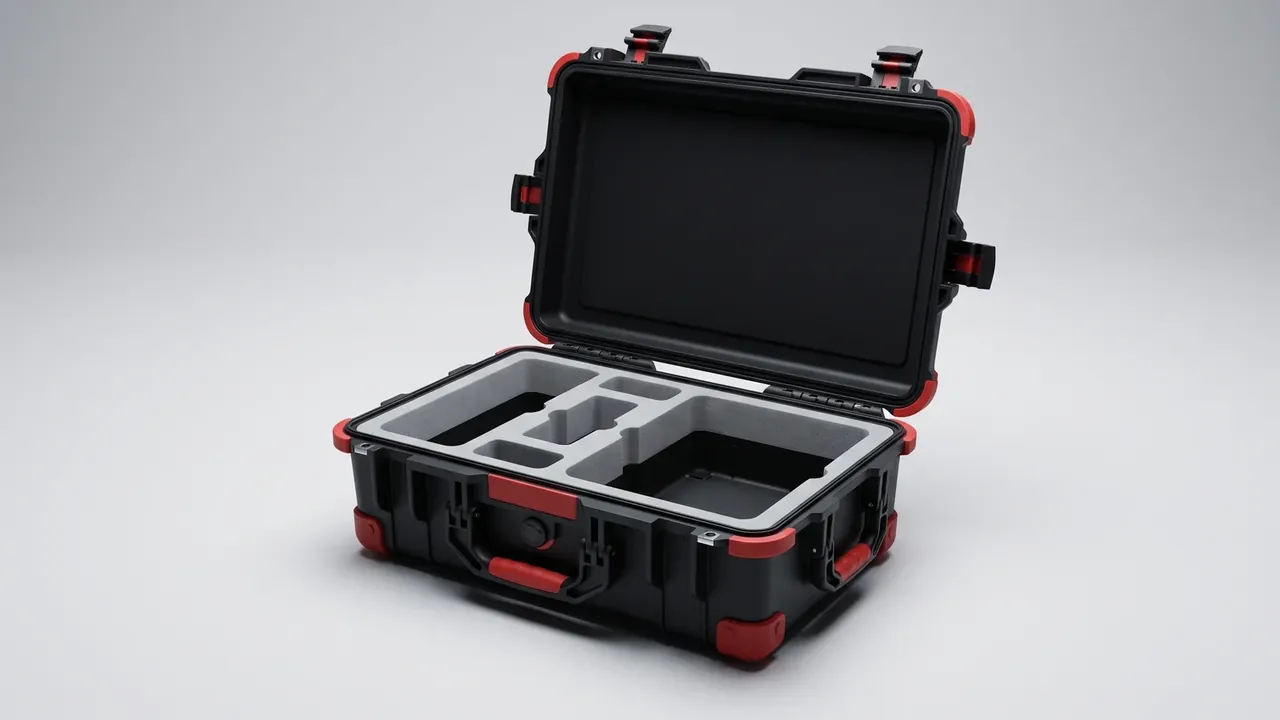
Quick answer: A medical case stays serviceable through four rhythms, not one annual overhaul: a seal check each shift, an internal check monthly, a 30 kPa pressure hold quarterly, a full assessment yearly. Four parts need replacing: gasket, latches, hinge pins and foam tray.
Table of contents
- A four-tier inspection rhythm for a medical case
- Latches and hinges: measure the gap before replacing
- The gasket: compression set is the only hard number
- Foam inserts: collapse, debonding and washing
- Records, spares and the scrap line
- FAQ
1. A four-tier inspection rhythm for a medical case
A medical case rarely fails in one event: the gasket flattens by a fraction of a millimetre, a latch loosens half a turn, the foam loses two millimetres. It looks serviceable every day, then one morning it no longer seals.
The tiers divide work by who can judge: the shift check never opens the case, the monthly reads latch rebound and gasket indents, the quarterly adds the pressure hold, the annual decides on service.
| Tier | Every | Action |
|---|---|---|
| Shift | 30 seconds | seal, cracks, bumpers |
| Month | 15 minutes | latch rebound, gasket indents |
| Quarter | 40 minutes | pressure hold, screw torque |
| Year | half a day | assessment, new label |
2. Latches and hinges: measure the gap before replacing
What fails first is not the shell but the two joints taking the opening load. Close the case and run a 0.5 mm feeler gauge along the rim: wherever it slips in, the rim is not pressed home.
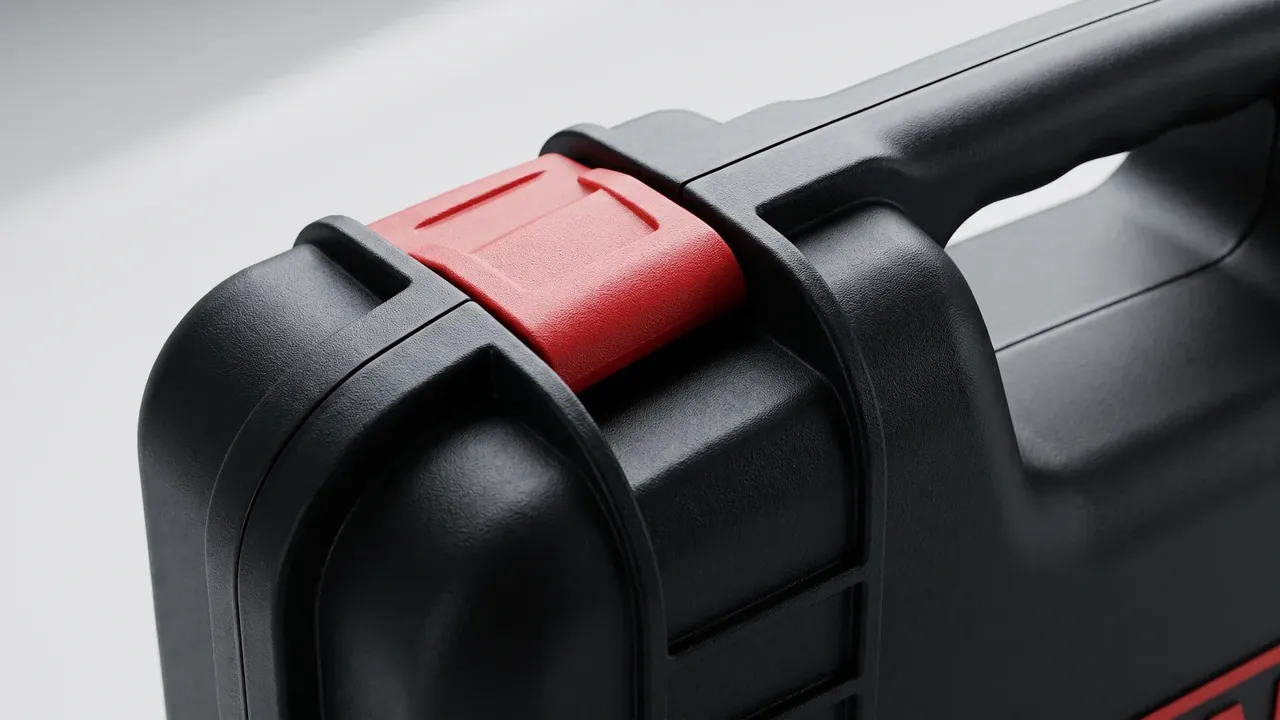
Hinge wear shows as rock. Past 0.8 mm of pin-to-bore clearance the lid swings sideways and drags the gasket into uneven contact. A new ring takes the same diagonal set within a month, so change the hinge first, then check screw torque at 1.2 N·m.
3. The gasket: compression set is the only hard number
The gasket has a defined life and is often waved through because it still looks fine. Silicone under compression takes a permanent set; past 30 percent it has lost the rebound that makes the seal, and no latch force brings it back.
Lay the ring flat for 24 hours and measure the section. New it is 8 mm; below 5.6 mm it is at the replacement line. Fold and release instead: a crease visible after ten seconds says the same thing.
| Part | Limit | Action |
|---|---|---|
| Gasket | section under 5.6 mm | replace ring |
| Latch | feeler passes 0.5 mm twice | adjust or replace |
| Hinge | clearance over 0.8 mm | replace set |
| Foam | rebound under 70 percent | replace tray |
Match the original hardness, usually Shore A 50 ±5. Every 10 points extra adds twenty percent to closing force: a tighter case for a week, a broken latch within a year.
4. Foam inserts: collapse, debonding and washing
Foam locates equipment; cushioning is a side effect. Cavities run about 1 mm larger than the device outline so compression grips the device. Once rebound after 25 percent compression drops under 70 percent, the cavity stops gripping and the device shifts in transit, where impact damage happens.
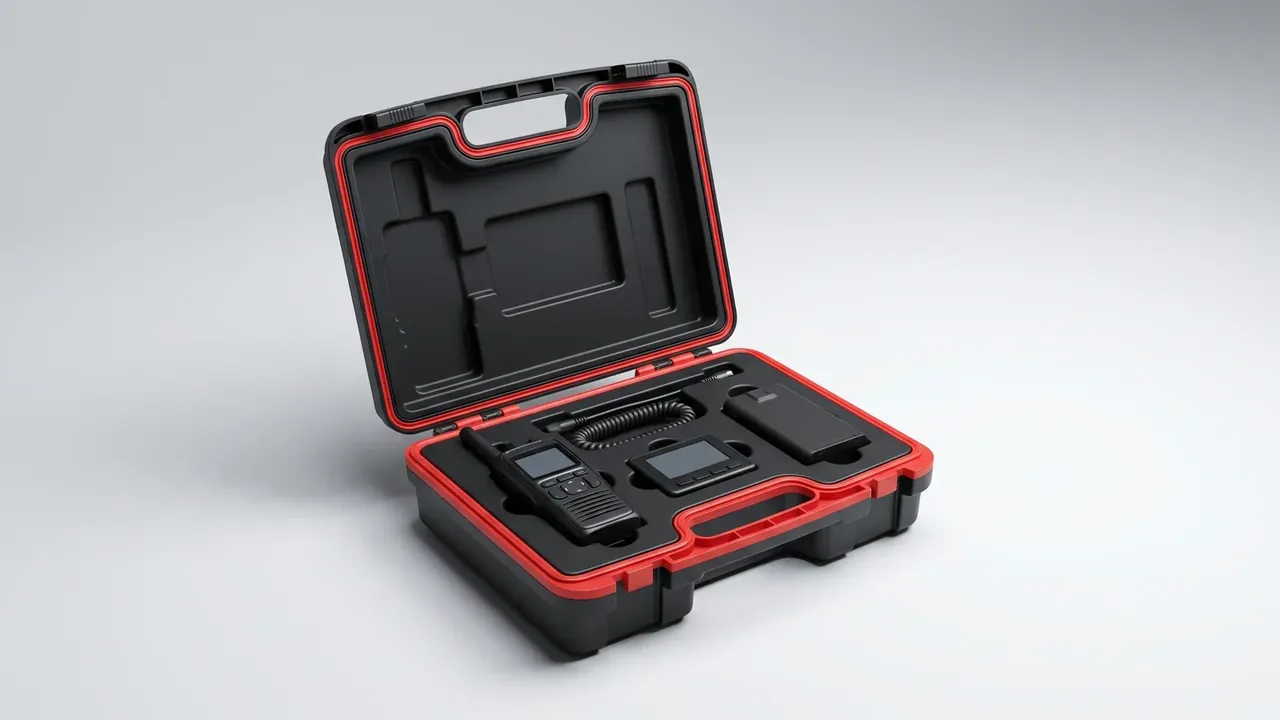
Wipe with 70 percent alcohol, leave 10 minutes, dry. Never soak the tray: water reaches the adhesive from the back first. Debonding starts at a corner, and one lifted edge means the whole sheet goes, because glue cures harder than foam.
5. Records, spares and the scrap line
A card with four columns is enough: date, item, verdict, initials, taped inside the lid. If seal date and card date differ, nothing proves the case stayed closed.
Hold ten percent of the fleet count in spares, twenty for gaskets, consumed at every quarterly and annual check. Store at 5 to 35 degrees Celsius, under 70 percent relative humidity, never beneath a heavy stack.
Three scrap conditions only: a crack through both walls, a sealing face missing material, a latch seat cracked across its width. A mildly distorted lid rim recovers in water at 60 degrees Celsius.
Conclusion
Keeping a medical case serviceable is scheduling, not technique: daily actions simple enough for a busy shift, verdicts specific enough to audit. Four spares, five limits and three scrap conditions on a card inside the lid replace judgement with a procedure anyone can follow. That is what keeps a medical case sealed two years later.
This article discusses only the container (case body) side of specifications and design intent, and does not cover any handling, loading or use of the contents.
Related Reading
- How a medical case is layered by order of treatment
- Medical cases at aid posts and in vehicles
- How the seal rating of a waterproof hard case is judged
- Installing and fixing a foam insert
Related Products
- 8 Series — Gun Cases; Military Equipment Cases; Camera Equipment Cases; Drone Cases; Watch Cases; Knife Cases; First Aid Cases; Electronics Equipment Cases
- WL8-2812 PP Gun Case — model WL8-2812
- All protective cases and toolboxes: 7 series, 158 models