

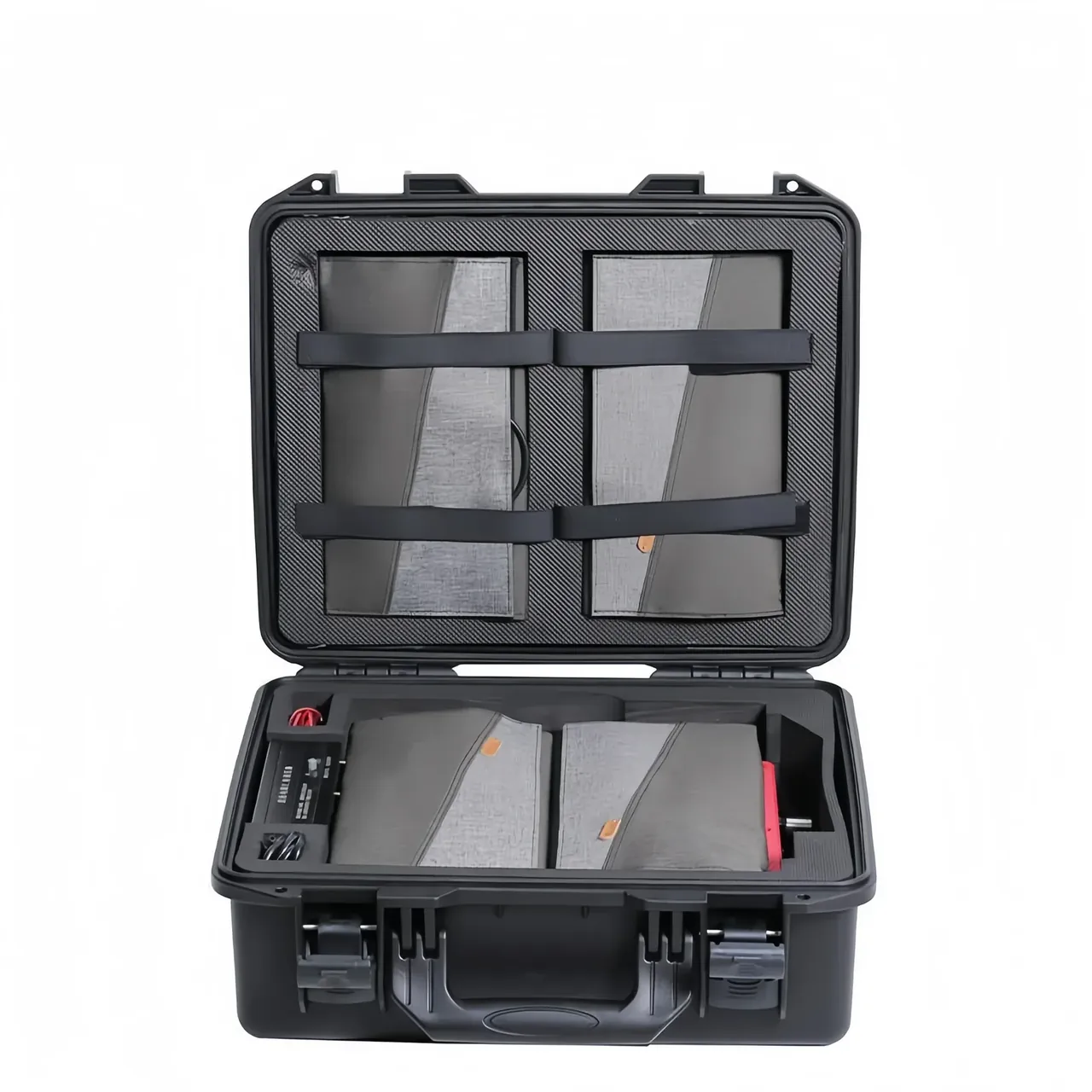
Quick answer: A Medical Device Protective Case is chosen by cleaning method first, then IP rating, clearance, foam and the paperwork that backs each claim.
Table of contents
- Half the range goes at the device category
- The IP rating is read backwards from cleaning
- Clamping, foam and where the mass sits
- Certificates: what is a real gate
- How to read a selection table
- FAQ
1. Half the range goes at the device category
Catalogues sort a Medical Device Protective Case by external size, which is the wrong first cut. Sort by payload instead. A handheld unit brings a slim probe and a tall body, so lateral drift is the failure to design against. Dressings fail under squeeze or heat. A battery tool needs airflow and a hard anchor. Those three demands pull the interior apart, and one shell rarely serves two.
Height comes first for the handheld group. With a cable coiled behind the probe, the lid liner is what gets hit, so usable height is the thickest stack plus 15 mm. Flatness comes first for dressings: a rib standing proud of the floor presses into a soft pouch.
| Category | First constraint | Configuration to strike out |
|---|---|---|
| Handheld diagnostic | Height over the probe | Shallow lid, glued liner |
| Dressings | Flat floor under pouches | Ribbed base, no insert |
| Battery tool | Airflow plus rigid anchor | Solid foam, no strap slot |
What this pass yields is a strike-out list, not a shortlist. Once the category is named, models that cannot serve it are gone.
2. The IP rating is read backwards from cleaning
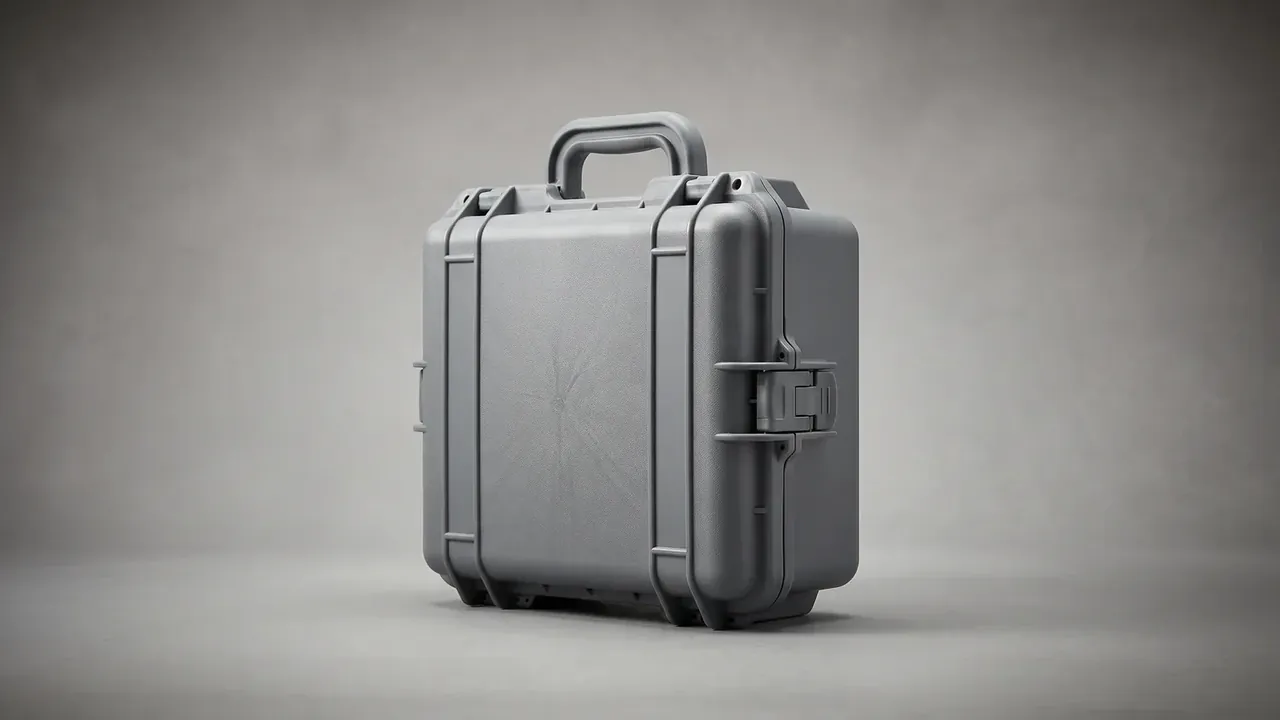
Cleaning is the action a ward repeats every shift, so it is the input and the rating is the output. Wipe the shell with 70% alcohol and the plastic must tolerate the solvent while the gasket must not swell. Hose it down and the second digit has to be 5 or 6, because IP67 covers only a 1 m, 30 min still-water immersion and says nothing about a jet. Store dry and the top rating buys a compression face maintained for no benefit.
| Daily routine | Rating needed | Gasket choice |
|---|---|---|
| Alcohol wipe | Dust-tight, solvent-stable | Silicone, low bloom |
| Low-pressure hose | Second digit 5 | Silicone at full squeeze |
| Short immersion | IP67 immersion item | Silicone or water-resistant EPDM |
Water temperature belongs in the same conversation. IEC 60529 asks that sample and water sit within 5 K, yet a Medical Device Protective Case wheeled out of a cold store is often dipped while still chilled; the gasket contracts and water enters at the thinnest run. Writing that into the acceptance criteria beats hunting for a bigger number on the datasheet.
Gasket and disinfectant are matched as a pair. Silicone tolerates alcohols better and costs more; EPDM handles steam and weak acids but swells in oil-based agents. Datasheets say food-grade silicone and stop there, so ask for a compatibility note naming both. That note decides whether the seal lasts two years or one.
3. Clamping, foam and where the mass sits
Harder foam is not steadier foam. Closed-cell EVA at 35 kg/m³ absorbs most handheld drops; raise the density and rebound quickens, so more shock reaches the device. A 1.5 mm gap per side is the comfortable middle: below 1 mm the instrument drags, above 3 mm it rattles in transit.
Mass decides the fixing method. When the centre of gravity sits high, a base pad alone lets the unit tip as the lid opens, so a second layer in the lid presses the upper edge. Above 4 kg or 300 mm long, add 25 mm strap slots either side of the centre-of-gravity projection, or the strap creates its own tipping moment.
| Fixing method | Best fit | Gap per side |
|---|---|---|
| Full cut foam | Fixed-shape handheld unit | 1.5 mm |
| Strap and pressure plate | Long tools, battery packs | Up to 3 mm |
| Tray plus foam | Many variants, small batches | 1–2 mm |
Hinge and latch are the loaded ends of a Medical Device Protective Case and the first line a datasheet simplifies. A hinge rated for 20000 cycles and a latch holding 300 N cover most mid-size shells. Latch count follows length: past 450 mm, two points leave the middle of the gasket uncompressed.
A selection call: below 1 mm or above 3 mm per side, with a cleaning method that does not match the seal material, and the model is the wrong one.
4. Certificates: what is a real gate
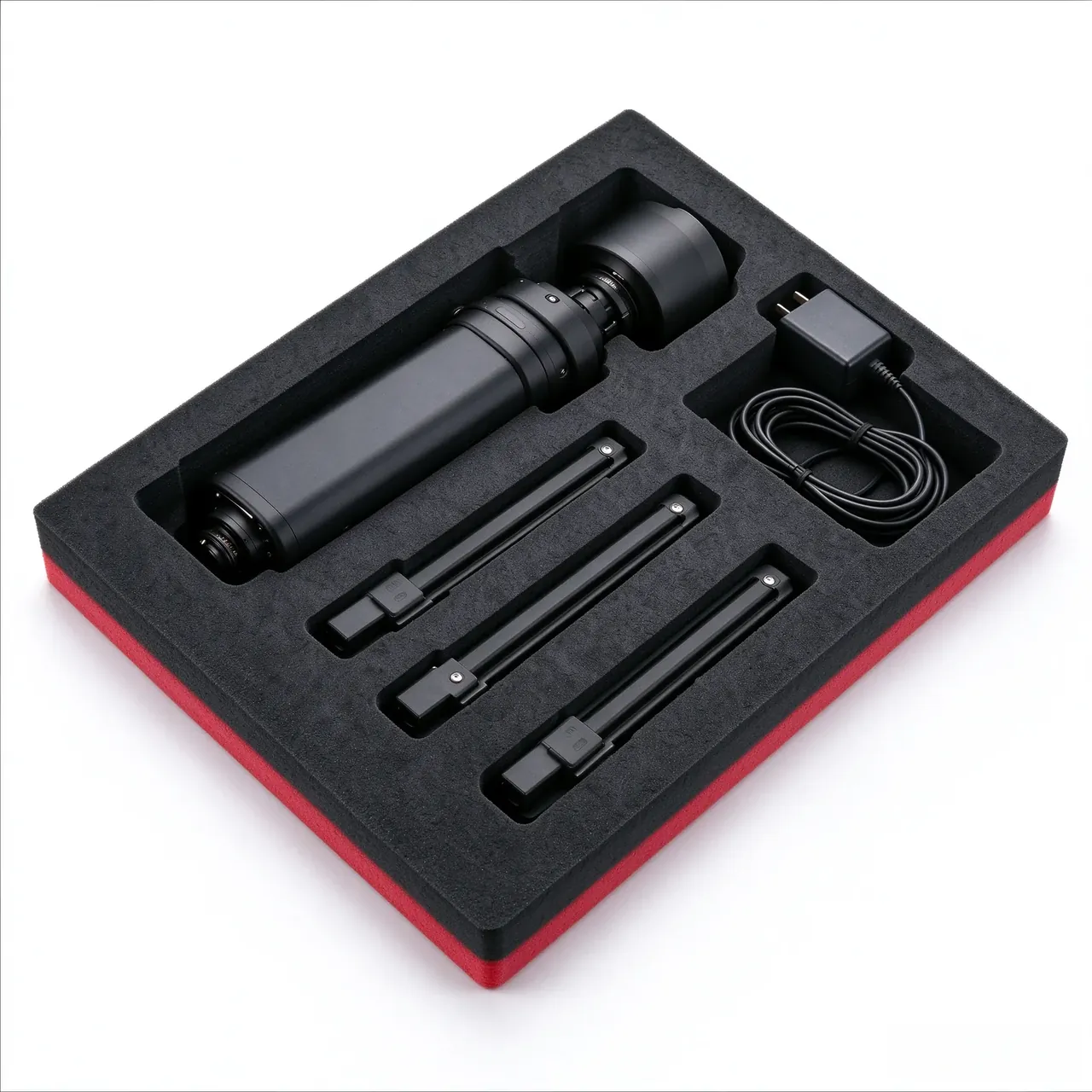
Buyers paste IEC 60601-1 into a Medical Device Protective Case purchase clause, which is a category error: the standard governs basic safety and essential performance of medical electrical equipment, and the shell sits outside its scope. What a case can do is stay out of the way when the device is retested — no leaching, controllable residue, no plasticiser from the seal, no film left on the instrument.
Three documents are the real gate. An ingress report traceable to the immersion item, citing IEC 60529 or GB/T 4208. A material statement covering composition and migration. A retention record for latch and hinge. Each carries conditions that can be checked; a certificate without conditions reads like a brochure.
Read conditions, not verdicts. A 1 m, 30 min run and a 2 m, 60 min run are different evidence for the same shell, and an empty sample cannot stand in for a ballasted one. An IP68 claim on a Medical Device Protective Case with no depth and no duration cannot be repeated, so send it back.
5. How to read a selection table
Vendor tables for a Medical Device Protective Case are sorted by outside dimensions, and reading them that way produces two mistakes: treating outside volume as interior space, and treating the top rating as a general one. Read the cleaning row first, then the rating, then the fixing method; only after those three line up does size deserve a look.
Temperature rise is the column most often dropped. A sealed Medical Device Protective Case left 4 h at 30 ℃ can climb 8 ℃ inside, which puts a battery pack near its ceiling; if the table lists no venting or pressure relief, ask before the goods arrive.
One more column is read as decoration: loaded weight. A 5 kg instrument plus 3 kg of foam and shell puts the dynamic load on one hand near twice the static figure, and the handle root fails first. A table that states loaded weight is worth more than one that adds another volume figure.
Conclusion
A Medical Device Protective Case narrows in four steps, each removing models rather than adding features: category, cleaning routine, clamping with mass, then paperwork. Skip a step and every later price comparison rests on nothing. Keep one line in view — ask how it is cleaned before asking what it is rated for.
Related Reading
- Choosing a medical case: five checks on the receiving dock
- Hard plastic case with a foam insert: the 1.5 mm question
- What IP67 immersion actually covers
- Where medical cases work: first aid points and field kits
Related Products
- 8 Series — Gun Cases; Military Equipment Cases; Camera Equipment Cases; Drone Cases; Watch Cases; Knife Cases; First Aid Cases; Electronics Equipment Cases
- WL8-2812 PP Gun Case — model WL8-2812
- All protective cases and toolboxes: 7 series, 158 models