

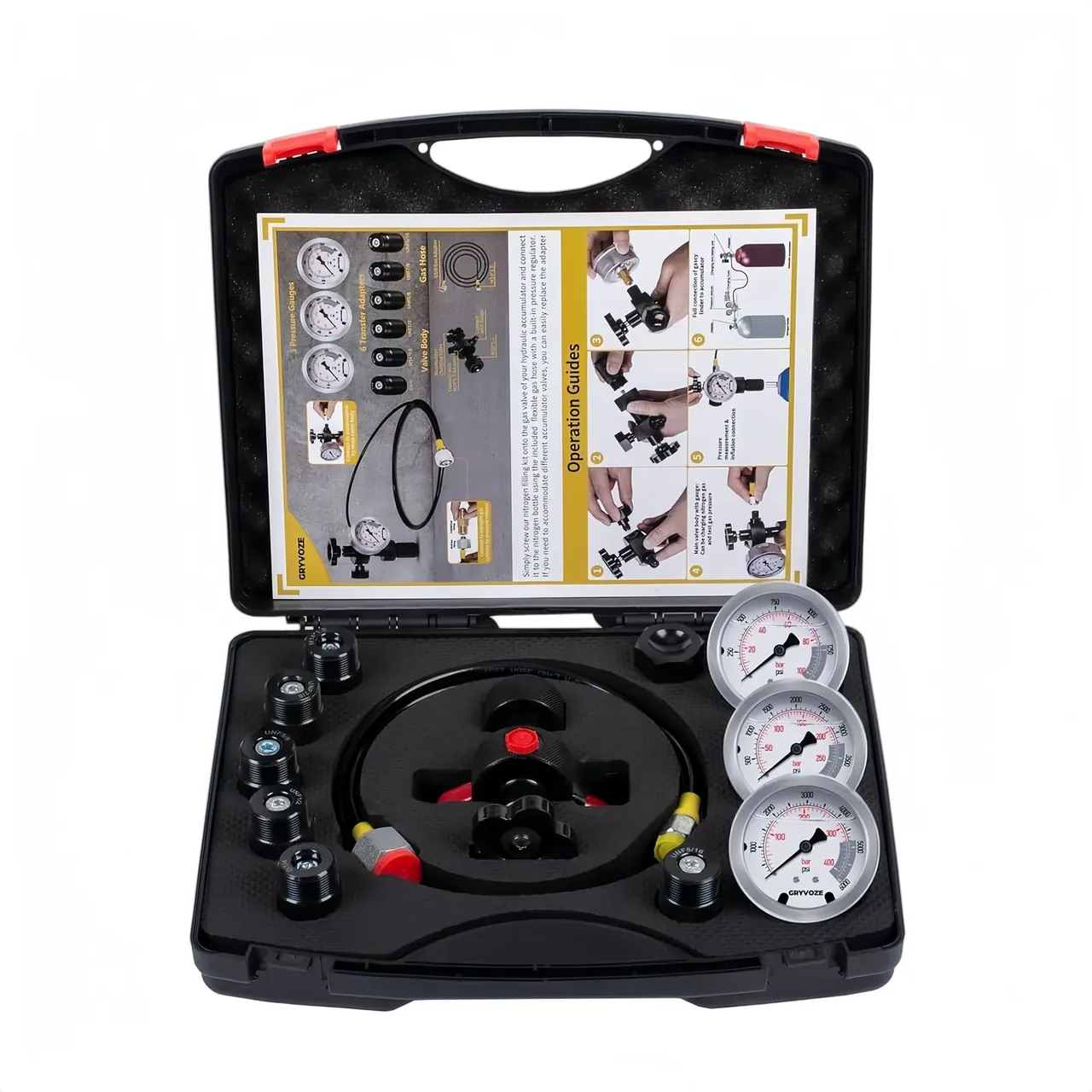
Quick answer: Medical portable microscope protective briefcase holds the optical axis with a Ø60 mm seat and a 12 mm pad inside a 380 by 300 by 160 mm shell.
Table of contents
- Tube orientation constraint in the Medical portable microscope protective briefcase
- A Ø60 mm seat under a 12 mm pad
- Holding the cavity below 40 percent RH
- Inertial load on the tube in a 1.0 m drop
- Grip feel when the handle sits 20 mm off centre
- FAQ
1. Tube orientation constraint in the Medical portable microscope protective briefcase
What moves first when the case is lifted is not the shell but the tube, rocking a degree or two. The Medical portable microscope protective briefcase constrains the axis, not the tube: upright, locating faces top and bottom, so it seats vertically and the Ø60 mm bore takes the lateral side.
Constraint is not clamping: a clamp loads a thin wall at a point, and a yielded point leaves the axis off for good. The seat cradles instead: 2 mm per side, weight on the pad, direction from a 15° guide ring.
Upright also settles bending: self weight along the axis is pure compression, while laid flat the bore becomes a cantilever whose deflection grows with the cube of span.
| Constraint | Location | Allowance |
|---|---|---|
| Guide ring | top of lining, 15° flare | 2 mm per side to the tube |
| Mid seat | Ø60 mm bore in the base | 2 mm per side, wall 3.0 mm |
| Base pad | top face of the 12 mm pad | static compression ≤25 percent |
The allowances add to under 6 mm; widen them and the tube gains lateral travel, strikes the bore and rebounds, one impact becoming two.
2. A Ø60 mm seat under a 12 mm pad
On the Medical portable microscope protective briefcase the bore is Ø60 mm, leaving 2 to 3 mm per side on a typical tube; the wall runs 3.0 mm and the pad sits 12 mm below. The pad does not soften the seat, it stretches the stop into 12 mm of travel at a 1.0 m drop.
EVA at 70 kg/m³ carries 180 kPa at 25 percent compression, and 12 mm losing 3 mm lands in that band. The bore floor is 2,827 mm², though the tube only presses a 6 mm ring, about 1,000 mm². Pad and bore depth are set together: in the 120 mm cavity, pad plus rib take 20 mm and the guide ring 15 mm, leaving length to keep the lid clear.
Twelve millimetres is the floor: thinner and the pad bottoms out, handing the impact to the base; thicker and the lid closes on the guide ring. On the Medical portable microscope protective briefcase pad thickness lives on the seat drawing, so a pad change is a bore change.
3. Holding the cavity below 40 percent RH
The Medical portable microscope protective briefcase has a 340 by 260 by 120 mm cavity, 10.6 L; with 3.8 kg loaded about 5 L of free air remains. Reaching 40 percent RH means giving moisture somewhere to go, not sealing everything out.
At 25 °C saturated air holds 23 g/m³, so 65 percent RH is 15 g/m³ and 5 L carries 0.075 g; 40 percent removes 0.03 g. The real load is the lining plus air swapped 25 times a day, tens of grams a month.
Fifteen grams of indicating silica gel absorbs about 3 g at 20 percent uptake, enough for 30 days, then regenerates at 120 to 150 °C for 2 to 3 h. It sits in its own hatch, so an opening does not pull room air through it.
| Measure | Setting | Criterion |
|---|---|---|
| Silica gel | 15 g, 20 percent uptake | swap or regenerate at 30 days |
| Hygrometer | electronic, ±5 percent RH | salt check at 75 percent RH yearly |
| Rim seal | single pass, 25 percent compression | ≤40 percent RH after 24 h shut |
Single-pass sealing is the premise: too little compression and the gel saturates in three days, too much and closing force climbs.
4. Inertial load on the tube in a 1.0 m drop
A Medical portable microscope protective briefcase in a 1.0 m free fall lands at 4.43 m/s; stopping that inside 12 mm gives 817 m/s², about 83 G.
At 1.6 kg the tube sees 1.3 kN over the 1,000 mm² ring, 1.3 MPa against EVA at 180 kPa. The pad bottoms out; the rest comes from base ribs and flexure of a 3.0 mm floor.
Reaching the 40 G line common to optical assemblies needs about 25 mm; pad plus base deflection gives 17 mm and the carton the last 8 mm. That is the ceiling of one stage: the case holds 40 to 80 G, the carton holds below.
| Event | Peak and load | Criterion |
|---|---|---|
| Base drop, 1.0 m | about 83 G, 1.3 kN | pad compression ≤80 percent |
| Side drop, 1.0 m | 1.3 kN lateral component | bore free of whitening |
| Shut, 24 h | tube weight about 16 N | 3 mm clearance at the guide ring |
On a Medical portable microscope protective briefcase a side drop turns the same inertia into a lateral push carried by 3.0 mm of wall plus the base ribs, and the bore whitens before the ring dents.
5. Grip feel when the handle sits 20 mm off centre
A loaded Medical portable microscope protective briefcase is 5.8 kg, handle on the midpoint of the 380 mm side. A 20 mm offset in the centre of gravity produces 1.14 N·m, and the case turns about the handle until it balances.
The tilt follows the drop from grip to centre: at 100 mm, tan θ = 20 ÷ 100 and θ is about 11°, small in itself but corrected 25 times a day.
The fix is to move the handle 20 mm along the side so the grip sits over the centre, not to widen it. A 30 by 90 mm grip face carries 57 N, about 21 kPa, which is no burden; the 11° is.
The same 20 mm offset drops the opening moment by 1.14 N·m, so the lid feels light up and heavy down.
Conclusion
The Medical portable microscope protective briefcase defends an axis, not a shell. Upright seating with 2 mm per side keeps travel axial; the Ø60 mm seat and 12 mm pad turn a 1.0 m drop into about 83 G and 17 mm, the last 8 mm handed to the carton. Humidity holds under 40 percent RH on 15 g of gel and a single-pass seal, and moving the handle 20 mm removes the 11° tilt.
Related Reading
- Custom foam layouts and cut depths for diagnostic cases
- Anti-static shells for precision instrument cases
- Cushioning logic for laboratory glassware transit cases
- Cavity volume and usable ratio after corner radii
Related Products
- 8 Series — Gun Cases; Military Equipment Cases; Camera Equipment Cases; Drone Cases; Watch Cases; Knife Cases; First Aid Cases; Electronics Equipment Cases
- WL8-2812 PP Gun Case — model WL8-2812
- All protective cases and toolboxes: 7 series, 158 models