

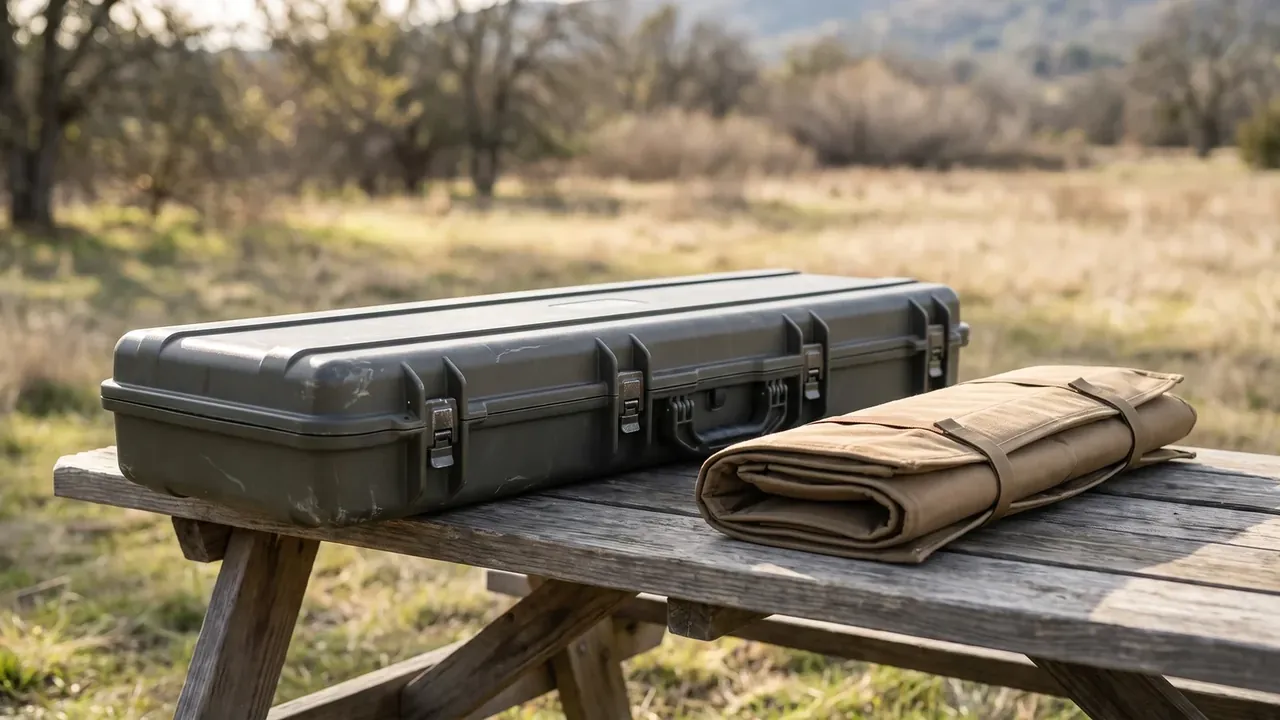
Quick answer: Acceptance of a missile box needs three layers of evidence at once — the numbers written into the contract, the test method in the inspection procedure, and the age of the third-party report. The certificate is one page of that stack. On site you still re-measure air tightness at 30 kPa, stacking at 3 high for 24 hours, and a 1.2 m drop.
Table of contents
- Three Layers of Evidence Behind a Missile Box
- Measuring On Site: Air, Stack and Drop
- Four Ways to Handle a Failure
- Sampling Ratios and Records
- FAQ
1. Three Layers of Evidence Behind a Missile Box
The usual routine is to ask for a certificate, receive it, and sign the goods in. That certificate describes one moment of factory sampling. It does not state the sampling ratio, the test method, or the pass line.
The first layer is the contract annex, and its job is to pin numbers down: cavity 1450 mm by 400 mm by 360 mm, wall 7 mm, 128 kg loaded, 30 kPa held for 5 minutes with no more than 2 kPa decay. A clause reading meets service requirements is not a clause.
The second layer is the maker's inspection procedure, fixing how each figure is produced: a 0.5 class gauge, 128 kg stack weight, 50 mm concrete floor. The same missile box measured two ways can land in two grades, and the procedure exists to remove that freedom.
The third layer is the third-party report, which fixes age. Salt spray at 240 hours, -40 °C to 65 °C for 10 cycles, vibration on 3 axes at 30 minutes each: run in-house, these are only a screen, and a report older than 24 months is re-run.
| Layer | Document | Governs | Without it |
|---|---|---|---|
| One | Contract annex | Sizes, load, decay limit | No basis in a dispute |
| Two | Inspection procedure | Gauge class, weights, method | Two results, one box |
| Three | Third-party report | Salt, temperature, vibration | In-house data is a screen |
2. Measuring On Site: Air, Stack and Drop
Air tightness is the test most often performed for show. Block the relief valve, charge to 30 kPa, hold 1 minute and record the start value, then read again after 5 minutes: under 2 kPa of decay passes, 2 to 4 kPa triggers extra sampling, over 4 kPa fails.
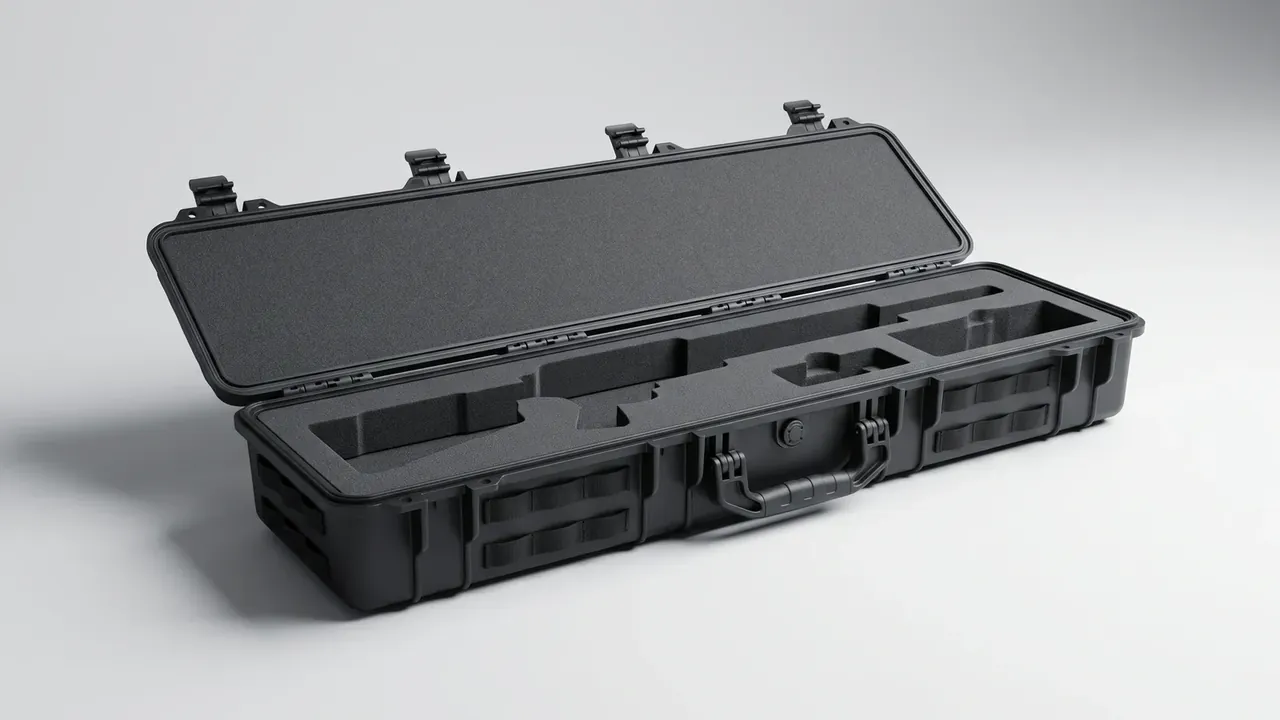
Stacking a missile box runs 3 high for 24 hours at 1.5 times the 128 kg load, so 192 kg. Read 5 points — four corners and the centre — and fail the case at 3 mm anywhere. Corners usually settle 1 mm deeper than the centre.
The drop sequence is 6 faces, 3 edges and 1 corner from 1.2 m onto a 50 mm concrete floor. Three things are judged: no through-crack in the shell, peak acceleration in the cavity under 60 g, and foam displacement under 3 mm once the lid opens.
Salt spray and thermal cycling are checked by report plus spot test. After 240 hours, slight dulling on loops and hinges is acceptable and red rust is not; after 10 cycles from -40 °C to 65 °C, gasket compression must still hold above 24%.
3. Four Ways to Handle a Failure
A failed missile box does not automatically go back. Grade the defect first, then pick the route; the table below is the whole decision.
Repairing a missile box needs a process card listing weld temperature, grinding allowance and the re-test result, signed at each step. Without it the next inspector cannot tell the case was touched.
| Class | Typical defect | Action | Re-check |
|---|---|---|---|
| A | Through-crack, decay over 4 kPa | Whole batch returned | 100% |
| B | Size error within 1 mm | Repair, then re-test | Spot test in 48 h |
| C | Wrong marking, missing parts | Accept with deduction | 16 more units |
Class A sits under 3% of a batch and still decides where it goes.
4. Sampling Ratios and Records
Sampling a missile box follows AQL 1.0: 8 units from a 200-piece batch, 13 from 500. The first article is always inspected to settle mould and process settings, not to replace sampling.
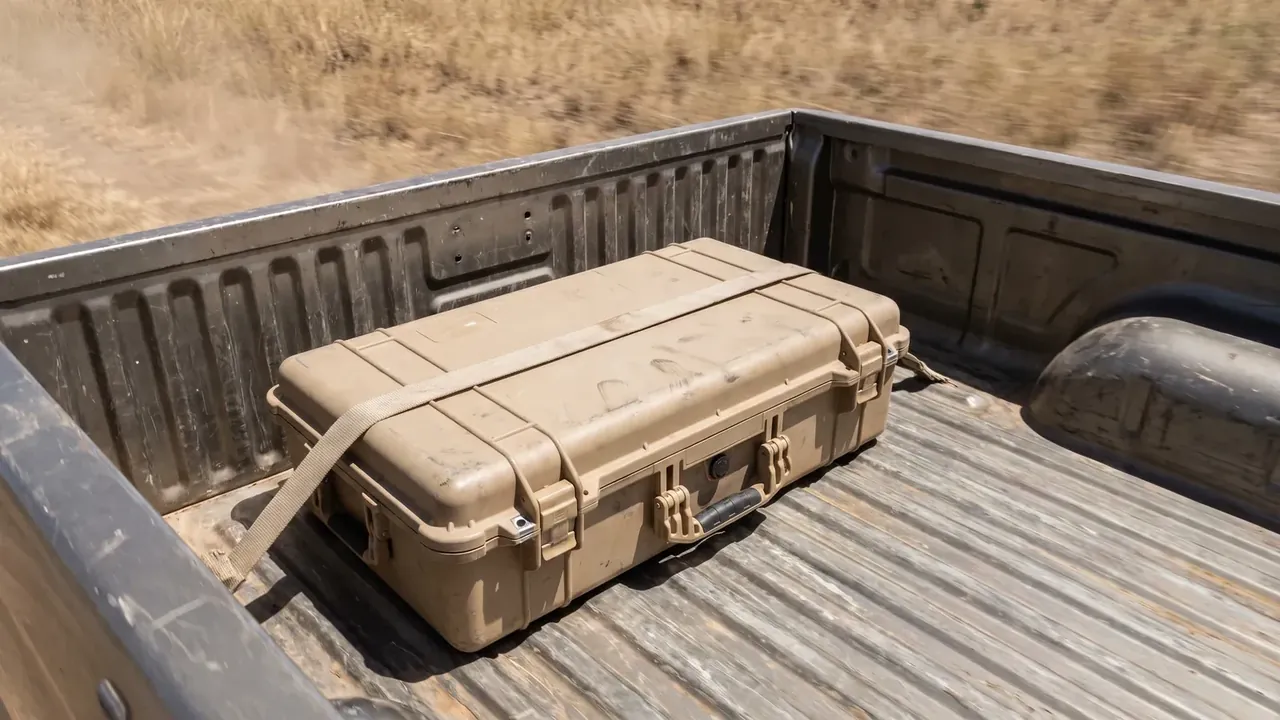
Two failures in the sample bring 16 more units; a single failure among those sends the batch to 100% inspection. Put that rule in the contract, or a sample will be argued to speak for the batch.
Records for each missile box are kept 5 years, indexed by both box number and batch. Each acceptance sheet carries 3 signatures: inspector, store receiver, supplier representative. An unsigned sheet is void in a trace, and a trace has 48 hours to name a cause.
Conclusion
Acceptance holds only when the evidence chains up: the contract fixing 30 kPa and 2 kPa, the procedure fixing 192 kg and a 50 mm floor, the report fixing 240 hours and a 24-month limit. Add the 16-unit rule and 5 years of records to the terms, and a missile box is judged by clauses, not by whoever is standing there.
This article discusses only the container (case body) side of specifications and design intent, and does not cover any handling, loading or use of the contents.
Related Reading
- Securing and monitoring a case in long transit
- Matching cavity size to cushioning layout
- Acceptance items and pass lines for shell cases
- Batch control in military packing inspection
Related Products
- 8 Series — Gun Cases; Military Equipment Cases; Camera Equipment Cases; Drone Cases; Watch Cases; Knife Cases; First Aid Cases; Electronics Equipment Cases
- WL8-2812 PP Gun Case — model WL8-2812
- All protective cases and toolboxes: 7 series, 158 models