

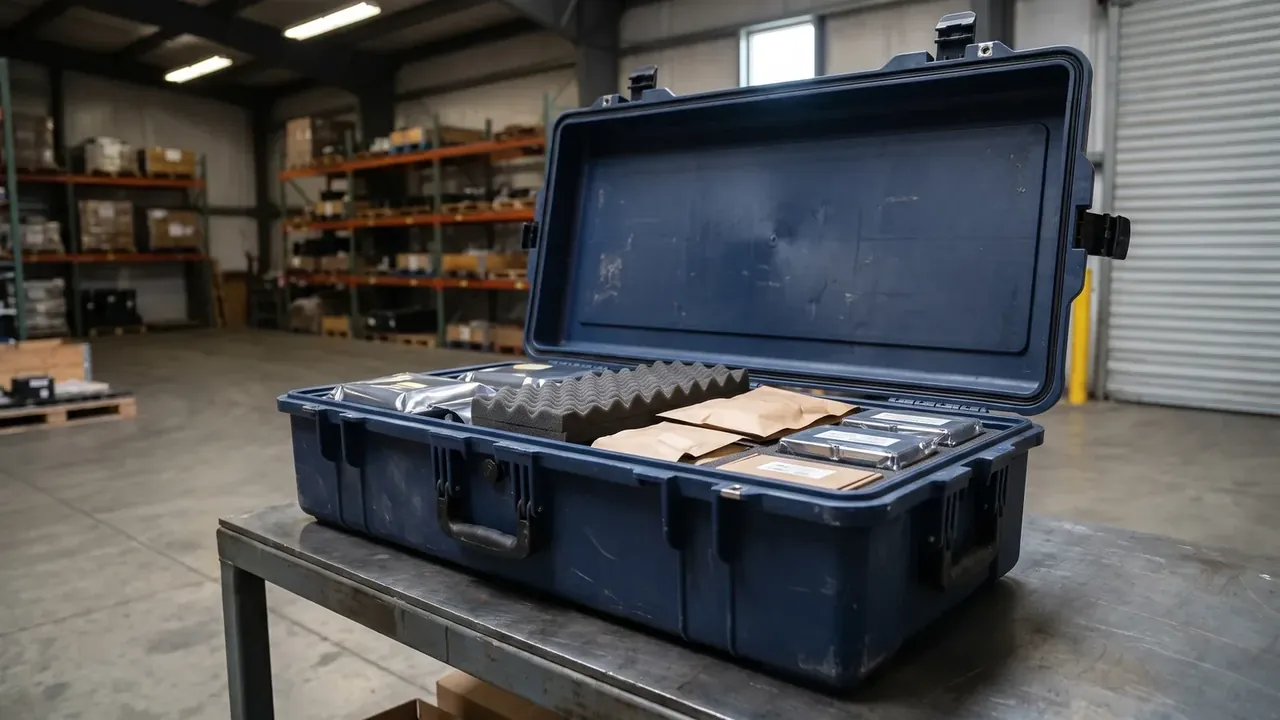
Quick answer: A case material cert needs 2 documents per material: a 16-section MSDS read at 3 sections and a 3-page RoHS report with 10 substances.
Table of contents
- Which documents the pack needs
- Three of the sixteen MSDS sections
- Checking the ten RoHS substances
- Expired reports and wrong lots
- FAQ
1. Which documents the pack needs
A buyer asks for a RoHS report and receives a 3-page PDF. Page one names grade PP-301, while the case in the warehouse says PP-305; the report is dated March 2025 and the incoming label says June. Two mismatches, and the paper cannot be used.
A case material cert is not one document but a pack: one MSDS and one RoHS report per material, plus one lot-correspondence sheet. A standard protective case usually carries 3 materials — PP shell, PA66 hinges and latches, TPE gasket — so the pack is 6 documents and 1 sheet.
Three checks run in order: grade against the purchase order, report date inside 12 months, and lot number matching the incoming label one to one. Only when all three line up is the pack complete.
Issuers differ: the MSDS comes from the resin maker and the report from a third-party lab, so different names are normal, but an issuer unrelated to the supplier needs explaining.
2. Three of the sixteen MSDS sections
The thickest document in the pack is the MSDS, 16 sections long. A buyer needs section 3 on composition, section 9 on physical properties and section 15 on regulatory information; the other 13 sections cover transport, fire, first aid and spills, and belong to the warehouse and the safety officer.
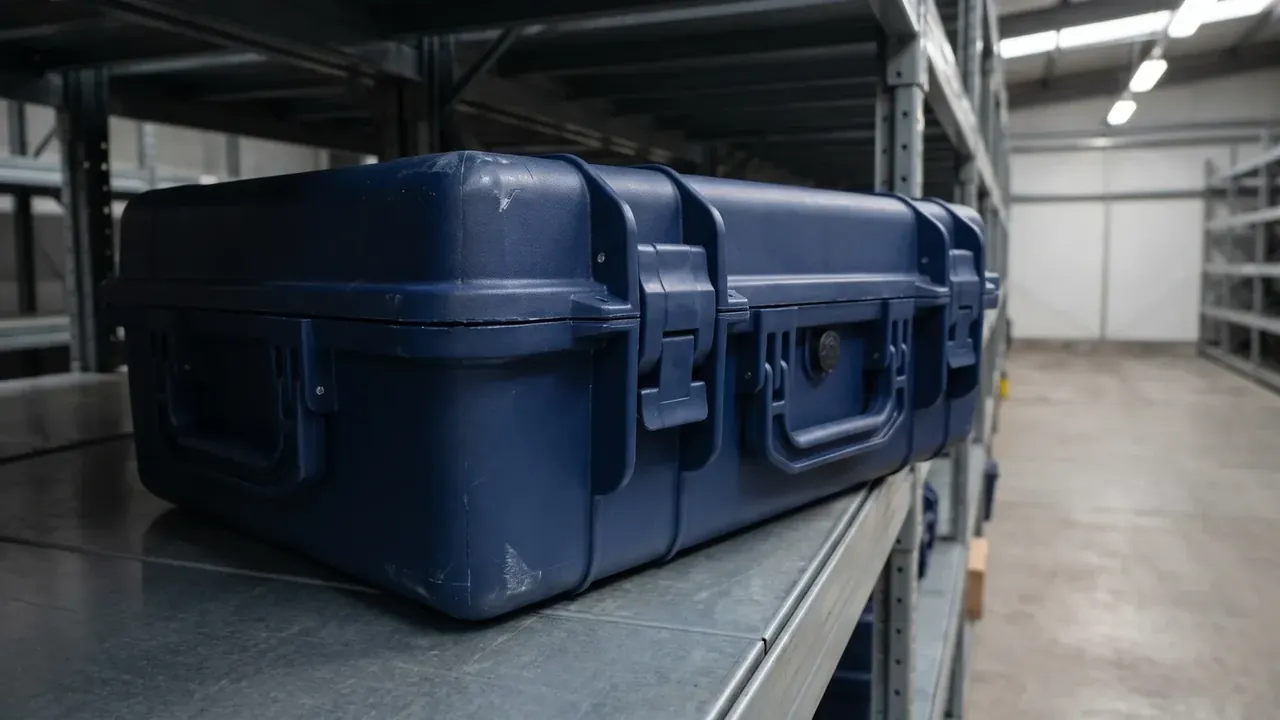
Section 3 lists the resin grade and additives. A PP shell with flame retardant shows it as a separate entry, a PA66 latch usually states 30% glass fibre, and a TPE gasket is checked for phthalate plasticisers. If this section does not match, the RoHS report behind it does not need reading.
Section 9 gives density and softening point. PP homopolymer sits at 0.90 to 0.91 g/cm³ and copolymer near 0.90; a density off by 0.02 g/cm³ usually means a different grade or regrind in the blend.
Section 15 carries the regulatory statement. Saying “complies with RoHS” without the 10 substances and their limits is the same as saying nothing; the entry needs items, or a report number that can be traced.
| Section | Title | What a buyer reads |
|---|---|---|
| 3 | Composition | Resin grade, glass fibre content, flame retardant, plasticiser |
| 9 | Physical properties | Density 0.90–0.91 g/cm³, softening point |
| 15 | Regulatory | The 10 substances, limits, report number |
| The other 13 | Safety and response | Skip; warehouse and safety officer |
Do not skip the version page. The MSDS carries a revision number and date, and that is where the validity of the whole pack starts: an unchanged formula keeps one version for years, while a formula change always bumps the revision and forces a new report.
Reading takes five minutes in order. Open section 3 and confirm the grade. Turn to section 9 and match density. Check section 15 for the substance list. Finish on the version page and compare dates.
Softening point defines the process window. PP softens near 150 ℃ while case moulding runs at 200 to 230 ℃, so 50 ℃ of margin keeps flow stable; a grade quoting 165 ℃ usually carries mineral filler, and its density drifts with it.
3. Checking the ten RoHS substances
The second document is the RoHS report, with 10 substances under two limits: lead, mercury, hexavalent chromium, PBB, PBDE, DEHP, BBP, DBP and DIBP at 1000 ppm each, and cadmium at 100 ppm. Limits apply to homogeneous materials, not to the finished case.
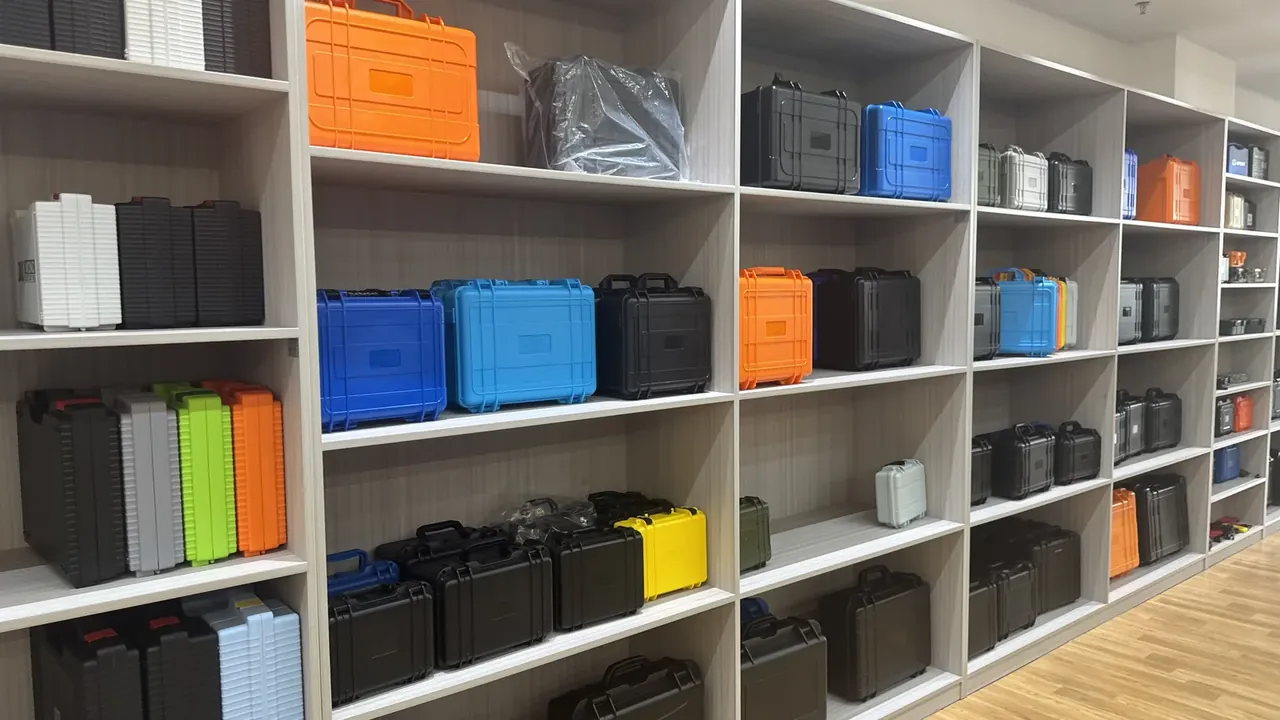
A homogeneous material is the smallest unit that cannot be separated mechanically. One PA66 latch is resin, 30% glass fibre and masterbatch, and each of those three must pass before the latch passes. A report saying “case compliant” without a material list carries less weight than a per-material table.
The 3 pages follow a fixed layout: page one for sample information and conclusion, page two for method and equipment, page three for the 10 data rows. Read page three: every row shows a value or ND, and a report with only “Pass” and no numbers is usually a template fill.
Validity runs 12 months. That is procurement practice rather than a legal rule: a stable formula needs one retest a year, and past 12 months an audit will ask for a fresh report, which a third-party lab turns around in 5 to 7 working days.
Lot correspondence is the step people skip. Page one carries a sample number and submission date; the incoming label carries a lot number; the two must match. When they do not, the report proves that some lot was compliant, not that this shipment is.
Read ND with care. ND means below the method detection limit, not zero: a method with a 10 ppm limit returning ND only shows the substance sits under 10 ppm.
4. Expired reports and wrong lots
Expiry comes in two forms. Past 12 months with an unchanged formula: take a no-change declaration, attach the old report, release for 3 months and write the retest plan on the release note. Past 12 months with a changed formula: reject, with no room to negotiate.
Lot mismatches come in three forms. The report covers March and the goods are June: ask for the June incoming resin record and masterbatch lot, then use it. The report names a grade but no lot: ask for a per-lot sheet. The report names another grade: no concession, return it.
Missing pages and screenshots are refused. Three pages minus page three is no data at all, and a phone screenshot without a report number or stamp cannot be traced in an audit.
Put the clock in the purchase order: 5 working days to close a hold, after which the delay counts as late delivery. Every day a case material cert stalls is a day of material the line does not have.
Releases during a retest carry conditions: the lot goes only to non-export orders and never mixes with released stock. Written on the release note, the condition tells the warehouse how to segregate.
One case needs its own rule: the supplier changes material without changing the report. PP-301 becomes PP-305, density and softening point both move, and the report is still last year's. That is not expiry but invalidity, and nothing ships until a new test lands.
Audits ask for three grades side by side: purchase order, MSDS and page one. If they line up, the audit closes; if not, an explanation costs 3 days.
Conclusion
A case material cert is judged in two steps: material first, then time. Grade, homogeneous material and lot number must match one to one, and the report must sit inside 12 months; four conditions together allow release, and one gap means a hold with 5 to 7 working days for a retest.
| Material | Part | Documents | Key checks |
|---|---|---|---|
| PP | Shell | 1 MSDS + 1 report | Density 0.90–0.91 g/cm³, 10 limits |
| PA66 | Hinges, latches | 1 MSDS + 1 report | 30% glass fibre, flame retardant |
| TPE | Gasket | 1 MSDS + 1 report | Phthalates, cadmium at 100 ppm |
The validity line reads: a report within 12 months of the incoming date with an unchanged formula goes straight through; past 12 months with an unchanged formula, release for 3 months on a no-change declaration and queue the retest; any formula change, however recent the date, goes back for testing.
This article discusses container-side specifications and design implications only, and does not cover any handling, loading or use of the contents.
Related Reading
- RoHS and REACH compliance points
- CE and RoHS certification for cases
- Tracing raw material lots
- Choosing gasket materials
Related Products
- 8 Series — Gun Cases; Military Equipment Cases; Camera Equipment Cases; Drone Cases; Watch Cases; Knife Cases; First Aid Cases; Electronics Equipment Cases
- WL8-2812 PP Gun Case — model WL8-2812
- All protective cases and toolboxes: 7 series, 158 models