

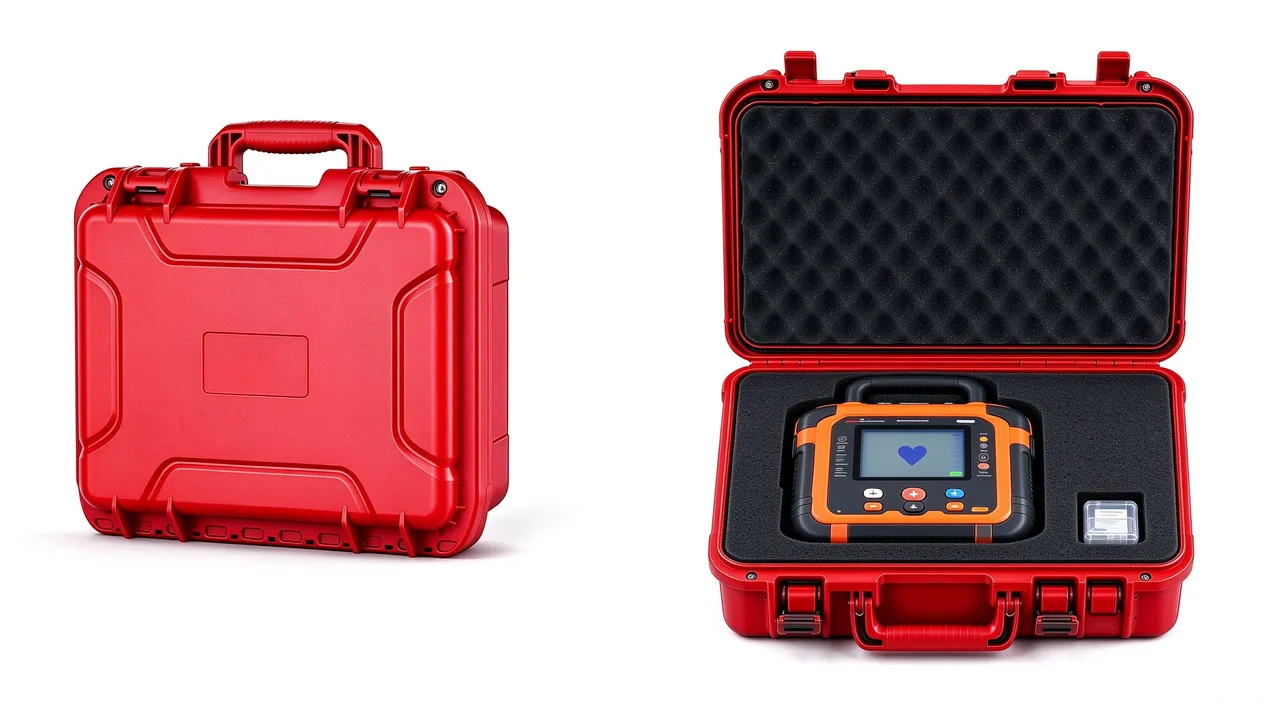
Chemical compliance for cases covers the systematic control of restricted substances such as lead, cadmium, hexavalent chromium, mercury, phthalates, and short-chain chlorinated paraffins across the raw materials, auxiliaries, surface treatments, and packaging of protective cases, transit cases, and instrument cases, and the documentation of results through lists, declarations, and test reports. For electronics exporters, cases are rarely regulated as products in their own right, yet they travel with equipment into controlled markets, and their plastics, coatings, seals, foam, webbing, and nameplates all fall within regulatory view. Auditors rarely ask whether a case is strong; they ask whether the supplier can state what each homogeneous material contains, what the limits are, who tested it, and under which declaration. Experience shows that managing a case as an assembly of materials, building a homogeneous-material ledger around the ten RoHS restricted substances, and fixing the conclusions through declarations of conformity and material declarations is the lowest-cost and most controllable route into regulated markets. This guide walks through restricted substance lists, homogeneous-material testing logic, document elements, supply-chain information collection, and nonconformance traceability for export purchasing, quality, and compliance teams.
1. Basic Framework and Scope of Chemical Compliance
Chemical compliance for cases is not a single standard but a stack of regulations. The two most relevant are the EU RoHS Directive 2011/65/EU with its delegated amendment (EU) 2015/863, which restricts specific hazardous substances in electrical and electronic equipment (EEE), and the REACH Regulation (EC) No 1907/2006, which controls chemicals through the substance-of-very-high-concern (SVHC) mechanism and Annex XVII restrictions. Whether a case falls within RoHS scope depends on whether it is supplied as part of, or as an accessory to, EEE placed on the market. In practice, buyers routinely extend the requirement to protective cases, spare-part transit cases, and instrument cases through procurement specifications, so the contractual obligation often arrives before any regulatory one.
Responsibility is layered. The equipment maker carries final responsibility for the product placed on the market, while the case supplier carries declaration responsibility for the parts it ships. A workable split has three tiers: the case maker collects material and test data and issues declarations, the brand or equipment maker performs incoming audit and sampling, and both parties retain the technical file. Missing any tier shows up as a gap during customer audits or customs sampling.
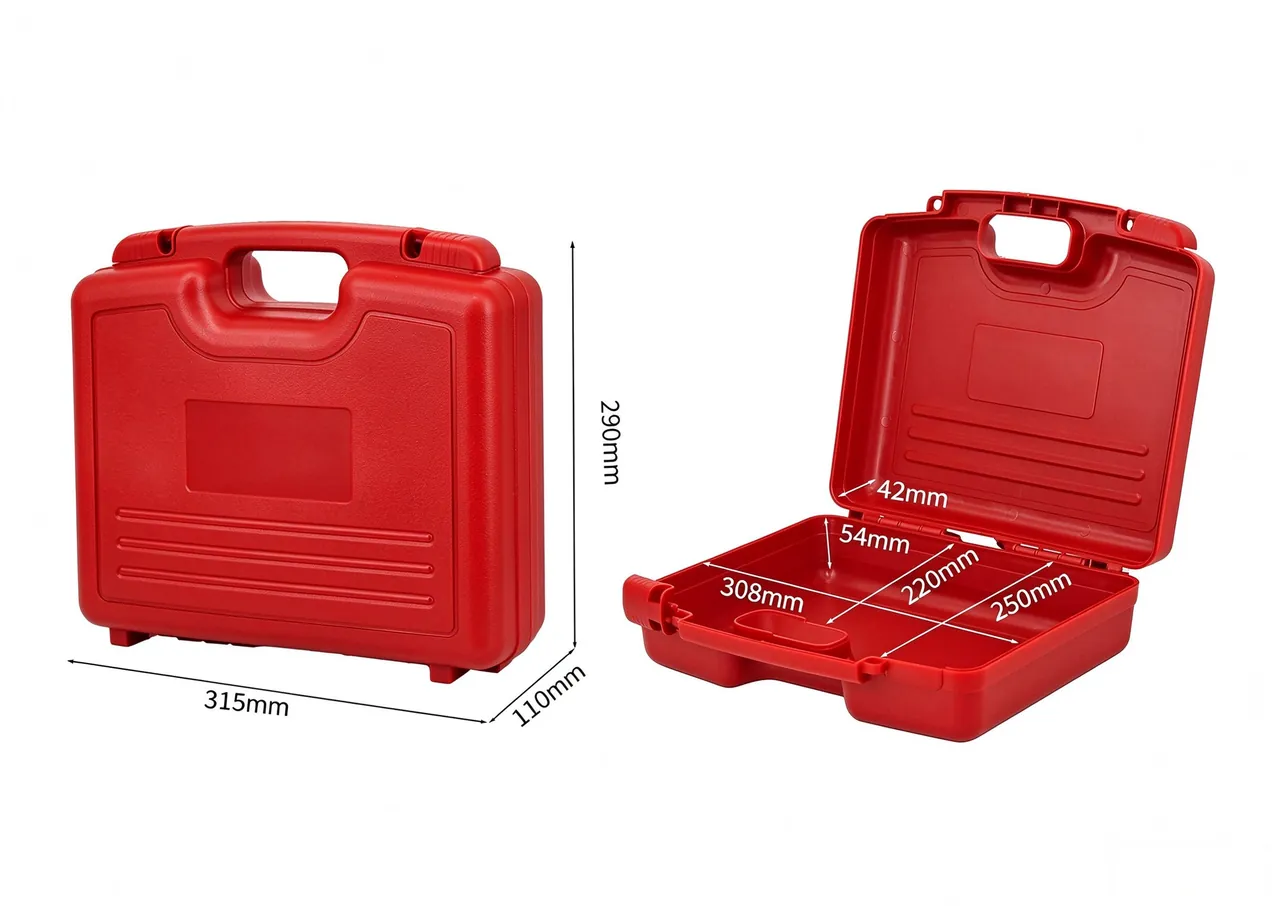
Structurally, a case decomposes into shell, liner, sealing system, hardware, webbing, markings, and packaging, each built from homogeneous materials. The whole discipline reduces to breaking those groups down to the homogeneous-material level and answering three questions per material: what is present, whether it exceeds limits, and what the evidence is. A solid decomposition makes testing, declaration, and traceability tractable; a sloppy one leaves even the prettiest files as paper compliance. Where a case is sold as a standalone item rather than with equipment, the case maker itself acts as the producer and carries the full documentation duty, which changes the economics of compliance work and usually justifies investing in an in-house material data system rather than outsourcing every question to laboratories.
2. RoHS Restricted Substances and Homogeneous Material Logic
RoHS 2011/65/EU Annex II currently lists ten restricted substances: lead, mercury, cadmium, hexavalent chromium, polybrominated biphenyls (PBB), and polybrominated diphenyl ethers (PBDE), plus four phthalates: DEHP, BBP, DBP, and DIBP. Cadmium is limited to 0.01 percent by weight, or 100 mg/kg, and the other nine are limited to 0.1 percent, or 1000 mg/kg. The limits apply at the homogeneous-material level, not to the whole product, and this is the key to understanding RoHS test logic.
A homogeneous material is a unit of uniform composition that cannot be further separated by mechanical means. On a painted case, the paint film is one homogeneous material and the plastic substrate another; on a chrome-plated latch, the plating and the base alloy are separate materials. You cannot grind the whole case and report an average; the case must be disassembled into homogeneous materials and each evaluated. The engineering starting point is a decomposition list: number every part, note every homogeneous layer, then decide which layers need testing.
Method-wise, the IEC 62321 series, published as EN 62321, is the reference: XRF for metal screening, ICP-OES or AAS after digestion for quantification, microwave digestion such as EPA 3052 for sample preparation, dedicated colorimetric methods for hexavalent chromium valence, and GC-MS for brominated flame retardants and phthalates. Reports carry weight only from laboratories holding CNAS, CMA, or ISO/IEC 17025 accreditation. For how certification and standards connect, see the CE and RoHS certification guide for cases.
3. REACH Substances of Very High Concern and Notification Duties
REACH works on a different logic from RoHS. RoHS is a comparatively fixed list of restricted substances with hard limits, while the SVHC candidate list is a rolling catalogue that the European Chemicals Agency (ECHA) updates as new substances of very high concern are identified. Under Article 33, when an SVHC exceeds 0.1 percent by weight in an article and annual production exceeds one tonne, the supplier must give recipients enough information for safe use, at minimum the substance name.
One step beyond notification sits the SCIP database. Under the revised Waste Framework Directive, EU producers and importers of articles containing SVHC above 0.1 percent must submit information to the ECHA SCIP database so that waste operators know the composition. For case makers this lands as a practical requirement: EU customers increasingly ask for SCIP submission receipts or candidate-list version statements before a supplier enters the approved list. Neither Article 33 nor SCIP demands zero SVHC; they demand informed, notified, and traceable content, which complements the hard RoHS limits.
Annex XVII restrictions also reach case materials, including phthalate restrictions in articles and the short-chain chlorinated paraffins clause, both of which directly affect seal and soft-plastic formulations. Compliance engineers should keep separate ledgers for the candidate list, Annex XVII, and RoHS limits. For a combined view of how both regulations land on cases, see the RoHS and REACH compliance guide for cases.
4. Typical Risks in Case Plastics and Coatings
The shell carries the largest mass and the highest concentration of compliance risk. Common shell materials are modified polypropylene (PP), ABS, polycarbonate (PC), copolyester, and aluminium alloy. In plastics, risk concentrates in colorants and flame-retardant systems: some red, yellow, and orange pigments can contain cadmium or lead, early flame-retardant recipes used polybrominated diphenyl ethers, and both are restricted today. Distinguishing virgin from recycled resin matters, because recycled streams can carry legacy flame retardants and heavy metals; the virgin versus recycled case material comparison explains why recycled input should come with screening evidence rather than verbal assurance.
Coating risk concentrates on hardware surface treatment. Chromium(VI) passivation was historically used on zinc plating; lead and cadmium appear as impurities in certain alloys; and leaded brass is still chosen for machinability in latches and hinges. Outer paint films carry moderate risk once cured, with the main concern in pigment recipes. Anodised aluminium carries low risk, though pre-treatment and dyeing can leave nickel or chromium residues. Small hardware such as rivets, nameplate studs, and zipper pulls are frequent blind spots for nickel release and chromium(VI).
A sensible assessment order starts with material and process inquiry, then testing ranked by risk: chromium(VI) on plated layers, lead and cadmium screening on alloys, heavy metals and brominated species on plastics. Listing every small part in the risk ledger keeps the test scope from missing items. For material performance context, pair this with the protective case plastic materials guide and the UL 94 flammability ratings.
5. Risk Identification for Seals, Foam, Webbing, and Nameplates
Seals are the softest material group on a case, and the risk sits in plasticisers. EPDM, NBR, and silicone rubbers are low-risk base polymers, but formulations can contain phthalate plasticisers or chlorinated paraffin processing aids, which map to phthalate and short-chain chlorinated paraffin (SCCP) restrictions. Seals with any polyvinyl chloride (PVC) content are high-risk and should be screened first. Requesting a material declaration at selection stage is far cheaper than testing after delivery; the case seal materials guide maps which elastomer suits which duty.
Foam and liner compliance deserve the same attention as cushioning performance. EVA, cross-linked PE, and polyurethane (PU) foams dominate. PU recipes are the most complex and historically carried brominated flame retardants; coloured EVA needs pigment screening. Webbing, straps, and handles are usually nylon or polyester, with risk concentrated in dyeing and finishing: azo dyes that split into banned amines, and fluorinated water-repellent finishes that sit squarely in the PFAS control direction. Labels and nameplates add heavy metals in printing inks, phthalates in pressure-sensitive adhesives, and plating risk on metal badges.
Identification does not mean testing every part. Score by location, process, and legacy formulation. As a rule of thumb, PVC seals, coloured rubber parts, fluorinated webbing, and outsourced metal nameplates belong in the high-risk group and need test evidence; natural-colour injection-moulded parts, anodised aluminium, and uncoated stainless steel can pass on material declarations. This tiering spends the test budget where risk actually lives.
6. Test Methods and Screening Strategy: XRF Screening plus Chemical Quantification
XRF is the most common first-pass screen in case compliance work. It is fast and non-destructive, reads plating, plastic, and solder directly, and returns semi-quantitative results for lead, cadmium, chromium, mercury, bromine, and chlorine. Its limits must be written into the test plan: it reports total element content, so it cannot separate hexavalent from trivalent chromium; sensitivity near the cadmium limit is marginal; and it is blind to phthalates, chlorinated paraffins, and brominated flame retardants, which include four of the ten RoHS substances. XRF is a sieve: positives move to chemical quantification, and negatives are judged against the method detection limit.
Quantification follows the EN 62321 series: heavy metals by microwave digestion, such as EPA 3052, with ICP-OES or AAS; hexavalent chromium by boiling-water extraction or colorimetric valence methods; phthalates and flame retardants by GC-MS. The standard supply-chain pattern is screen-first: XRF every homogeneous material, then pay for quantification only on positives and high-risk items, which keeps cost proportionate to risk. Choose laboratories whose accreditation scope covers the methods, and require sample description, method number, detection limits, and per-material conclusions in the report. A checklist for reading report elements is given in the CNAS and CMA test report guide.
Screening also needs to link to incoming material control. A mature pattern is supplier self-test data plus factory sampling: suppliers provide batch data on key items, and the case maker re-tests a sampled fraction. Experience puts a five to ten percent sampling ratio as enough to keep declarations honest, concentrated on high-risk parts and new suppliers. Standardising the report-review action is what makes screening conclusions survive customer re-audit.

7. Supply Chain Information Collection and Material Declaration Systems
Compliance data originates in the supply chain, not the laboratory. The standard tool is a chemical information collection form that asks suppliers, item by item: part name, material type, homogeneous-material composition, whether any listed substance is present, test data or declaration basis, plus preparer contact and date. The form converts verbal compliance into traceable data and becomes the data base for every later declaration.
Granularity should reach the homogeneous-material level. Since suppliers rarely disclose full recipes, the industry convention is checklist-plus-declaration: publish a form carrying the ten RoHS substances and the REACH candidate list, ask suppliers to confirm presence or absence item by item, and give content ranges where present. This mirrors the ChemTool-style data exchange of the electronics industry and the IMDS material-data approach of the automotive sector: both are structured substance lists, not recipe disclosure. The case maker's job is to keep the form synchronised with regulation versions.
Collected data needs cross-verification. Three checks work: compare forms against supplier test reports for consistency; run incoming XRF sampling on key materials to test declarations; and during audits check raw-material purchase records and formulation logs against the declared data. An unverified declaration system scales risk with supplier count. In the JUNZHIJIA supply-chain practice, liner customisation and assembly work is accompanied by material declarations for foam, seals, and small hardware, with collection forms updated as regulation versions move, a habit worth probing when evaluating suppliers.
8. Key Elements of Declarations of Conformity and Material Declarations
The declaration of conformity (DoC) is the core document of the case compliance file. A usable DoC carries seven elements: product identification, meaning model, part number, and batch or serial range; the regulations addressed, such as RoHS 2011/65/EU and its amendment, plus REACH Article 33 status; the test standards applied, such as the EN IEC 62321 series; manufacturer name and address; signature or seal; issue date; and EU authorised representative details where applicable. A DoC without model and batch data cannot be matched to physical goods and is void in practice.
The material declaration (MD) is the evidence base beneath the DoC and comes in two depths. A basic MD answers only whether listed substances are present and in what range, which suits low-risk materials. A full material declaration (Full MD) gives a near-complete substance breakdown by homogeneous material, usually to percentage mass fractions. When reviewing a Full MD, check that mass fractions per homogeneous material sum close to one hundred percent, that substances carry CAS numbers, and that the candidate-list version is stated. Any missing item signals a carelessly compiled declaration.
The three file types must close a loop: the DoC cites report numbers, the reports cover the key items in the MD, and the MD corresponds to supplier data in the collection form. Under the RoHS framework, technical documentation and the DoC are typically retained for ten years for market-surveillance inspection. A practical filing rule is one file per case, linking case serial, declaration number, and report number so any single unit can be traced to a complete evidence chain within minutes.
9. Traceability, Quarantine, and Replacement for Nonconformance
Even a mature system meets nonconforming input or customer complaints. On a suspected failure, the first step is quarantine: tag the lot, move it to a hold area, and stop issue and shipment. The second is traceability: work backward through batch records to the supplier's production lot and forward through internal production and shipment records to shipped cases, widening scope to other models that consumed the same material lot.
The third step is confirmation and classification. Re-test with quantification to rule out screening error, then classify the cause: supplier process change, incoming contamination, or wrong material selection. The fourth is disposition and replacement: swap to compliant material and re-test for items already built, and assess notification duties for items already shipped under contract and regulation. The fifth is corrective and preventive action: update supplier agreements, adjust test frequency, and revise design specifications. Every step lands in a written record with problem description, impact scope, disposition, and verification result.
Case-specific failures have recognisable signatures. Phthalate exceedances in seals usually trace to a plasticiser batch change; chromium(VI) positives to a passivation process switch; heavy-metal anomalies in recycled content to uncontrolled incoming streams. The matching replacements are a new seal batch with a material declaration, a switch to trivalent passivation or sealing, and virgin resin with screening proof. After disposition, update the material declaration and collection form versions so the file system reflects the post-event truth rather than the pre-incident version.
10. Building a Part-Level Risk List by Case Section
Landing compliance on a specific case model needs a part-level risk list. The horizontal axis lists locations: shell, liner foam, seals, latch hardware, webbing handles, nameplates and labels, zipper pulls, and packaging accessories. The vertical axis lists risk factors: heavy metals, hexavalent chromium, phthalates, chlorinated paraffins, brominated flame retardants, and fluorinated finishes. Each cell gets a risk level and an evidence requirement: high-risk cells need test reports, medium-risk cells need material declarations, and low-risk cells need a material statement.
Building the list starts with disassembling a sample case. Number and photograph every part, record material type and process route, and the output is the first draft of the homogeneous-material ledger. The second step calibrates with history: feed screening and incoming results back into the list so real data corrects experience. The third step is version control: when regulations update or a supplier changes, the list is revised in step. Keep the list to one or two pages shared by purchasing, quality, and design, rather than a long document locked in a cabinet.
Scoring can borrow FMEA logic, ranking by likelihood and severity. Experience places outsourced finished hardware and PVC-containing soft parts high, and natural-colour injection-moulded engineering plastics low. The list's real value is that new projects start from a baseline instead of re-debating whether a part needs testing, which turns compliance from firefighting into routine.
11. Document Verification in Procurement and Incoming Inspection
Procurement control works when file requirements sit in the contract, not in conversation. Fix four clauses in the technical agreement: the supplier provides declarations of conformity, material declarations, and test reports for key items per model; any change of material, process, or sub-supplier is notified in advance with fresh declarations; the buyer may sample incoming material for testing, with cost borne by the supplier on confirmation of failure; and traceability and disposition duties are allocated per lot. These four clauses turn compliance into a pre-agreed obligation.
Incoming verification should be standardised. The checklist: declaration model and part number match the goods; the declaration is current and properly signed; the report covers the key items claimed; the issuing laboratory holds accreditation; and the material lot is traceable. Any miss routes to the nonconforming-goods process. For volume orders, pair first-article inspection with periodic re-checks so document review and physical sampling run together, preventing drift between paperwork and product.
Supplier capability matters as much as paperwork. Case makers with OEM/ODM experience usually run more complete compliance systems because multi-brand exposure has hardened their documentation habits through repeated audits. The JUNZHIJIA model, which issues IP, drop, and material compliance documents for specified models and matches seals, spares, and custom liners by model, keeps documents and physical goods aligned within an acceptable band and deserves close evaluation during export sourcing. Document-to-product consistency, more than unit price, decides long-term supply risk and whether the compliance system reaches every single case.
12. Compliance Responsibilities in Maintenance and Disposal
Compliance duty does not end at shipment. Protective cases need seals, foam modules, handles, and nameplates replaced during service, and spare parts are articles placed on the market too, so restricted-substance rules apply. The classic failure is a compliant case undone by uncontrolled spares: the original seal carried a declaration, the later replacement did not, and one anonymous gasket destroys the compliance state of the whole case. The fix is to bring spares into the same declaration system with model-linked compliance files.
The replacement work itself has detail. When changing a seal, confirm cross-section and material match, and confirm the spare's batch falls within a declaration; when re-labelling, check ink and adhesive compliance; when pouring or cutting foam on site, obtain the material data sheet and file it. These actions belong in the maintenance procedure so operators know what to change and what to record. Linking maintenance records to the compliance file also produces strong evidence during customer audits. Records should capture who performed the replacement and which declaration file covers the spare, so that a later audit can reconstruct the compliance state of a case at any point in its service life rather than only at the moment of delivery.
Disposal control focuses on traceable flow. Retired cases are recycled by material class, with coated metal and plastics entering appropriate streams rather than mixed municipal waste. Parts with hazardous residues follow local hazardous-waste rules. For brand owners, logging retirement in the asset ledger satisfies environmental review and feeds source intelligence for future recycled-content use, which in turn supports future material declarations.
13. Market Differences and Compliance Trends
Markets differ in emphasis. The EU runs on RoHS and REACH, with the SVHC candidate list still growing and SCIP turning notification into a database duty. The United States adds TSCA obligations, California Proposition 65 warnings for heavy metals and phthalates, and rising PFAS reporting attention; Japan and Korea maintain independent controls on selected phthalates and flame retardants. Multi-market exporters should build one baseline at the strictest common denominator, then layer market-specific statements.
Three trends deserve early work. First, lists keep lengthening: the candidate list already holds hundreds of substances and updates on a stable cadence, so declaration templates should be designed for fast re-versioning. Second, PFAS control is tightening: the EU's universal PFAS restriction proposal would touch fluorinated webbing finishes, fluorinated coatings, and some fluoroelastomer seals, so substitution research should start early. Third, digitalisation and recycled content advance together: digital product passport directions will demand finer material data, while recycled-content rules will make source compliance a new requirement in its own right.
Meeting these trends costs information mechanism, not test budget. Assign one owner to track regulation updates, re-check declaration templates and list versions quarterly, and treat version number as a standard field on every compliance document. Rules will only get finer. Firms with structured material data will merely update values, while firms without it will rebuild the system from scratch, which is how chemical compliance moves from cost centre to supply capability.
FAQ
Q: Why do cases need chemical compliance when they are not electronic products?
A: Cases are rarely regulated directly, but they usually travel with electrical and electronic equipment into the EU and other controlled markets, and buyers routinely extend RoHS and REACH requirements to protective cases, transit cases, and instrument cases through procurement specifications, which creates a hard contractual obligation. The risk is real: plastics, coatings, seals, foam, webbing, and nameplates can carry lead, cadmium, hexavalent chromium, and phthalates, and a sampling failure at the customer's dock propagates liability up the chain, where the case supplier rarely escapes. REACH adds an independent duty, because the SVHC notification rule and the SCIP database apply to articles as such, regardless of whether they are electronics. Doing chemical compliance work therefore absorbs contract requirements, customer audits, and regulatory risk in one move, replacing verbal promises with verifiable declarations and test reports. For professional suppliers this is the dividing line against low-price workshops, and it is best built into the quotation stage rather than reconstructed after a customer audit forces the issue.
Q: What are the RoHS limits, and how should homogeneous material be understood?
A: Of the ten restricted substances in RoHS 2011/65/EU Annex II, nine, namely lead, mercury, hexavalent chromium, PBB, PBDE, DEHP, BBP, DBP, and DIBP, are limited to 0.1 percent by mass, or 1000 mg/kg, while cadmium is stricter at 0.01 percent, or 100 mg/kg. The limits are judged at the homogeneous-material level, meaning a unit of uniform composition that cannot be separated further by mechanical action. On a painted case, the paint film and the substrate are evaluated separately; on a chrome-plated latch, plating and base alloy are sampled apart. Grinding the whole case to a single average is not a valid method, so any test plan must start from a decomposition list that numbers parts and layers before choosing methods. Understanding this rule explains why reports conclude per homogeneous material, and why a blanket claim that the whole case complies is technically sloppy. It also sets expectations for what suppliers can realistically declare and how sampling plans should be built during audits.
Q: When does REACH notification trigger, and what is the SCIP database?
A: Under Article 33 of REACH 1907/2006, a duty to inform arises when a substance of very high concern exceeds 0.1 percent by weight in an article and annual production of that article exceeds one tonne; the supplier must then provide recipients with at least the substance name and enough information for safe use. The candidate list is maintained by the European Chemicals Agency and now runs to hundreds of entries. The SCIP database extends this duty: EU producers and importers of articles containing SVHC above the threshold must submit item and substance data to ECHA so waste operators know the composition at end of life. For case exporters, both rules demand informed, notified, and traceable content rather than zero presence. In practice, EU customers request candidate-list version statements or SCIP submission receipts as a condition of supplier approval, so the case maker should record the list version in every declaration cycle. Where Annex XVII also restricts a substance, the stricter requirement governs the formulation and the declaration.
Q: Can an XRF screening result serve as a compliance conclusion?
A: No. XRF is an elemental screen, and its limits are structural. It reports total element content, so it cannot distinguish hexavalent from trivalent chromium even though only the hexavalent form is restricted; its sensitivity near the cadmium limit is marginal and can misclassify borderline samples; and it is completely blind to organic substances, including four of the ten RoHS items that are phthalates, plus chlorinated paraffins and brominated flame retardants. The correct role for XRF is first-pass screening: every homogeneous material is screened, positives are routed to chemical quantification under the EN 62321 series, and negatives are judged against the method detection limit rather than treated as proof of absence. A cost-effective programme screens everything and quantifies only positives and high-risk items. Laboratories should hold accreditation covering the methods used, and reports should state sample description, method number, detection limits, and per-material conclusions. Screening paired with periodic incoming sampling keeps supplier declarations honest without exploding the test budget.
Q: Is a supplier statement that says only that products comply with RoHS and REACH credible?
A: That sentence is not evidence. A usable declaration identifies the model and part number, covers the batch or serial range, cites the regulation versions and test standards, and carries signature and issue date. Without model and batch data the statement cannot be matched to physical goods, and customer audits return it immediately. Ask instead for a three-document set: the declaration of conformity states the conclusion, the material declaration states the substance distribution, and the test report supplies the data, with the three cross-referencing each other. Check specificity as well, because a generic claim about similar products carries no weight, and key items should be cross-checked against incoming sampling or third-party reports. Building this discipline costs the supplier little but filters out most non-compliant vendors early, making it the highest-return control in the purchasing stage and a reliable indicator of whether a supplier can survive a serious customer audit. A simple test during supplier onboarding is to request a sample declaration and compare it against this checklist before any order is placed, because suppliers who cannot produce one on request rarely have a functioning system behind the promise.
Q: What is the difference between a material declaration and a test report, and which comes first?
A: A material declaration answers what is present; a test report answers what was measured. They complement rather than replace each other. For stable, high-volume materials, a declaration plus annual sampling is usually sufficient; for high-risk items such as PVC seals, coloured rubber parts, or parts with recycled content, a targeted test report is mandatory. When reviewing reports, check four points: the sample description maps to a specific part, the method is a recognised one such as the EN 62321 series, detection limits sit below the regulatory limits, and conclusions are given per homogeneous material. In practice, request both and let report data validate the declaration; where they conflict, measured data governs and a supplier corrective-action process starts. This pairing also protects the buyer during audits, since the declaration explains intent and the report proves the claim. For new suppliers, start with the declaration to understand the material landscape, then commission a confirmatory report on the highest-risk item; for established suppliers, rotate the sampled items each year so every high-risk material is covered over time rather than tested once and forgotten. Keeping the two document types in one indexed file per model saves hours whenever a customer or certification body asks for evidence, and it prevents the common situation where the report exists but nobody can locate the matching declaration.
Q: A seal batch is suspected of exceeding phthalate limits. How should it be traced and handled?
A: Follow five steps: quarantine, trace, confirm, dispose, and correct. First, tag the suspect lot, stop issue and shipment, and move it to a hold area. Second, trace backward to the supplier's production records and forward through internal production and shipment records to shipped cases, widening to other models that used the same material lot. Third, confirm with quantitative chemical testing to rule out screening error, and check whether the batch's material declaration even covers phthalates. Once confirmed, replace with compliant material and re-test; for shipped product, assess customer notification under contract and regulation. Finally, require the supplier to submit root cause and corrective action, update its declaration, and raise incoming test frequency for that item. Record the whole process in writing and update the material declaration and collection form versions so the file reflects the post-event state. Seals are a frequent offender because a single plasticiser batch change can quietly alter the whole compliance picture.
Q: Can recycled plastic be used in protective cases, and does it create compliance risk?
A: It can be used, provided source control and test verification are both in place. The risk of recycled resin comes from unknown history: recycling streams may mix in electronic-waste fragments carrying brominated flame retardants or industrial scrap carrying heavy metals, which is exactly how legacy PBB, PBDE, lead, and cadmium exceedances appear. When using recycled content, require the supplier to state the source category, provide full-panel test reports for electronics-derived streams, and mark the recycled fraction honestly in the material declaration. Engineering-wise, the benefit of recycled content in load-bearing or visible case parts is limited while the exposure is broad, so virgin resin is preferred for structural and appearance parts, with controlled use confined to non-critical liners or packaging. Avoid both extremes: using recycled material untested, or refusing it on principle. A declaration-plus-sampling regime manages cost and risk together, and increasingly also satisfies customer interest in recycled content and circular-sourcing targets.
Conclusion and Related Reading
Case chemical compliance lives in lists, declarations, and archives, not in the laboratory. Build a solid homogeneous-material ledger, close the loop between declarations and reports, and allocate testing by part-level risk so compliance becomes routine. Related reading: RoHS and REACH compliance guide for cases, CE and RoHS certification guide for cases, export packaging compliance cases, and the eco-friendly lining material guide.