

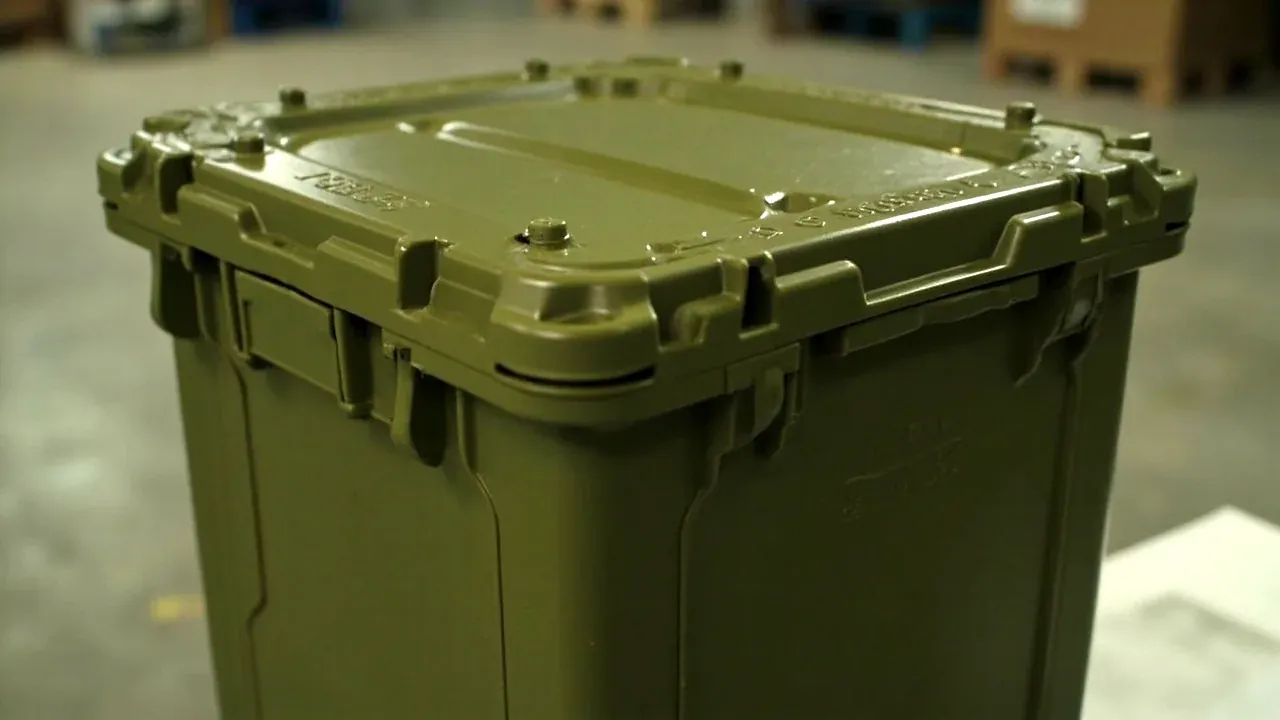
Quick answer: Compliance for a munitions shipping container is a chain, not a certificate. Transport mode sets vibration, impact and stacking conditions; performance answers with readings for compression, sealing and cushioning; marking turns those readings into statements a handler can read; paperwork traces each one back to a report. Empty a single link and the next has nothing to stand on. A printed grade with no report behind it is worth nothing, however tidy the datasheet looks.
Table of contents
- Mode first, performance second, marks third
- Four performance items that each carry a reading
- One question per face, no repetition
- Four papers and the pocket that holds them
- When the layers disagree, and how to hand over
- FAQ
1. Mode first, performance second, marks third
A munitions shipping container is specified from the journey inward, not the drawing outward. Road, rail, sea and air bring different vibration, impact and stack heights. Write those conditions first; only then does performance have a target. Build first and the loosest clause is the one you match.
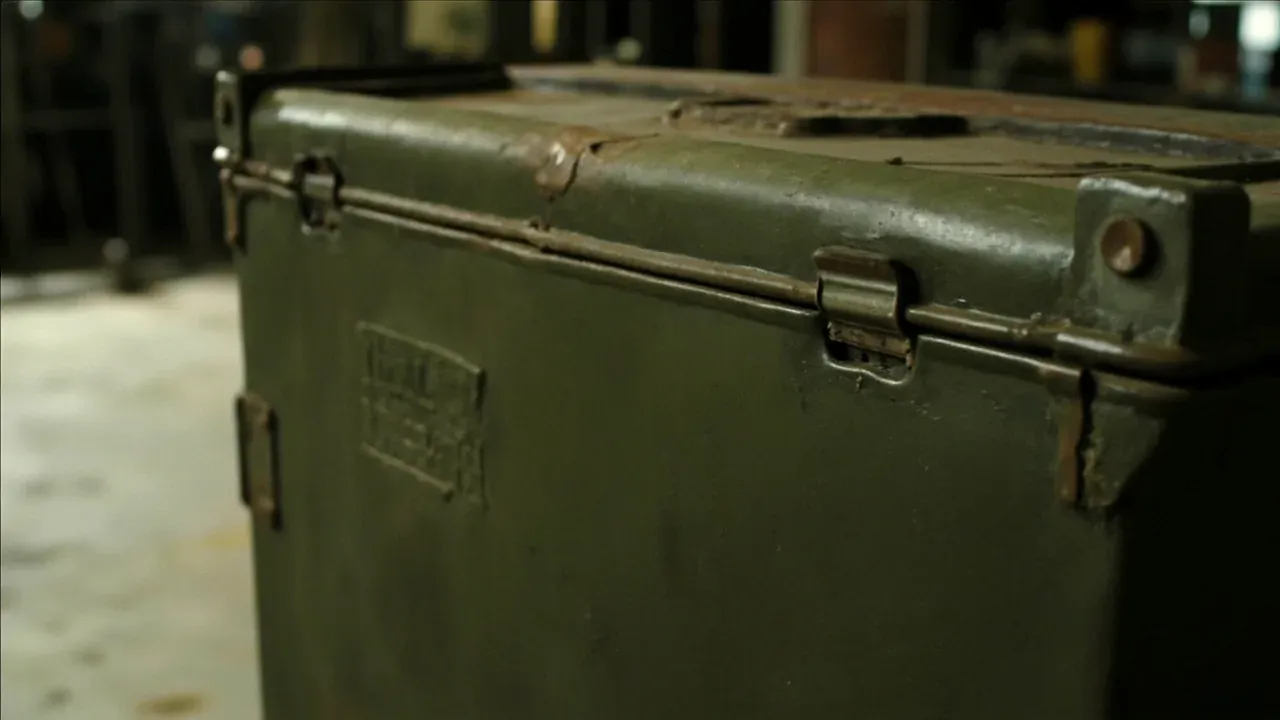
The order runs one way. Mode produces conditions, performance answers them, marking states what was reached, paperwork traces each statement to evidence. Mark a munitions shipping container for five high after a check at three and its floor creeps through a wet season.
2. Four performance items that each carry a reading
Performance for a munitions shipping container is four items with a number each: stack compression, corner drop, closure seal, handle and lifting point. An item without a reading is checked by eye at acceptance, then forgotten by the next shift.
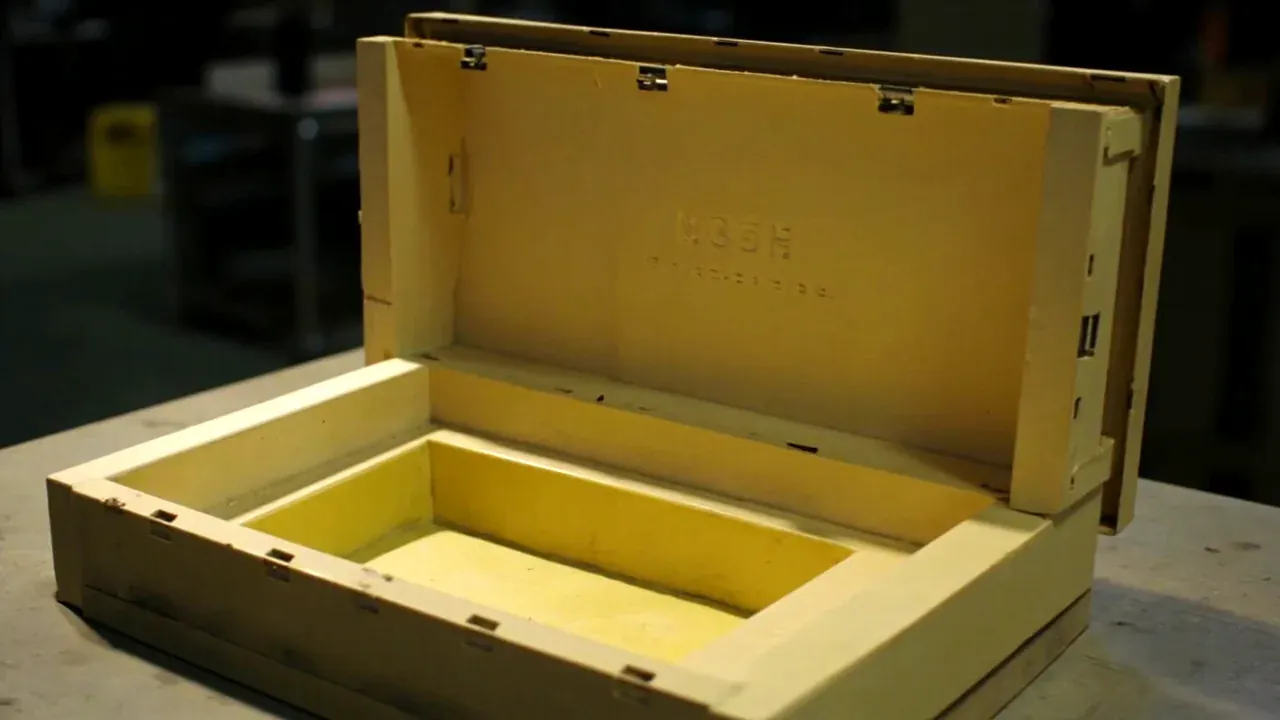
Agree methods early on a munitions shipping container. Stack load is filled weight times layers times a long-term factor, read at mid-span. A drop is judged by whether the rim gap returns under a millimetre. A seal is read anywhere on the rim, not at one spot.
| Item | Feature | Reading | Usual gap |
|---|---|---|---|
| Stack | lid ribs, floor face | deflection under load | empty boxes only |
| Corner drop | bumpers, twin wall | rim gap under 1 mm | no re-check |
| Seal | gasket section, preload | light or liquid at the rim | one spot tested |
| Lift | handle, lifting ears | set and whitening after pull | static weight only |
3. One question per face, no repetition
Marking on a munitions shipping container divides by face, one question each. The end wall says what this box is: lot, count, gross weight. A long side says whether it may be stacked, and how high. The lid says how it must sit: arrow up, no inversion.
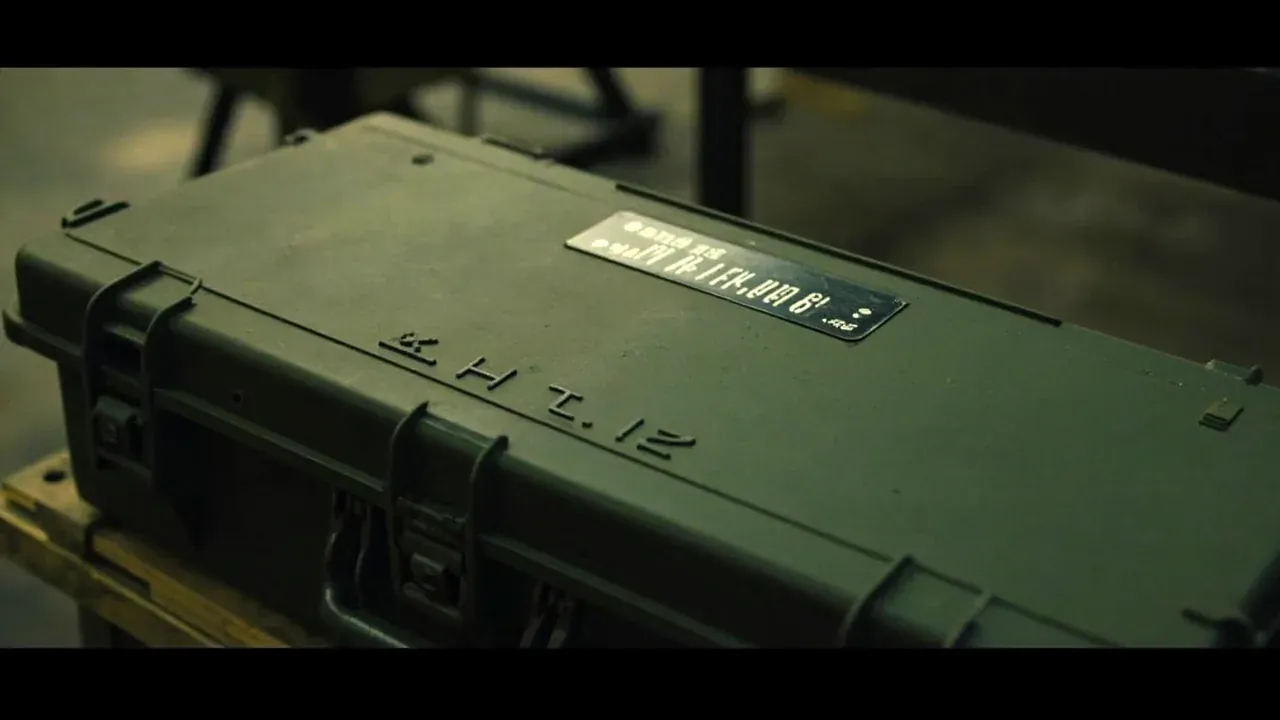
Durability on a munitions shipping container comes from method, not typeface. Permanent items are moulded 0.8 to 1.2 millimetres proud, so wear shows the same colour underneath. Variable items get a recess 0.5 to 0.8 deep. Keep marks off latch travel and the gasket line.
4. Four papers and the pocket that holds them
Four documents travel with a munitions shipping container: a performance summary, the packing list, stacking notes and the seal record. Each closes a gap, and all four share a revision.
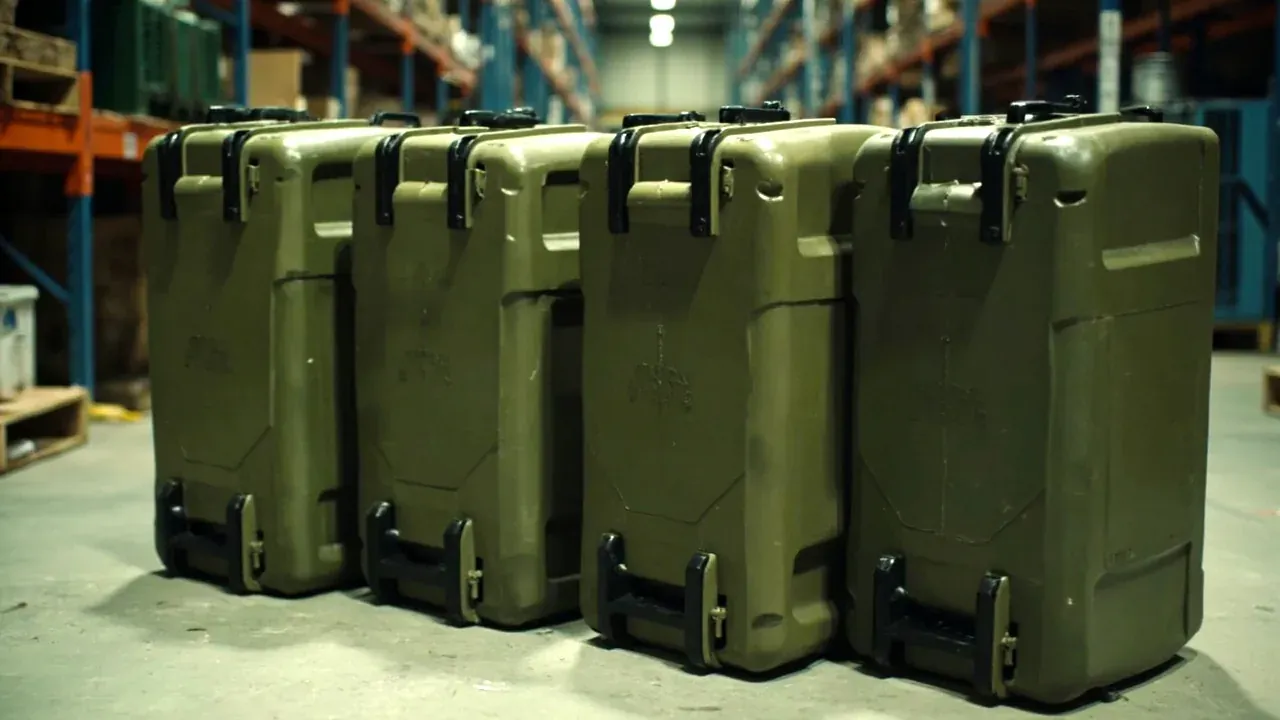
The pocket on a munitions shipping container is a tooling choice with two homes: a recess under the lid, or one on an end wall behind its cover. Inside, it clears the ribs and stays under three millimetres.
5. When the layers disagree, and how to hand over
Conflict is normal. The stricter line wins, and the difference goes on a note naming who accepted it. Mode outranks performance; performance outranks marking, since a label reprints and a wall does not thicken overnight.
A handover sheet only gets filled if it stays short: measure the rim gap with a feeler, cycle every latch to full travel, hold the seal hole to light, match each mark against the build, sketch where the pocket sits.
Conclusion
Judge in one direction only: which mode the box travels, whether the four performance items carry readings, whether the three faces each stand alone, and whether four papers trace back to the first two layers. The reverse order fails, because a lower layer only expresses the one above. The common fault is tidy paperwork laid over figures that will not reconcile when a buyer asks.
This article covers container-side specifications and design implications only, not the handling, loading or use of the contents.
Related Reading
- Load rating, sealing and cushioning design
- Packaging and marking for small arms boxes
- Stacking and transfer in stores and vehicles
- Transit Cases: Reusable Equipment & Instrument Protection
- Rotomolded Cases: Rotational-Moulded Shell Structure & Pro…
Related Products
- 8 Series — Gun Cases; Military Equipment Cases; Camera Equipment Cases; Drone Cases; Watch Cases; Knife Cases; First Aid Cases; Electronics Equipment Cases
- WL8-2812 PP Gun Case — model WL8-2812
- All protective cases and toolboxes: 7 series, 158 models