

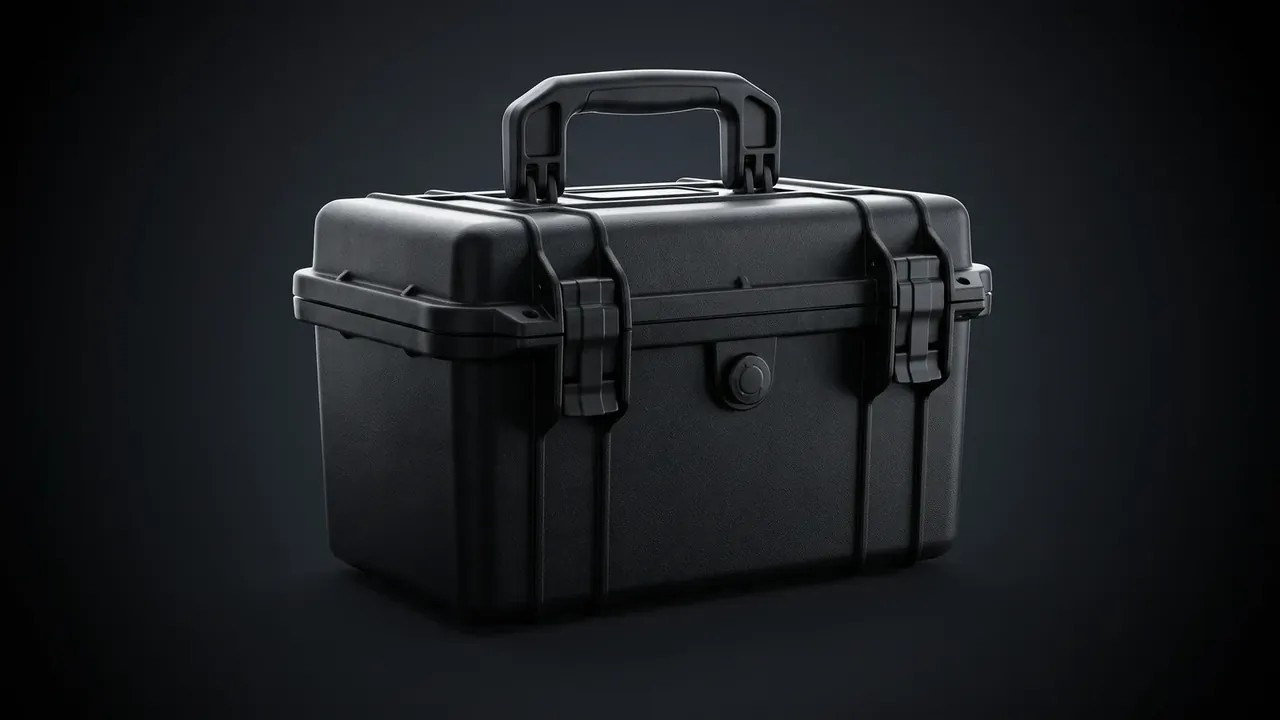
Quick answer: Pistol Storage Case maintenance tracks three measurable values: gasket compression, latch retention and hinge play. Check after each trip, inspect at 90 days, measure at 180 and re-certify at 365, replacing when compression falls below 20 percent, retention below 150 N or play passes 0.3 mm.
Table of contents
- How to Set the Inspection Cycle
- Measuring Gasket Compression and Rebound
- Latch and Hinge Retention Drift
- Cleaner Taboos and Surface Care
- Replacement Lines and Retirement
- FAQ
1. How to Set the Inspection Cycle
The interval follows the failure rate, not the calendar. A gasket ages over years, latch retention drifts over quarters, surface damage arrives trip by trip, so a Pistol Storage Case maintenance schedule needs four tiers rather than one date.
Tiers follow effort: eyes and hands after a trip, an opened lid at 90 days, calipers and a gauge at 180, a full gasket strip at 365.
| Interval | Item | Tool | Action |
|---|---|---|---|
| After each trip | Latch close, rim debris | Eyes and hands | Quarantine if abnormal |
| 90 days | Gasket mark, insert bond | Feeler gauge | Record and tag |
| 180 days | Compression, retention | Calipers, gauge | Compare with limits |
| 365 days | Full leak test, gasket strip | Pressure rig | Retire or extend |
Climate moves it: coastal salt mist pulls the interval to 60 days, dry inland sites hold 180, so split batches need separate logbooks.
2. Measuring Gasket Compression and Rebound
Compression matters most and is too often logged as appearance good. The design allows a 3 mm groove, a 4.2 mm strip and about 1.2 mm of squeeze, a ratio of 28 to 32 percent; below 20 the seal stops pressing while the case still looks intact.
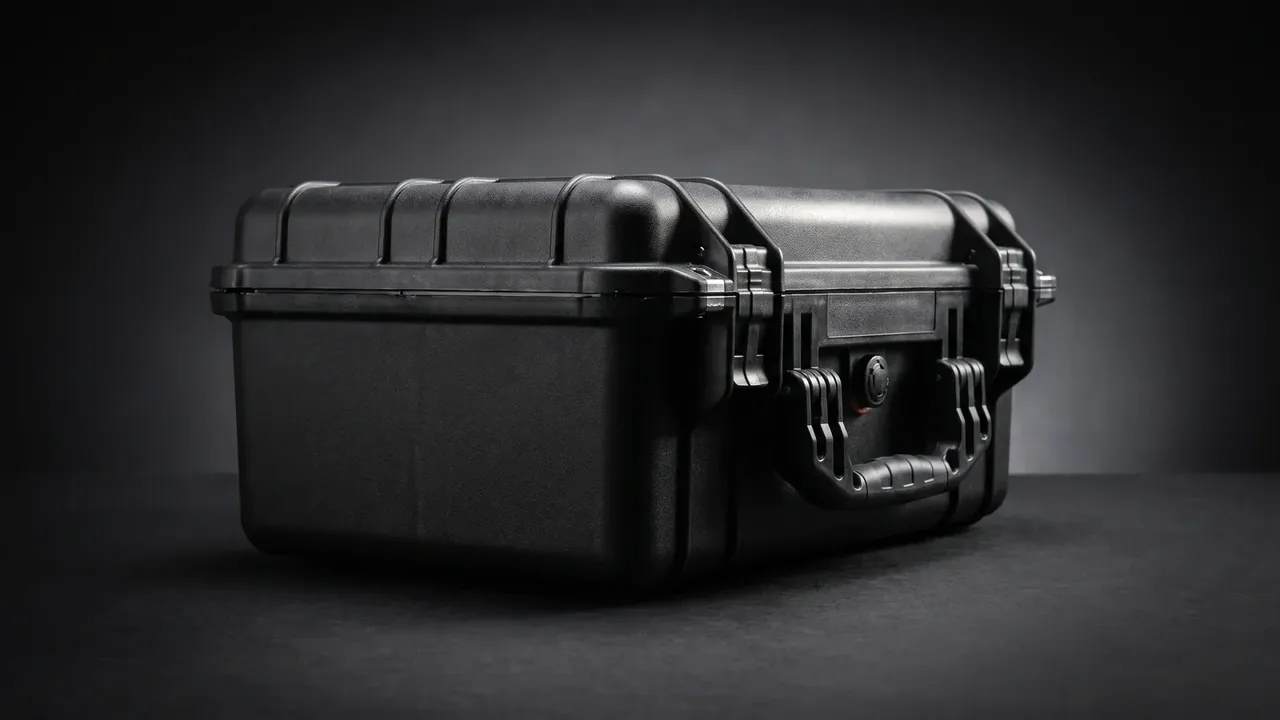
Read eight points with calipers; anything under 3.6 mm has failed. Then close the lid for 24 hours and read rebound after 10 seconds; 0.8 mm of permanent set means replacement, and past that point a Pistol Storage Case stops sealing.
Hardness supports it: Shore 55 when new, 68 when aged, stiff under a thumb; once it rises, compression must fall.
3. Latch and Hinge Retention Drift
A new Pistol Storage Case reads 220 N, about 212 N at 90 days, 195 N at 180 and 172 N at a year, roughly 12 percent a year, so a quarterly reading forecasts the margin before a latch releases.
150 N is the line. Pull at a constant rate and record the whole curve rather than the peak; a sagging middle means a cracked keeper.
Hinge play runs 0.15 mm new and 0.3 mm at replacement, when the lid rocks sideways and the rim misaligns, over-compressing one side of the gasket. Re-pin and grease each hinge with 0.02 g of silicone twice a year; mineral oil swells the gasket.
4. Cleaner Taboos and Surface Care
The wrong cleaner does more harm than no washing. Moulded bodies are PP: acetone and xylene attack the surface, chlorinated solvents start stress cracks, isopropanol above 70 percent whitens it, and alkali over pH 10 speeds embrittlement. A bucket of industrial cleaner is the most common Pistol Storage Case maintenance mistake.
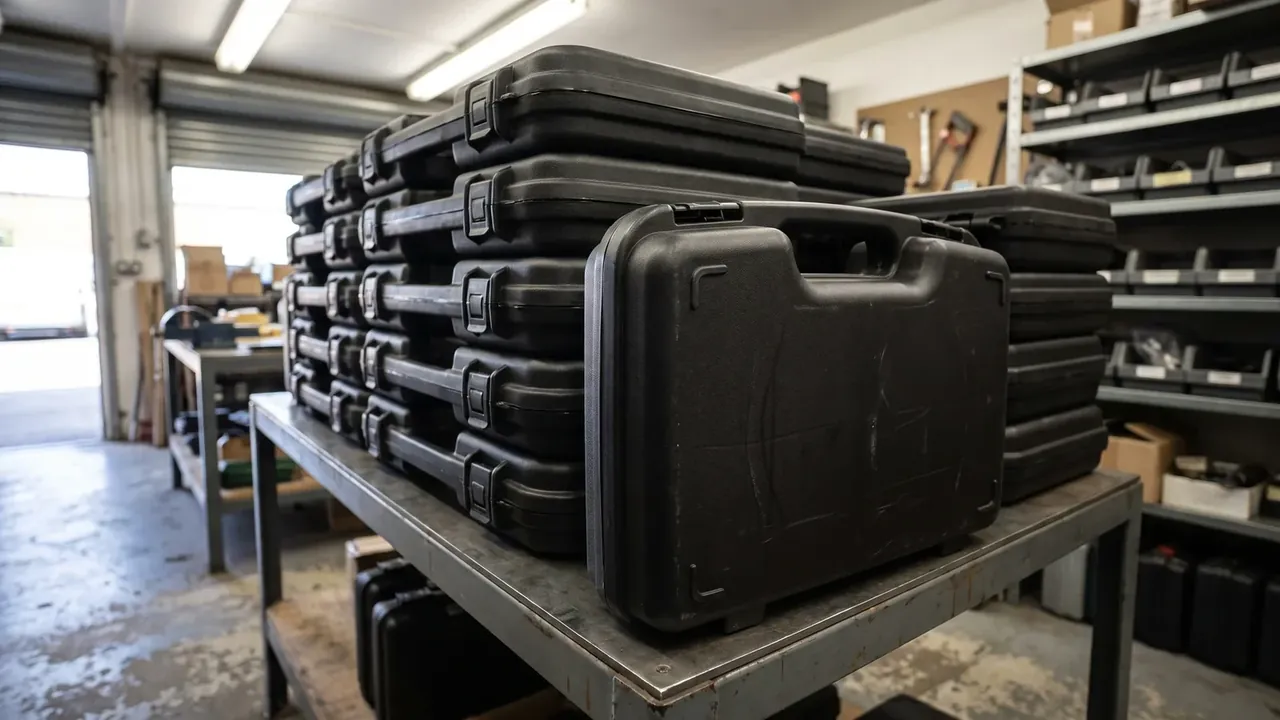
Use neutral soap at pH 6 to 8, rinse and dry the gasket groove. Store cases 100 mm off the floor and 200 mm from walls, between minus 30 and 60 Celsius, clear of radiators and sun-baked vans; UV leaves 78 percent impact strength after 3,000 hours.
5. Replacement Lines and Retirement
Limits belong in a table anyone can follow: one item past the line means a repair, two mean retirement.
| Item | Warning | Replace | Action |
|---|---|---|---|
| Gasket compression | 25% | 20% | New strip, 8% of case cost |
| Permanent set | 0.5 mm | 0.8 mm | New strip |
| Latch retention | 170 N | 150 N | New latch set |
| Hinge pin play | 0.25 mm | 0.30 mm | Re-pin, retire if bore worn |
| Body crack | Any visible | Through wall | Retire, no repair |
Retirement is not disposal: a retired Pistol Storage Case can hold spares once markings come off and the log records the date. Keep three used gaskets per batch as samples.
Conclusion
The hard part is discipline: keep three numbers written down, namely compression, retention and pin play. With 90 day visuals, 180 day measurements and a 365 day re-certification behind a clear limit table, most early failures surface before a drop does. Tape the limits inside the tool cabinet door, and Pistol Storage Case maintenance turns from experience into process.
This article discusses only the container (case body) side of specifications and design intent, and does not cover any handling, loading or use of the contents.
Related Reading
- How the case body is built
- What acceptance inspection checks
- Common faults and how to handle them
- Service life of rotationally moulded cases
Related Products
- 8 Series — Gun Cases; Military Equipment Cases; Camera Equipment Cases; Drone Cases; Watch Cases; Knife Cases; First Aid Cases; Electronics Equipment Cases
- WL8-2812 PP Gun Case — model WL8-2812
- All protective cases and toolboxes: 7 series, 158 models