

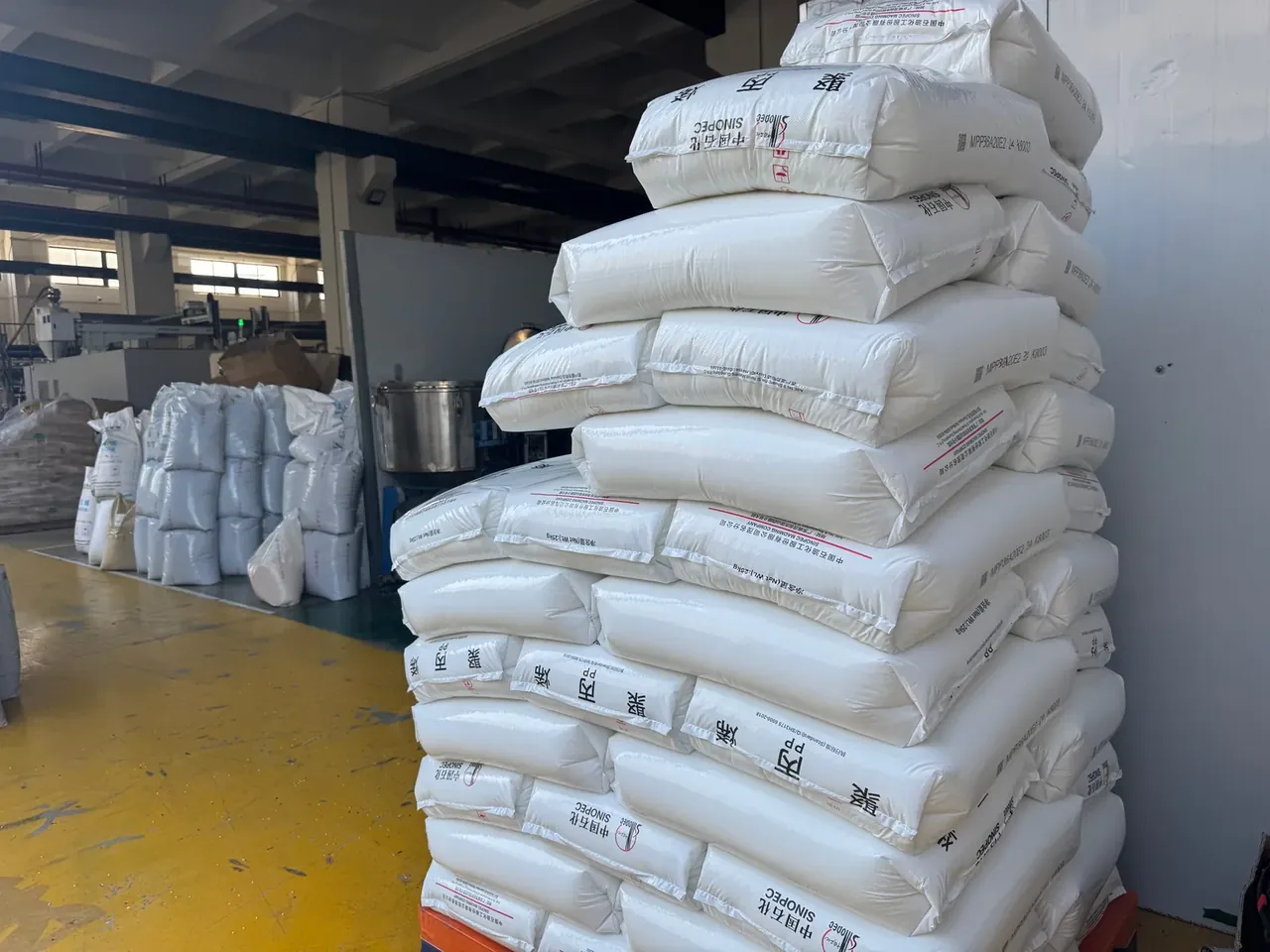
Quick answer: Polyethylene Resin is released on three numbers: melt index 5-20 g/10min, surface moisture under 0.02%, and regrind under 20% on loaded parts.
Table of contents
- Three gates before the resin reaches the silo
- Melt index: grade match and batch drift
- Moisture: how long the dryer runs
- Regrind ratio: two ceilings
- What shifts on the case when the blend changes
- FAQ
1. Three gates before the resin reaches the silo
Polyethylene Resin is checked at the door for exactly three things: melt index, moisture and the source of any regrind. Each has a release window, and a lot that misses one goes back rather than into the silo. The gate feels slow until you compare it with sorting moulded parts: a 480 × 360 × 180 mm case takes 45 s a shot, and a thin wall found at ejection has already spent its resin and machine time.
The three gates interact. Melt index sets flow, moisture fakes flow, and regrind moves both. Test moisture first, then melt index, and run regrind lots separately; otherwise a wet batch passes on an index that water vapour has pushed up.
| Check | Release window | Frequency | If out |
|---|---|---|---|
| Melt index, 190 °C / 2.16 kg | 5–20 g/10min | Once per lot | Re-test, reject past 20% drift |
| Surface moisture | Under 0.02% | Three bags per lot | Dry and re-test |
| Regrind share | 20% on loaded parts | Lot ledger | Cut the share or change the part |
| Regrind generation | Two or fewer | Quarterly | Retire that regrind |
2. Melt index: grade match and batch drift
Melt index is the identity card of a Polyethylene Resin lot. Injection grades sit at 5–20 g/10min under 190 °C and 2.16 kg, with thick structural walls at 4–8, general case parts at 8–20, and thin sections above 20. One case asks for both: a 3.5 mm side wall and a 6 mm corner want different flow, and meeting in the middle with process settings beats switching grade.
Batch drift matters more than the absolute value of a Polyethylene Resin lot. Two lots of one grade within 2 g/10min are normal; 4 g/10min apart means resetting injection speed and hold pressure, and a bad reset gives one batch of sinks and one of flash. As the index climbs, molecular weight falls, impact goes first, and a dropped case cracks from the corner.
Barrel temperature drags the reading. HDPE runs at 200–260 °C, and melt held longer than 8 min starts to degrade in the direction that raises the index. Sample at the hopper, never at the nozzle, because nozzle resin has already taken a second heat history.
3. Moisture: how long the dryer runs
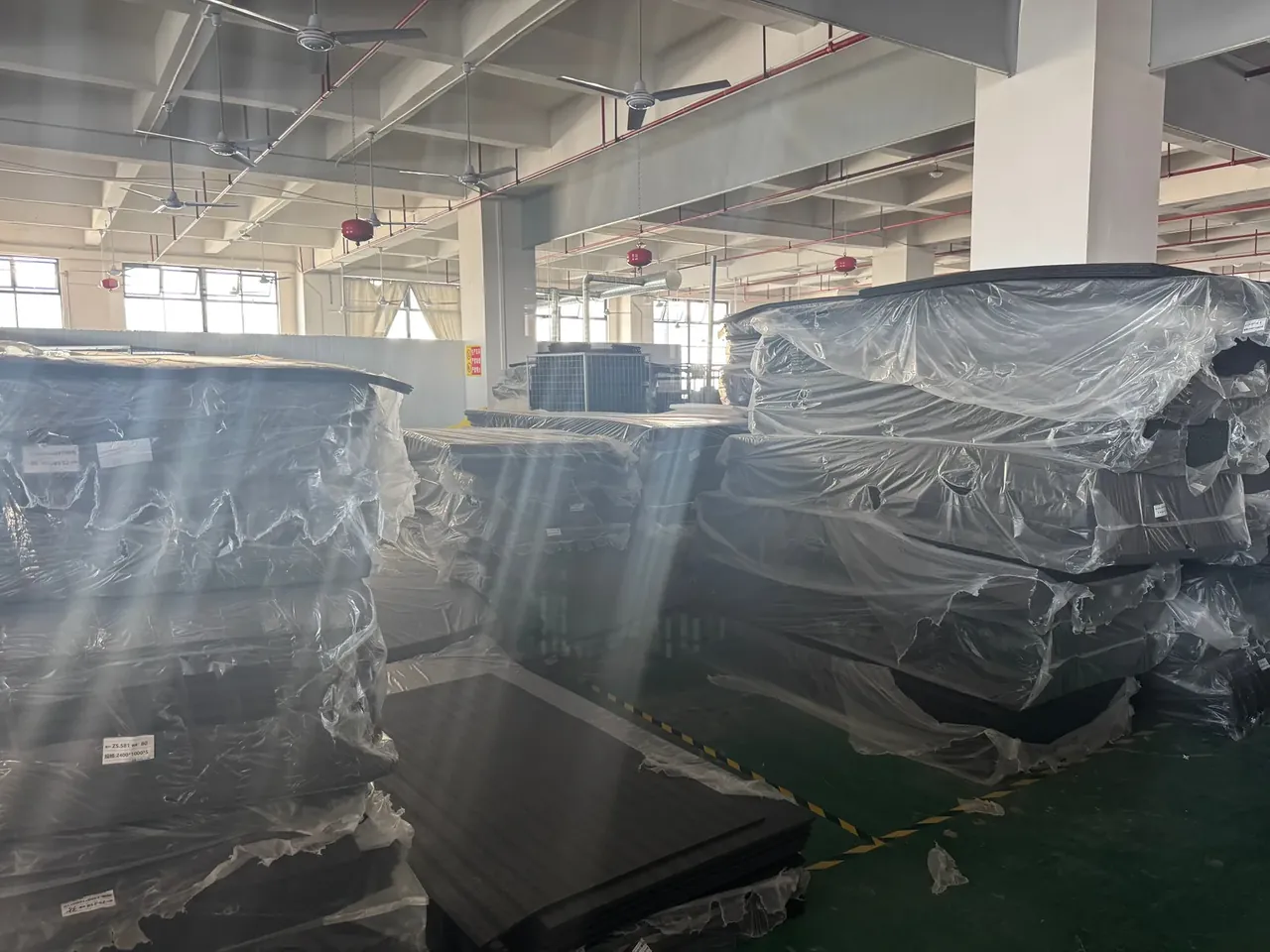
Polyethylene absorbs little water, so virgin Polyethylene Resin from a dry store reads 0.01%–0.05% and needs no long drying. The risk is condensation: a bag moved from a 5 °C store into a 28 °C shop grows a film of water inside, and every pellet picks it up.
The release line is 0.02%. Above it, vapour in the Polyethylene Resin flashes in the screw, silver streaks appear, bubbles form in thick sections, and the index reads high. Drying runs at 80–90 °C for 2–3 h with the bed under 30 mm deep, and the resin then stays in a heated hopper.
Measure on a halogen analyser with a 5 g sample held at 105 °C to constant weight. Pull from 100 mm inside the bag mouth on three bags; surface pellets carry the store's humidity and misread as a wet lot.
| Moisture | Symptom | Action |
|---|---|---|
| Under 0.02% | None | Run as received |
| 0.02%–0.05% | Faint silver streaks | 2 h at 80 °C |
| 0.05%–0.1% | Bubbles, inflated index | 3 h at 90 °C, re-test |
| Above 0.1% | Blocked pellets, free water | Reject the bag |
4. Regrind ratio: two ceilings
Two ceilings apply to regrind in a Polyethylene Resin blend: 20% on load-bearing parts and 30% on parts that carry no load. The limits follow how much heat history polyethylene tolerates. Every extra melt cuts the chain and lifts the index, while tensile strength falls slowly, so the case still looks like a case after its drop performance has changed.
Generation counts more than percentage. Twenty percent of first-generation regrind and twenty percent of regrind already extruded three times behave as two different materials in the same machine. The ledger records the source part, grind date and prior passes, and anything past the second generation stays out of loaded parts.
Screen the fines. Particles under 0.5 mm bridge in the hopper, feed unevenly, and show up as wall-thickness scatter; they also melt early and burn into black specks. Pass the grind through a 2 mm screen and keep fines under 5% before blending.
Re-test index and impact on the Polyethylene Resin blend each time the share steps up. A 10-point step justifies a fresh index, far cheaper than finding the drift across a finished batch.
5. What shifts on the case when the blend changes
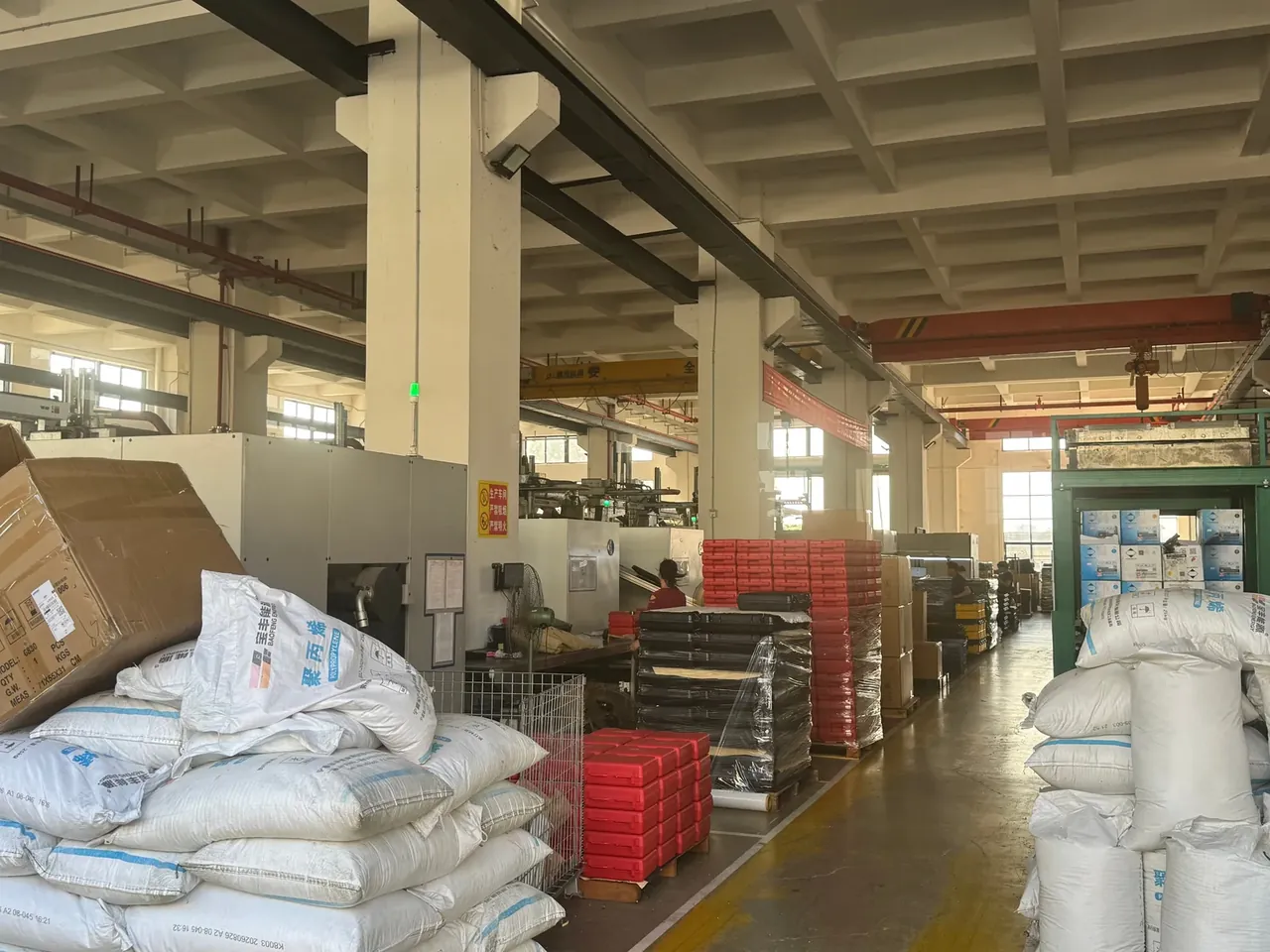
Raise the regrind share and three features move first: the latch boss holes, the lid seating face, and the corner drop. A latch boss 2.5 mm thick fills too fast at a high index, shrinks around the hole, and the catch rocks when closed. Lid flatness follows shrinkage, and HDPE mould shrinkage runs 1.5%–3.5%, so a blend change that moves shrinkage opens a 0.3 mm gap where the lid used to seat.
Corner drop shows last and costs most. Corners concentrate stress, and the weight lost to regrind magnifies there; a 1.2 m crack often survives outgoing inspection and appears in the customer's hands. Loaded parts therefore hold 20%.
Colour reports it too. Higher-generation regrind yellows, most visibly on light grey cases, and front and rear parts of one batch can differ enough to see. On light colours, drop the share another 5 points rather than correcting with masterbatch later.
Conclusion
The three numbers hold each other up: moisture fakes the index, the index sets fill, regrind moves both. Keep moisture under 0.02%, hold the index in the grade window and cap loaded parts at 20%, and walls and corners have something stable to stand on.
This article covers only the specification and design meaning of the container (case) side, and does not address any handling, loading or use of the contents.
Related Reading
- Choosing case resin: PP, PE or ABS
- From pellet to finished case: the steps in between
- ABS versus PP cases: strength, cost and finish
- Matching machine tonnage and clamp force to a case mould
- Case odour: resin or residue
Related Products
- 8 Series — Gun Cases; Military Equipment Cases; Camera Equipment Cases; Drone Cases; Watch Cases; Knife Cases; First Aid Cases; Electronics Equipment Cases
- WL8-2812 PP Gun Case — model WL8-2812
- All protective cases and toolboxes: 7 series, 158 models