

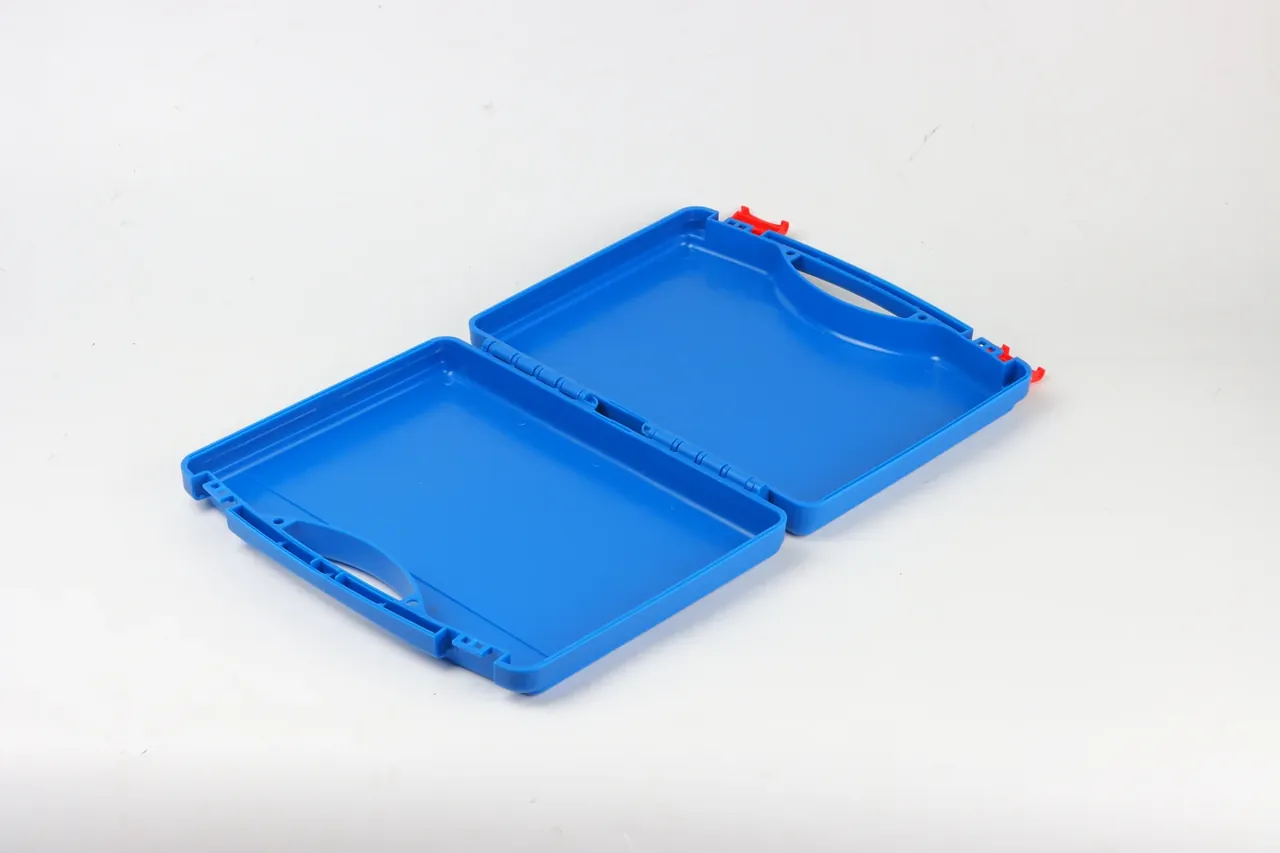
Quick answer: Judge a protective case customization process by five physical things, not by how many steps it claims: mold number, molding records, a CMM point sheet, a textured chip and the insert die. Miss three and a low quote only moves the risk to you.
Table of contents
- Five Checks You Can Run on Day One
- Where a Mold Quote Triples
- Three Documents to Take Home from Sampling
- How to Sample the First Batch Without Gambling
- What to Ask When You Only See the Assembly Line
- FAQ
1. Five Checks You Can Run on Day One
Buyers compare a protective case customization process as if it were a quotation. A quotation records results; a process records method.
All five fit into the first two hours of a plant visit.
| Place | What they say | What you ask to see | Cost of skipping |
|---|---|---|---|
| Mold shop | Tool is at a partner plant | Mold number, cavity photo, service date | One dimension change waits two weeks |
| Molding records | Three trials, all fine | Tonnage, melt temperature, date, signer | Defects cannot be traced to a round |
| First article | Every dimension passes | Raw CMM points, 12 marked | A conclusion without data is no test |
| Insert | We cut in house | EVA density, die itself | Insert tolerance drifts past 2 mm |
| Color chip | Matched from your picture | Chip with texture code plus gloss | Grain cannot be molded, so you get gloss |
The first two rows are where buyers get fooled. A partner-plant tool is acceptable if the number and service month are quotable.
The last three decide whether the product looks right at all.
2. Where a Mold Quote Triples
For the same 480×360×180 mm shell in a protective case customization process, two quotes can differ by 16,000 CNY because five variables move.
Plant A quotes 32,000 CNY: one cavity, P20, no slides, two trials. Plant B quotes 48,000: two cavities, 718H, two slides, four trials. Across 800 units, A spreads 40 CNY per case, B 30.
| Quote line | Low version | High version | Where it lands |
|---|---|---|---|
| Cavities | One | Two | Double output, 30 percent less per unit |
| Steel | P20 | 718H pre-hardened | Two fewer polishing passes, 100,000 more shots |
| Side action | Hand-finished | Two slides plus lifters | Side holes molded in one shot |
| Heat treatment | Skipped | Cavity nitrided | No drag marks in the first 500 |
| Trials | Two | Four | The extra two save one dimension |
Compare mold cost as amortization per case. A two-trial quote bills the third at 800 CNY.
Ask how many shots the tool is built for and how often it is serviced; a supplier who cannot answer is pricing the next batch.
3. Three Documents to Take Home from Sampling
Ignore how the case looks and collect three sheets you can review later.
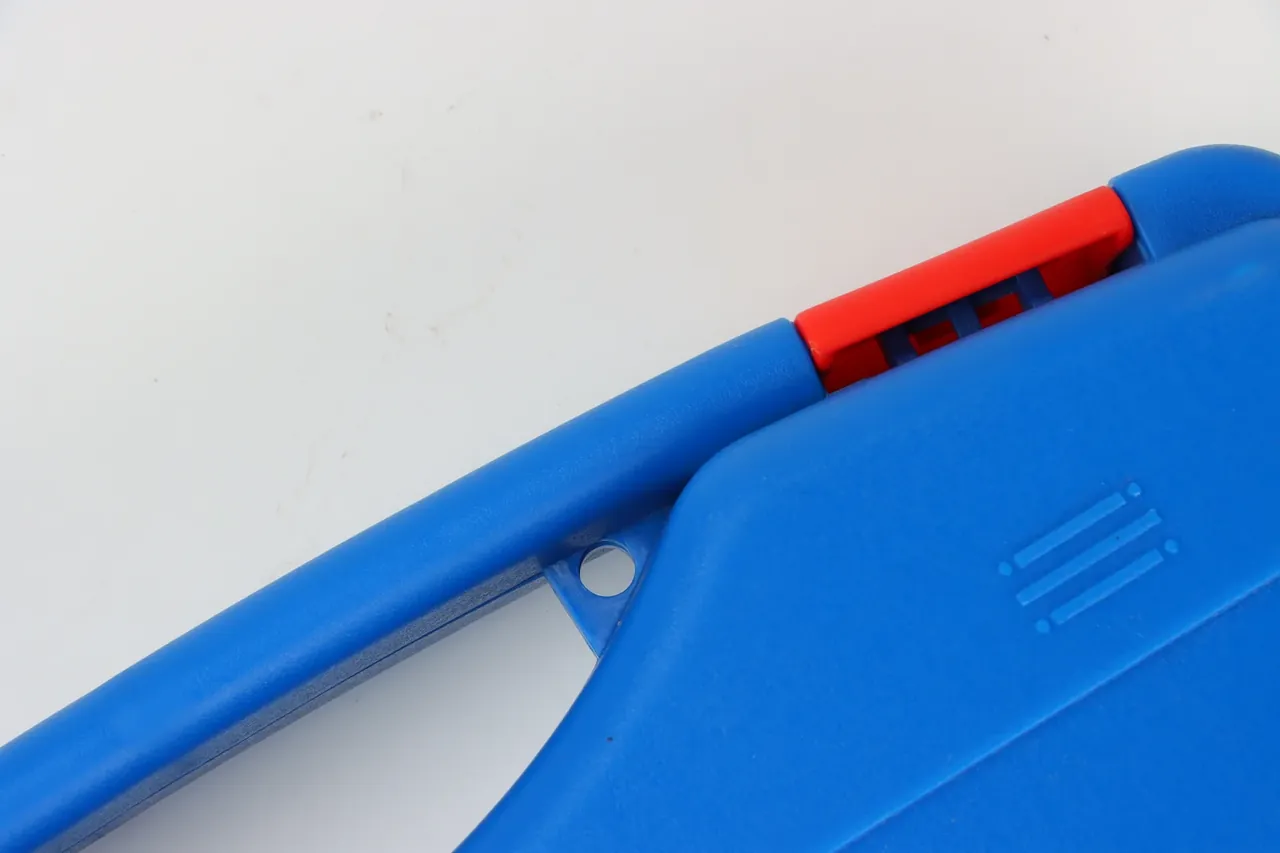
- A CMM point sheet with 12 points, stating datum face and datum hole.
- A color chip with texture code plus a 60-degree gloss reading within 2.5 GU.
- A gasket compression record between 25 and 30 percent on 55A cord.
Then work by hand: cycle the latches 500 times and weigh the case; 3 percent off nominal means the wall drifted.
4. How to Sample the First Batch Without Gambling
For 800 units, draw 32 under general inspection level I, AQL 2.5, across pallets and shifts, never from the top layer only.
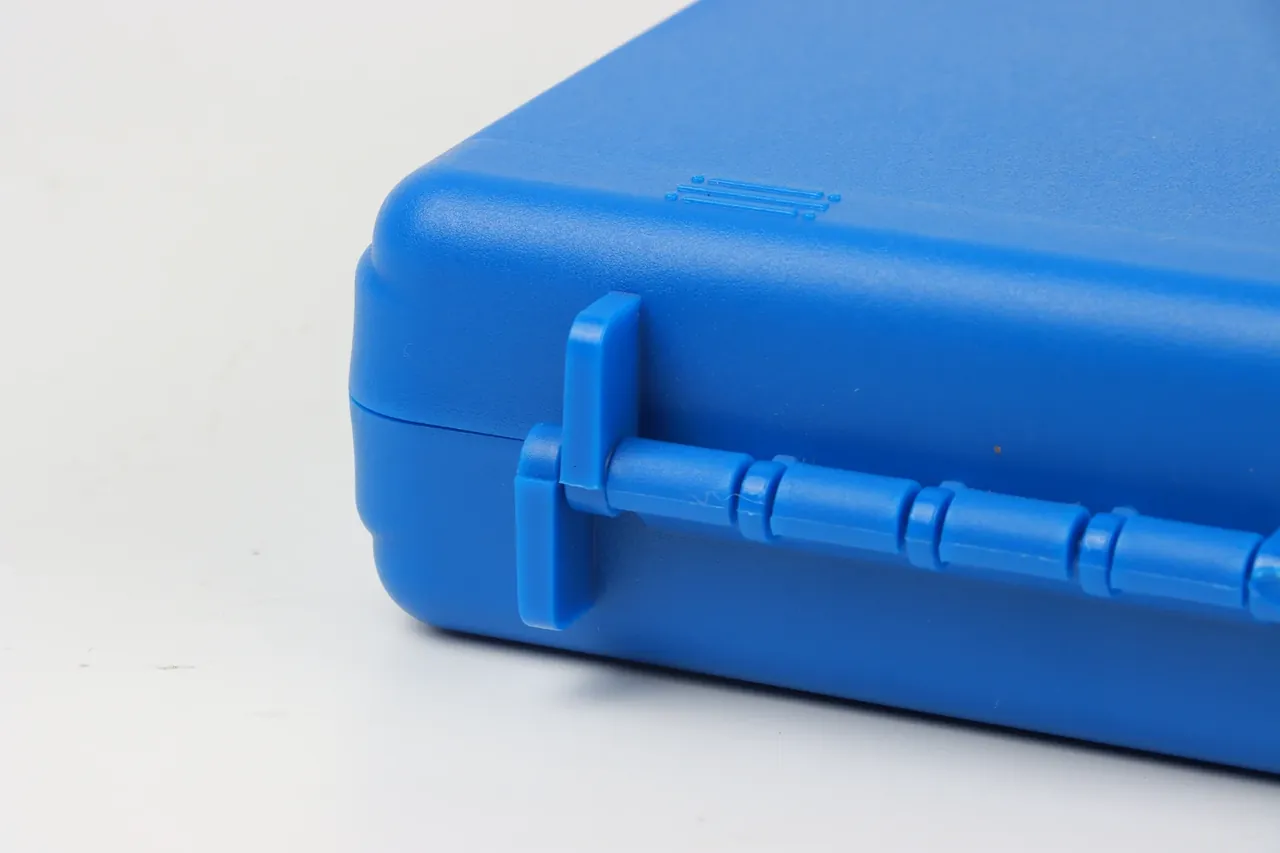
Six units then go to destruction: three sit at -25 °C for 8 hours and are cycled within an hour of removal, two drop 1.5 m corner first, one carries 25 kg for 24 hours. Stacking runs separately, five high for 72 hours, no visible deformation at the bottom.
When a sample fails, split the lot by run and shift before choosing rejection or concession.
5. What to Ask When You Only See the Assembly Line
Some plants mold nothing and only assemble. That is not automatically bad, but the questions change. On a visit during a protective case customization process I ask five in a row, watching how specifically they come back. First, how far the contract molder sits and whether service records can be pulled. Second, which resin grade appears on the incoming sheet and what regrind ratio is allowed. Third, whether the trial press tonnage matches this tool. Fourth, where rejects go and whether regrind has a cap. Fifth, where the insert dies are kept and who holds the key. A supplier answering four of five with a number is worth continuing with.
- Distance to the molder: beyond 40 km every tool change loses a day.
- Regrind ratio: above 20 percent, color drifts inside a single batch.
- A frame over one meter on an 800-ton press means trials happen elsewhere.
- Reject destination: unlimited regrind makes thin-wall strength unpredictable.
Four numbers beat a folder of certificates.
Conclusion
There is no black box in a protective case customization process, only parts a supplier prefers not to open. Five checks and one cross-pallet sample take half a day. What separates a credible protective case customization process from a convincing story is whether the plant lets you watch the method.
This article discusses only the container (case body) side of specifications and design intent, and does not cover any handling, loading or use of the contents.
Related Reading
- Six checkpoints between inquiry and shipment
- Which documents a custom project needs
- How to read an OEM case specification
- What a good quotation reply contains
Related Products
- 8 Series — Gun Cases; Military Equipment Cases; Camera Equipment Cases; Drone Cases; Watch Cases; Knife Cases; First Aid Cases; Electronics Equipment Cases
- WL8-2812 PP Gun Case — model WL8-2812
- All protective cases and toolboxes: 7 series, 158 models