

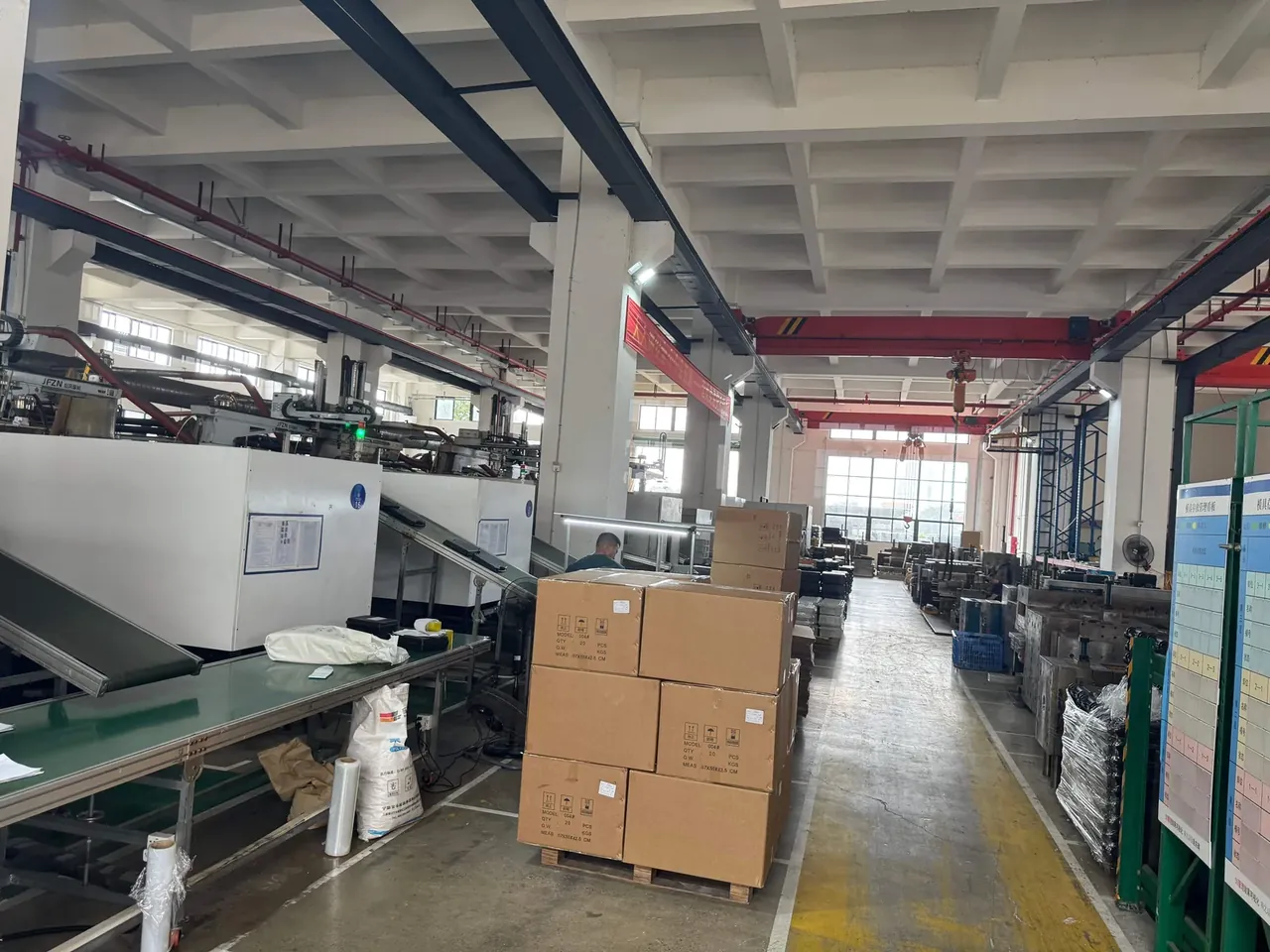
Quick answer: REACH authorisation risk on cases sits almost entirely in colourants: azo pigments, phthalate carriers, lead chromate and cadmium yellows.
Table of contents
- Why the colourant comes first
- Four groups and the limits that apply
- Annex XIV and Annex XVII do different jobs
- The 0.1% test runs per worst-case part
- Article 33 and SCIP in practice
- FAQ
1. Why the colourant comes first
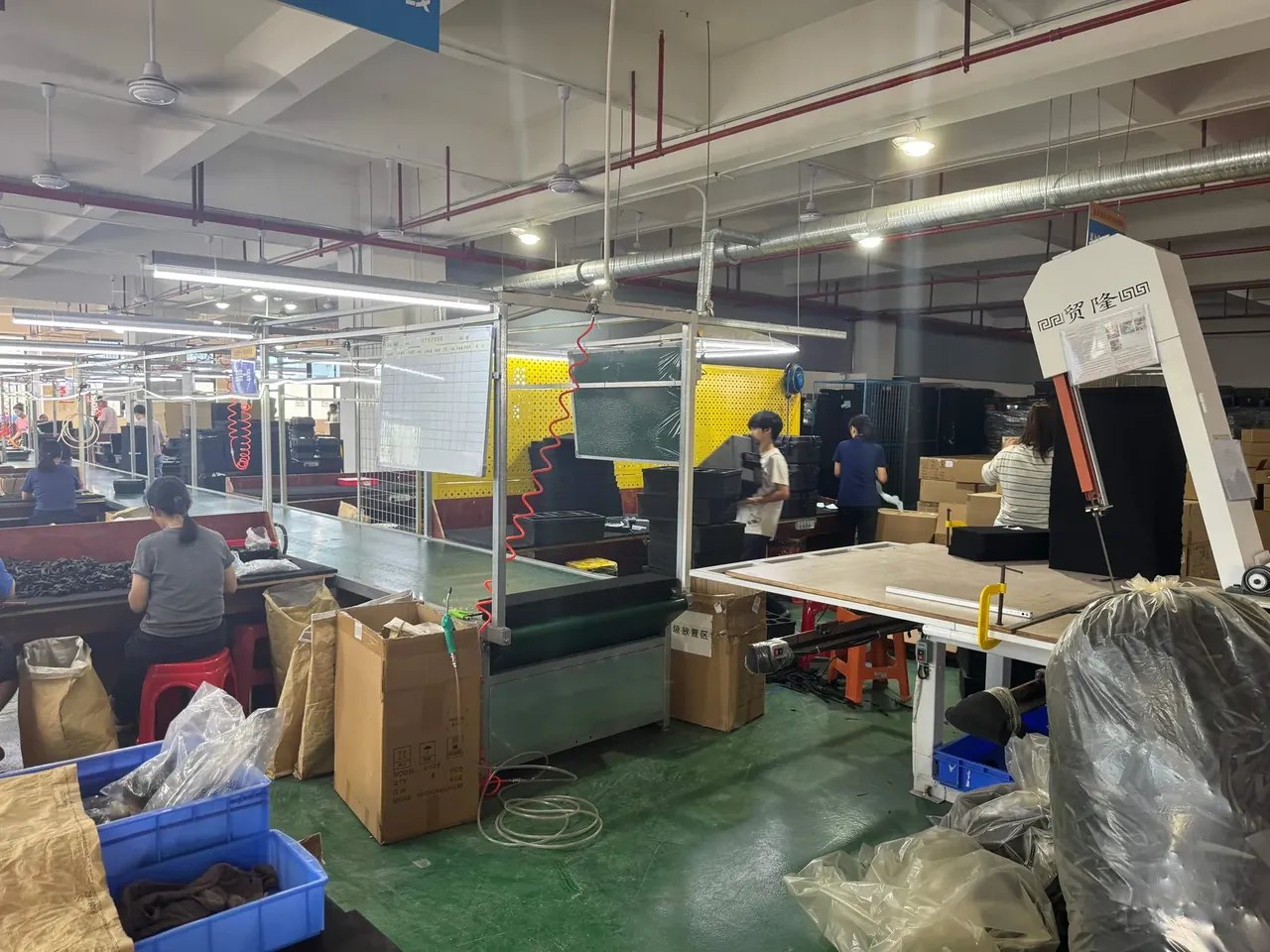
A 5.8 kg graphite-grey case failed three sample rounds with no change to the mould. The cause sat in a 500 kg masterbatch drum drawn from three grades in one season: at a 2% let-down ratio, one tonne of resin swallows 20 kg of it, and a pigment swap rewrites the profile of the batch.
Colour is the one part of a case whose recipe never reaches a drawing: resin has a grade code, hardware a mill certificate, masterbatch only a trade name.
Three routes carry substances in: pigment, carrier, plating. Each has its own denominator, from 62 g of masterbatch to a micron-scale coating. A cobalt salt at 0.2% fails inside the drum and reads 0.002% across a 5.8 kg case.
Colour is the entry point, not the finding.
2. Four groups and the limits that apply
Four groups come back from customers, with thresholds orders of magnitude apart.
| Substance group | Typical use | Threshold | Duty |
|---|---|---|---|
| Azo colourants | Red, orange, yellow | 30 mg/kg | Contract report |
| Phthalates | Dispersant, plasticiser | 0.1% each | Notify, SCIP |
| Lead compounds | Lead chromate PY34 | 500 mg/kg | Substitute |
| Cadmium compounds | Cadmium yellow, red | 100 mg/kg | Substitute |
| Nickel plating | Latches, hinges | 0.5 μg/cm²/week | Release test |
Azo is easily quoted out of context. Annex XVII entry 43 governs textiles and leather at 30 mg/kg per amine, so a moulded case falls outside it, yet European tenders paste that figure into the acceptance clause.
Phthalates enter through the carrier: pigment ground to a D50 of 0.3 μm needs a dispersant, and 60 Shore A on a gasket needs a plasticiser. DEHP and its three siblings are capped at 0.1% each.
Lead and cadmium come only with inorganic pigments. Lead chromate is 64% lead, so a 40% pigment load makes the masterbatch 25.6%, and a 2% let-down still leaves 0.51% in the shell. Cadmium yellow lands at 0.6%, sixty times its 100 mg/kg cap, and cheap parts still use both because they weather well.
Nickel belongs to the hardware: entry 27 caps release at 0.5 μg/cm²/week, which allows 6 μg a week across a 12 cm² latch.
3. Annex XIV and Annex XVII do different jobs
Annex XIV is an authorisation list: a sunset date applies, after which use or placing on the EU market needs a granted authorisation. Annex XVII is a restriction list: only concentration and use limits.
One substance can sit on both. DEHP carries a sunset date on Annex XIV and a 0.1% cap under entry 51: below 0.1% the restriction is not triggered, yet it stays an authorisation substance while listed on Annex XIV.
| Substance group | Listing | Trigger | Consequence |
|---|---|---|---|
| Phthalates | XIV and XVII | Sunset, or 0.1% | Authorise or substitute |
| Azo colourants | XVII | 30 mg/kg in textile | Market ban |
| Lead compounds | XVII | 500 mg/kg | Market ban |
| Cadmium compounds | XVII | 100 mg/kg | Market ban |
| Nickel plating | XVII | 0.5 μg/cm²/week | Market ban |
Few colourants reach Annex XIV; azo, lead, cadmium and nickel all sit under Annex XVII. The cost gap between authorising and substituting exceeds a factor of three.
4. The 0.1% test runs per worst-case part
The threshold is a mass fraction applied to an article. A case holds five parts, and a grey shell never shares a denominator with a red latch cover.
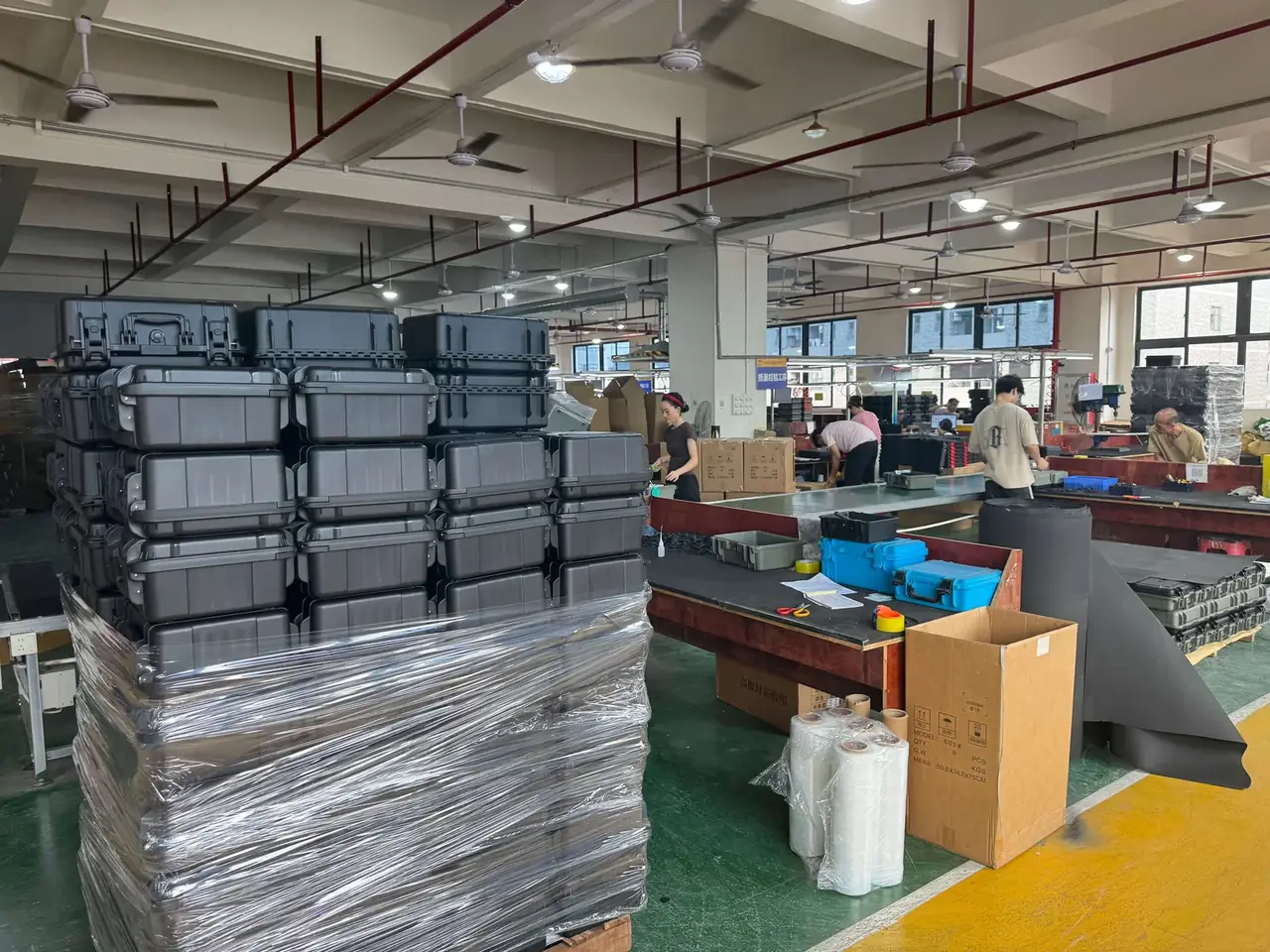
The sum is one division: at 0.1%, a 5.8 kg shell yields 5.8 g, a meaningless figure; a 62 g masterbatch yields 62 mg, and one impurity swing crosses that.
| Substance group | Method | Detection limit | Compared with |
|---|---|---|---|
| Phthalates | GC-MS, ultrasonic | 50 mg/kg | 0.1% |
| Azo colourants | Cleavage, HPLC | 30 mg/kg | 24 amines |
| Lead compounds | ICP-OES | 10 mg/kg | 500 mg/kg |
| Cadmium compounds | ICP-OES | 5 mg/kg | 100 mg/kg |
| Nickel release | 168 h sweat, ICP-MS | 0.05 μg/cm²/week | Contact area |
Method follows chemistry. Phthalates take 0.5 g of cut sample, 10 mL of dichloromethane and 1 h of ultrasonic before GC-MS; azo colourants 30 min of reductive cleavage at 70 °C, then HPLC; lead and cadmium ICP-OES on a 0.2 g aliquot in 5% nitric acid.
Detection limits belong one order below the limit: cadmium at 100 mg/kg needs a report limit of 10 mg/kg, or 0.001%, and quoting 0.01% leaves borderline samples unjudgeable. Reports stay valid 12 months.
5. Article 33 and SCIP in practice
REACH authorisation duties run on two clocks. Article 33 is a reply: above 0.1%, the supplier gives the recipient enough information for safe use within 45 days, free of charge.
SCIP is a notification: above 0.1% and placed on the EU market, filed before placing, with no grace, recording a range such as 0.1% to 0.2%, not an exact figure.
Running both from one sheet works better: masterbatch, moulding and shipment lots share a line, traceability holds 3 years, and each colour change leaves 3 retained first-offs of 200 g.
The 45 days is a reply clock, not a repair clock.
Conclusion
The risk in a colourant sits outside the formulation sheet, in a supplier layer that never reaches the drawing. Fix masterbatch and hardware by colour first, then run the 0.1% calculation per worst-case part against 500 mg/kg for lead, 100 mg/kg for cadmium, 30 mg/kg for azo and 0.5 μg/cm²/week for nickel. Substitute where a pigment allows it, notify under Article 33 and SCIP where it does not, and answer inside 45 days. One 500 kg masterbatch lot, one 3-year traceability sheet and one report under 12 months old are what an audit wants.
This article covers case-side specifications only and does not address any handling, loading or use of the contents.
Related Reading
- How often the SVHC candidate list changes
- Building a REACH compliance ledger
- Evidence pack for EU-bound cases
- EU market entry checklist
Related Products
- 8 Series — Gun Cases; Military Equipment Cases; Camera Equipment Cases; Drone Cases; Watch Cases; Knife Cases; First Aid Cases; Electronics Equipment Cases
- WL8-2812 PP Gun Case — model WL8-2812
- All protective cases and toolboxes: 7 series, 158 models