

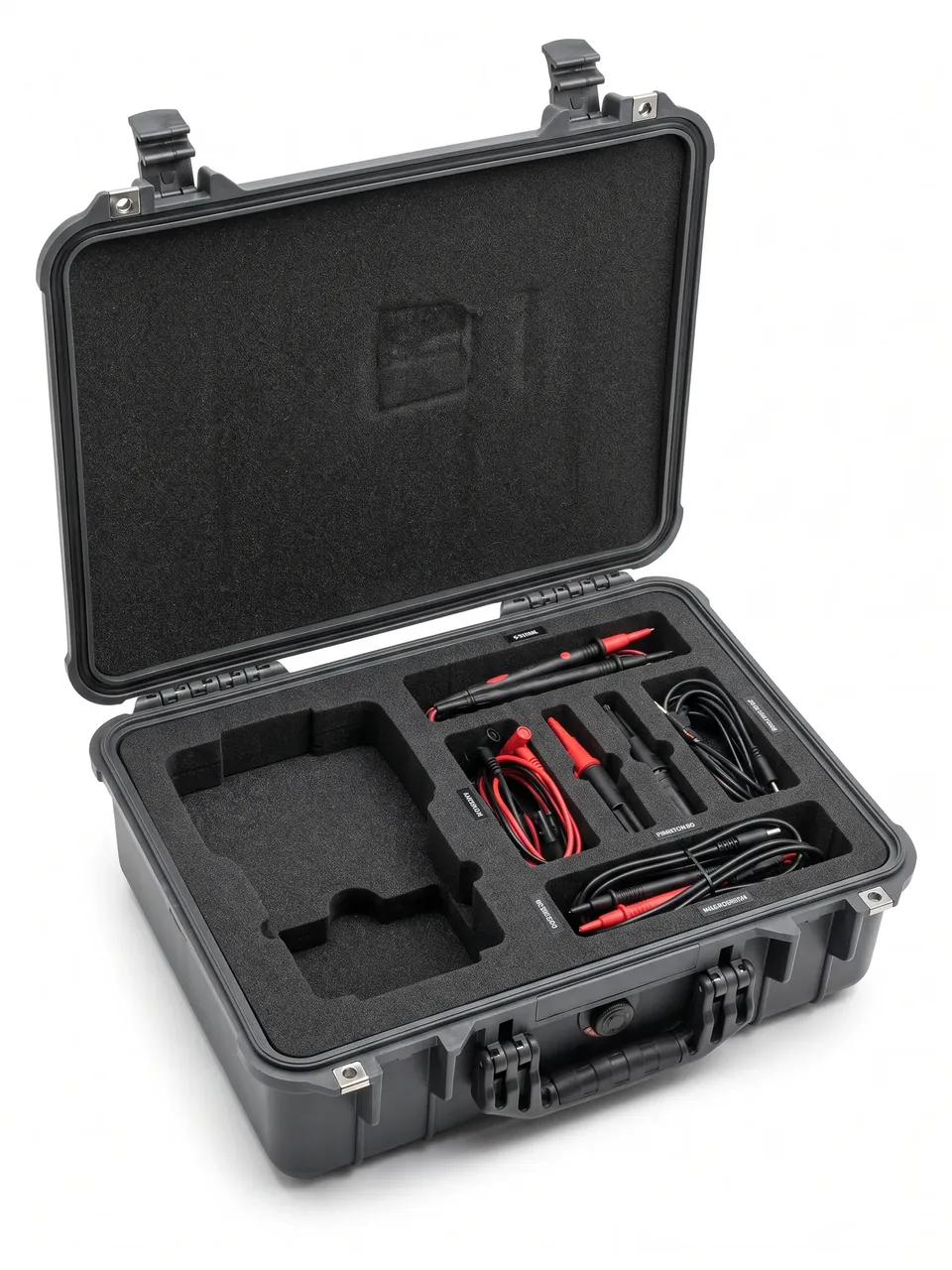
Quick answer: The case reach svhc list changes every January and June, from 233 entries in 2021 to 250 in 2026, so a parts ledger has to roll on those two dates.
Table of contents
- The list moves on a fixed clock
- What one update touches
- The threshold runs on each material
- Four part groups to account for
- Replies and SCIP timing
- FAQ
1. The list moves on a fixed clock
The candidate list follows a fixed rhythm: ECHA updates it every January and June, 5 to 6 months apart. The count ran from 233 entries in January 2021 to 240 in January 2024 and 250 in June 2026, 17 net additions across eleven updates.
Increments are uneven. The 3 updates between January 2024 and June 2025 added 7 entries in total, and June 2026 added a single one. A ledger reviewed once a year looks healthy in the quiet years and misses two parts in the busy ones.
A case reach svhc ledger belongs on the update date, not on the annual audit. Export the new list the day it appears and close the comparison within 5 working days.
| Update | Entries | Added | Ledger action | Internal limit |
|---|---|---|---|---|
| 2021-01 | 233 | Start | First register, shell and gasket | 30 days |
| 2024-01 | 240 | +7 | Re-check gasket statement | 15 days |
| 2025-06 | 247 | +7 | Extend to plating and masterbatch | 30 days |
| 2026-01 | 249 | +2 | Replace 3 expired statements | 15 days |
| 2026-06 | 250 | +1 | Send three parts for retest | 45 days |
The last column is internal: the regulation allows 45 days to answer a request, the plant works to 15 so sampling still fits.
2. What one update touches
The June 2026 update added 1 entry, yet it landed in three material families, so the parts to check grew from 4 to 7: pigment carrier in the masterbatch, soft compound in the gasket, plating on the hardware.
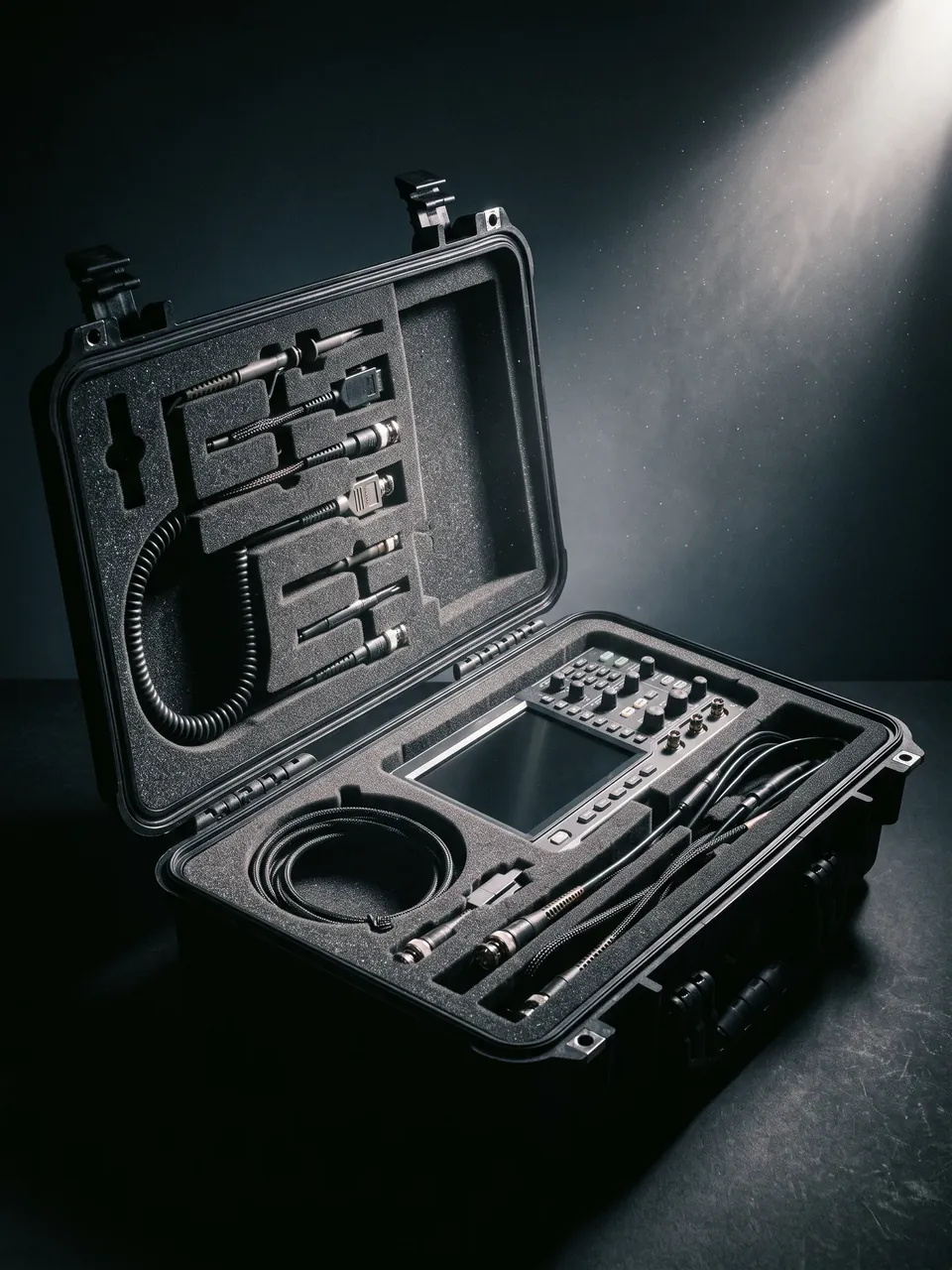
Comparison runs on CAS numbers against BOM declarations, never on trade names. A 45 L case carries 23 BOM lines: 11 with a supplier statement, 12 with only an email saying the part is clean.
Email replies do not enter the ledger. Each line needs a statement date, a covered entry count and a test method, and anything older than 12 months counts as missing.
Sampling stays narrow: 30 g of regrind from a 1.6 kg shell, the whole 12 g gasket, 2 of 8 M6 bolts. The three samples come back in 15 working days.
One update touches 1 to 3 parts, but a missed update costs 3 times a routine test.
3. The threshold runs on each material
The 0.1% figure applies to homogeneous material, not to the whole case. On a 4.2 kg case it would be 4.2 g, a number with no legal meaning; on a 12 g gasket it is 12 mg, and that figure decides the file.
Homogeneous means a material that cannot be split further by mechanical means. Shell, masterbatch, plating and rubber each count once and never share a denominator.
The sum is one division: substance mass inside the material over material mass. Masterbatch dosed at 2% to 4% and carrying 0.5% of a listed substance lands at 0.01% to 0.02% in the shell, under the threshold but still recorded.
Plating runs 8 μm on a 6.5 g bolt, about 0.09 g of coating. A coating holding 0.2% cobalt salt is 0.2% of that material, over the line, which is why small parts fail first.
4. Four part groups to account for
The parts fall into four groups: plastic shell, gasket, hardware and masterbatch. Shell and masterbatch are judged on resin and pigment, the gasket on compound and curing agent, hardware on plating and passivation film.
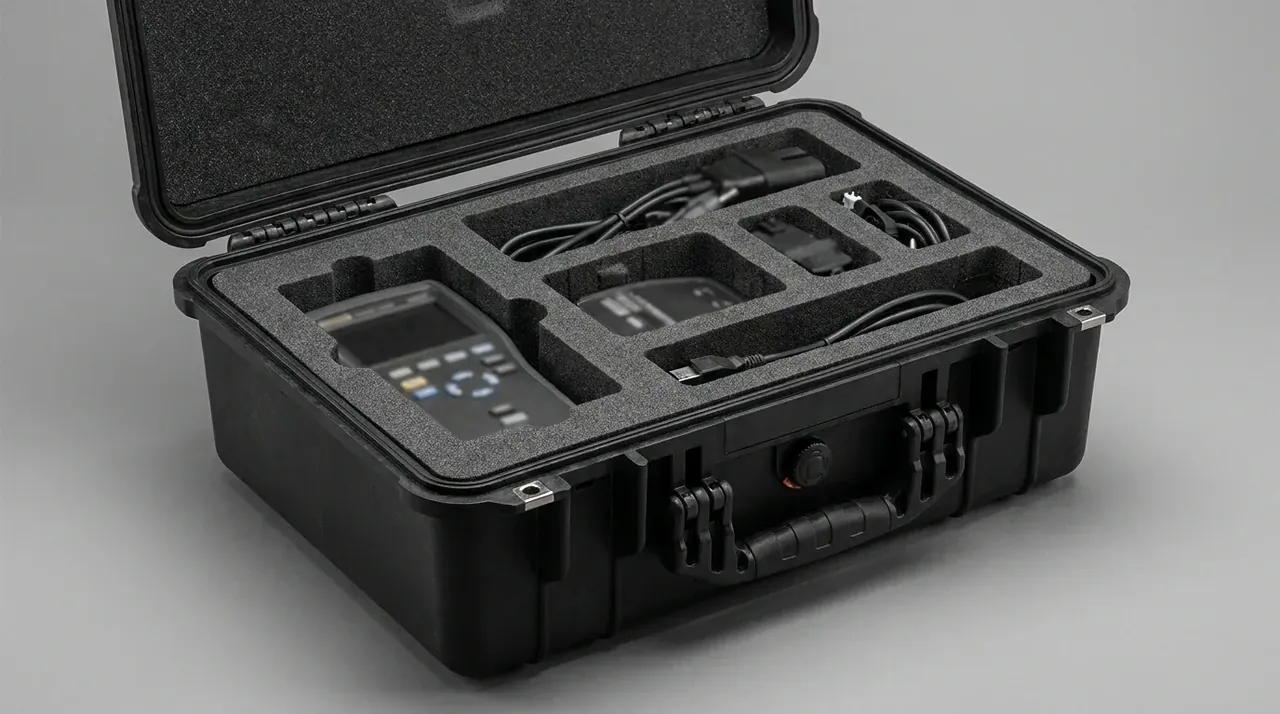
The table pairs each group with its mass and the absolute mass that equals 0.1%. The smaller that figure, the less a statement can be trusted.
| Part | Material | Mass per part | 0.1% equals | Action |
|---|---|---|---|---|
| Shell | PP body | 1600 g | 1.6 g | Use supplier statement |
| Masterbatch | Pigment concentrate | 48 g | 48 mg | Test each batch |
| Gasket | EPDM compound | 12 g | 12 mg | Sample every update |
| Hardware | Surface plating | 0.09 g | 0.09 mg | Report each batch |
The gasket is the weakest group, since 12 mg is 0.1% of a 12 g strip, so a small plasticiser change crosses the line, and two supplier switches a year are normal.
Masterbatch fails through the chain: compounder, moulder, brand. A broken link leaves the final declaration empty, so statements are collected per batch rather than per year.
Hardware is skipped most often: the stainless body holds nothing listed, but plating and passivation may.
5. Replies and SCIP timing
Article 33 requires safe-use information within 45 days of a request, while the SCIP entry must be filed before the article reaches the EU market, with no grace period.
SCIP works at article level: one case, one dossier, listing the most complex component, the substance name and a concentration band such as 0.1% to 0.2%.
The notifier is whoever places the article on the market, so the contract must name the brand or the exporter.
An internal schedule runs like this: list exported on day 0, BOM compared by day 5, sampling notice on day 10, report on day 30, SCIP closed on day 45.
Statements expire after 12 months and must print the list version date. A letter that only says REACH compliant goes back to the supplier.
Conclusion
A case reach svhc ledger needs dates, not software. On the January and June update days, export the new list, compare all 23 BOM lines within 5 working days and sort the doubtful parts into four groups: shell against the resin statement, masterbatch by batch, gasket at every update, hardware split into body and plating. Issue the sampling notice on day 10, take the report on day 30 and close the SCIP entry on day 45. Two numbers carry the judgement: 0.1% of each homogeneous material, and 45 days to answer. A ledger showing zero new parts after an update is more likely to have skipped the comparison than to be clean.
This article discusses container-side specifications and design implications only, and does not cover any handling, loading or use of the contents.
Related Reading
- REACH and RoHS compliance compared
- Export compliance evidence checklist
- Preparing CE and RoHS certification
- Building a REACH compliance ledger
Related Products
- 8 Series — Gun Cases; Military Equipment Cases; Camera Equipment Cases; Drone Cases; Watch Cases; Knife Cases; First Aid Cases; Electronics Equipment Cases
- WL8-2812 PP Gun Case — model WL8-2812
- All protective cases and toolboxes: 7 series, 158 models