

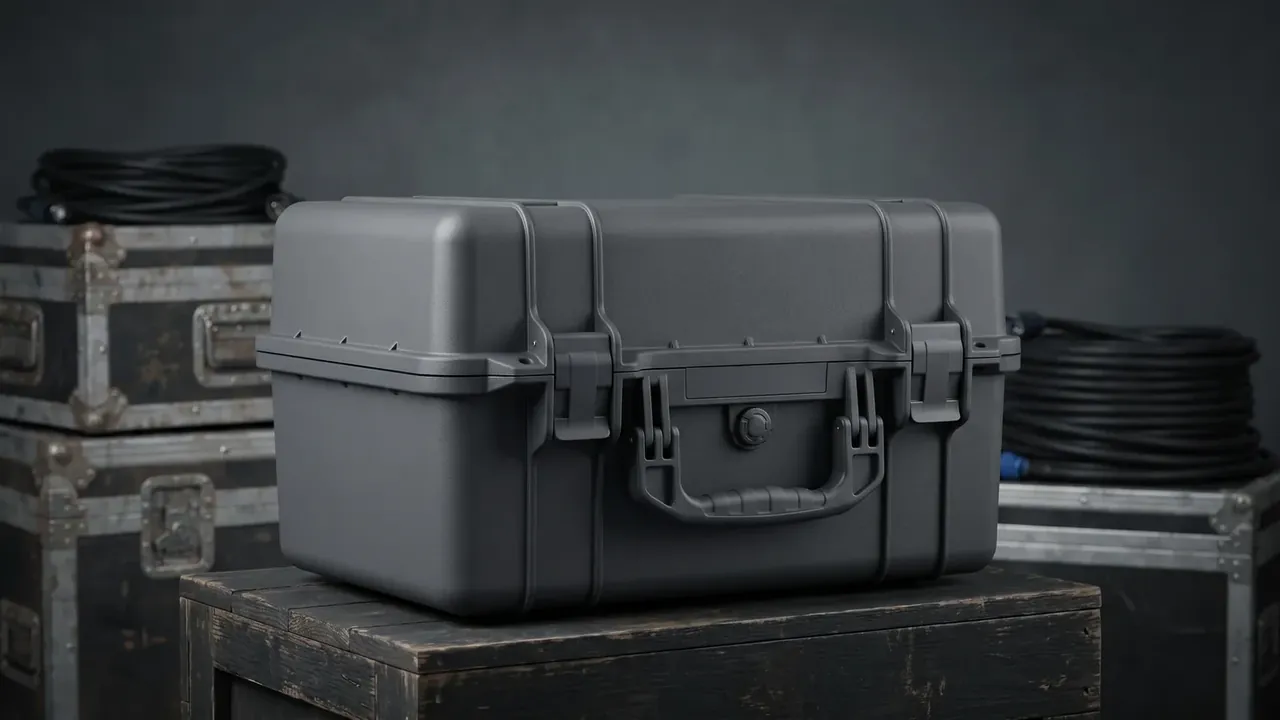
Quick answer: A road case works three different ways: on tour it is packed against the load-in order, at a trade show it is packed by stand zone, in transit it is packed to the truck or aircraft door. Get the logic wrong and no case is good enough.
Table of contents
- Three settings, three packing logics
- Tours: the load-in order writes the case plot
- Trade shows: in and out over three days
- Transit: loading, fixing and handover
- Counting, numbering and a damage log
- FAQ
1. Three settings, three packing logics
On tour, a road case is packed by time: what is used first is packed last, so cases land in the order they are needed instead of one heap at the door. At a show, packing follows space: shallow cases that tuck under a counter, empties out of the hall by opening. In transit it follows capacity, weight and door size.
| Setting | Packing basis | Case configuration |
|---|---|---|
| Tour | Reverse of load-in | Deep, wheeled |
| Trade show | Stand zones | Shallow, divided |
| Transit | Truck and door size | Standard, three-high |
2. Tours: the load-in order writes the case plot
Load-in runs on a fixed line: power, truss, audio, then video and instruments, and a road case takes its letter from that line, painted front and both ends.
The case plot matters more. It gives every case a stage zone and an orientation, so unloading follows zones, not numbers. Empty cases go back before doors open, three high at most; a fourth tier crushes the lid step.
| Load-in stage | Case group | Landing position |
|---|---|---|
| Power and distribution | A | Rear stage left |
| Truss and fixtures | B | Both wings |
| Audio and console | C | Front of house |
| Video and instruments | D | Upstage |
3. Trade shows: in and out over three days
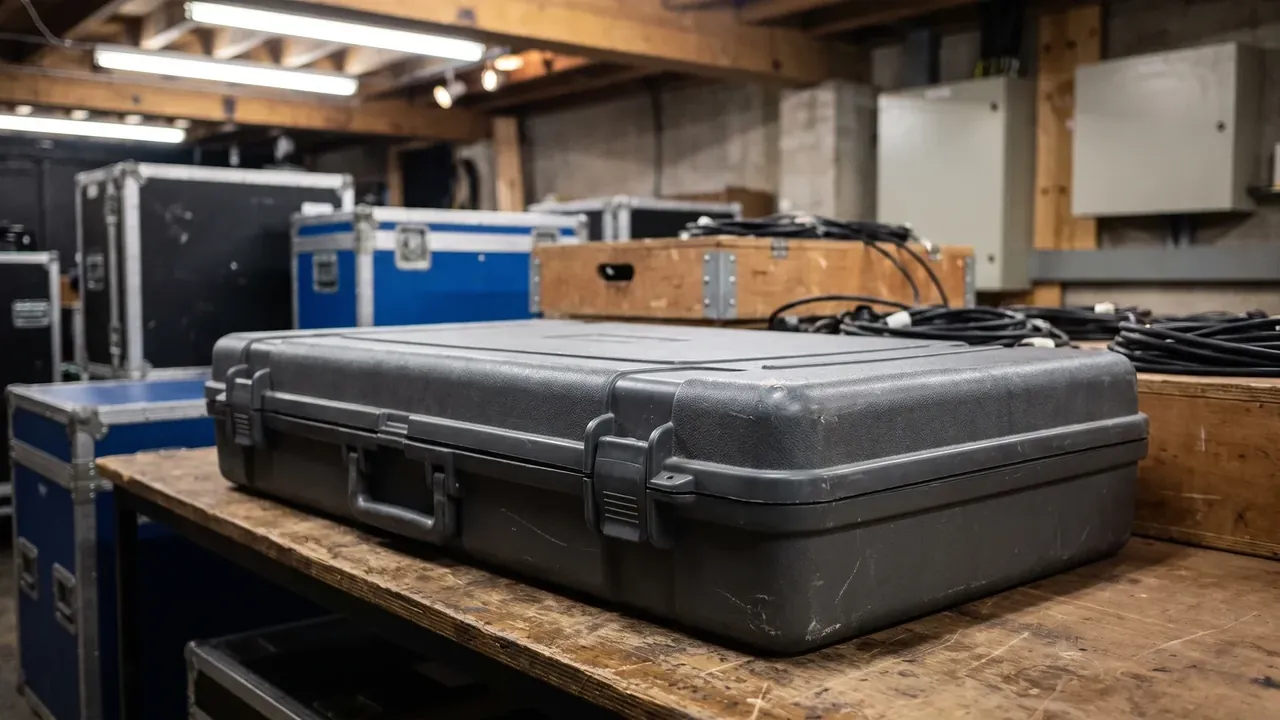
Case work clusters into three windows: build-up, three show days, and a four to six hour teardown. Build-up is when cases block aisles, and fire lanes cannot hold storage, so empty shells go to the organiser at once.
Only shuttle cases stay, under the counter, holding literature and spares. Teardown packs by value, small and fragile first, keeping cases out of the aisle.
| Phase | Case action | Risk |
|---|---|---|
| Build-up | Unload and open by zone | Blocking the fire lane |
| Show days | Shuttle cases only | Empties behind the stand |
| Teardown | Pack by value | Congestion, miscounts |
4. Transit: loading, fixing and handover
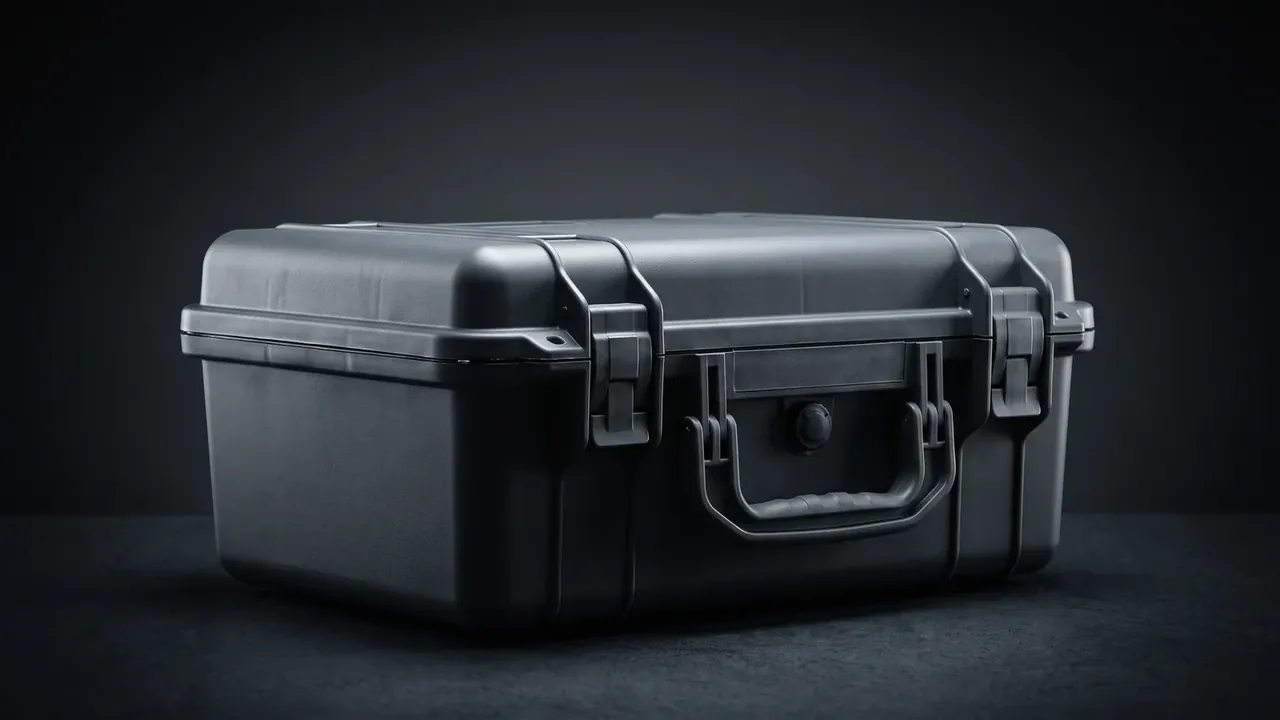
Three numbers decide the load: total weight, unit weight, stack height. A loaded road case reaches forty to sixty kilograms, a two-person lift per tier.
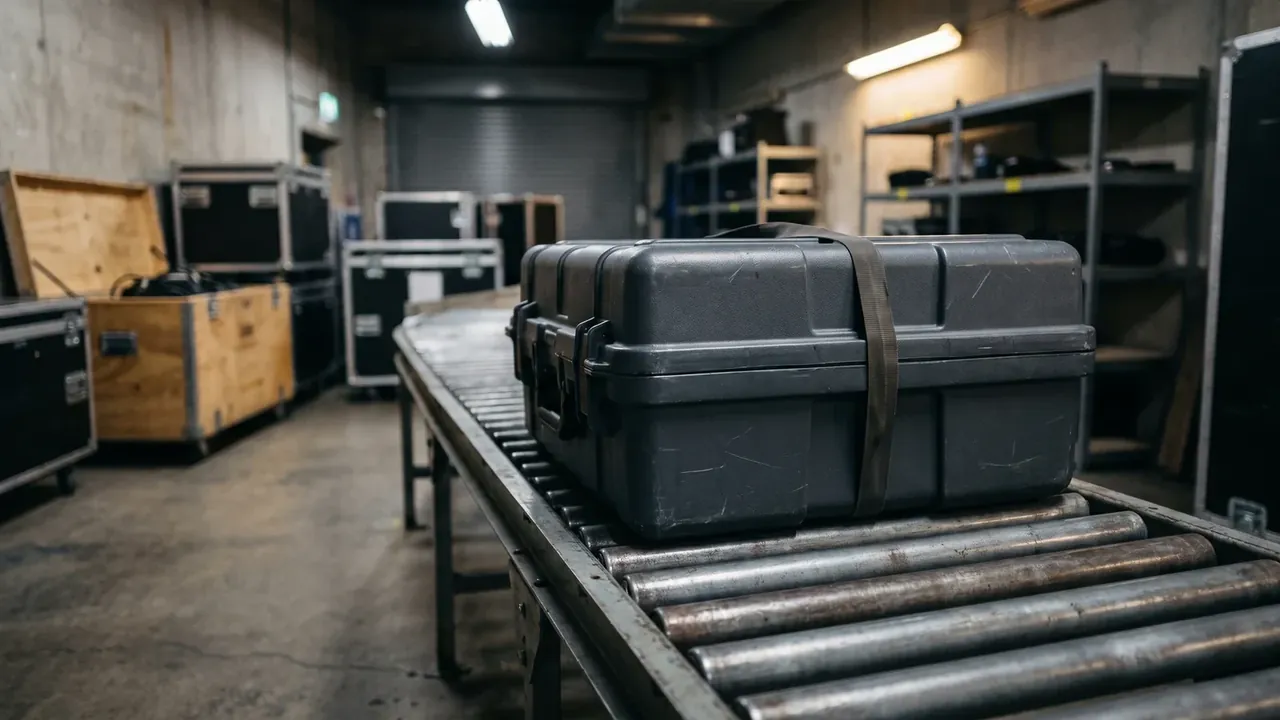
Stack three high at most, heavy below, wheel end to the door, so the first pulls straight out. Strap to floor anchors, never the handle, and fill gaps with air bags. The handover sheet notes only new damage.
| Fixing | Method | Common error |
|---|---|---|
| Strapping | Floor anchor over the top edge | Tied to the handle |
| Filling | Air bags between cases | Leaving gaps |
| Orientation | Wheel end to the door | All facing in |
5. Counting, numbering and a damage log
Counting runs on scans, not eyes: one unique number front and both ends, scanned at dispatch, arrival and strike.
The damage log keeps shell cracks, latch failure and wheel damage; scuffs stay out. A number failing repeatedly is scrapped, while the same fault across many numbers is a handling problem. The quarterly check covers latch bite, gasket compression, wheels, brakes and screws.
Conclusion
The three settings differ less in the case than in packing order and landing spot: a tour is won by the case plot, a show by empties leaving, transit by how the load is fixed. Settle the usage first, choose the road case second.
This article covers container-side specifications and design implications only, not the handling, loading or use of the contents.
Related Reading
- Case configuration for stage lighting and audio
- Transit cases for trade show exhibits
- QR asset tracking for cases
- Loading and stacking precautions
Related Products
- 8 Series — Gun Cases; Military Equipment Cases; Camera Equipment Cases; Drone Cases; Watch Cases; Knife Cases; First Aid Cases; Electronics Equipment Cases
- WL8-2812 PP Gun Case — model WL8-2812
- All protective cases and toolboxes: 7 series, 158 models