

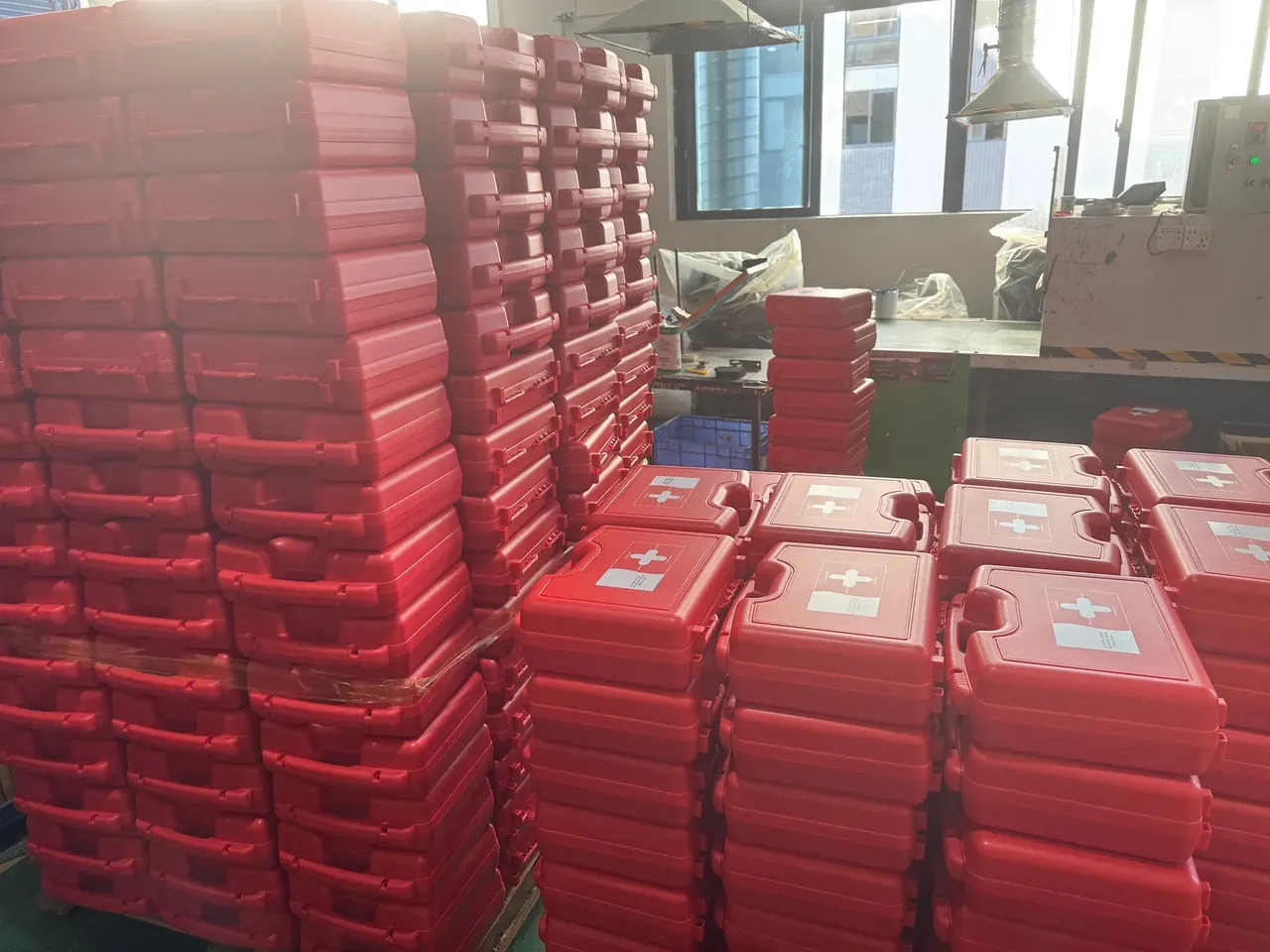
Quick answer: A second party audit fits a half day: 20 min opening, 100 min on the floor, 60 min on records, 30 min closing, and 30 min for gowning and walking.
Table of contents
- The Audit Budget: What 210 Minutes Can Cover
- Sampling: Three Orders, Five Records, Two Samples
- Grading: Seven, Thirty and Ninety Days
- Four Differences from an ISO 9001 Audit
- Two Auditors, Six Pages
- FAQ
1. The Audit Budget: What 210 Minutes Can Cover
A 38 L moulded case passes four steps between pellet and carton, and the buyer gets half a day. Four hours is 240 min, but registration, gowning and the walk to the floor take 30 min, leaving 210.
The split follows decision points, not departments. The floor gets 100 min, moulding 40 and the other steps 15, 25 and 20; records get 60 min across 5 documents. The opening 20 min settles 4 things, including whether the auditor may stop the line.
| Window | Minutes | Activity | Output |
|---|---|---|---|
| 0–20 min | 20 min | Opening: 4 agenda items, stop-line authority | 1-page sign-in |
| 20–120 min | 100 min | Four process steps; moulding takes 40 min | 2 pages of floor notes |
| 120–180 min | 60 min | Five records checked one against another | 1 page of notes |
| 180–210 min | 30 min | Closing: findings read, graded, re-audit dated | 1 signed page |
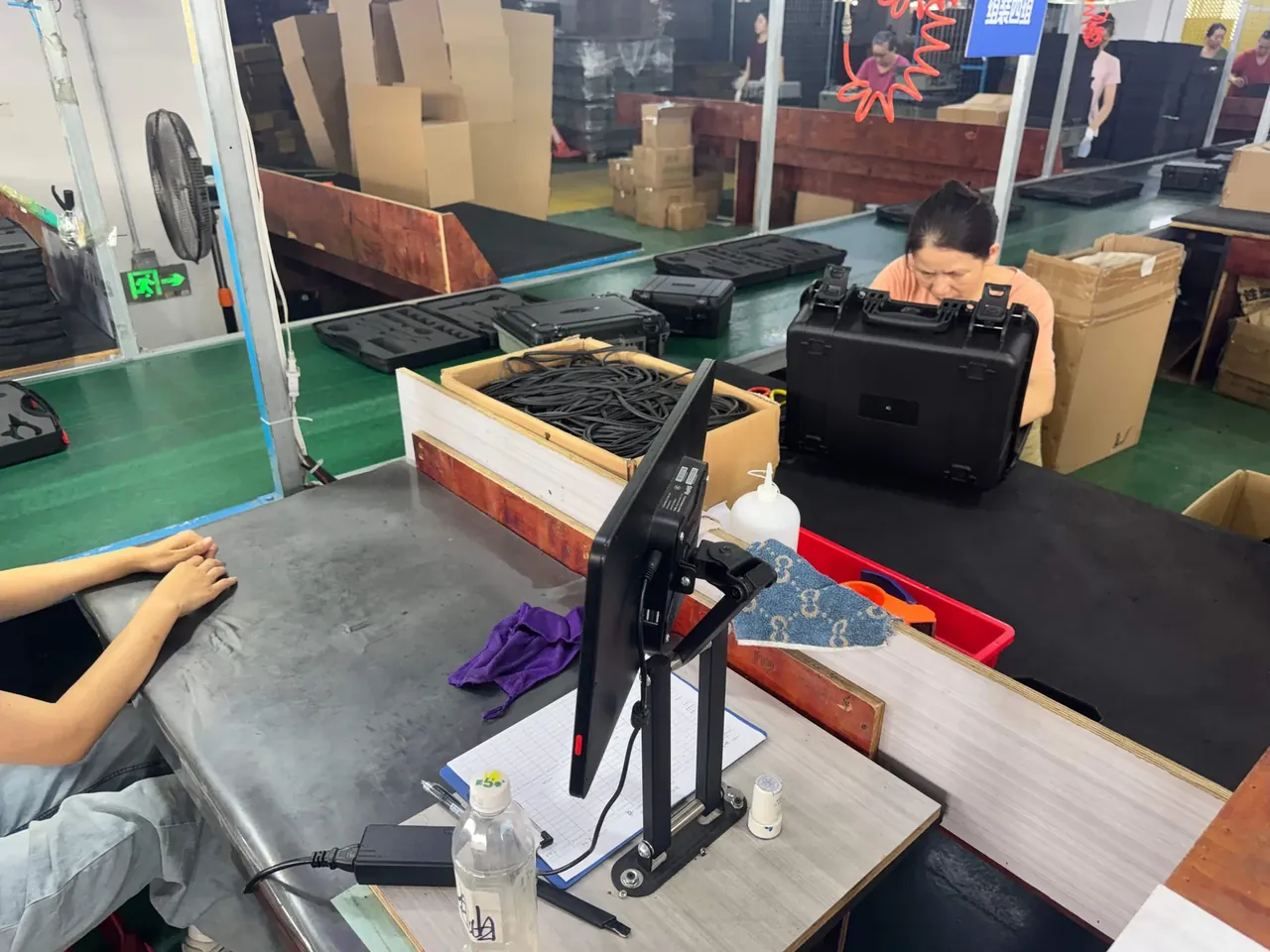
| 210–240 min | 30 min | Gowning out, missing photos, two samples | 6-page pack |
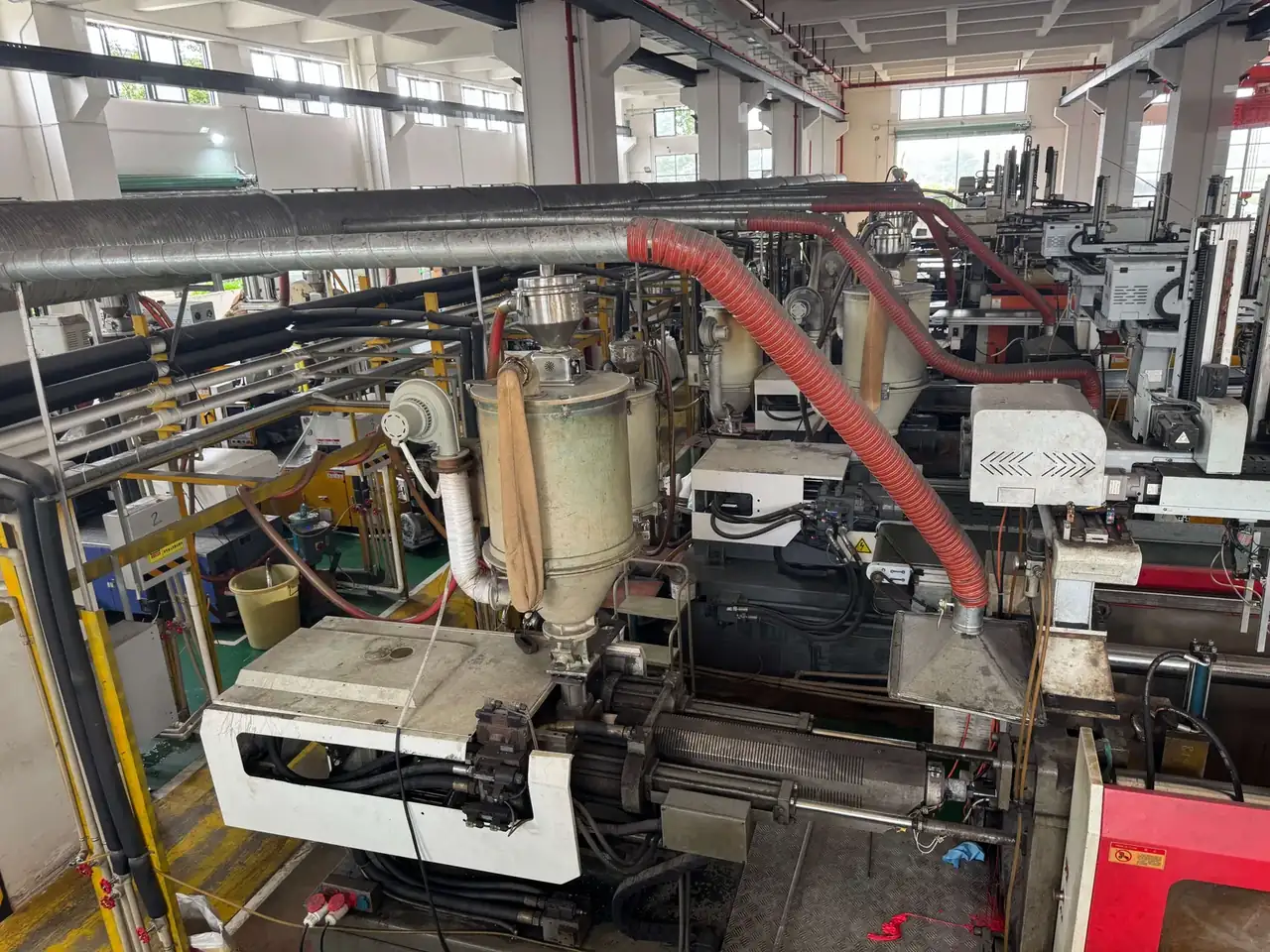
Moulding earns 40 min because three readings exist only at the machine: barrel temperature, hold pressure and cooling time. Moving cooling from 22 s to 18 s shifts wall shrink by 0.2 mm. If they disagree with the process card, the paperwork confirms nothing.
2. Sampling: Three Orders, Five Records, Two Samples
Half a day buys fixed evidence: three orders, five records, two samples. What matters is whether they lock together, orders to batches, records to steps, samples to parts.
The orders are chosen, not grabbed. The first ran within 7 days, so floor and file compare live. The second is the first shift after a tool change, where deviation concentrates. The third was reworked, where notes carry problems that never reach a report. Against 12 orders in 90 days, three is a 25% slice.
Five records: 2 first-article sheets, 2 patrol inspections, 1 outgoing report. Each is read for signature, timestamp and value; a sheet reading "OK" everywhere is worth nothing.
Two samples come from the top and bottom of one batch, side by side, exposing colour drift, flash and latch preload.
| Sampled item | Quantity | Source | What it settles |
|---|---|---|---|
| Work orders | 3 of 12 in 90 days | Scheduling board, ERP printout | Order, batch and cavity numbers |
| Quality records | 5 | 2 first-article, 2 patrol, 1 outgoing | Signature, time, measured value |
| Retained samples | 2 | Top and bottom of one batch | Colour, flash, latch preload |
3. Grading: Seven, Thirty and Ninety Days
A grade follows consequence, not count. One major finding holds a shipment inside the factory; ten observations can ship tomorrow.
| Grade | Trigger | Closure | Verification |
|---|---|---|---|
| Major | Pressure drop past the 0.3 bar limit | 7 days | Re-test 3 units, read decay |
| Major | Latch retention below 250 N | 7 days | Pull 5 pieces, take median |
| Minor | Colour beyond ΔE 1.5, flash above 0.2 mm | 30 days | Photos, sample comparison |
| Observation | Fixture placement, label orientation | 90 days | Confirmed at next visit |
The clocks run backwards from what has to change. Seven days buys parameters and tooling: cooling, latch spring, flash knife. Thirty days buys process and marking work. Ninety days is habit correction, because nothing moves a fixture back except the next visit.
Errors run both ways. Grading a ΔE drift of 0.1 as major hands the supplier an impossible deadline. Grading an over-limit pressure drop as a suggestion is worse: the goods ship, and the report becomes the buyer's evidence in a claim. Keep the list at 12 items.
4. Four Differences from an ISO 9001 Audit
A certification body sends auditors for 2 days; a buying team sends them for 4 hours.
Scope comes first. Certification covers 23 procedures and 12 months of records; this audit reads the 6 tied to the product. The other 17 say nothing about the case in the box.
Batch focus comes second. Certification samples the system; the buyer samples these three orders. A well-run line for another customer says nothing about Friday's lot.
Cost visibility comes third. A buyer can ask for resin price, labour hours and yield; a certification body cannot. The gap between 96.5% and 92% yield lands as roughly 0.8 CNY per case.
The stop-line call comes last. On a major finding, the buyer's representative can require the tool to stop within 30 min; a certification auditor can only raise a nonconformity. Use it once and it works; use it every visit and it reads as harassment.
Four differences, one conclusion: a purchasing instrument, not a certification one.
5. Two Auditors, Six Pages
In a second party audit one asks, one writes. The questioner follows material from hopper to pallet; the writer numbers photos and records wording. Neither grades on the move, keeping the supplier showing.
Six pages hold the visit: a cover, 3 floor pages by step, 1 page tabulating 5 records, 1 signature page with the re-audit date.
Milestones matter more than the form. Seven days out, send a 12-item questionnaire drawn from a generic 38-item template; 3 working days after, issue the report. Majors re-verify within 7 days, minors by email inside 30 days.
Conclusion
The hard part is not reading a factory, it is spending 210 min where a judgement can change: 3 orders, 5 records, 2 samples, then 7, 30 and 90 days. Fix the clock and the sample size in advance and the visit stops being theatre. Walk in with a generic template and what comes back is three suggestions written from the car park.
This article covers case-side specifications only and does not address any handling, loading or use of the contents.
Related Reading
- Supplier audit: the eight points and a two-hour route
- Five places to look on a factory visit
- Presses, tools and test gear on a factory checklist
- The three qualification gates for a new supplier
Related Products
- 8 Series — Gun Cases; Military Equipment Cases; Camera Equipment Cases; Drone Cases; Watch Cases; Knife Cases; First Aid Cases; Electronics Equipment Cases
- WL8-2812 PP Gun Case — model WL8-2812
- All protective cases and toolboxes: 7 series, 158 models