

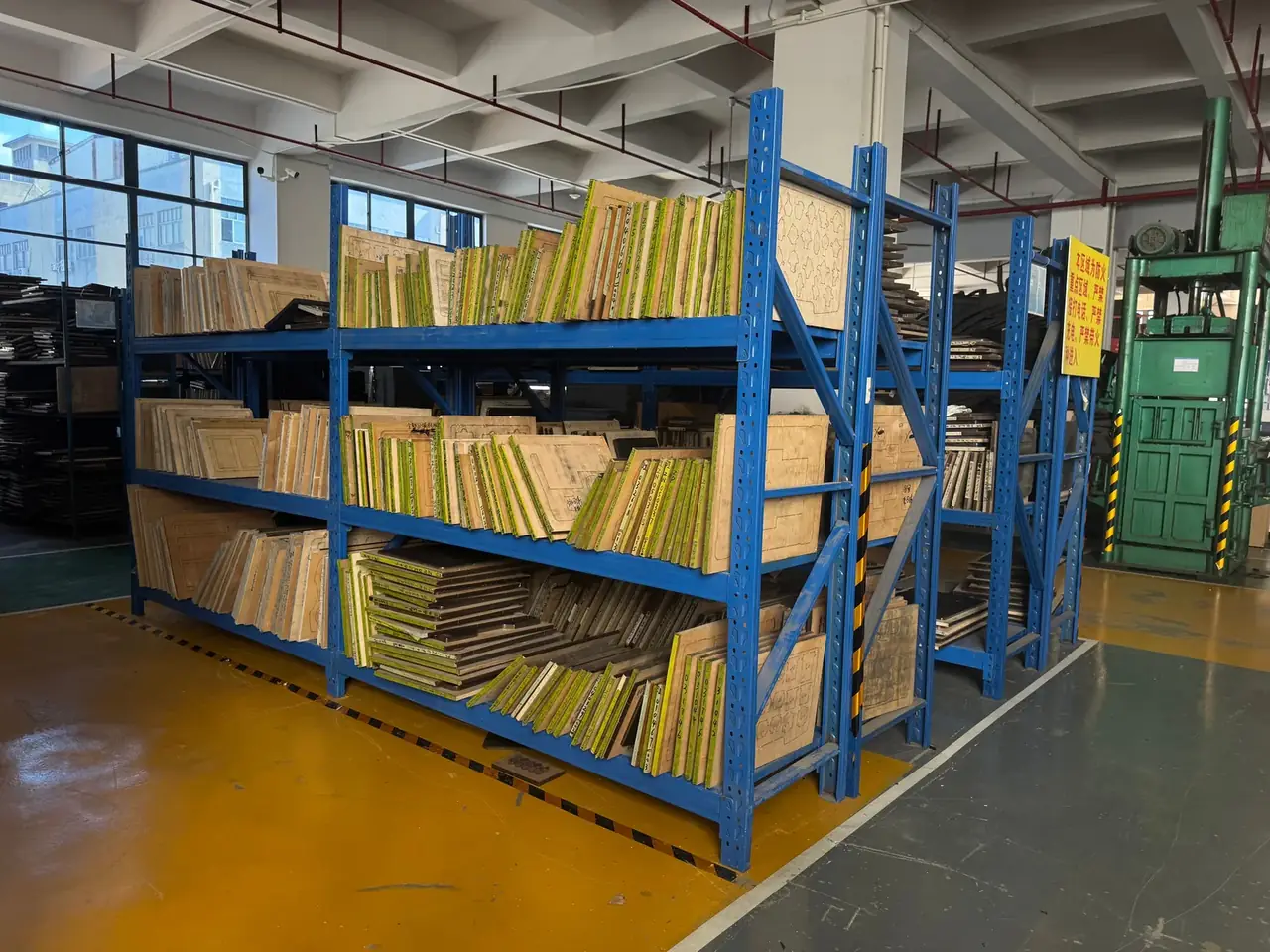
Quick answer: Template racks use 350 mm shelf pitch because the thickest template measures 320 mm and fingers need 30 mm; each 800 kg shelf carries an 8-degree lean. Fit pitch, load and lean together and a 120 kg board draws out clean.
Table of contents
- Setting 350 mm Shelf Pitch
- 800 kg per Shelf with an 8-Degree Lean
- Moving a 120 kg Template in 1.5 m
- 0.1 mm Oil Film at 55 Percent RH
- Bay Numbering That Survives Shift Change
- FAQ
1. Setting 350 mm Shelf Pitch
Pitch is set by the thickest board in the store, not by the average. Case-body templates come in three thicknesses: 120 mm flat dies, 180 mm cutting dies, and 320 mm composite boards with a pad bolted on. Template Racks at 350 mm let the thickest one slide in upright with 30 mm left above.
That 30 mm is finger room. Below 25 mm a board can only be gripped by its edge, where it chips first. A 2.4 m shelf carries four boards with 60 mm between them; tighter and the middle board drags its neighbours over.
Three tiers across Template Racks pay off, because a thin-board bay need not rise with the die bay. On one wall that is about 20 percent more boards, and a removable beam handles changeover.
| Pitch | Clear opening | Board thickness | Boards per shelf | Top margin |
|---|---|---|---|---|
| 250 mm | 210 mm | 120 to 180 mm flat dies | 6 | 30 mm |
| 350 mm | 310 mm | 180 to 320 mm cutting dies | 4 | 30 mm |
| 450 mm | 410 mm | Above 320 mm composite | 3 | 40 mm |
| 550 mm | 500 mm | Framed block templates | 2 | 60 mm |
The bottom tier stays at 550 mm for framed blocks and heavy plates. They sit low, lift straight out, and never swing onto the board below.
2. 800 kg per Shelf with an 8-Degree Lean
The 800 kg rating is a distributed load, not a point load. Four boards at 120 kg come to 480 kg, leaving 320 kg of headroom.
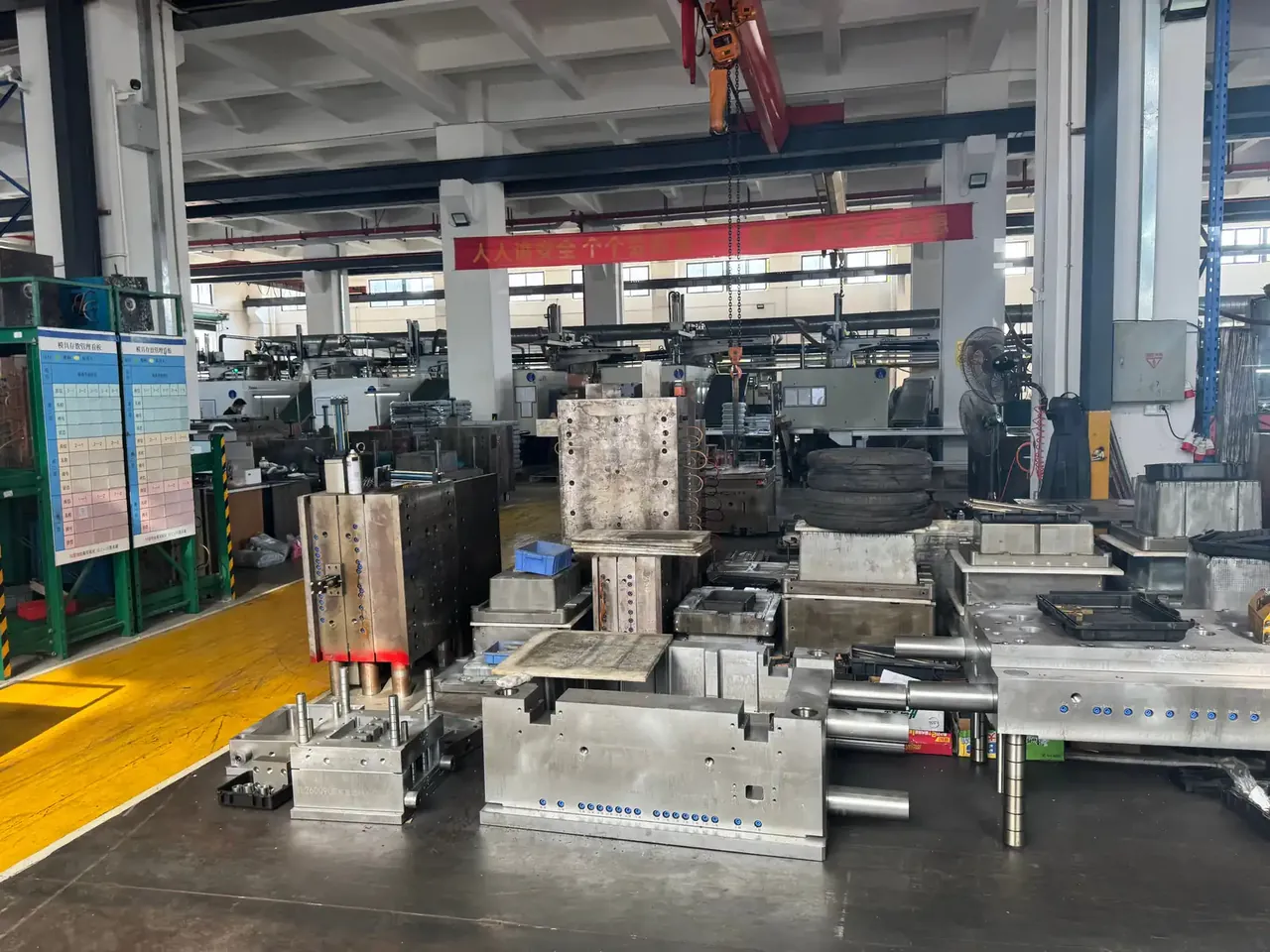
Beams are 80 by 40 by 3 mm cold-formed sections, deflection held under 3 mm at a 2.4 m span. Past that the shelf bows, the bottom edge of a case-body template digs in and the board drags. Uprights run 70 by 70 by 3 mm on 150 by 150 mm base plates with four M12 anchors, on a floor checked at 5 t per square metre.
Lean is what most Template Racks get wrong. Under 5 degrees a board tips forward on its own; past 12 the force into the rail climbs and the board must be pushed back first. At 8 degrees a 120 kg board presses 16.9 kg into the rail, which one forearm holds.
| Lean angle | Force into rail at 120 kg | Base friction | Pull effort | Where used |
|---|---|---|---|---|
| 5 degrees | 10.5 kg | Rubber mat, 0.6 | Light but unstable | Thin-board bay |
| 8 degrees | 16.9 kg | Chequered plate, 0.5 | One arm | General shelves |
| 12 degrees | 25.5 kg | Stop blocks, 0.7 | Two people | Thick-die bay |
| 15 degrees | 32.1 kg | Lower stop bar needed | Sling required | Not advised |
Fix the angle and the front lip follows: 40 mm at 8 degrees, 60 mm at 12.
3. Moving a 120 kg Template in 1.5 m
Drawing a 120 kg board out of Template Racks takes three moves: lift 20 mm to clear the hook, tilt 3 degrees to free the back face, then slide. Skip the tilt and the locating pin bends.
The 1.5 m is 900 mm of board plus 600 mm of operator. In a narrower aisle the operator turns sideways, strain doubles, and boards lean against walls.
One operator needs 45 s, 12 s of it lining up the slot. Two cut it to 28 s with their feet offset by 400 mm. Above 30 draws a day, lay a 1.2 m landing pad at the bay.
4. 0.1 mm Oil Film at 55 Percent RH
A template is not a case body, but it runs on the case-body profile, and one rust spot prints a line on the next shell. Film on Template Racks is held at 0.1 mm: thinner and it stops sealing, thicker and it pools and dusts.
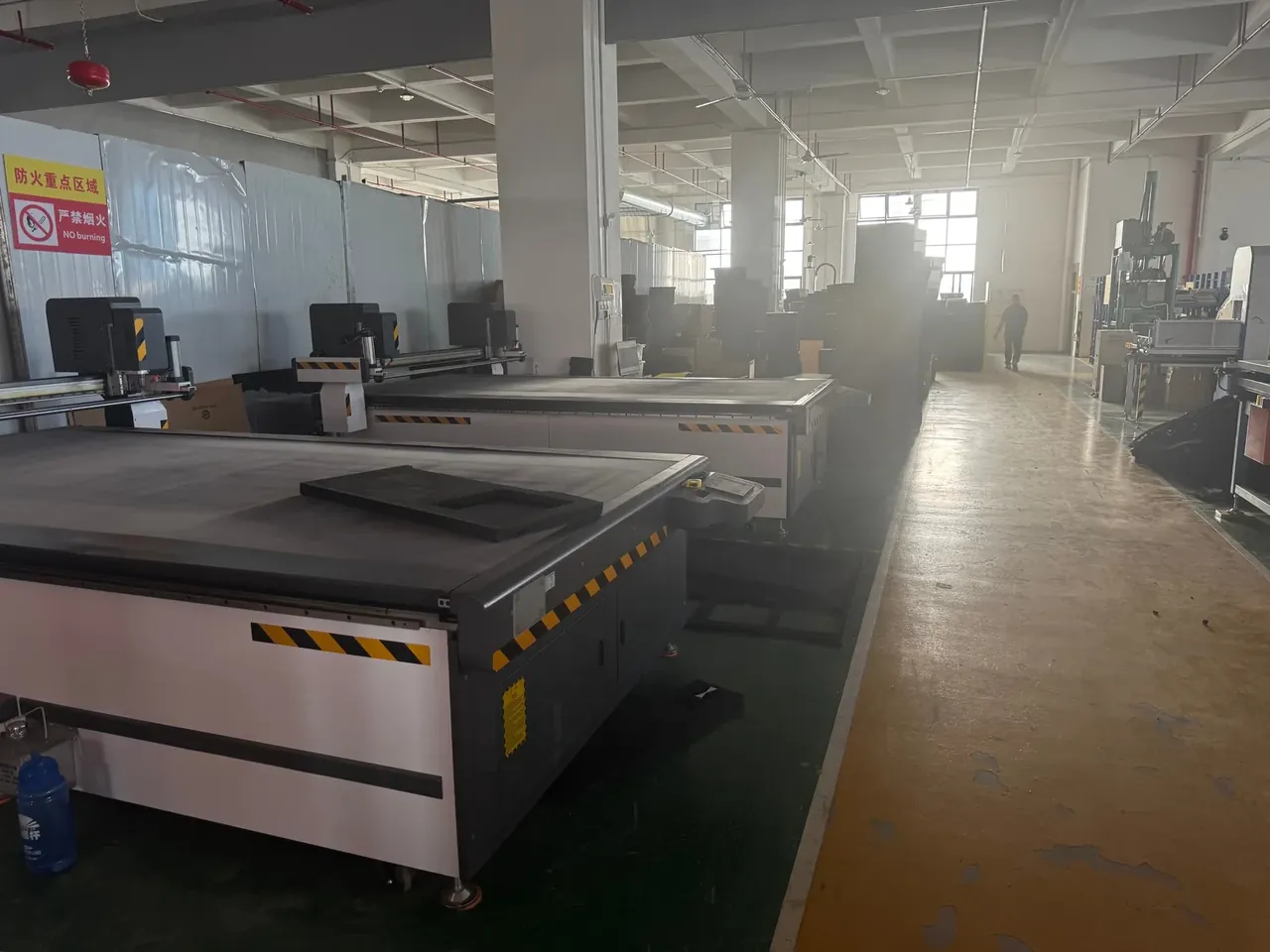
At 0.1 mm the film takes about 90 g per square metre. A 2.4 by 1.2 m board carries 5.8 square metres over both faces, so a coat uses 520 g. Brush one way; a cross-hatch traps air and those pinholes rust from beneath.
Humidity at 55 percent RH is the line. Above 60 a steel face condenses at a 3 C differential, below 45 the film dries and lifts. Two loggers and a dehumidifier hold the store inside that band.
| Film thickness | Oil per square metre | Storage life | Feel at the grip | Use |
|---|---|---|---|---|
| 0.05 mm | 45 g | 30 days | Dry | Reused within a week |
| 0.1 mm | 90 g | 90 days | Slightly tacky | Normal stock |
| 0.2 mm | 180 g | 180 days | Noticeably tacky | Six months or more |
| 0.3 mm | 270 g | Not advised | Pools and dusts | None |
Strip old film with kerosene, dry it, then recoat. New oil over old traps moisture between the layers.
5. Bay Numbering That Survives Shift Change
On Template Racks a bay code reads A-03-2: zone, rack, level. Letters stop at F, and the numerals never borrow O or I, because at night one misread character costs a thirty-metre walk.
Three rules: codes rise from the entrance, levels count up from the floor, and the band on the board matches the band on the frame, so a starter stands at the right bay within 40 s.
The Template Racks ledger carries four columns: board, bay, oil date, next inspection. A fifth becomes a chore and the sheet stops being filled in.
Pitch, load and lean give Template Racks their skeleton; codes and a ledger turn steel into a location anyone can find. A 120 kg case-body template leaves and returns through 1.5 m and 45 s because those numbers were fixed in advance.
Related Reading
- Mold storage, rust and records
- Standing angle and base boards
- Shelf height in a tool room
- Stack height and aisle width
JUNZHIJIA
Related Products
- 8 Series — Gun Cases; Military Equipment Cases; Camera Equipment Cases; Drone Cases; Watch Cases; Knife Cases; First Aid Cases; Electronics Equipment Cases
- WL8-2812 PP Gun Case — model WL8-2812
- All protective cases and toolboxes: 7 series, 158 models