

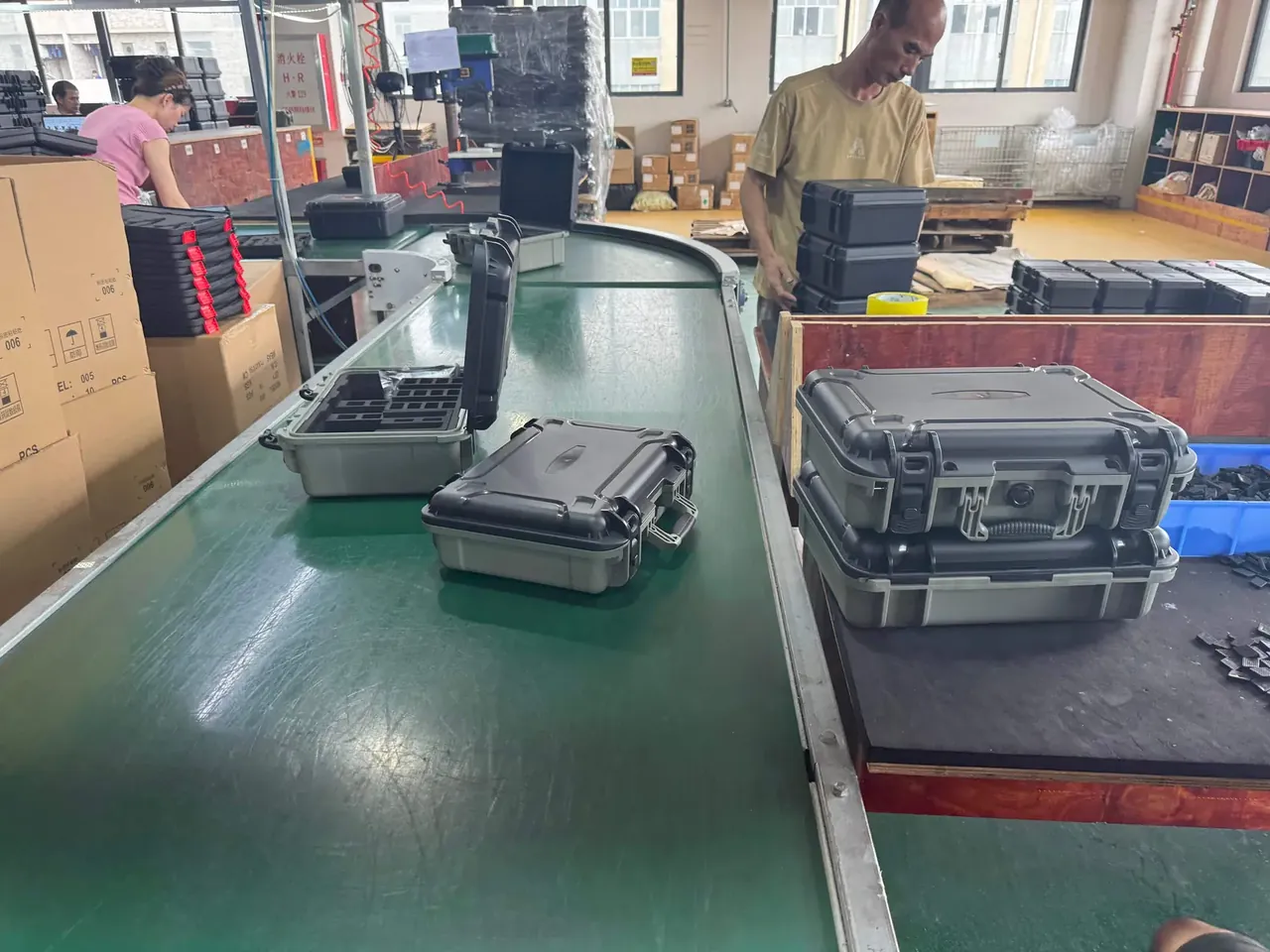
Quick answer: A Tool Roll is accepted batch by batch with numbered samples and fixed accept-reject limits. Appearance is judged at 1000 lux, dimensions after conditioning, strength by load, pull and cycles.
Table of contents
- Sampling and Tool Roll Batch Definition
- Appearance and Stitching Checks
- Dimensions and Slot Tolerances
- Strength and Durability Tests
- Batch Judgement and Rework
- FAQ
1. Sampling and Tool Roll Batch Definition
Batches are split before any sample is pulled: one fabric roll, one slot pattern and one sewing shift make one batch. Mix two fabrics and fifty samples describe nothing about the rest of the lot.
Sampling is adjusted counting at level II: 32 samples for 151 to 280 pieces, 50 for 281 to 500, 80 for 501 to 1200. Major defects run at AQL 2.5, minor at 4.0, and samples rest four hours at 20 °C and 65% relative humidity before measuring.
| Lot size | Samples | Major accept | Major reject | Minor accept | Minor reject |
|---|---|---|---|---|---|
| 151 to 280 | 32 | 2 | 3 | 5 | 6 |
| 281 to 500 | 50 | 3 | 4 | 7 | 8 |
| 501 to 1200 | 80 | 5 | 6 | 10 | 11 |
2. Appearance and Stitching Checks
Appearance is viewed at 1000 lux from 600 mm with both faces turned. A blemish above 3 mm is major, a skipped stitch under 1 mm is allowed twice per piece, and stitch density runs 28 to 32 per 100 mm.
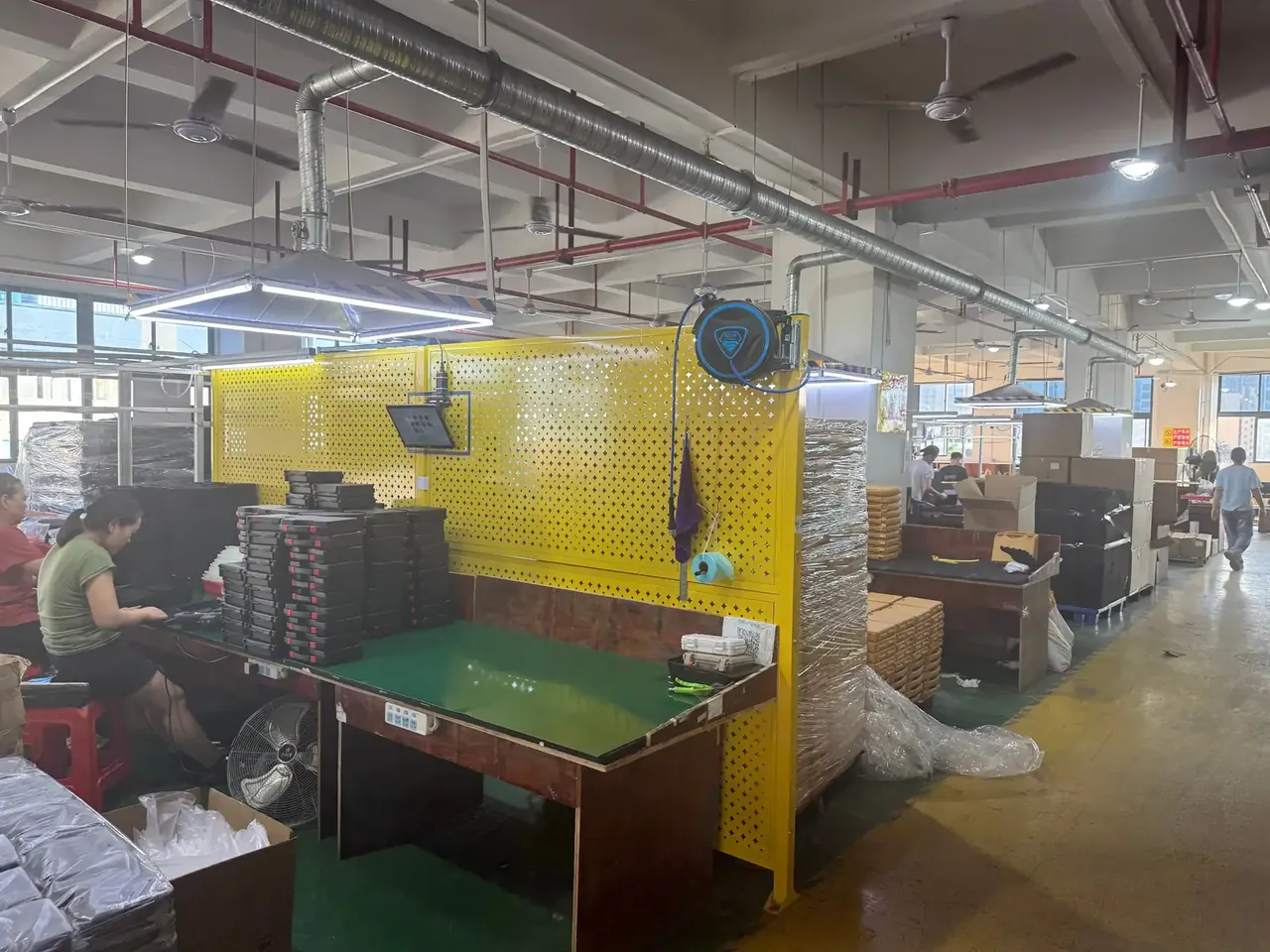
Seam allowance is 8 mm plus or minus 1 mm, with three backstitches and the tail buried within 5 mm at every start. Colour is graded on a grey card under D65 at grade 4 or better, then confirmed at a colour difference of 1.5.
3. Dimensions and Slot Tolerances
Dimensions are taken flat and unstretched: plus or minus 5 mm on body length, 1.5 mm on slot width, 3 mm on slot depth, 5 mm on strap length. Cloth tapes are excluded because they carry 2 mm of their own error.
Slot width is functional, so an error there is major. Two millimetres narrow and a 24 mm open-end wrench will not enter; three wide and it slides, adding 4 to 6 mm to the rolled diameter. A ten-slot roll loaded with 3 kg of ballast must hold 82 mm, plus or minus 4 mm.
4. Strength and Durability Tests
Hang 3 kg from one slot for 24 hours: sag may not exceed 2 mm and no seam may open. The full roll then hangs at 1.5 times load, about 18 kg, for 30 minutes.
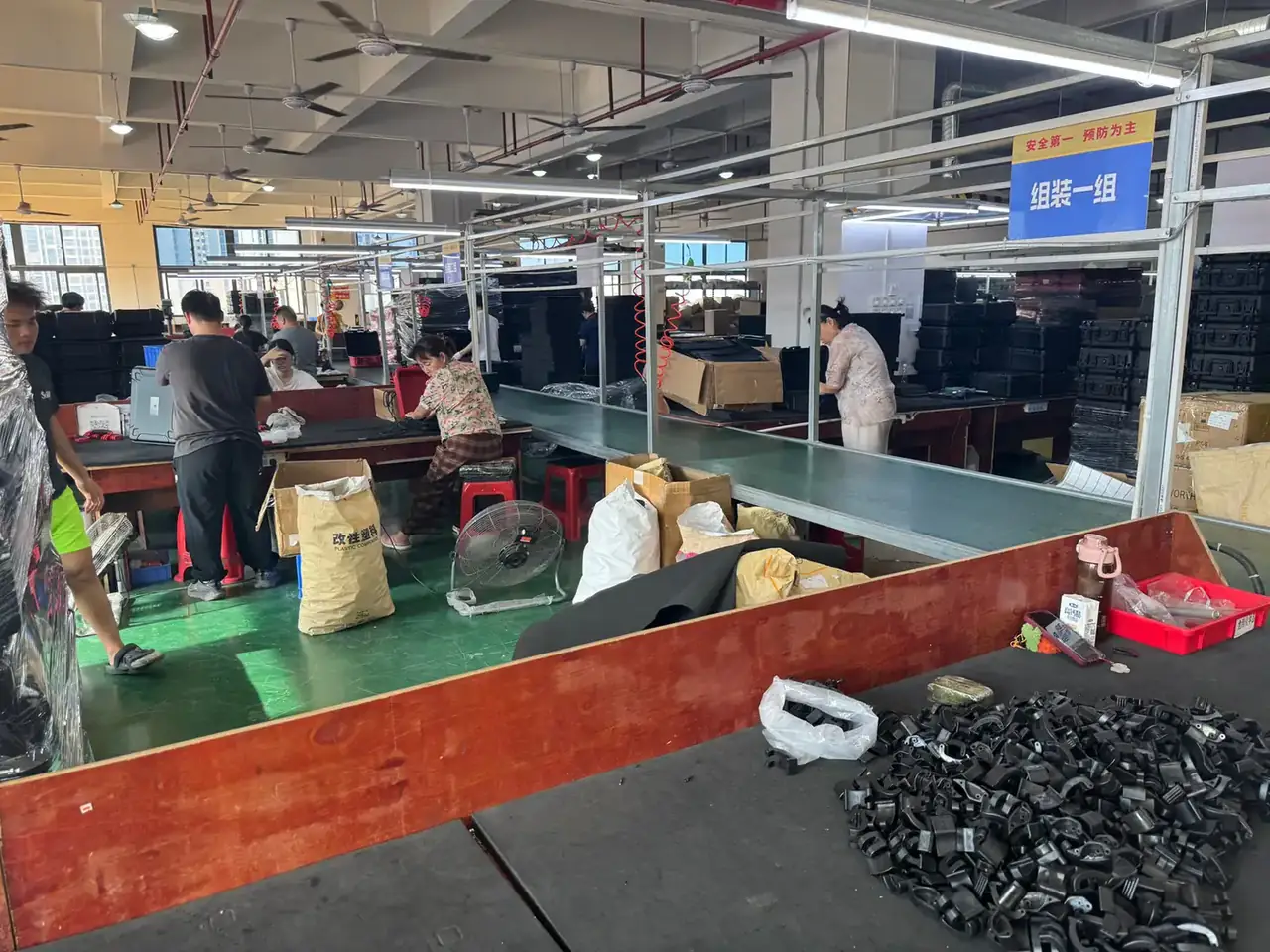
A 25 mm webbing sample is pulled at 100 mm per minute over a 150 mm gauge and must hold 600 N for 60 seconds, while buckles cycle 3000 times. Four cycles at minus 20 °C and 60 °C must leave the coating uncracked and free of tackiness.
| Test | Condition | Pass |
|---|---|---|
| Slot load | 3 kg, 24 hours | Sag 2 mm or less |
| Full-roll hang | 1.5 times load | No strap slip |
| Strap pull | 600 N, 60 seconds | No tear or slip |
| Buckle cycles | 3000 open-close | Closes one-handed |
| Thermal cycling | Minus 20 °C to 60 °C | Coating intact |
5. Batch Judgement and Rework
Judgement belongs to the batch. Within the accept numbers on both counts and the lot passes; reach a reject number and it is reworked and resampled, never sorted. Three pieces are sealed for 12 months as the reference for the next run.
Only restitching and part replacement are allowed. Fabric blemishes, slot errors and colour drift cannot be repaired because the cloth is already cut, so those pieces become second grade or scrap.
Conclusion
Acceptance of a Tool Roll rests on a table an inspector can follow: split the batch, pull the sample, view appearance under fixed light, measure flat after conditioning, test load, pull and cycles, then judge against the counts. Every check carrying a number is what makes a standard for a Tool Roll hold.
This article discusses only the container (case body) side of specifications and design intent, and does not cover any handling, loading or use of the contents.
Related Reading
- How a Tool Roll is structured and organised
- Quality control points on the assembly line
- Inspection flow for military supply cases
- Storage standards for foam inventory
Related Products
- 8 Series — Gun Cases; Military Equipment Cases; Camera Equipment Cases; Drone Cases; Watch Cases; Knife Cases; First Aid Cases; Electronics Equipment Cases
- WL8-2812 PP Gun Case — model WL8-2812
- All protective cases and toolboxes: 7 series, 158 models