

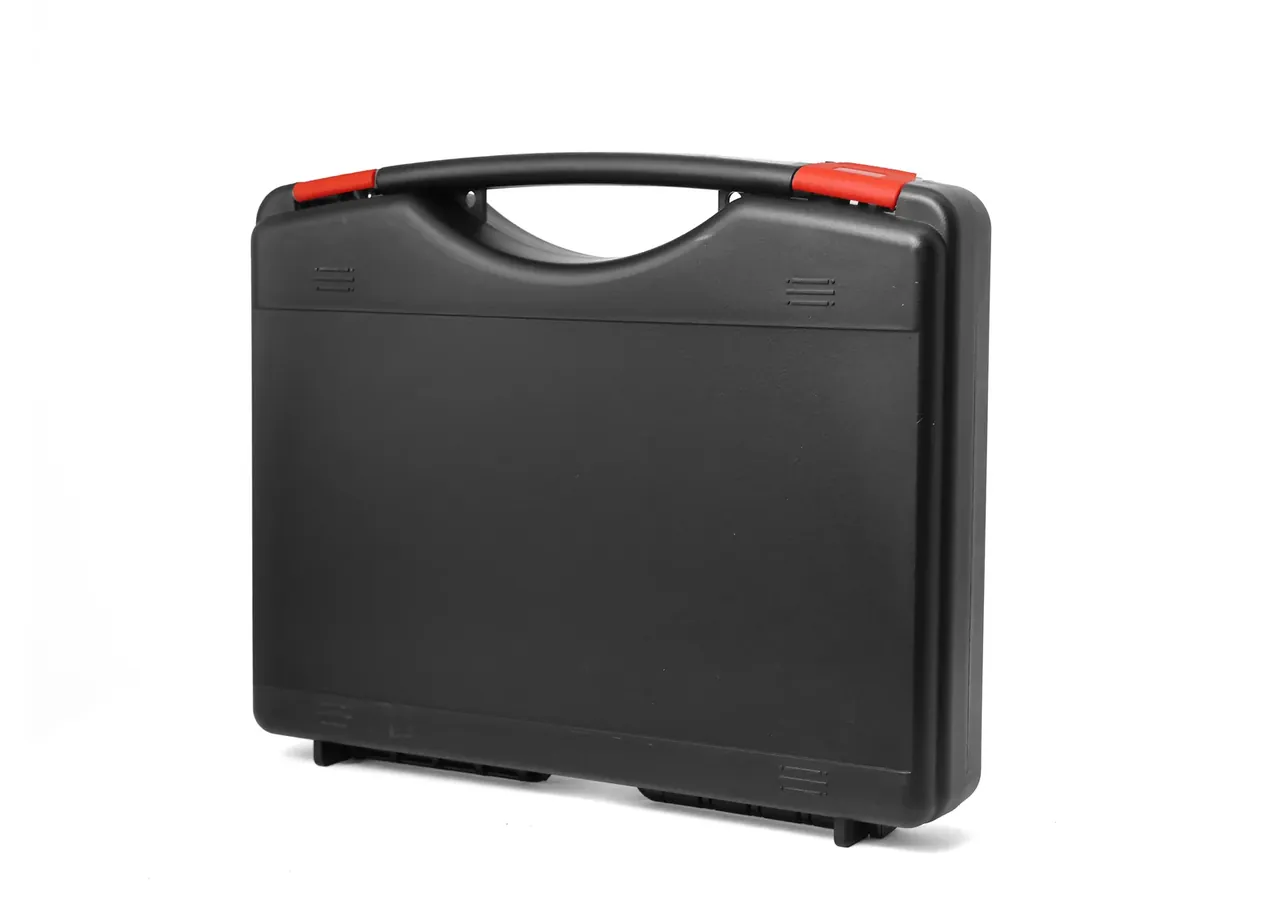
Quick answer: UKCA applies in Great Britain since 1 January 2021 and needs 5 documents, including a DoC, a technical file kept 10 years and a UK address.
Table of contents
- What UKCA and CE mean in Britain today
- The five documents a UK buyer will ask for
- Who signs which document
- Label elements and the UK responsible person
- Four places shipments get held
- FAQ
1. What UKCA and CE mean in Britain today
Since 1 January 2021 the GB market, meaning England, Scotland and Wales, has had its own conformity mark. The two marks are not old and new versions of one scheme but parallel evidence chains: CE points to EU directives and harmonised standards, UKCA to the GB regulations transcribed from them. A passive moulded case falls under general product safety rules, so the mark forces three things into a record: a declaration, a technical file and a traceable label.
CE continues in GB on a conditional basis. The government has moved the recognition deadline several times and, after 2023, stated that CE would keep being recognised for most product groups. For any one category the current official notice counts, so hold both document sets and print one mark or both as the buyer requires.
Northern Ireland runs on EU rules. CE or UKNI is accepted there and UKCA is not, so a pallet sent to Belfast and trucked into the Republic with only a UKCA label comes back.
| Market | Mark accepted | Common misreading |
|---|---|---|
| England, Scotland, Wales | UKCA or CE | CE has been withdrawn |
| Northern Ireland | CE or UKNI | UKCA covers the whole UK |
| EU 27 | CE | UKCA can replace CE |
2. The five documents a UK buyer will ask for
Five documents, no more. The length sits inside each one, and in who can answer for the content.
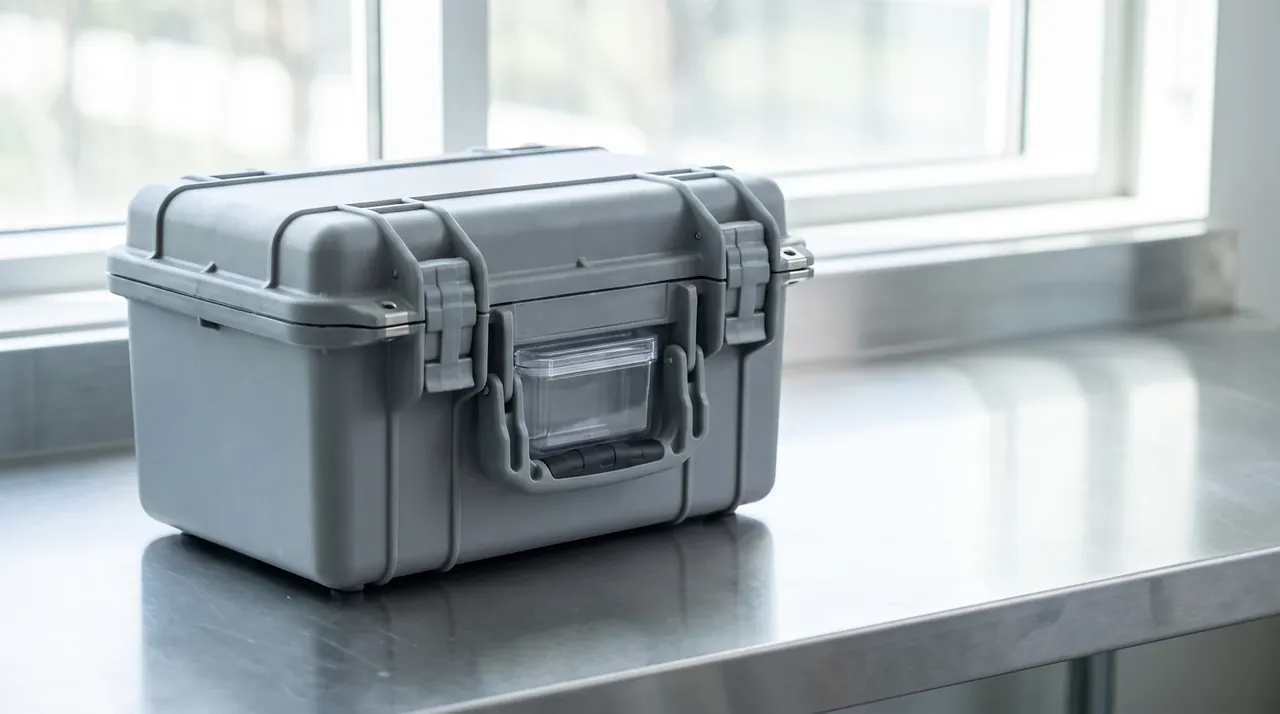
- DoC: one page listing manufacturer name and address, model, applicable regulations, designated standards with years, the signatory and the date. A sales signature does not survive an audit.
- Technical file: drawings, polymer grade and supplier, wall thickness, seal and latch specification, batch records, kept 10 years from the last case off the line.
- Risk assessment: normal use and foreseeable misuse. Usual entries are handle load, latch pinch, stack slip and aged-gasket ingress.
- Test reports: ingress protection to IEC 60529, classes 6 and 7, drop to ISO 2248, salt spray to ISO 9227 for 96 hours, each with lab stamp and sample photos.
- UK responsible person: company name, registered address and contact mail for a body established in the UK. Without it the chain is broken.
The DoC is the conclusion, the technical file the evidence, the report the data, the responsible person the address. Buyers open the DoC first and pull the file when something fails.
3. Who signs which document
Signature ownership causes more rejections than content. The same DoC is valid with a technical director's name and worthless with a sales manager's.
| Document | Signed by | Retention | Frequent error |
|---|---|---|---|
| DoC | Company officer or technical lead | 10 years | Sales signature, no date |
| Technical file | Engineering, confirmed by its head | 10 years | Drawings only, no material proof |
| Risk assessment | Design or quality lead | 10 years | Normal use only, no misuse |
| Test reports | Lab with CNAS, CMA or UKAS scope | Long term, samples 3 years | Standard revision withdrawn |
| Label and RP letter | Manufacturer prints, RP issues | With the batch | Mail address, no street address |
A lab answers for the samples it received, so the model on the report must match the shipment. Using a report for model A to cover model B is fraud, not a small gap.
4. Label elements and the UK responsible person
The label carries 7 elements: the mark, manufacturer name and address, UK responsible person name and address, model and batch, applicable regulations, year of manufacture, and a note that the DoC is available on request.
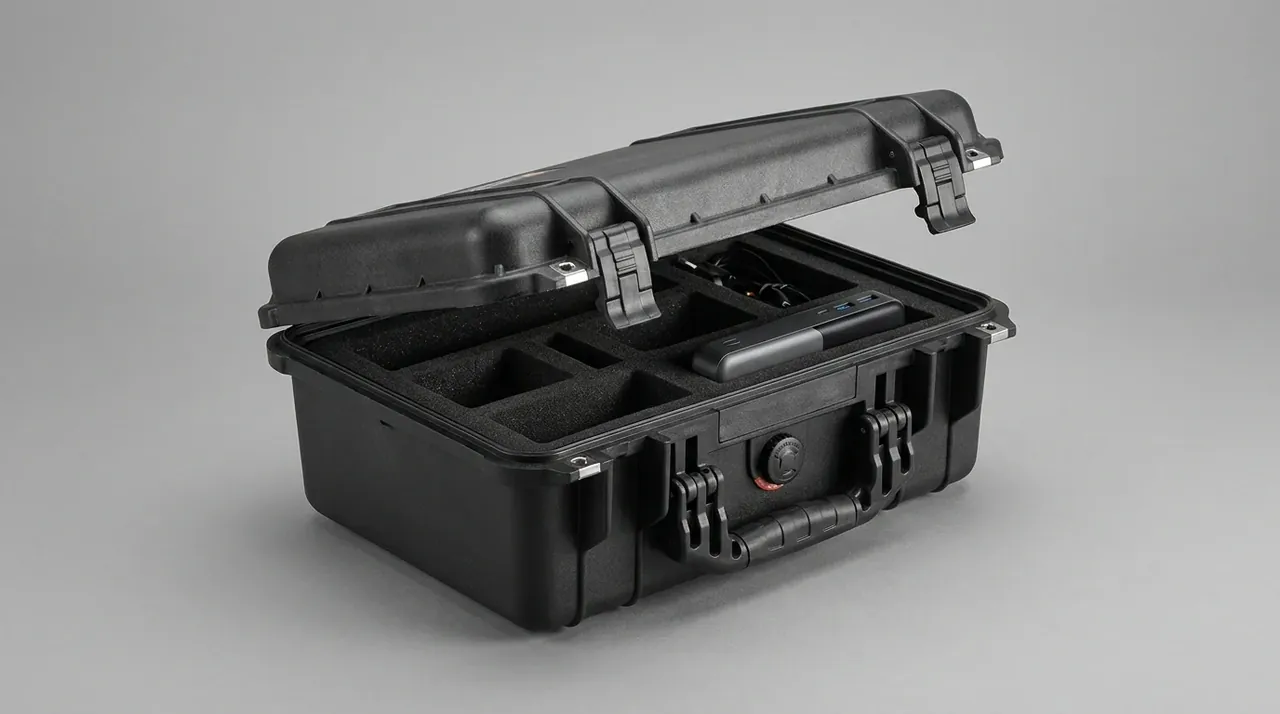
The responsible person address has to reach street level. A city name or a PO box reads as blank in a customs system, and if it changes, label and letter need updating within 30 days.
Mark proportions are a requirement, not a preference. Letter height is at least 5 mm, scaling stays proportional, and no border, stretch or weight change is allowed. Squeezing a 40 mm mark to 12 mm high still scans, but the distortion shows.
5. Four places shipments get held
Ranked by frequency: RP address, standards column, report revision, mark proportions.
| Hold point | What the inspector sees | Fix |
|---|---|---|
| No RP address | Factory address only | Reprint or over-label, log the batch |
| Standards missing | Compliance claimed in general terms | Add numbers and revision years |
| Report outdated | A withdrawn standard revision | Retest or issue a gap statement |
| Mark distorted | Stretched or boxed mark | Reprint at the correct ratio |
A missing responsible person address comes first. The label shows only the plant, customs has no one to query, and storage charges start the same day.
A DoC without standards is second. A general claim of compliance cannot be checked against anything. An older report keeps its value after a revision only if a gap statement lists which tests cover the new requirements.
Conclusion
Four checks decide whether a batch enters the UK without friction: the DoC carries a signature and a date, the technical file can be produced within 5 working days, the reports cite current revisions, and the label shows a full UK responsible person address. When all four are in place, UKCA and CE become a layout question. When one is missing, the pallet waits at the port and storage charges run daily.
This article covers specifications and design implications on the case side only. It does not address handling, loading or use of anything placed inside.
Related Reading
- CE marking for protective cases: files and process
- Certifications for importing cases into the US
- CE and RoHS for protective cases
- How to read UN certification and package marks
- How to verify an IP67 test report
Related Products
- 8 Series — Gun Cases; Military Equipment Cases; Camera Equipment Cases; Drone Cases; Watch Cases; Knife Cases; First Aid Cases; Electronics Equipment Cases
- WL8-2812 PP Gun Case — model WL8-2812
- All protective cases and toolboxes: 7 series, 158 models