

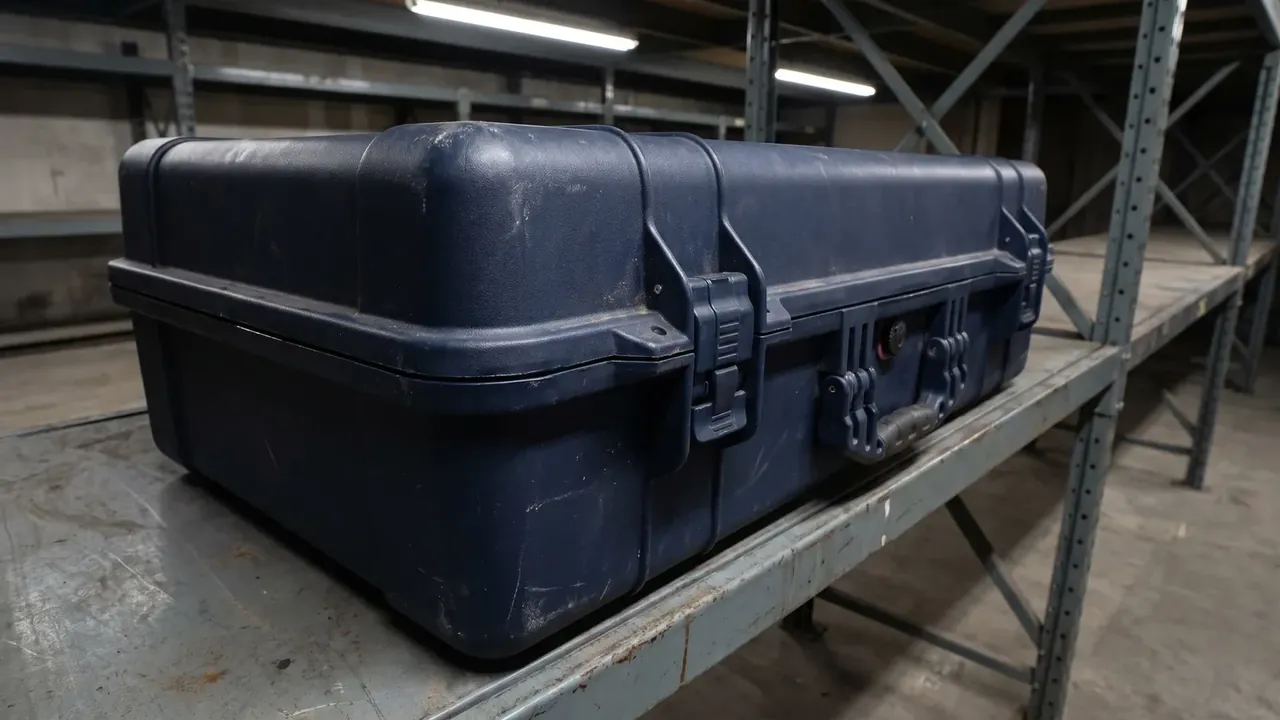
Quick answer: Case ul94 gb results do not transfer: the same 3 mm PP compound reads V-0 on UL94 fields and only FH-2 on GB/T 2408 fields, a one-grade gap.
Table of contents
- Two standards, one compound
- How a 125 mm × 13 mm × 3 mm bar burns
- Reading the seconds
- FH-1 to FH-3 against V-2 to V-0
- Fields for the report and the drawing
- FAQ
1. Two standards, one compound
One batch of 3 mm polypropylene compound went to two labs, five bars each. Lab A reported V-0 under UL94: longest single afterflame 8.4 s, ten applications totalling 37.6 s. Lab B reported FH-2 under GB/T 2408: longest single afterflame 12.6 s, total 48.2 s. Same lot, one grade apart.
Three fields explain it: codes run in opposite directions, afterglow is booked differently, and the drip criterion sits on another grade.
| Item | UL94 | GB/T 2408 | Changes the verdict |
|---|---|---|---|
| Grade codes | V-0, V-1, V-2, zero strictest | FH-3, FH-2, FH-1, three strictest | Yes, reversed |
| Specimen | 125 mm × 13 mm × 3 mm | 125 mm × 13 mm × 3 mm | No |
| Flame | 20 mm blue, 10 s, twice | 20 mm blue, 10 s, twice | No |
| Five bars, ten applications | ≤50 s | ≤50 s | No |
| Afterglow | Merged into the 30 s field | Its own seconds | Yes |
| Dripping ignites cotton | Allowed only at V-2 | Allowed only at FH-1 | Yes |
Geometry and flame are one test across both standards. The 12.6 s was no sloppy work either, since GB/T 2408 bars condition 48 h at 23 ℃ against a common 24 h, and a day of drying lifts afterflame by about 4 s.
2. How a 125 mm × 13 mm × 3 mm bar burns
Both standards share one geometry: 125 mm long, 13 mm wide, 3 mm thick. That 3 mm matches most case walls, so the report line must agree with the drawing, and 0.2 mm of wall moves afterflame by 2 s.
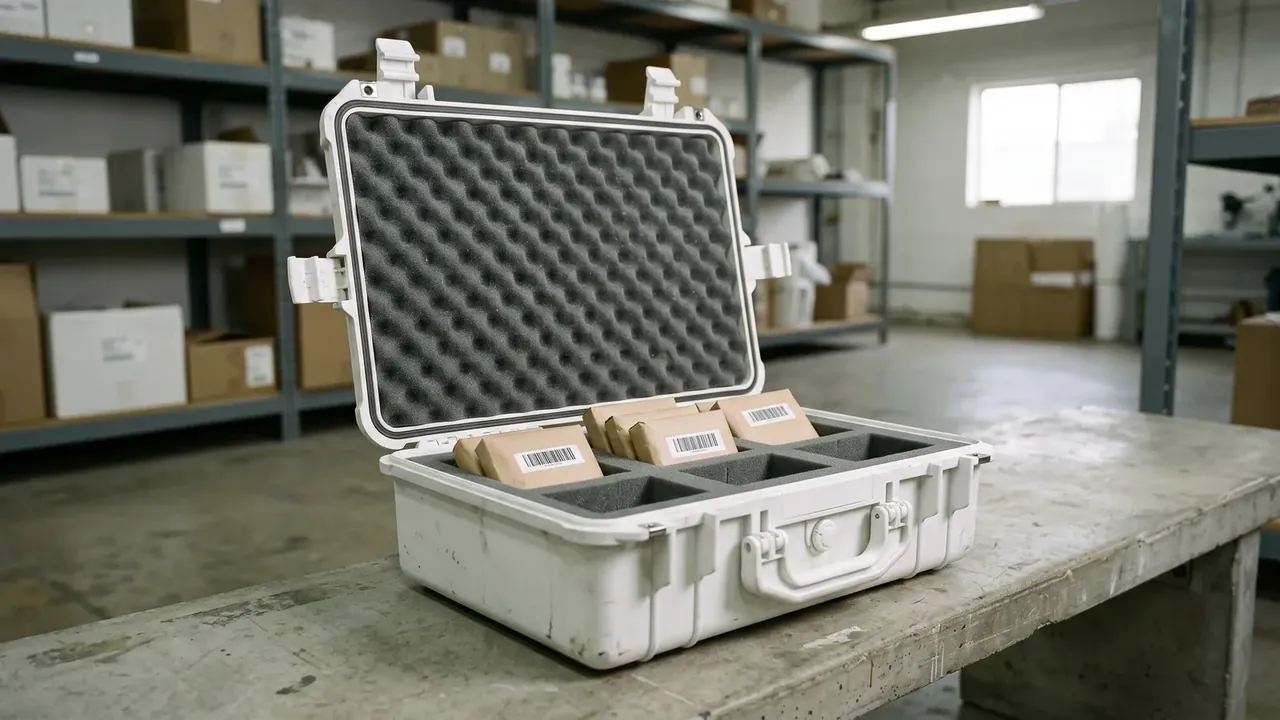
Bars are cut from the side wall, one along the melt flow and one across it, and the cross-flow bar usually burns 1.5 s to 2.5 s longer.
The routine is fixed: burner at 45°, blue flame 20 mm, core on the lower 10 mm, applied 10 s, then t1 timed; the moment it stops, a second 10 s application gives t2 and the glow t3.
Cotton wool sits 300 mm below the bar, and a drip that sets it alight fails; both standards place that criterion identically. A copper block check comes first, flame set to 20 mm ± 1 mm, because a flame 3 mm long cuts afterflame by more than 1 s.
3. Reading the seconds
The top grade holds two lines at once: no single afterflame above 10 s, no more than 50 s across ten applications.
An 8.4 s result leaves 1.6 s of headroom, and one bar dragging to 11 s voids the grade. Both standards allow a retest, but the new data belongs beside the first round.
| Grade | Single afterflame | Ten applications | Afterflame plus glow | Cotton ignition | Codes |
|---|---|---|---|---|---|
| Top | ≤10 s | ≤50 s | ≤30 s | Not allowed | V-0 and FH-3 |
| Middle | ≤30 s | ≤250 s | ≤60 s | Not allowed | V-1 and FH-2 |
| Low | ≤30 s | ≤250 s | ≤60 s | Allowed | V-2 and FH-1 |
Middle and low differ in one column: whether a drip may ignite the cotton, that is, whether molten polymer falling off a burning case lights what it lands on.
Afterglow is the column people skip: the bar keeps glowing dull red after the flame dies and that time counts inside 30 s, with carbon black in a dark shell stretching glow 6 s to 9 s past a light colour.
4. FH-1 to FH-3 against V-2 to V-0
The mapping is one sentence: FH-3 equals V-0, FH-2 equals V-1, FH-1 equals V-2. Criteria match line by line; only the numbering reverses, one scale tightening as the digit falls, the other as it rises.
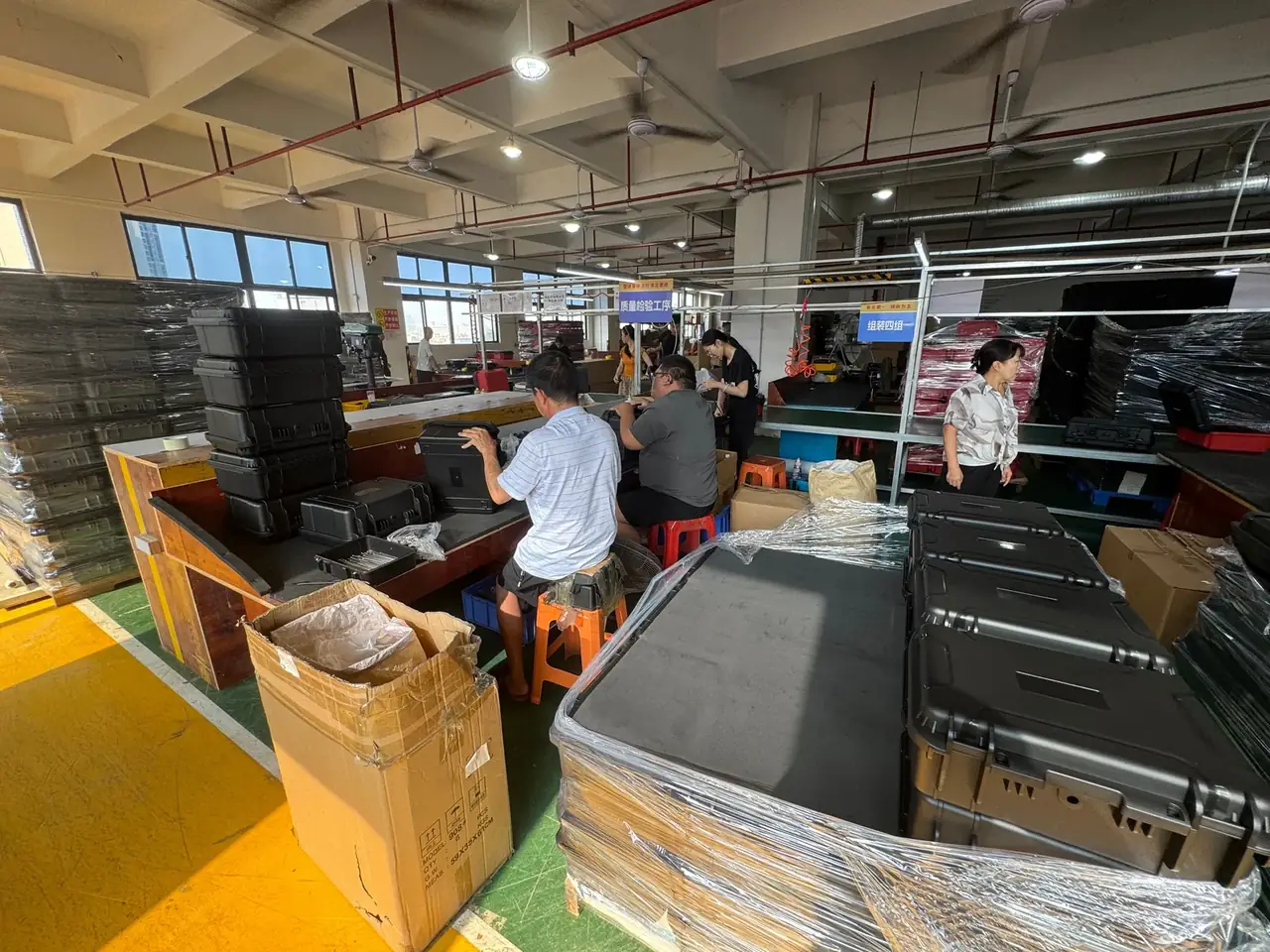
That reversal is the expensive misunderstanding. A tender asks for nothing below FH-2, a supplier answers with a V-0 report, and both sides believe it passes; FH-2 stops at V-1, so V-0 clears the bar by a grade.
Above the codes sits the method: GB/T 2408 and IEC 60695-11-10 share burner, bar and flame routine, while IEC prints the grades as V-0, V-1, V-2.
Write both codes into the technical agreement, for instance vertical burn not below FH-3 of GB/T 2408, equivalent to UL94 V-0. Reports also separate material from finished case, because latches, gaskets and liners burn on their own terms.
5. Fields for the report and the drawing
An acceptable report yields six fields: specimen thickness, worst single afterflame, ten-application total, afterglow seconds, cotton ignition and grade.
| Field | UL94 wording | GB/T 2408 wording | What the case project takes |
|---|---|---|---|
| Specimen | 3.0 mm, worst thickness attached | 3.0 mm | Thinnest wall of the case |
| Single afterflame | Max of five bars | Max of five bars | Maximum, never the mean |
| Total afterflame | Sum of ten | Sum of ten | ≤50 s |
| Afterglow | Inside the 30 s field | Separate seconds | Separate value ≤30 s |
| Drip | Yes or no, ignition noted | Yes or no | Write not ignited |
| Grade | V-0 | FH-3 | Both codes side by side |
Watch the worst thickness line: a nominal 3 mm shell measures 2.82 mm in places and burns faster there, so shipping 2.8 mm goods against a 3.2 mm V-0 report usually retests into V-1. Mean afterflame is the easiest number to dress up, since four bars at 6 s and one at 22 s average 9.2 s yet the maximum drops a grade.
Conclusion
Run case ul94 gb acceptance field by field, not verdict by verdict. Start with the codes: FH-3 against V-0, FH-2 against V-1, FH-1 against V-2, reversed in direction, so both belong in the technical agreement. Then the seconds: worst single afterflame from five bars, 50 s across ten applications, 30 s once afterglow stands alone, and the drip marked as not igniting the cotton. Then the thickness, where 3.0 mm has to match the thinnest wall on the drawing, since 0.2 mm can cost a grade. Codes convert, seconds do not, and a verdict without fields counts as a fail.
This article discusses container-side specifications and design implications only, and does not cover any handling, loading or use of the contents.
Related Reading
- UL94 V-0 and HB in practice
- How UL94 ratings are tiered
- Material routes for flame-retardant cases
- GB/T 4857 transport package testing
Related Products
- 8 Series — Gun Cases; Military Equipment Cases; Camera Equipment Cases; Drone Cases; Watch Cases; Knife Cases; First Aid Cases; Electronics Equipment Cases
- WL8-2812 PP Gun Case — model WL8-2812
- All protective cases and toolboxes: 7 series, 158 models