

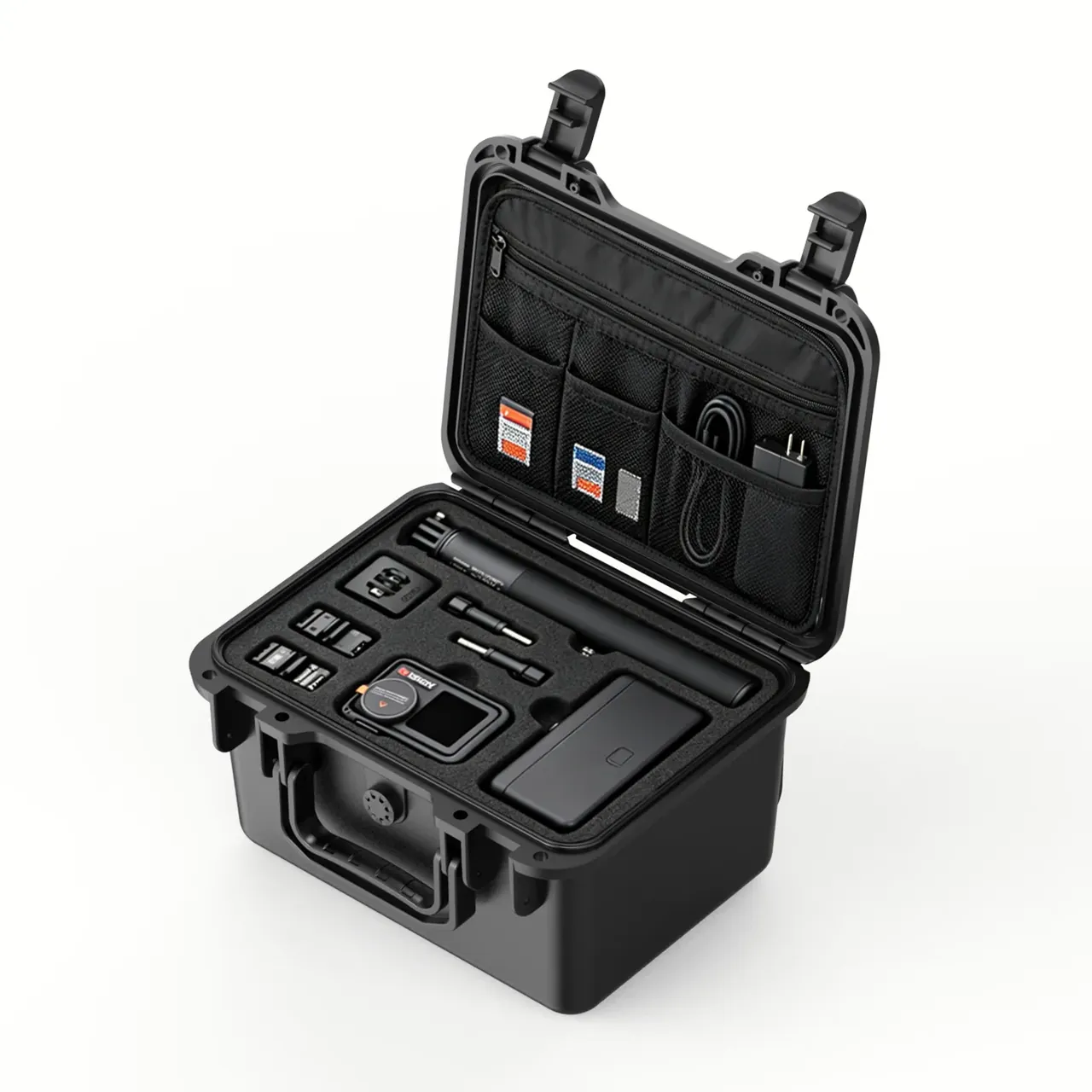
Quick answer: Case uv test conversion runs near 0.55: 1,000 hours of xenon equates to 550 to 600 hours of QUV UVA-340 once colour difference is the criterion.
Table of contents
- Where the Two Light Sources Differ
- Reading 0.55 and 0.76 W/m² Correctly
- Black Panel Temperature and Spray Cycles
- Converting 1,000 Xenon Hours to QUV
- Colour Difference and Chalking Limits
- Specimen Prep and Common Misreads
- FAQ
1. Where the Two Light Sources Differ
A xenon arc behind daylight filters covers 300 to 800 nm, bringing visible and infrared energy with it and cutting off at 295 nm. A QUV UVA-340 tube covers 295 to 360 nm with a peak at 340 nm and no visible light. The two agree to better than 90% between 300 and 340 nm; what differs is thermal load and the photo-oxidation route the visible band opens.
UVB-313 sits elsewhere. Its output at 280 to 315 nm includes energy that barely exists in sunlight, so cracking and chalking from that lamp cannot be mapped onto three years outdoors. Filters matter: daylight cuts at 295 nm, window glass at 310 nm, extended UV at 280 nm, and swapping one moves ΔE by 0.6 in 1,000 hours.
ABS ages in the 300 to 340 nm band, where the butadiene phase breaks first and the surface loses gloss before it chalks. Xenon runs both paths at once; QUV runs the UV path alone, so colour moves first and gloss follows.
2. Reading 0.55 and 0.76 W/m² Correctly
Xenon usually runs 0.55 W/m² at 340 nm, or 60 W/m² across 300 to 400 nm; QUV UVA-340 runs 0.76 W/m² at 340 nm. The higher figure is not a harsher test: hardware differs, so readings compare only inside one system.
Dose is what travels. Xenon at 0.55 W/m² for 1,000 hours delivers 550 Wh/m², or 1,980 kJ/m²; QUV needs 724 hours for the same 340 nm energy.
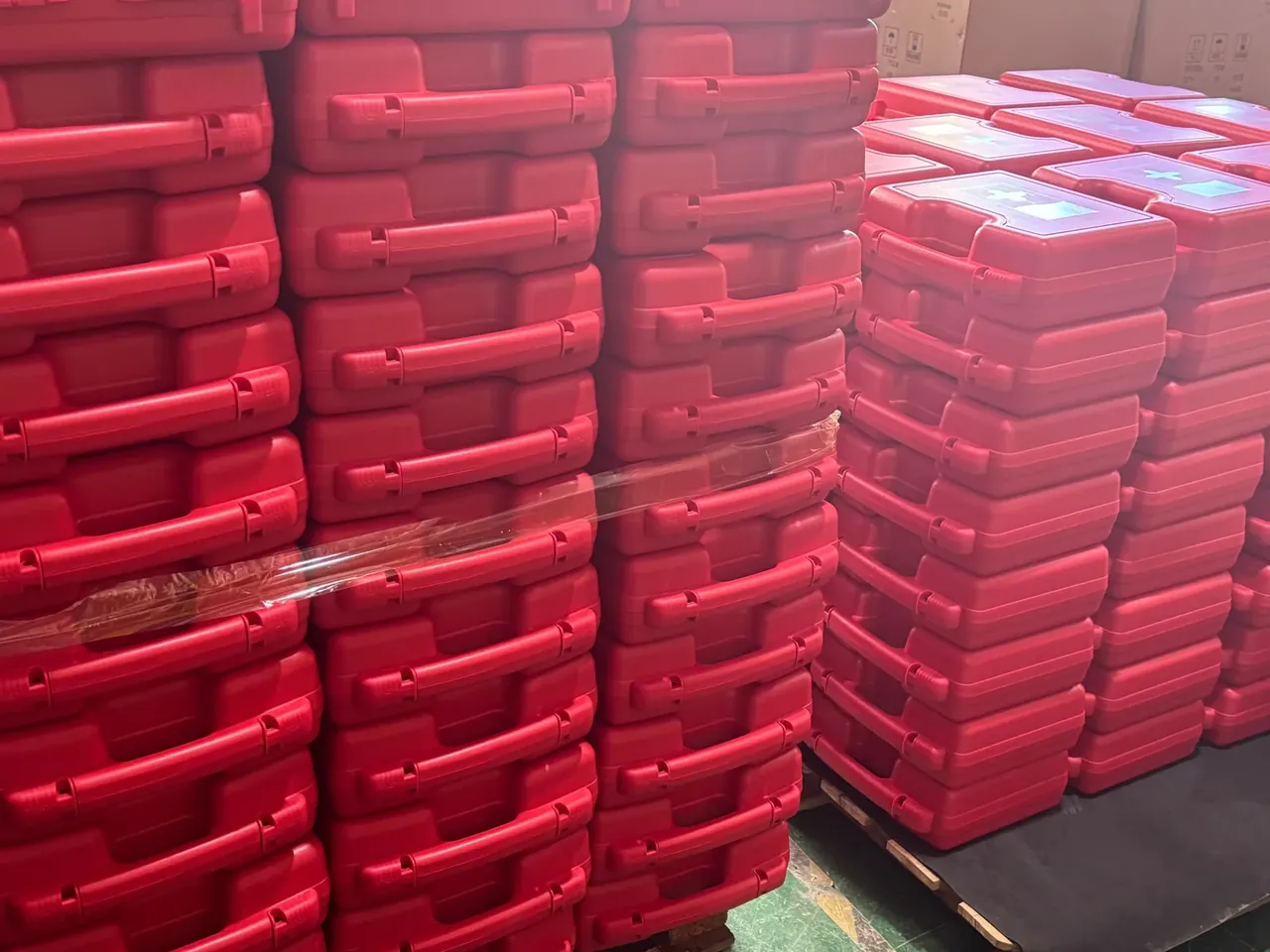
Uniformity runs at ±0.02 W/m², and corners versus centre differ 8%, so a 500 mm plaque is turned 90 degrees and rerun. Tubes fade as well: a UVA-340 tube is down 12% at 1,600 hours, so irradiance feedback replaces time control.
Irradiance and temperature are coupled: 0.55 to 0.65 W/m² lifts panel temperature 4 °C, so chamber air goes from 2 to 3 m/s.
3. Black Panel Temperature and Spray Cycles
Xenon holds 65 °C black panel with 45 °C chamber air; QUV holds 60 °C in the UV step and 50 °C in condensation, and panel versus standard readings differ 5 to 8 °C.
| Item | Xenon, daylight filter | QUV UVA-340 | QUV UVB-313 |
|---|---|---|---|
| Spectrum | 300 to 800 nm | 295 to 360 nm | 280 to 315 nm |
| Control point | 340 or 420 nm | 340 nm | 310 nm |
| Irradiance | 0.55 W/m² | 0.76 W/m² | 0.71 W/m² |
| Black panel | 65 °C | 60 °C | 60 °C |
| Wet step | 18 min spray per 120 | 4 h condensation per 12 | 4 h condensation per 12 |
Wet time is where the systems part. Xenon cycles 102 minutes dry with 18 of spray, about 150 wet hours in 1,000, or 15%; QUV cycles 8 hours UV with 4 of condensation, which is 33%. That is why the factor cannot be 1: wet steps speed hydrolysis, and matched ΔE lands near 550 hours.
Spray enters at 20 °C against a 65 °C panel, a 45 °C shock every 120 minutes that leaves micro-cracks 10 to 20 μm deep; crack density reaches 60% of QUV. Dry-to-wet ratio shifts chalking too: 1,500 hours to grade 1 at 102 to 18, only 900 at 60 to 60.
4. Converting 1,000 Xenon Hours to QUV
Three readings give three answers, and the smallest is safe. Pure dose gives 724 hours, ΔE 2.0 gives 550 to 600, gloss retention of 80% gives 600. Practice takes 0.55.
| Basis | Xenon 1,000 h | QUV UVA-340 | Note |
|---|---|---|---|
| 340 nm dose | 1,980 kJ/m² | 724 h | irradiance only, no wet step |
| ΔE to 2.0 | 1,000 h | 550 to 600 h | includes wet, closest to appearance |
| Gloss retention 80% | 1,200 h | 600 h | surface layer |
| Chalking to grade 1 | 1,500 h | 700 h | pigment dependent |
Schedule with margin: 1,000 xenon hours becomes 600 QUV hours, not 550, because rack uniformity is 8% and the floor fails on retest. UVB-313 stays out of the conversion, its damage per hour running 1.5 to 2 times UVA-340.
5. Colour Difference and Chalking Limits
ΔE reads in three bands: under 2.0 the eye cannot tell, 2.0 to 3.0 shows in raking light, above 5.0 fails. A black case starts near L 28, and ΔE 2.0 lifts L by 1.2, just visible outdoors.
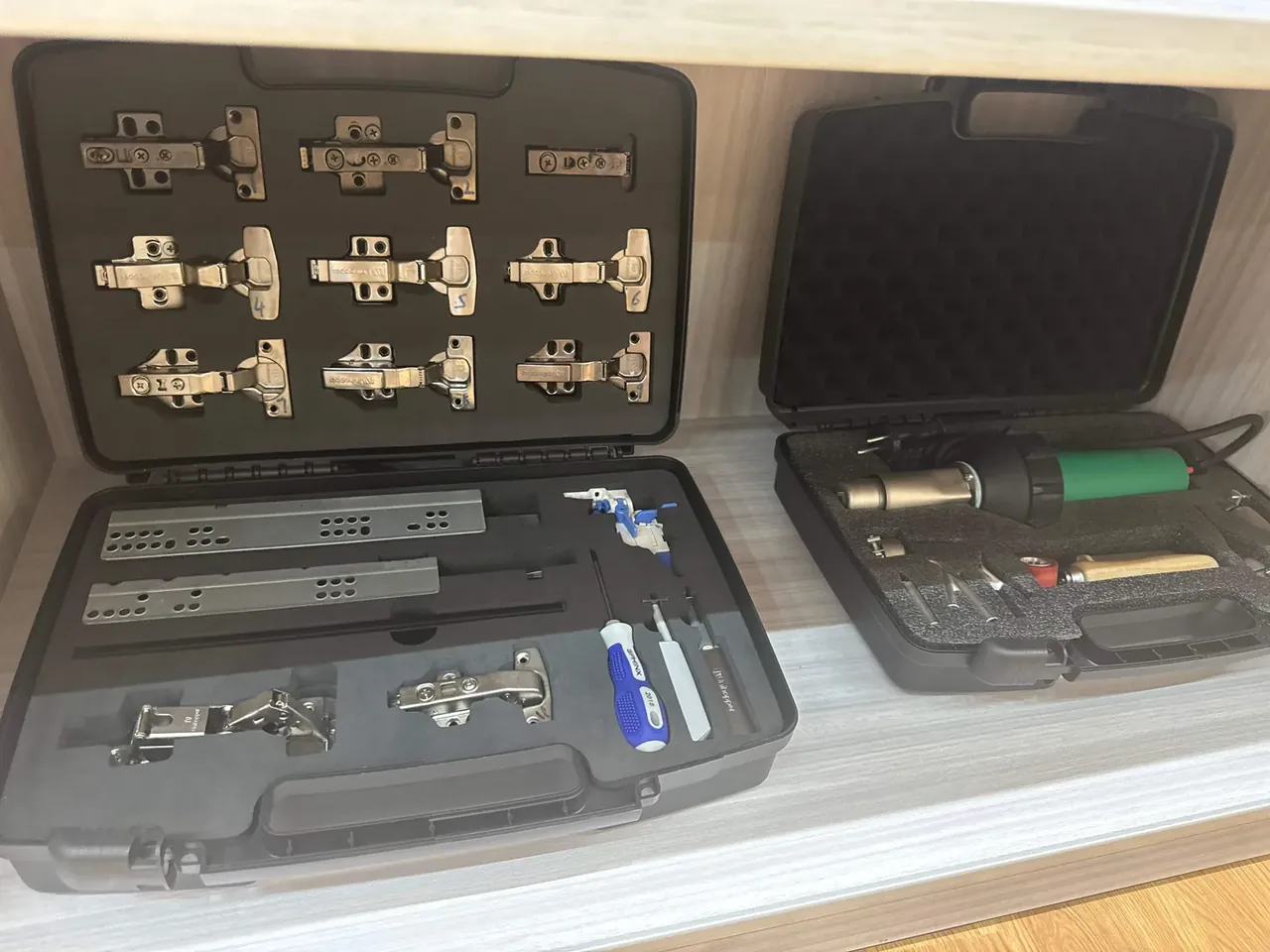
Chalking grades 0 to 5 under ISO 4628-6, and grade 1 or better passes. The tape method decides it: press clear tape, lift, stick it on white paper against a scale, and call grade 2 when transfer passes 10% of the area. Chalking trails colour by 200 hours. Gloss runs 85 GU down to 60 GU after 1,000 xenon hours, and below 80% the surface is micro-rough for good.
Read all three. Colour alone passes a grade 2 chalking part; chalking alone passes a 40% gloss loss. Write the table as two of three: ΔE above 3.0, chalking grade 2, gloss retention under 80%.
6. Specimen Prep and Common Misreads
Cut plaques at 70 mm by 150 mm, three from one cavity, mark the flow direction, since skin orientation moves ageing rate 20% within a batch. Back them with white card so reflection does not shift surface temperature, and match wall thickness: a 2.5 mm plaque and a 3 mm moulding differ by ΔE 0.4 after 1,000 hours.
Four misreads recur: testing a whole moulded case puts the convex face closer to the lamp; testing only the upward face ignores side spray; mixing black and light parts on one rack ruins the comparison; quoting UVB-313 hours as outdoor years.
Sampling rhythm matters. Reading ΔE every 250 hours shows the knee, while reading only at the end hides that 70% of the change landed in the first 500 hours. Rotate the rack too: a xenon drum at 1 rpm gives the near-lamp position 10 to 15% more dose, so swap the plaques and terminal spread falls from 0.5 to 0.2.
Conclusion
Take 0.55 as the factor for a case uv test, not 1 and not the 0.72 that pure dose suggests. Fix the pass line at two of three: ΔE above 3.0, chalking at grade 2, gloss retention under 80%. Schedule 1,000 xenon hours as 600 QUV hours, so both labs land on one acceptance table.
This article discusses container-side specifications and design implications only, and does not cover any handling, loading or use of the contents.
Related Reading
- UV stabiliser systems and loading levels
- Visual colour management and colour chips
- ABS versus PP for outdoor case bodies
Related Products
- 8 Series — Gun Cases; Military Equipment Cases; Camera Equipment Cases; Drone Cases; Watch Cases; Knife Cases; First Aid Cases; Electronics Equipment Cases
- WL8-2812 PP Gun Case — model WL8-2812
- All protective cases and toolboxes: 7 series, 158 models