

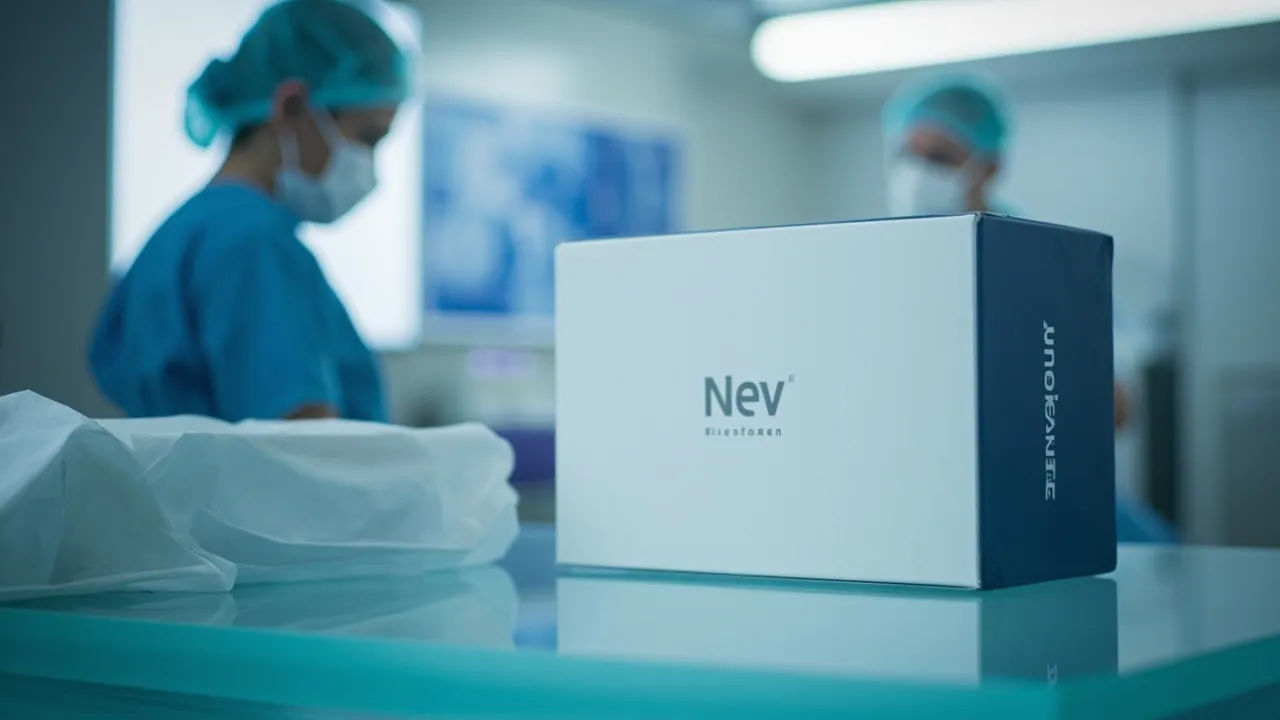
Auto-repair and roadside-rescue sites are oily, parts-messy and disordered, and new-energy vehicles add high-voltage and battery-safety risks. The conclusion is clear: equipping the maintenance front line with dedicated auto repair toolboxes, NEV diagnostic cases and vehicle emergency toolboxes puts tool rust resistance, diagnostic-device anti-vibration, high-voltage safety and fast access in place the underlying equipment support for repair efficiency and personnel safety.
Many stores and on-board kits still use ordinary iron boxes or cloth bags, resulting in rusted wrenches, bumped-and-inaccurate diagnostic tablets, and half-found emergency tools. Dedicated cases use divided rust-proof liners, anti-vibration locating, high-voltage isolation and unified latches to keep "naked-pack loss" outside the equipment. This article covers the case family for vehicle maintenance with a practical configuration plan.
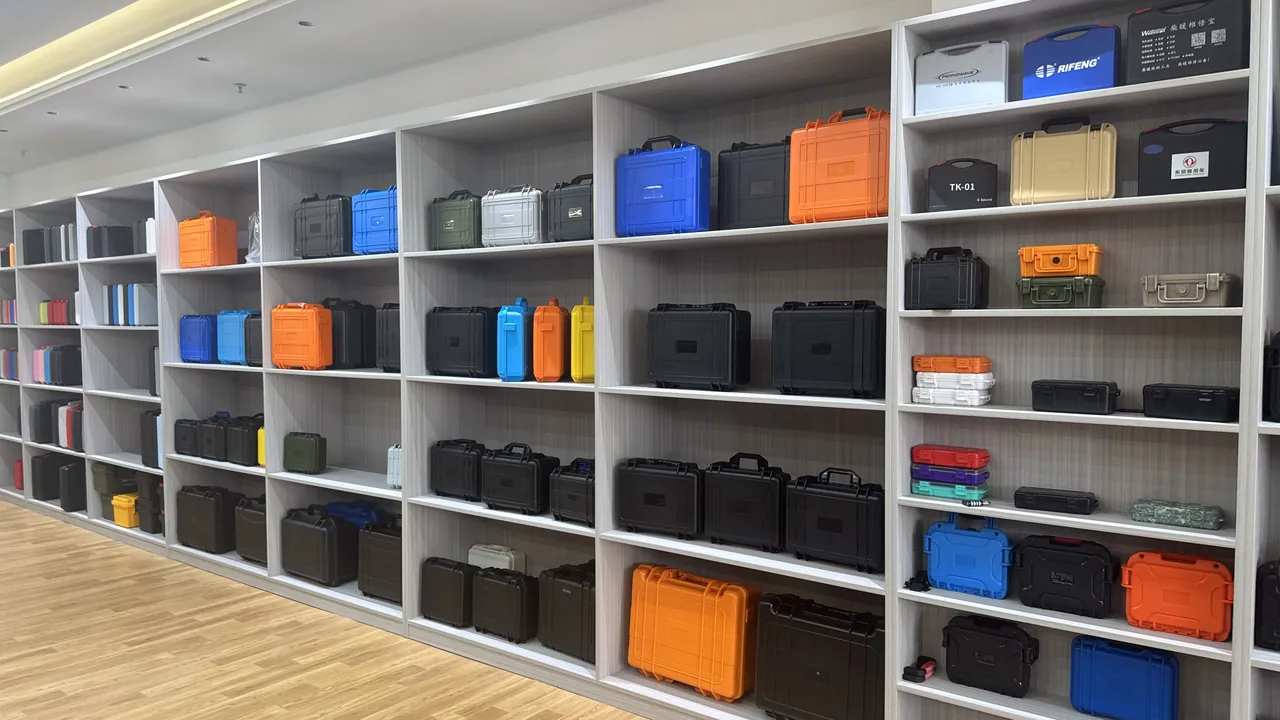
Table of Contents
- Why vehicle maintenance needs dedicated toolboxes
- Zoning and rust-proofing of the auto repair toolbox
- Protection points of the NEV diagnostic case
- Fast access of the vehicle emergency toolbox
- Diagnostic device and OBD interface protection
- Battery and high-voltage safe transport
- Ratings and standard references
- Material and anti-vibration structure
- Selection parameters reference
- 4S store and roadside-rescue deployment
- Maintenance and batch standardization
- Transport, storage and OEM/ODM
- Daily inspection and lifecycle management of the boxes
- Procurement agreement and standardization clauses
Why vehicle maintenance needs dedicated toolboxes
The auto-repair scene has three difficulties: oil hard to clean, parts hard to find, diagnosis hard to stabilize. Ordinary iron boxes easily rust in humid workshops and cleaning agents; cloth bags give no protection. The dedicated auto repair toolbox uses PP/ABS rust-proof shells, divided inserts and drain holes to manage both tool life and access efficiency.
For NEV models, maintenance also involves high voltage and insulation; ordinary toolboxes cannot isolate the risk. In the system of the hardware toolbox, the auto-repair box is a professional branch emphasizing oil tolerance and on-board portability.
Rule of thumb: with zoned rust-proof toolboxes, common-wrench access time drops about half and rust-repair reports fall markedly.
Zoning and rust-proofing of the auto repair toolbox
The auto repair toolbox targets mechanical repair, service and tire work, carrying sockets, wrenches, pliers, screwdrivers, gauges and consumables. Zoning points: layer by frequency, high-frequency items (sockets, ratchets) on top for fast access, low-frequency (pullers, torque wrenches) at bottom; metal-cell liners get rust treatment or moisture pads. The box should have drain holes and an oil-repellent surface for rinsing.
For easily chipped torque wrenches and dial gauges, liners need independent slots to avoid mutual impact. Reference the shock-proof thinking of the measuring-tool case to give high-precision gauges independent soft cavities.
Protection points of the NEV diagnostic case
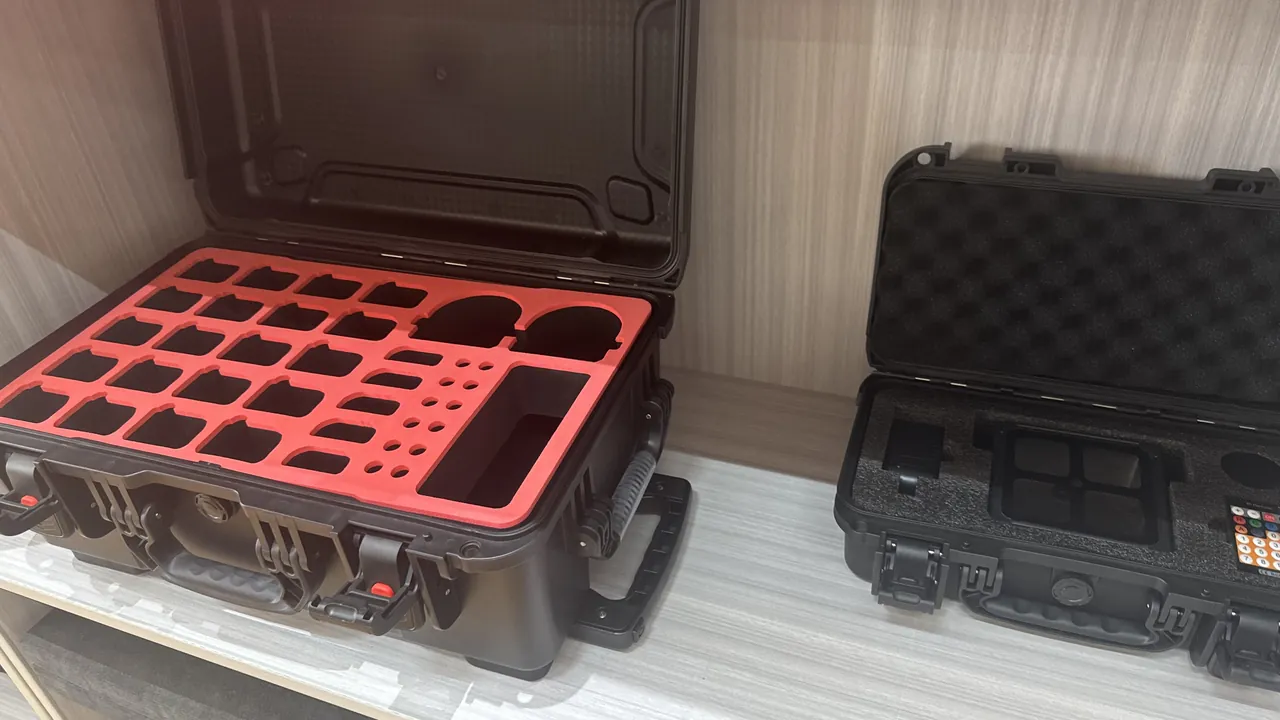
The NEV diagnostic case loads diagnostic tablets, insulation testers, OBD adapters and high-voltage modules valuable and vibration- and moisture-sensitive. Design points: anti-vibration liner suspends the host, screen in an independent soft cavity; adapters and cables in independent labeled cells; a humidity card inside monitors condensation. The insulation tester is safety-critical and must be in an independent, labeled cell, never mixed with metal sharps.
High-voltage scenarios also require the box to have some insulation and flame-retardant properties; the shell is recommended above UL 94 V-2. For power-battery diagnostic modules, reference the anti-static liner of the electronics box to prevent board damage.
Fast access of the vehicle emergency toolbox
The vehicle emergency toolbox targets self-rescue and roadside rescue, demanding "grab on open, go on close." It carries tow rope, jump cables, warning sign, tire repair, flashlight and first-aid kit. The layout should sequence "by accident scenario": warninglightingpowertowrepair, step by step. The box should be light, with latches against auto-opening from bumps, and fixed in the car without sliding.
For fleet and rescue vehicles, reference the vehicular anti-vibration thinking of the emergency command comms case to make the emergency box vehicular-fixed, reducing bump loss.
Diagnostic device and OBD interface protection
The diagnostic tablet and OBD cable are vulnerable: repeated plugging loosens connectors, cable roots break. The box should give cables a clip limiting bend radius, connectors a dust cap; the tablet screen carries an anti-scratch film in an independent soft cavity. For wireless terminals, reserve a battery chamber and charge position, not mixed with metal tools.
Battery and high-voltage safe transport
NEV maintenance involves power batteries and high-voltage modules; safe transport is a red line. Batteries need an independent fire-proof insulated chamber, warning labels and lock, never mixed with keys or cables against short circuit; high-voltage modules in independent labeled cells. For battery diagnostic or transfer, reserve straps and buffers against displacement short circuits. Long storage needs periodic inspection against leakage.
Ratings and standard references
| Item | Recommended | Standard | Scenario |
|---|---|---|---|
| --- | --- | --- | --- |
| Dust/water | IP54 | IEC 60529 / GB/T 4208 | Workshop / underbody |
| Impact | IK07 | IEC 62262 | Handling drop |
| Env. reliability | MIL-STD-810H | Vibration / humidity | |
| Transport | ISTA 3E | Long-haul logistics | |
| Flammable shell | V-2 | UL 94 | Fire compliance |
Material and anti-vibration structure
Shells are mainly PP and ABS; oily workshops prefer chemical-resistant PP+ABS; on-board boxes use light PP. Anti-vibration relies on "suspended liner + corner buffer," diagnostic host supported at four corners. Latches unified; on-board boxes get anti-theft holes and strap anchors; oil-repellent surface eases rinsing. Salt-fog areas get anti-corrosion treatment.
Selection parameters reference
| Case type | Clearance (mm) | Material | Adapted equipment |
|---|---|---|---|
| --- | --- | --- | --- |
| Auto repair toolbox | 500×350×200 | PP+ABS | Sockets / wrenches / gauges |
| NEV diagnostic case | 420×300×180 | PC alloy | Tablet / insulation tester |
| Vehicle emergency box | 380×260×160 | PP | Tow / jump / warning |
4S store and roadside-rescue deployment
4S stores should box by station: mechanical, body, NEV each with its dedicated box, color-coded (mechanical blue, NEV orange). Roadside-rescue vehicles carry fixed emergency and diagnostic boxes, taking the corresponding insert by rescue type. JUNZHJIA can customize liners and silk-screen numbers, with OEM/ODM enabling store- and fleet-level standardization so each box is "known by color, matched by number."
Maintenance and batch standardization
- Before dispatch, check the list; confirm tools, tablet and insulation tester complete.
- Wash workshop oil with neutral cleaner; oil-repellent surface cleans easier.
- Periodically oil metal cells; humid environments use moisture pads.
- Insulation and high-voltage modules in locked independent cells, never with sharps.
- Maintain latches and hinges with silicone grease; unify color and number.
Transport, storage and OEM/ODM
For new-store opening or fleet replacement, cases transport in batches with equipment, packed per ISTA 3 validated stacking, single-layer load within 70% of nominal. Storage ventilated and dry; rinse and dry after salt-fog exposure. JUNZHJIA provides wholesale, agency and OEM/ODM globally with consistent per-batch quality and documents for store and fleet standardization.
Daily inspection and lifecycle management of the boxes
Vehicle-maintenance boxes work in workshop oil, underbody humidity and on-board bumps, so inspection decides tool life and safety. A three-tier mechanism is recommended: before dispatch check drain holes clear, latches smooth, insulation and high-voltage modules independently locked; after return check liner rust-proofing and metal-cell rust; quarterly check does seal sampling and salt-fog rinsing. When the liner collapses, latch loosens or gasket hardens, replace promptly. In the coordination of the hardware toolbox and measuring-tool case, box life should enter the same ledger, recorded by asset number.
Rule of thumb: stores running the three-tier inspection can extend average toolbox service life by about 30% and significantly reduce repair delays from rust and loss.
For management, align the replacement cycles of the auto repair toolbox, NEV diagnostic case and vehicle emergency toolbox with the equipment refresh plan, achieving "inspect and replace together" to avoid missing boxes during rescue or peak season. The electronics box series and esd component box illustrate how the same discipline keeps diagnostic electronics safe. A subtle failure is judging the box by its shell: the rust-proof pad, drain hole and high-voltage module lock are where problems start, so the quarterly check must open the box and verify them rather than trust appearance. The precision instrument case adds that gauging tools need independent cavities in the same inspection.
Procurement agreement and standardization clauses
In volume procurement of maintenance boxes, the technical agreement should lock: first, standards clause clearly state IP, IK, MIL-STD-810H, UL 94 and versions; second, structure clause box type, material, wall thickness, latch, liner density and silk-screen number consistent; third, document clause provide IP, drop, salt-fog and flame proofs per batch; fourth, sampling clause 3%–5% sampling and non-conformance handling; fifth, traceability clause each box gets a unique asset code transferable across stores.
For 4S stores and fleet re-equipment, JUNZHJIA can provide OEM/ODM standardized supply across the full chain from tooling, injection, liner to packaging, with per-batch test documents, easing the inclusion of different-trade boxes into global support. The agreement should reserve a replenishment clause for spares (gaskets, latches, liners, rust pads) to avoid single-point failure sinking the whole box. The bicycle repair toolkit and industrial equipment case, when procured alongside, benefit from matching traceability clauses.
| Agreement clause | Locked content | Acceptance basis |
|---|---|---|
| --- | --- | --- |
| Standards | IP / IK / MIL / UL and version | Third-party report |
| Structure | Box type / material / latch / liner | Sample comparison |
| Documents | Test and material proofs | Per-batch delivery |
| Sampling | Ratio and re-inspection | Inbound inspection |
| Traceability | Asset code | Scan-verifiable |
Beyond the table, state environmental exposure explicitly: coastal or winter-salt-road fleets need specified salt-fog duration and humidity cycles, not vague "weather resistant" wording, because the liner and rust pad are the only barrier between the tool and corrosion that can seize a torque wrench. The drop test should reference the exact MIL-STD-810H procedure so a lighter routine cannot be substituted. The hardware toolbox series and it operations toolkit, when bought for the same workshop, should carry matching traceability clauses so a missing box resolves to a responsible bay. Finally, require a sealed reference sample retained for the contract term; disputed field boxes are judged against the sample, removing delay from readiness. The emergency command comms case shows how the same agreement scales cleanly to a mixed maintenance fleet.
Sizing boxes to the workshop and the road
The auto repair toolbox belongs in the bay; the vehicle emergency toolbox belongs in the car; the NEV diagnostic case splits between both. Sizing each to its location prevents the classic error of a workshop box too heavy to carry or an emergency box too small for the job. The hardware toolbox series separates bench and carry versions for the same reason, and the measuring-tool case does for gauges.
The NEV diagnostic case needs its own sizing logic because it carries insulated and high-voltage modules that must not touch metal tools. Size it with a dedicated, labeled, locked cavity for the insulation tester and HV probes, separate from the general tool cavity. The electronics box series and precision instrument case show how a separated cavity protects sensitive and safety-critical items, and the same separation protects both the instrument and the technician.
| Location | Box form | Emphasis |
|---|---|---|
| --- | --- | --- |
| Workshop bay | Large, divided | Rust-proof, full set |
| In-car emergency | Light, sequenced | Fast access, fixed |
| NEV diagnostic | Separated cavity | HV isolation, locked |
A sizing detail often missed is the drain and cleaning path. Workshop boxes live in oil and need drain holes and an oil-repellent shell; emergency boxes live in a trunk and need to stay put, not slide. The industrial equipment case and it operations toolkit carry the same location-first sizing for field kits.
Fleet program and technician training
A box program earns its cost only if technicians use it correctly. Pair each box with a one-page card: how to seat the torque wrench so it is not bent, how to store the insulation tester locked and dry, how to route the OBD cable so the root is not strained. Stores that train on issue see far fewer broken latches and scratched screens. The emergency command comms case and security inspection case succeed on the same training discipline.
Standardization across a fleet turns boxes into recognizable assets. A driver seeing the same branded emergency box in every vehicle reads "this fleet is prepared"; a supervisor seeing the same asset code reads "this box is tracked." The electronics box series extends the same branding to diagnostic tablets, creating one coherent maintenance system rather than a pile of mismatched cases.
Finally, measure the program. Track box-related tool loss and instrument repair per store per quarter; the data shows whether the box is paying off and which sites need retraining. This closes the loop from purchase to proof, and it is the difference between a one-time buy and a sustained standard across the fleet.
Standardization of maintenance boxes in NEV service networks
As NEV adoption scales, service networks need maintenance boxes standardized across stores and mobile units, not bought ad hoc per location. A consistent auto repair toolbox, NEV diagnostic case and vehicle emergency toolbox let a technician move between branches and roadside calls without relearning the kit, and let the network track assets, spares and training as one system. The hardware toolbox series and measuring-tool case show how standardized boxes keep tools and gauges aligned across a fleet of workshops.
The NEV diagnostic case deserves special attention because it carries insulated and high-voltage modules that must never touch metal tools. A standardized, locked, labeled HV cavity across the network means a technician trained at one store is safe at all of them, and an auditor can verify isolation by opening any box. The electronics box series and precision instrument case show how a separated cavity protects sensitive and safety-critical items, and the same separation protects both instrument and technician.
Rule of thumb: a standardized NEV box program turns local practice into network-wide safety and speed, because every box is the same box everywhere.
Coordination with the emergency command comms case and security inspection case matters for roadside programs that double as incident response: the emergency box feeds the command case, and both should share coding so a finding travels with its context. The industrial equipment case and it operations toolkit round out a coherent mobile maintenance kit when specified together.
TCO and green views apply strongly here. A service network runs boxes for years across hundreds of locations; repairable, recyclable, modular-insert boxes outlast disposable bins and shrink the waste of repeated procurements. Tender scoring that rewards repairability and recycled content steers suppliers accordingly, and JUNZHJIA's OEM/ODM standardized supply supports a unified green ledger across the network. The rail-transit signal case and road-bridge detection case share the same long-life logic on infrastructure programs.
Implementation pitfalls deserve naming. First, local drift: branches improvising their own box layouts break the standard; a single approved insert library prevents it. Second, HV cavity neglect: a box that loses its locked HV separation loses its safety case; audits must check it. Third, over-coding: not every wrench needs a code, so apply codes to the items whose custody and safety matter. The anti-static component box and esd-shield case show how material declaration also serves compliance, turning one clause into dual benefit.
Finally, measure the program. Track tool loss, instrument repair rate and HV-cavity audit pass rate per store per quarter; the trend tells network managers which locations need retraining and which box model needs redesign before the next rollout. This closes the loop from a plastic box to a managed, safe service network.
In real-world deployments, selecting Auto Repair Toolboxes & NEV Diagnostic Cases: Vehicle Maintenance Protection should never reduce to picking a box by its outer dimensions. These units face combined hazards of dust, moisture, vibration and temperature swing, so dust/water protection, shock resistance and foam retention must be specified together to avoid costly rework after delivery.
From a supply-chain perspective, categories like auto repair toolboxes nev diagnostic cases vehicle maintenance are better served by batch customization than scattered purchases. A volume program locks case color, silkscreen identity, custom-cut foam and seal slots, keeping equipment consistent across sites and cutting the cost of non-interchangeable spares.
Standards give the acceptance its backbone. Auto Repair Toolboxes & NEV Diagnostic Cases: Vehicle Maintenance Protection should map to GB/T 4208 (IEC 60529) for the IP code, MIL-STD-810H for drop and vibration methods, and the ISTA transit series; where flammability matters, add the UL94 rating. Put the standard numbers in the contract so vendors cannot substitute claims for test reports.
On materials, modified PP, ABS and PC each trade off differently. PP brings toughness and low-temperature resistance for large cases; ABS is rigid but brittle when cold; PC excels in impact and clear windows. For auto repair toolboxes nev diagnostic cases vehicle maintenance, a one-piece shell with neoprene or EPDM foam gasket tends to age more predictably under salt spray and UV.
Foam is what turns a generic case into a purpose-built one. CNC-cut EVA, layered foam and adjustable dividers let the device sit with zero clearance, so it cannot shift under shock or drop. For Auto Repair Toolboxes & NEV Diagnostic Cases: Vehicle Maintenance Protection, custom foam also shortens field setup and re-stow time, and the investment is usually far below a single instrument repair.
Maintenance is routinely overlooked. After each use, wipe standing water and salt from the lid, and on coastal sites rinse the gasket with fresh water then air-dry; periodically check latches and hinges for looseness and the gasket for cracks or loss of spring. Stocking latches and gaskets at about 3% of case count contains sudden failures.
Test documentation is the lever for traceability. Ask the supplier to ship material statements, IP summaries, drop and vibration records, and batch numbers for gasket, latch and hinge. For auto repair toolboxes nev diagnostic cases vehicle maintenance, also keep a seal-status template for handover and audit, closing the loop from order to operation.
The procurement spec should name five hard metrics: target IP grade, the matching shock standard, flammability grade, foam form and the identification/seal position. Make sample-case acceptance a contract milestone, lock process and materials on the sample, then inspect volume lots to the same standard with per-batch files to keep lot-to-lot variance in check.
On site, traceable seal status often matters more than the case itself. Build a one-case-one-record habit listing the device inventory, calibration validity and seal state, checked before every use. This supports availability and gives closed-loop evidence for audits and accountability, especially at scale.
JUNZHJIA typically offers OEM/ODM and device-shaped foam tooling for Auto Repair Toolboxes & NEV Diagnostic Cases: Vehicle Maintenance Protection, and can deliver per-batch test-file packages covering material flammability, sealing and drop, so buyers can call them up during supplier review and annual re-inspection.
Temperature swing is often underestimated. If Auto Repair Toolboxes & NEV Diagnostic Cases: Vehicle Maintenance Protection is used in freezing or hot environments, confirm the material brittle-point and heat-deflection temperatures to avoid cold cracking or heat softening. For auto repair toolboxes nev diagnostic cases vehicle maintenance, an insulated wall or phase-change buffer can keep the interior steadier during short transits.
Stacking and transit design affect field efficiency. The lid should carry anti-slip ribs or locating bosses so stacked cases will not slide sideways, and latches must not pop open under stacked load. For Auto Repair Toolboxes & NEV Diagnostic Cases: Vehicle Maintenance Protection, calculate gross weight against the container limit and secure with straps or a cage to prevent latch fatigue from in-vehicle rolling.
ESD and EMC are implicit requirements for electronic equipment cases. For sensitive devices, use anti-static foam and consider a conductive layer or metallized film in the wall for shielding that lowers cross-talk with other radios. For auto repair toolboxes nev diagnostic cases vehicle maintenance, apply these only as the device manual's ESD/EMC spec demands, avoiding blind over-build.
Cost should not be judged on unit price alone. A case below about 1% of the device value usually means cut materials and seals, and the long-run repair and downtime cost is higher. For Auto Repair Toolboxes & NEV Diagnostic Cases: Vehicle Maintenance Protection, use a whole-life cost view that counts failure rate, spare availability and seal-verification time to find the option that is truly cheaper.
A smooth customization flow protects the lead time. The ideal path is: provide the device list and 3D data, the supplier returns a foam layout and a sample case, and volume runs start after seal verification. For Auto Repair Toolboxes & NEV Diagnostic Cases: Vehicle Maintenance Protection, writing the foam tooling and sample milestone into the contract sharply reduces field rework and repeated changes.
A scenario-based grade map cuts selection guesswork. For auto repair toolboxes nev diagnostic cases vehicle maintenance, build a table linking scenario to IP grade and liner form so apron, warehouse and channel environments each map to a case, letting front-line crews pick by the table and lowering the risk of water entry or calibration drift from misuse.
In real-world deployments, selecting Auto Repair Toolboxes & NEV Diagnostic Cases: Vehicle Maintenance Protection should never reduce to picking a box by its outer dimensions. These units face combined hazards of dust, moisture, vibration and temperature swing, so dust/water protection, shock resistance and foam retention must be specified together to avoid costly rework after delivery.
From a supply-chain perspective, categories like auto repair toolboxes nev diagnostic cases vehicle maintenance are better served by batch customization than scattered purchases. A volume program locks case color, silkscreen identity, custom-cut foam and seal slots, keeping equipment consistent across sites and cutting the cost of non-interchangeable spares.
Standards give the acceptance its backbone. Auto Repair Toolboxes & NEV Diagnostic Cases: Vehicle Maintenance Protection should map to GB/T 4208 (IEC 60529) for the IP code, MIL-STD-810H for drop and vibration methods, and the ISTA transit series; where flammability matters, add the UL94 rating. Put the standard numbers in the contract so vendors cannot substitute claims for test reports.
On materials, modified PP, ABS and PC each trade off differently. PP brings toughness and low-temperature resistance for large cases; ABS is rigid but brittle when cold; PC excels in impact and clear windows. For auto repair toolboxes nev diagnostic cases vehicle maintenance, a one-piece shell with neoprene or EPDM foam gasket tends to age more predictably under salt spray and UV.
Foam is what turns a generic case into a purpose-built one. CNC-cut EVA, layered foam and adjustable dividers let the device sit with zero clearance, so it cannot shift under shock or drop. For Auto Repair Toolboxes & NEV Diagnostic Cases: Vehicle Maintenance Protection, custom foam also shortens field setup and re-stow time, and the investment is usually far below a single instrument repair.
Maintenance is routinely overlooked. After each use, wipe standing water and salt from the lid, and on coastal sites rinse the gasket with fresh water then air-dry; periodically check latches and hinges for looseness and the gasket for cracks or loss of spring. Stocking latches and gaskets at about 3% of case count contains sudden failures.
Test documentation is the lever for traceability. Ask the supplier to ship material statements, IP summaries, drop and vibration records, and batch numbers for gasket, latch and hinge. For auto repair toolboxes nev diagnostic cases vehicle maintenance, also keep a seal-status template for handover and audit, closing the loop from order to operation.
The procurement spec should name five hard metrics: target IP grade, the matching shock standard, flammability grade, foam form and the identification/seal position. Make sample-case acceptance a contract milestone, lock process and materials on the sample, then inspect volume lots to the same standard with per-batch files to keep lot-to-lot variance in check.
On site, traceable seal status often matters more than the case itself. Build a one-case-one-record habit listing the device inventory, calibration validity and seal state, checked before every use. This supports availability and gives closed-loop evidence for audits and accountability, especially at scale.
JUNZHJIA typically offers OEM/ODM and device-shaped foam tooling for Auto Repair Toolboxes & NEV Diagnostic Cases: Vehicle Maintenance Protection, and can deliver per-batch test-file packages covering material flammability, sealing and drop, so buyers can call them up during supplier review and annual re-inspection.
Temperature swing is often underestimated. If Auto Repair Toolboxes & NEV Diagnostic Cases: Vehicle Maintenance Protection is used in freezing or hot environments, confirm the material brittle-point and heat-deflection temperatures to avoid cold cracking or heat softening. For auto repair toolboxes nev diagnostic cases vehicle maintenance, an insulated wall or phase-change buffer can keep the interior steadier during short transits.
FAQ
Q: Iron or plastic for an auto repair toolbox? A: Modern workshops generally recommend engineering-plastic boxes (PP/ABS). Iron boxes easily rust in cleaning agents and humidity, are heavy, noisy when bumped and non-insulating; plastic boxes are rust-proof, light, oil-repellent and rinsable, with customizable divided inserts. Only extreme impact scenarios consider metal reinforcement. When choosing plastic, check chemical resistance (PP+ABS better than pure PP), drain holes and oil-repellent surface, and whether the liner has rust treatment. JUNZHJIA can customize liners and silk-screen by auto-repair conditions with OEM/ODM standardization.
Q: Why does an NEV diagnostic case emphasize anti-vibration and moisture? A: Diagnostic tablets, insulation testers and OBD modules are mostly precision electronics; transport and on-board bumps cause reading drift and even board loosening; workshop and underbody humidity condenses and corrodes interfaces. The countermeasure is anti-vibration liner suspending the host, screen in an independent soft cavity, adapters and cables in independent labeled cells with a humidity card inside. The insulation tester is safety-critical, in an independent labeled cell, never with metal sharps; the shell is recommended above UL 94 V-2 flame retardant.
Q: What must a vehicle emergency toolbox contain? A: Configure by "accident scenario progression": warning (triangle, vest), lighting (strong flashlight, headlamp), power (jump cables, emergency power), tow (rope, recovery board), tire repair (sealant, pump), safety (gloves, first-aid). The layout should be grab-on-open, go-on-close, with latches against auto-open and fixed in the car without sliding. Fleet and rescue vehicles can make it vehicular-fixed, referencing the vehicular anti-vibration thinking of the emergency command comms case to reduce bump loss.
Q: How to protect OBD cables from breaking? A: Cable failure mostly occurs at loose connectors and broken cable roots. The box should give cables a clip limiting bend radius, connectors a dust cap against oxidation; the tablet screen carries an anti-scratch film in an independent soft cavity, avoiding friction with hard objects. Wireless terminals reserve a battery chamber and charge position, not mixed with metal tools. Periodically check connectors for oxidation and cable jacket damage to significantly extend life and data stability.
Q: How to transport NEV batteries safely in a repair box? A: Power-battery and high-voltage module transport is a red line. Batteries need an independent fire-proof insulated chamber, warning labels and lock, never mixed with keys or cables against short circuit; high-voltage modules in independent labeled cells. For battery diagnostic or transfer, reserve straps and buffers against displacement short circuits; long storage needs periodic inspection against leakage. If needed, reference the anti-static liner of the electronics box for further board protection. Separate multiple batteries with insulating partitions.
Q: How does a 4S store standardize boxes by station? A: Box and color by trade: mechanical blue, body gray, NEV orange, each station with its dedicated box labeled with asset number and tool list. NEV stations must have a dedicated diagnostic box with insulation and high-voltage modules in locked independent cells. Roadside vehicles carry fixed emergency and diagnostic boxes, taking the corresponding insert by rescue type. JUNZHJIA can customize liners and silk-screen by store and fleet, providing OEM/ODM and consistent quality for standardized management.
Q: How to clean a plastic repair box without affecting sealing? A: Wipe the shell with neutral cleaner and a slightly damp soft cloth or low-pressure water (drain holes better); oil-repellent surface eases degreasing; soft-brush sand from the sealing gasket to avoid leakage marks. Periodically oil metal liner cells; humid environments use moisture pads. Maintain latches and hinges with silicone grease. Never soak in banana oil or acetone, or they dissolve PP/ABS and the gasket. Dry thoroughly before reinstalling to keep moisture out of interfaces.
Q: Can an on-board toolbox and a store toolbox be interchangeable? A: Not fully recommended. Store boxes are large, hold full tool categories and emphasize divided rust-proofing; on-board emergency boxes are light, sequenced by accident scenario and emphasize fast access and anti-bump fixing. Forced interchange leads to either too heavy for the car or too small for the full mechanical set. Select separately by "storeon-board" scenarios; if needed, share the same color/label appearance for brand standardization, referencing the on-board thinking of the bicycle repair toolkit.
Q: How to ensure consistency in batch purchase of vehicle-maintenance boxes? A: Lock case type, material, color, latch, liner density and silk-screen number into the technical agreement; require the supplier to provide IP, drop, flame and salt-fog documents per batch with an agreed sampling ratio. Establish color and number rules by store or fleet so every box is traceable and transferable across stores. JUNZHJIA provides OEM/ODM and global supply with consistent per-batch quality for one-time new-store rollout and later unified management.
Conclusion and Further Reading
From the auto repair toolbox and NEV diagnostic case to the vehicle emergency toolbox, vehicle-maintenance equipment support is moving toward "rust/anti-vibration resistance, high-voltage isolation, store-on-board standardization." Getting the case right is holding the first gate of repair efficiency and personnel safety.
Related Reading