

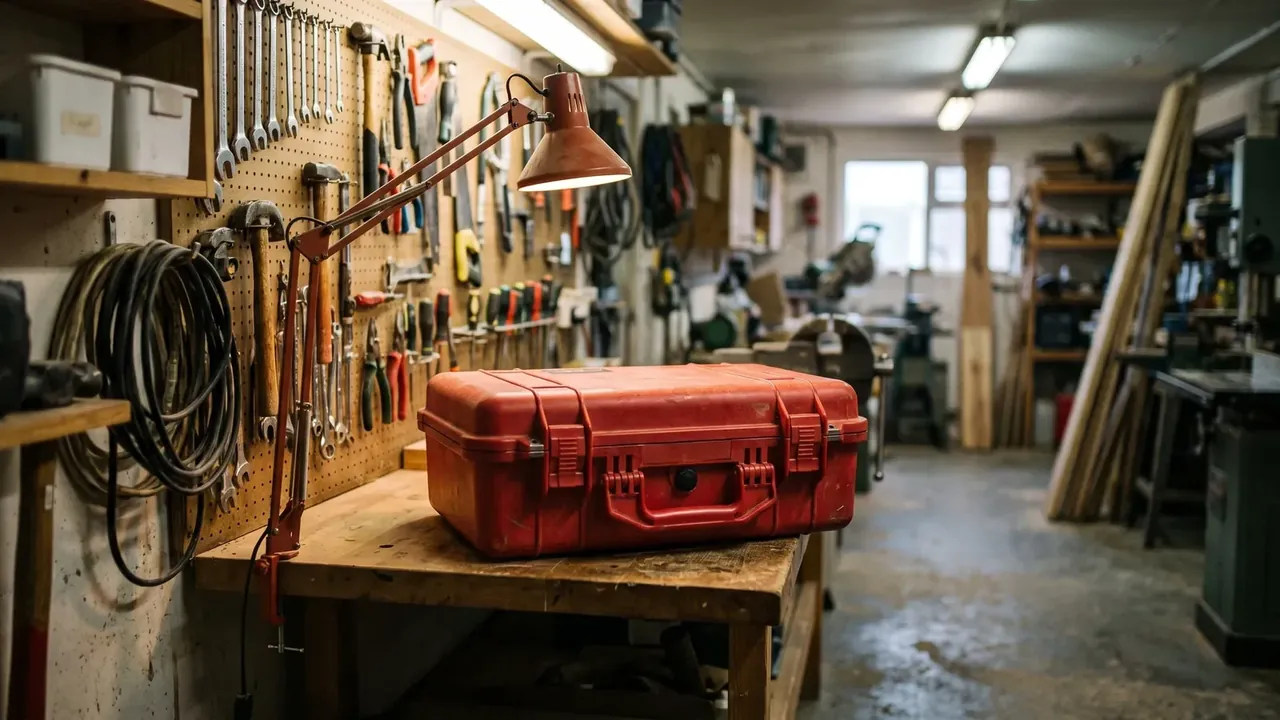
Quick answer: Auditing waterproof plastic tool boxes starts with a standard number, a version year and a clause, never with a marketing grade. This guide maps IEC 60529 and military methods to concrete pass lines, then adds three dock checks and a three level defect rule.
Table of contents
- A clause map for waterproof plastic tool boxes
- Reading the two digits of IEC 60529
- Rain and immersion clauses in the military standard
- Three substitutes you can run today
- Sampling and defect grading
- Nine fields on the acceptance sheet
- FAQ
1. A clause map for waterproof plastic tool boxes
Most acceptance meetings close with one line: build it to IP67. IP67 is a grade code, not a test plan.
Lay the documents out and three tracks appear. IEC 60529 owns the code and its rig. The military standard owns environment worthiness and whether the sample stays powered while wet. ISO and ASTM own stacking and salt fog. The verdicts differ: IEC asks whether water reached the inside, the military asks whether the unit kept working. A case built to IPX7 can fail immersion, because military testing wants it wired and energised underwater. So the first field of the sheet holds the standard plus its version year, where most disputes over waterproof plastic tool boxes begin.
| Standard | Parameter | Pass line |
|---|---|---|
| IEC 60529 IPX4 | Tube, 10 L/min, 10 min | No standing water |
| IEC 60529 IPX7 | 1 m, 30 min | No visible ingress |
| Mil 810H 506.6 | Rain 1.7 mm/min, 30 min per face | Runs wet, no leak |
| Mil 810H 512.6 | 1 m, 30 min | Above 10 MΩ |
| ISO 12048 | 200 kg, 24 h | Sag under 1.5 mm |
Attach sample state and test order to each row.
2. Reading the two digits of IEC 60529
The digits do different jobs. The first covers solids, the second water. Writing IP6X means dust was never tested, which is not a pass. For waterproof plastic tool boxes, quote both digits.
Each step up the water scale swaps the rig. Level 4 uses a tube at 10 L/min for 10 minutes. Level 6 uses a 12.5 mm nozzle, 100 L/min, held 3 m away for 3 minutes. Level 7 sinks the case in 1 m of water for 30 minutes. Level 8 is agreed, often 1.5 m for 60 minutes. A higher number is not harder: 6 fires a jet, 7 loads static head.
Most leaks trace to level 6, around weld lines and latch bosses. Level 7 often passes: head only presses the gasket.
Three details get skipped. Place the case in its real attitude and repeat it inverted, since gasket compression follows gravity. Hold water within 5 °C of ambient, or a cold shell pulls a vacuum and drinks. Do not grease the gasket, since dressing hides the incoming state, and open at once, since beads evaporate within 30 minutes.
3. Rain and immersion clauses in the military standard
Here waterproof plastic tool boxes count as equipment, so the sample is powered and mounted at its installed angle.
- Rain, Method 506.6: 1.7 mm/min, 18 m/s wind, 30 minutes per face, unit running.
- Immersion, Method 512.6: 1 m for 30 minutes, then insulation checks within 15 minutes.
- Heat, Method 501.7: 71 °C for 24 hours, lid force read within 2 hours, fail above 180 N.
- Cold, Method 502.7: soak at -51 °C, then check gasket and latch.
- Altitude, Method 500.6: 57 kPa for 1 hour, watching the pressure valve.
No single item is hard; the sequence is. Heat grows a latch bore by 0.2 mm, cold shrinks it and multiplies compression set.
4. Three substitutes you can run today
Labs book two weeks out; the dock needs an answer today. These checks keep obvious failures out of the warehouse.
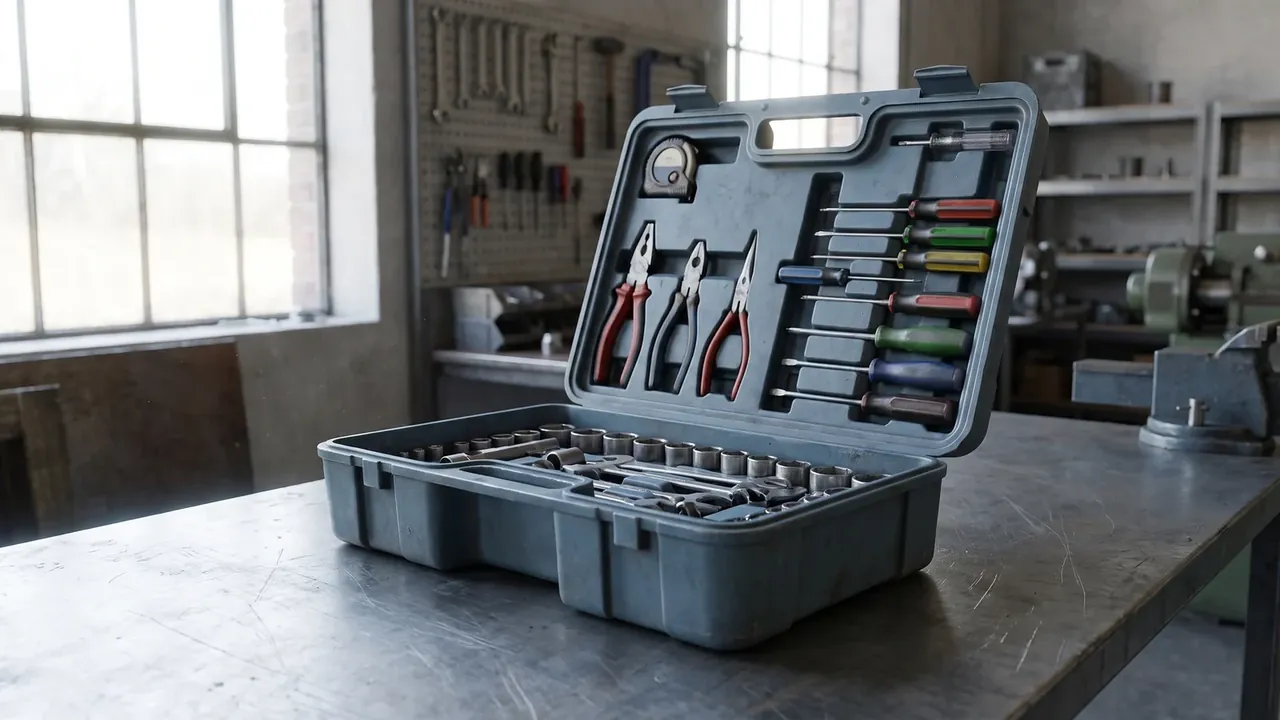
Pressure decay. Seal the valve and port, charge to 3 kPa, hold 60 seconds, accept a 0.3 kPa drop.
Head test. Tape dry paper inside the rim, sink it under 1 m for 30 minutes, dry and open. A wet patch over 5 mm fails.
Cold opening. Chill at -20 °C for 4 hours, then pull the lid within 30 seconds. Above 180 N fails, usually because the resin was swapped.
5. Sampling and defect grading
Use general inspection level II at AQL 1.0: 80 units from a lot of 501 to 1200, accept 2, reject at 3. Keep first and last pieces for 12 months.
| Grade | Finding | Action |
|---|---|---|
| A | Beads after IPX7, hinge root cracked | Reject the lot |
| B | Latch under 80 N, lid gap over 0.4 mm | Rework, redraw 80 |
| C | Colour shift above dE 1.5 | Concede with record |
Grade A cannot be bargained: ingress is functional failure, and a reworked gasket has been crushed once. Grade B may be reworked if the sheet names the force.
6. Nine fields on the acceptance sheet
A sheet is not a certificate copy. It has to let a stranger repeat your verdict.
For waterproof plastic tool boxes, nine fields are mandatory: standard and version, clause number, sample state, depth and duration, pass line, sampling plan, defect grade, recheck method, signature with date.
Write the clause as 14.2.7, not IPX7. Photograph four inside corners and the gasket loop.
Conclusion
Line up the clause, the sample state and the pass line, and the audit becomes repeatable. A grade code is only the door; the clause number decides the verdict. Write the sheet so a stranger can repeat it, and the batch of waterproof plastic tool boxes has truly been accepted.
This article discusses only the container (case body) side of specifications and design intent, and does not cover any handling, loading or use of the contents.
Related Reading
- Safety clauses for kids tool boxes
- Clause comparison for waterproof hard cases
- Impact and sealing checks for airdrop cases
- Stacking verdicts for mould storage cases
- Sealing and marking on shell boxes
Related Products
- 8 Series — Gun Cases; Military Equipment Cases; Camera Equipment Cases; Drone Cases; Watch Cases; Knife Cases; First Aid Cases; Electronics Equipment Cases
- WL8-2812 PP Gun Case — model WL8-2812
- All protective cases and toolboxes: 7 series, 158 models