

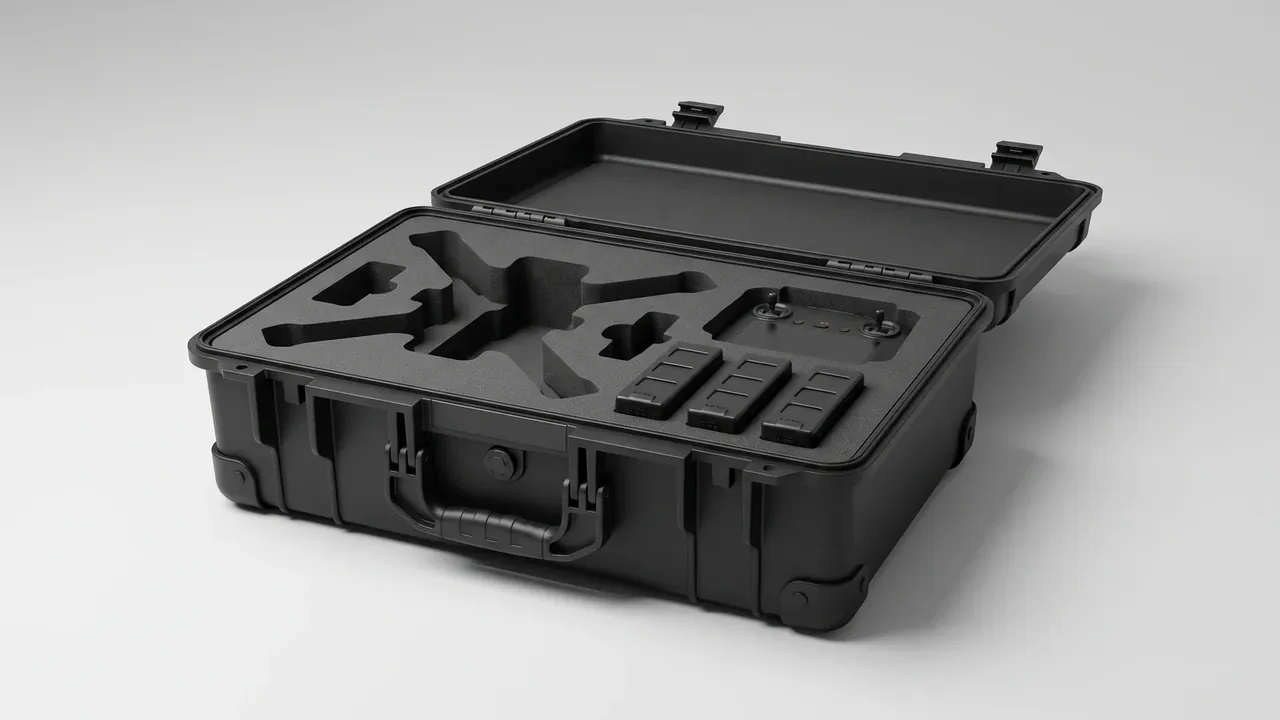
Quick answer: A Weapon Storage Cabinet differs in price at four places: sheet gauge, locking, surface treatment, packing. All four convert into ten years of rework.
Table of contents
- Where a Weapon Storage Cabinet's Money Sits
- Five Checks You Can Run on the Floor
- Fit: It Goes In, and It Comes Out
- What Rework Actually Costs
- Three Lines Buyers Skip
- Putting the Criteria in the Enquiry
- FAQ
1. Where a Weapon Storage Cabinet's Money Sits
Two cabinets of one size can differ sixty percent in price, and branding explains little. Four weighable segments carry the gap: sheet and profile, locking hardware, surface treatment, packing.
A mid-size body at 1,800 against 2,400 differs by 600. Over ten years that 600 buys one rework: two hours of straightening, a touch-up, a day offline.
| Segment | Share | How it is cut | What follows |
|---|---|---|---|
| Sheet and profile | 35% | 1.5 mm down to 1.2 mm | Door springs back, bolt misses |
| Locking | 18% | Three-point to single-point | Unlocked edge pries open |
| Surface | 12% | 480 salt-spray hours to 96 | Rust in year one |
| Packing | 10% | Half the foam | Corners deform |
2. Five Checks You Can Run on the Floor
Five checks, fifteen minutes, no instruments: a showroom unit says more through your hands than through a brochure.
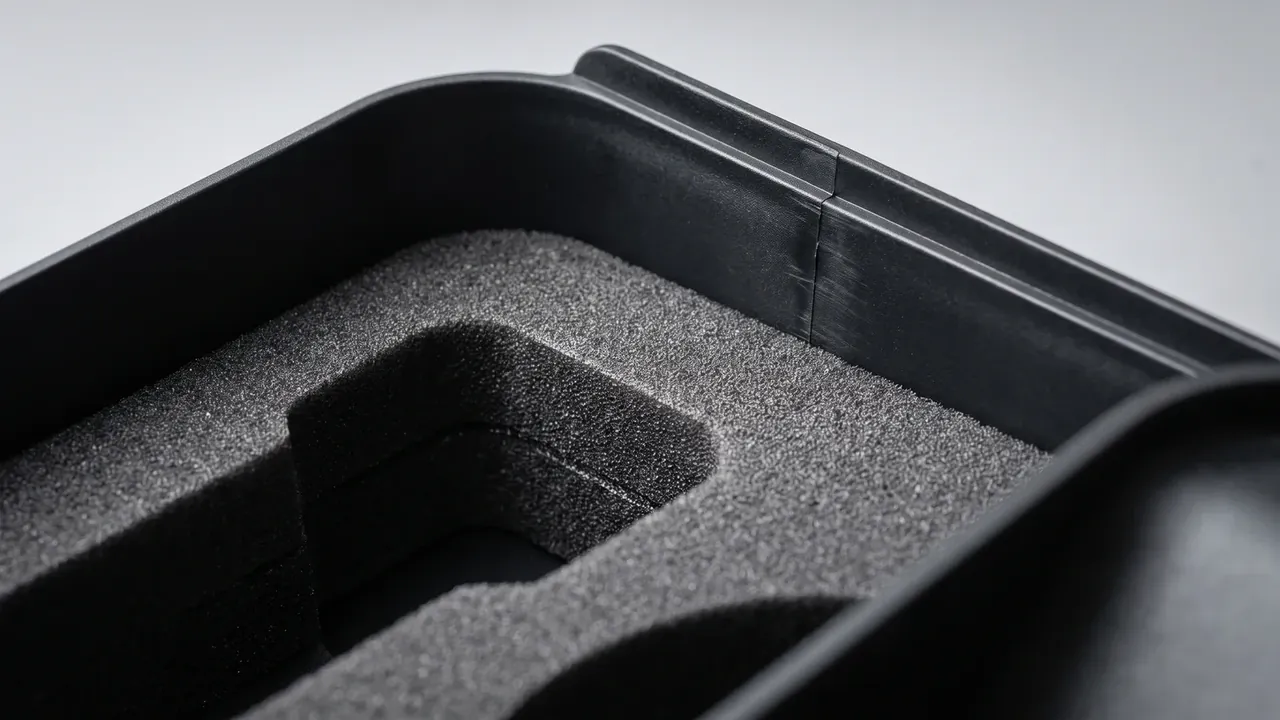
- Close and listen: a dull thud means the gasket seated; a metallic knock means the bolt bottomed out first.
- Lift a door corner: past two millimetres of movement, the door lacks stiffness.
- Walk the gap: the back of a hand finds steady cold; a paper strip should resist the same everywhere.
- Stand on a shelf: forty kilograms shows sag the eye can catch.
- Ask for a section: a cut corner from the same batch, measured at three points.
The fourth is skipped most and reveals most: sag past five millimetres means fewer brackets or a shallow fold.
3. Fit: It Goes In, and It Comes Out
Clear height should top the tallest item by 80 mm, or a layer goes to diagonal storage. Internal depth needs 40 mm over the longest item, or the door presses the load and the gasket fails first. Door clearance is door width plus 100 mm; a tighter corridor turns every opening into a hit on the latch. One figure hides the rest: a body listed at 1.8 m may hold only 1.6 m inside, a fixed shelf eating the difference.
4. What Rework Actually Costs
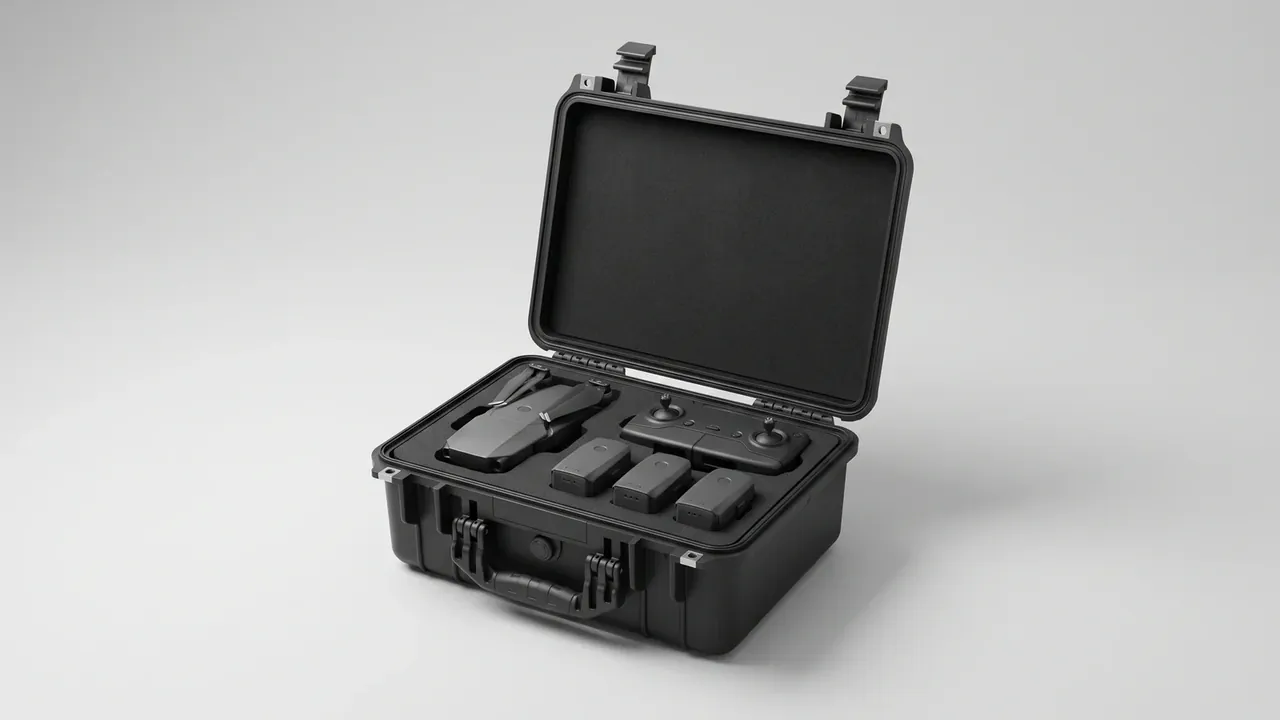
Rework is not a swap: it is labour, downtime and lost confidence.
| Rework | Direct cost | Hidden cost |
|---|---|---|
| Door straightening | About 2 hours each | Touch-up shade, failed inspection |
| Re-drilled latch | 40 minutes per point | Old hole wasted, seal worse |
| Batch return | Freight both ways | Site idle, rental cabinets |
A batch return is the costly one: freight runs on volume, one body takes a pallet position, and one return spends three years of transport budget.
5. Three Lines Buyers Skip
Packing volume comes first. Freight is priced by cubic metre, an extra 20 mm of width costs a container slot, and the money lands in the unit price unnamed. Accessories come second: shelves, castors and anchor brackets are included differently by each supplier, so two quotes at 2,400 diverge once only one carries four shelves. Warranty boundaries come third. Most terms cover the body for five years, the lock for one, the gasket for nothing, and the gasket is what fails in year three. Align those boundaries first, and the conversation turns from haggling into configuration.
6. Putting the Criteria in the Enquiry
A criterion in your head is an opinion; written into the enquiry it becomes the basis three suppliers quote against.
Number the lines: 2 mm of door movement at most, even paper resistance, 5 mm sag at forty kilograms, corner wall 5.5 mm, three bolts. Leave a blank for a figure, not a tick.
Then add one sentence: the buyer may cut a sample from the same batch at the factory. That removes traders who never touch a mould.
Conclusion
Over ten years the arithmetic of a Weapon Storage Cabinet becomes visible. Money saved on gauge returns as rework; money saved on salt spray returns as rust in year three; money saved on packing returns as freight and bent corners. What deserves comparison is the figures each segment reports, not the unit price. Put the five checks, the five fit criteria and the three warranty boundaries on one sheet, and the choice becomes a Weapon Storage Cabinet calculation.
This article discusses only the container (case body) side of specifications and design intent, and does not cover any handling, loading or use of the contents.
Related Reading
- Weapon Storage Cabinet configurations for three sites
- Weapon Storage Cabinet specifications
- How to judge a camping storage box
- Size and insert in a pistol case
- Locks and fixing on a lockable storage box
Related Products
- 8 Series — Gun Cases; Military Equipment Cases; Camera Equipment Cases; Drone Cases; Watch Cases; Knife Cases; First Aid Cases; Electronics Equipment Cases
- WL8-2812 PP Gun Case — model WL8-2812
- All protective cases and toolboxes: 7 series, 158 models