

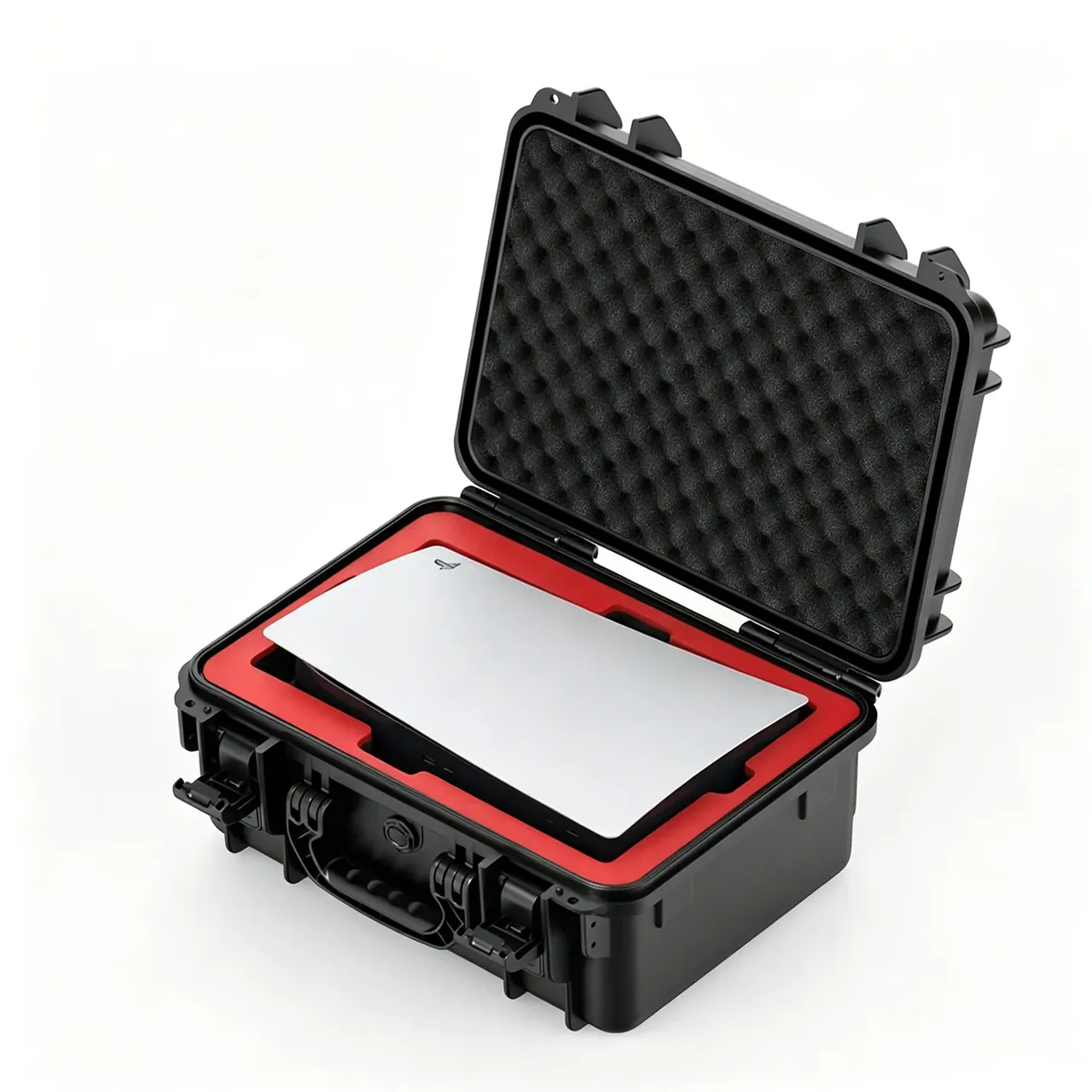
Quick answer: White label changes one item, private label three, OEM the structure, ODM everything; tooling and certification ownership shifts at each step.
Table of contents
- Four modes, one dividing line: how much the factory must change
- Where the responsibility lands: tooling, certification, label
- What the 45 index points actually pay for
- After-sales has two shapes, IP has four
- FAQ
1. Four modes, one dividing line: how much the factory must change
A buyer asks for a case in another colour with their mark on the lid. Whether that is a two-week job or a ninety-day project depends on one count: how many items the factory has to touch. One item is white label, three is private label, the structure is OEM, a new design is ODM.
The count decides who owns what afterwards. Change a label and tooling, test reports and warranty channel stay put. Change the wall thickness and all three move.
A white label enquiry should answer in one sentence: which single item changes. If it needs two, it is not white label.
| Mode | Items changed | Minimum order | Time to market | Price index |
|---|---|---|---|---|
| White label | 1 | 200 cases | 3 days | 100 |
| Private label | 3 | 500 cases | 10 days | 108 |
| OEM | full structure | 2,000 cases | 45 days | 126 |
| ODM | new design | 5,000 cases | 90 days | 145 |
2. Where the responsibility lands: tooling, certification, label
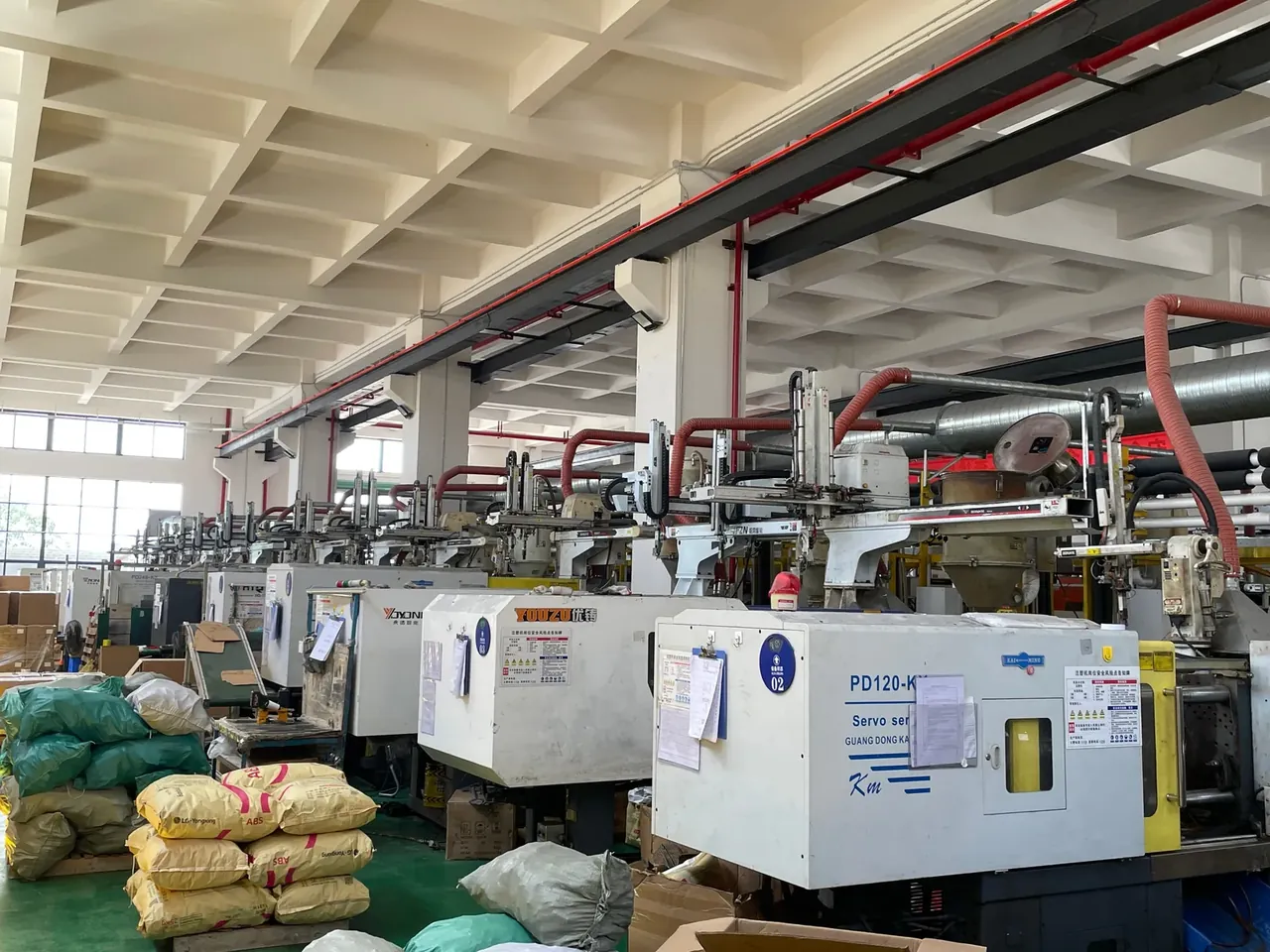
Three items decide liability, and they map onto that count: whose name is on the tool, who files the certification, who applies the label. The deeper the change, the further liability slides toward the brand.
| Mode | Tool ownership | Certification filed by | Label applied by | After-sales handled by |
|---|---|---|---|---|
| White label | factory | factory, self-declared | factory | brand |
| Private label | factory, brand exclusive 2 years | brand | factory | brand |
| OEM | brand, bought out | both names listed | brand | factory on behalf |
| ODM | shared | customer, in own market | third party | brand |
Certification is the column buyers forget. Under white label the factory declares against reports it already holds; under private label the brand holds the certificate and the factory supplies only the technical file; under OEM both names appear; under ODM the customer certifies in its own market and the factory stays off the document. Whoever is named keeps that file 10 years.
Labels have three owners: factory, brand, third party. All three work; what differs is who pays for a wrong label. The factory that applies it pays for the relabel; a brand that applies its own owes only bare cases.
Two checks sit in front of any relabel: proof of trademark ownership and sign-off on the artwork. White label has no trademark to prove, so only the artwork applies. For the other three both run, and the holder must be the contracting party.
3. What the 45 index points actually pay for
The index is pegged to white label at 100: private label 108, OEM 126, ODM 145. The spread is not margin but four bills: tooling, certification, packaging and stock risk.
Tooling is the most visible. A replacement insert costs 12,000 and spreads to 6 per case over 2,000 units; a new tool costs 85,000 and spreads to 17 over 5,000. The same money over a different quantity moves the index 10 points.
Certification is the one that gets missed. A new applicant repeats the tests, 20 to 30 days of calendar and a fee charged per project, not per case. Spread 30,000 of testing over 1,000 cases and each carries 30; over 5,000 and each carries 6.
Packaging and stock risk close the gap: printed cartons, a tray and often a coloured masterbatch, bought in minimum quantities the brand absorbs either way.
Minimum order is the reciprocal of those four bills. At 200 cases the factory uses an existing tool and stock shells and prints once; at 5,000 the tool, trials, packaging and certification sit inside the price. That is also why time to market runs from 3 to 90 days.
Ask which of the four bills the supplier is quoting before arguing about the index.
4. After-sales has two shapes, IP has four
After-sales comes in two shapes: the brand answers the end user, or the factory handles it on the brand's behalf. In the first, the factory owes against batch quality only. In the second it takes single-unit repairs, holds spare parts and a bench, and carries a cost near 3% of shipped volume.
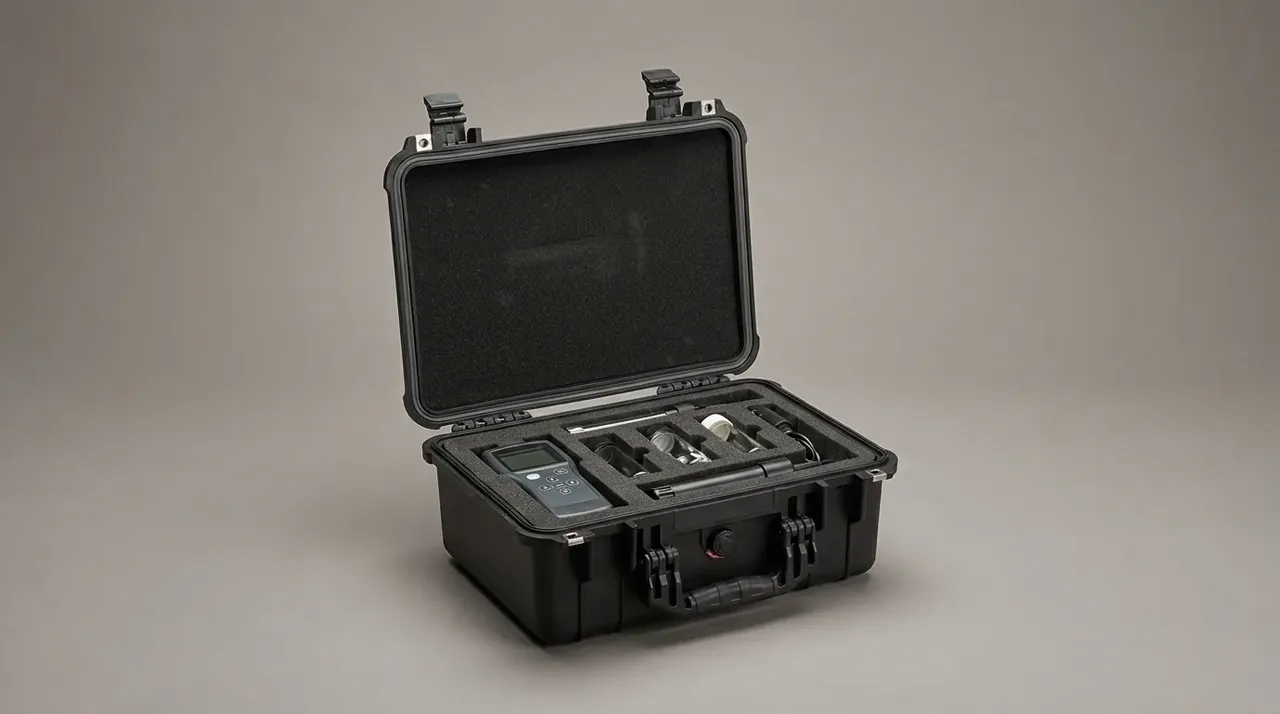
Intellectual property has four owners: the factory with a licence back, the brand by assignment, both jointly, or the customer who brought the design. The documents look alike; what differs is whether the design can leave with the buyer.
| Mode | IP ownership | Relabel checks | Cost of changing supplier |
|---|---|---|---|
| White label | factory, licensed | artwork only | new label, 1 day |
| Private label | brand, factory barred from reuse | trademark proof plus artwork | new label and cartons, 10 days |
| OEM | per drawing agreement | trademark proof plus artwork | tool transfer, 45 days |
| ODM | factory, brand exclusivity | trademark proof plus artwork | redevelopment, 90 days |
Four clauses carry ownership: who files, who pays the renewal, what happens at expiry, what the brand may still do after termination. Write those four and the rest follows the contract and governing law.
This is not legal advice, only a reminder that ownership and after-sales belong in one clause. Split them and the case ends up owned by one party, repaired by the other.
Conclusion
The boundary between white label and private label is a count, not a label. One item, three items, a full structure or a new design: the minimum order runs from 200 to 5,000 cases, time to market from 3 to 90 days, the index from 100 to 145. Tooling, certification, label and after-sales follow the same ladder, so settle those four before the price.
This article covers case-side specifications only and does not address any handling, loading or use of the contents.
Related Reading
- Six checkpoints for executing a private label order
- Setting print, colour and label tolerances
- Auditing an OEM supplier and approving samples
- Choosing among case marking methods
- Writing IP clauses into a case contract
Related Products
- 8 Series — Gun Cases; Military Equipment Cases; Camera Equipment Cases; Drone Cases; Watch Cases; Knife Cases; First Aid Cases; Electronics Equipment Cases
- WL8-2812 PP Gun Case — model WL8-2812
- All protective cases and toolboxes: 7 series, 158 models