

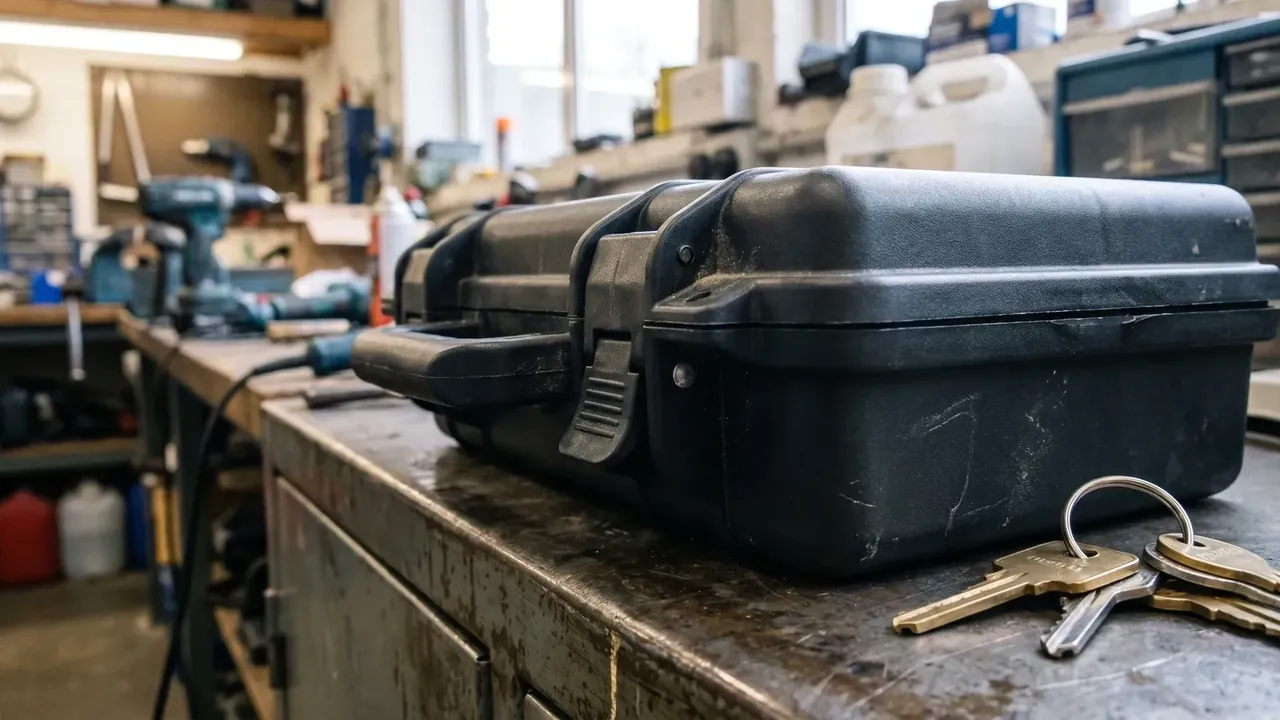
Quick answer: The real alternatives to an artillery shell box are timber crates, steel boxes, plastic totes and wrapped pallet loads. They differ on protection, stacking, life, repairability and cost per turn, so a unit price alone points the wrong way.
Table of contents
- Where the Artillery Shell Box Sits Among Four Alternatives
- Protection: Drop, Puncture and Humid Heat
- Stacking and Service Life: Counting Cycles
- Repairability: Swap Time Sets Downtime
- Whole-Life Cost: Cost per Turn
- FAQ
1. Where the Artillery Shell Box Sits Among Four Alternatives
The four alternatives share a warehouse because they answer different questions: a crate for one shipment out, steel for repeated impact, a tote for moves inside the plant, a pallet for consolidated loading. An artillery shell box answers single-unit independence and moisture separation between trips.
| Option | Protection | Seal | Stack | Repair |
|---|---|---|---|---|
| Artillery shell box | drop, puncture, damp heat | full gasket, valve | five tiers | gasket, latch, liner |
| Timber crate | cushioning, hates water | oil paper, desiccant | three tiers | none |
| Steel box | best against puncture | rubber strip | six tiers | weld, repaint |
| Plastic tote | moderate drop | rim contact | four tiers | parts only |
| Wrapped pallet | load consolidation | film, boards | two tiers | none |
Two rows get skipped: timber and film have no repair step, while a welded steel repair needs fresh coating plus forty-eight hours before loading.
2. Protection: Drop, Puncture and Humid Heat
Protection is not wall thickness. Drop follows corner radius and liner absorption, puncture follows wall stiffness, damp heat follows gasket and valve together. A working artillery shell box holds a 1.2 m six-face drop when loaded, ten cycles from -40 °C to +60 °C with the lid still latching, and 480 hours of salt spray without red rust.
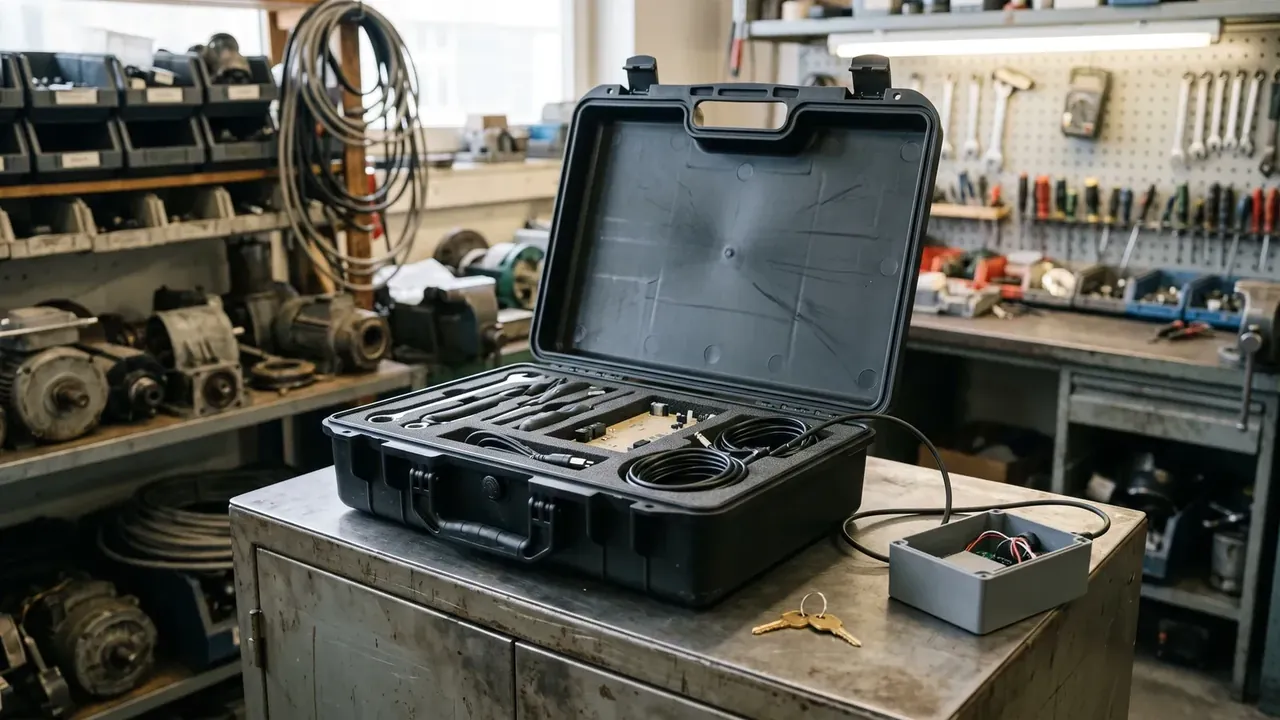
Each alternative fails on its own line. Wet timber loses strength fast and one rain event can halve a crate's life; a dent past 3 mm in steel pushes load into the liner. Damp heat is quietest: internal humidity climbs from 45% to 75% in a month without leaving a mark.
3. Stacking and Service Life: Counting Cycles
Tier count comes from contact area, not optimism. Lid recesses and base bosses turn a five-high stack into one body a forklift cannot shear; timber needs bracing above three tiers; a steel box reaches six but weighs 12 kg empty; a tote holds four before the rim bows.
Life is counted differently: timber in trips, steel in years, the case at 500 turns. Creep follows height too, and past 4 mm of outward bow on a bottom case the gasket loses compression and weeps, while steel thins instead.
4. Repairability: Swap Time Sets Downtime
Nobody asks about repair at signature; the warehouse asks weekly. Three wear parts come off with hand tools: the gasket lifts from the lid groove in 30 minutes, a latch is two screws and 10 minutes, the liner comes out whole in 20.
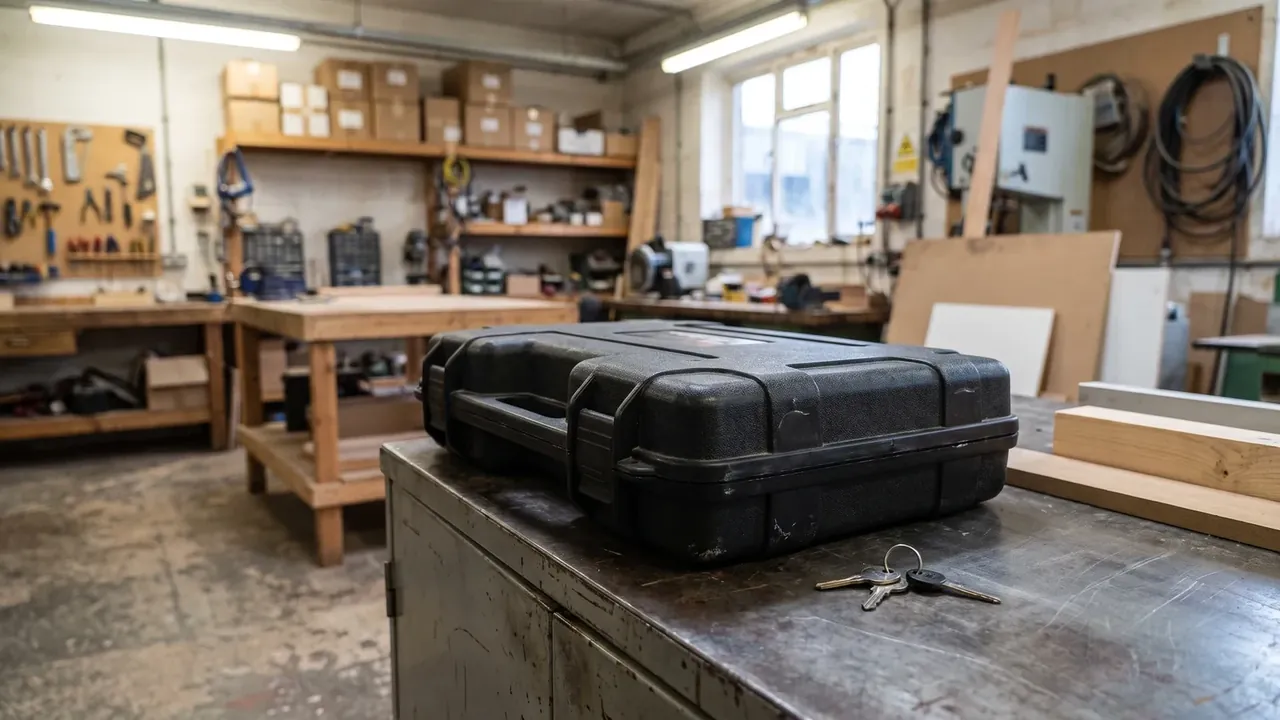
A steel box needs weld, grind, phosphate, primer and topcoat, forty-eight hours, and one burn-through ends it. Timber has no repair concept: a split board cancels the stacking rating. Swapping also allows spares: 20 gaskets and 5 liners for 200 cases, under 3% of spend.
5. Whole-Life Cost: Cost per Turn
A five-year total flatters single-use packaging; the denominator is thin. Cost per turn is fairer: unit price over cycle count, plus amortised spares.
| Option | Unit price | Turns | Cost per turn | Note |
|---|---|---|---|---|
| Artillery shell box | 1190 | 500 | 2.53 | spares included |
| Timber crate | 220 | 1 | 220 | single use |
| Steel box | 780 | 80 | 10.35 | weld amortisation |
| Plastic tote | 340 | 300 | 1.13 | no seal |
| Wrapped pallet | 96 per pallet | 1 | 12 per unit | eight per pallet |
The cheapest line is the tote and the dearest is the crate: lowest price, one trip, 220 per turn, while an artillery shell box at five times the price lands near 2.5, provided the route stays dry.
Conclusion
The five differ less in price than in which line each one pays: the crate for cushioning, steel for puncture, the tote for lightness, the pallet for consolidation. Count the rainy seasons and issue-and-return trips first, then read the quotation again, and the artillery shell box will have moved.
This article discusses only the container (case body) side of specifications and design intent, and does not cover any handling, loading or use of the contents.
Related Reading
- Specifications of an artillery shell box
- Standards behind an artillery shell box
- Ammunition container material comparison
- Metal ammunition box material comparison
Related Products
- 8 Series — Gun Cases; Military Equipment Cases; Camera Equipment Cases; Drone Cases; Watch Cases; Knife Cases; First Aid Cases; Electronics Equipment Cases
- WL8-2812 PP Gun Case — model WL8-2812
- All protective cases and toolboxes: 7 series, 158 models