

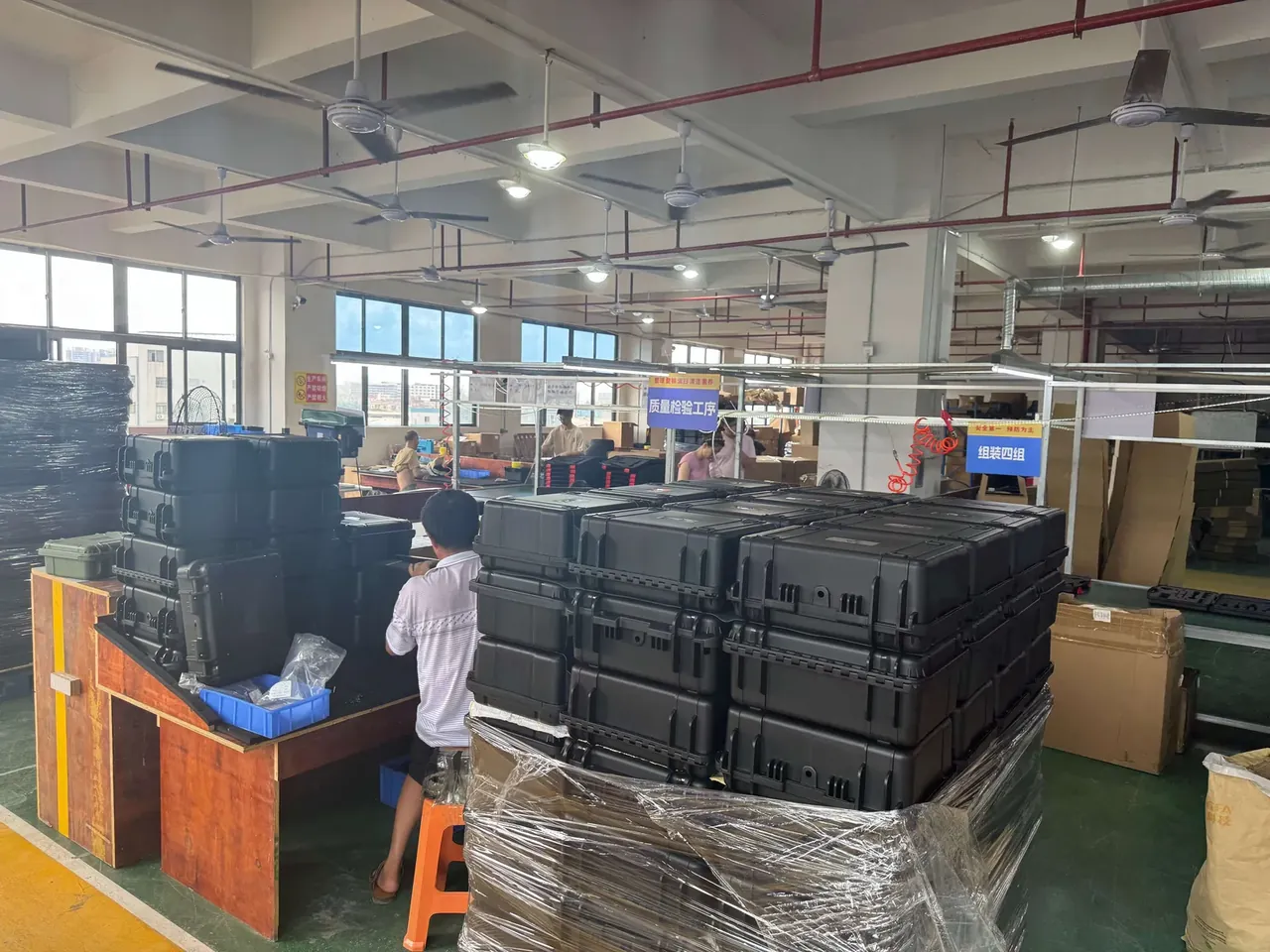
Quick answer: Batch traceability runs on two clocks: four hours from a returned case back to its resin lot, two hours from that lot forward to the buyers.
Table of contents
- One returned case stands for twenty-four moulding lots
- Four lot levels and the eleven fields they carry
- Two clocks, two directions: four hours back and two hours forward
- Quarantine that fits inside three days of output
- Two drills a year, ninety minutes on the clock
- FAQ
1. One returned case stands for twenty-four moulding lots
A case comes back from a distributor with a split hinge boss, and the quality manager has an afternoon to answer two questions: which resin lot sits inside it, and how many cases from that chain are already in the field. Neither answer is moulded into the part; both sit in the ratios between four lot levels.
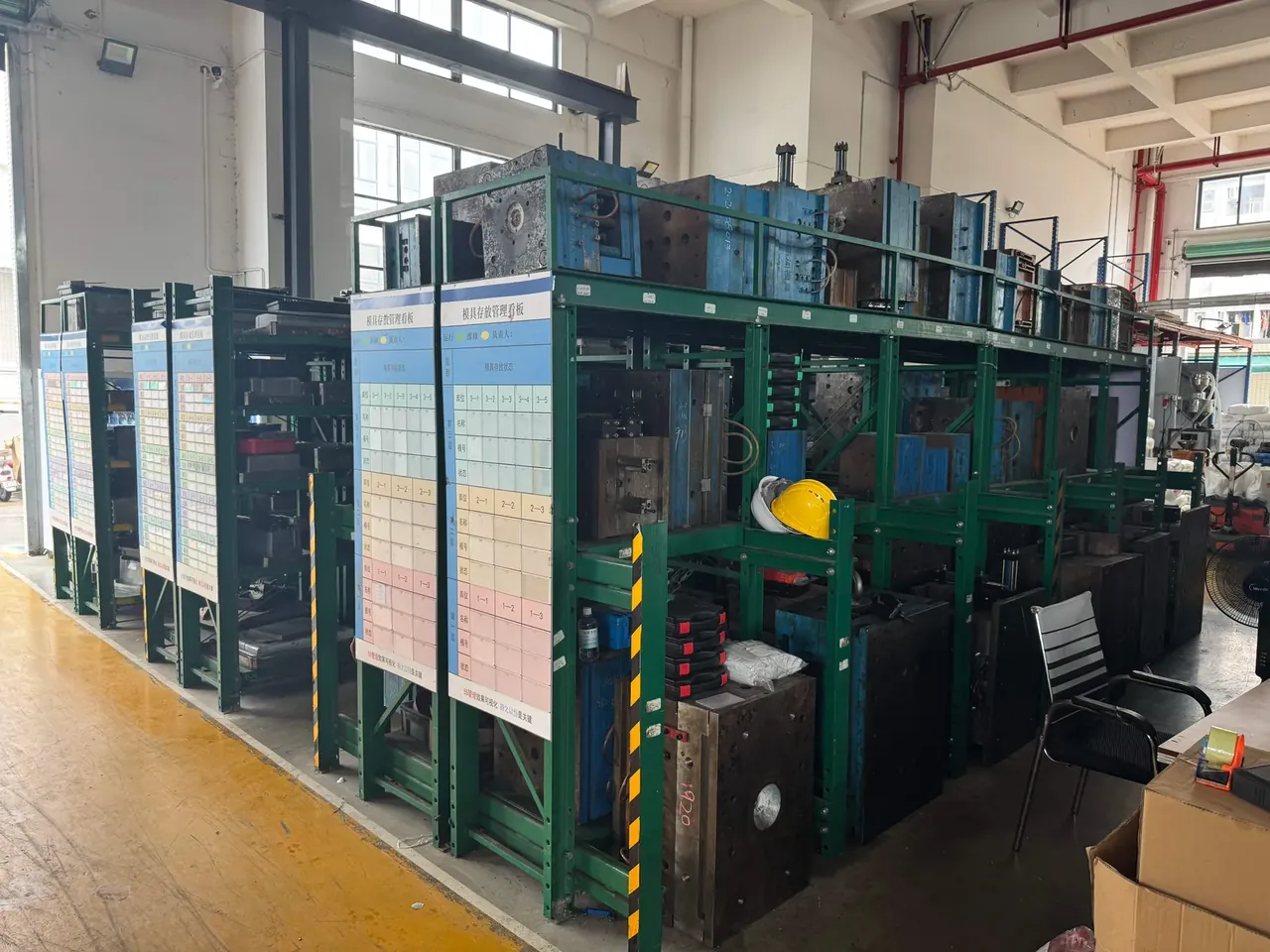
Material passes three gates before it becomes a case: mixing, moulding, packing. The first two multiply the level above, sixfold then fourfold; the third packs eight moulding lots into one shipment. The chain is a tree, not a line.
A 1,200 kg resin lot arrives as 48 bags of 25 kg; at 200 kg per mixer charge it splits into 6 mixing batches; four shots per charge gives 24 moulding lots; at 180 cases each the lot yields 4,320 cases, packed as 3 shipment lots of 1,440.
That is the 1:6:24:3 chain. Miss one level and the quarantine triples.
The first document a factory needs is this ratio table, not a record form.
2. Four lot levels and the eleven fields they carry
Each level answers a different question, so eleven fields cannot be spread evenly. A resin lot proves who supplied the material and when; a mixing batch proves which bags entered the charge; a moulding lot proves machine, cavity and shift; a shipment lot proves which lots shared a truck.
| Lot level | Lot size | Ratio to the level above | Record carrier |
|---|---|---|---|
| Resin lot | 1,200 kg | starting point | goods-in ledger |
| Mixing batch | 200 kg | 1 to 6 | mixing work order |
| Moulding lot | 180 cases | 1 to 4 | machine log, date clock |
| Shipment lot | 1,440 cases | 8 into 1 | shipping note |
Eleven fields run in one line: resin lot, charge number, moulding lot, machine, cavity, date, shift, shipment lot, customer code, order number, quantity. The first five point back, the middle three fix time, the last three point to the buyer.
Marking happens twice: an in-mould date clock stamps day and shift into the base, and an outer label carries the moulding and shipment lots. Eight cavities read from the position mark, 1 to 8, so date and cavity pin one case to one lot.
Retention follows the mixing batch: 500 g per charge for 12 months, plus 3 colour plaques split between customer, factory and cabinet. They rebuild a broken lot number from a physical sample.
3. Two clocks, two directions: four hours back and two hours forward
Backward and forward queries need different indexes. One starts at the date and cavity mark and ends at a resin lot; the other runs the same chain in reverse. Opposite directions, separate lists.
| Direction | Start | End | Time budget | Index required |
|---|---|---|---|---|
| Backward | date clock, cavity mark | resin lot | 4 h | date-to-machine list |
| Forward | resin lot | shipment lots, customers | 2 h | lot-to-shipment matrix |
| Lateral | one cavity number | every case in the lot | 1 h | cavity-to-lot list |
| Gap | a missing field | nearest closed node | 1 h | gap-recovery log |
The four-hour backward budget: 15 min to read the base, 45 min on the machine log, 60 min through the mixing work orders, 30 min to land the resin lot, and 1.5 h held for review. The step that overruns is the work orders, three shifts at six charges a day.
The two-hour forward budget rests on one matrix: resin lots down the rows, shipment lots across the columns. Twenty-four rows scan in under 10 min; the rest goes on customer codes and order numbers.
4. Quarantine that fits inside three days of output
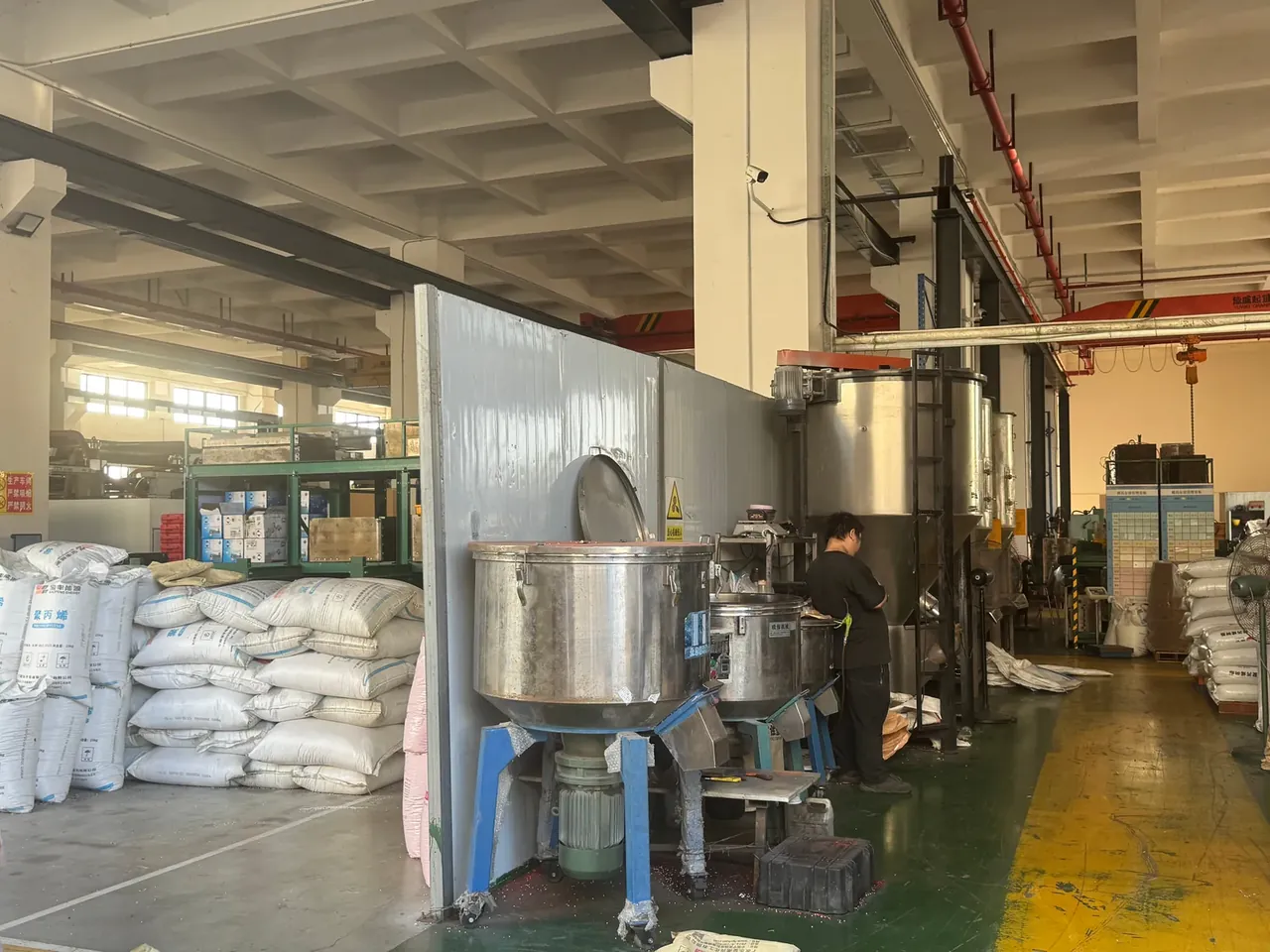
Three days of output is the most practical number in the table. A day ships 1,440 cases, so three days is 4,320, exactly what one resin lot makes; a material problem closes one lot and stops nothing else.
The broken-chain rate is monthly: lots that failed to close back to a resin lot within four hours, over all lots shipped. The target is 0.5%. At 60 lots a month that allows zero, since 0.5% of 60 is 0.3. An unclosed lot costs far more in a claim than a hold would.
Records stay 3 years, covering 36 months of shipments. With 12 to 24 month warranties and a 12-month claim tail, month 37 is rarely opened.
5. Two drills a year, ninety minutes on the clock
Two drills a year, one each half, starting from a case with half its base date rubbed away.
| Break point | What the floor sees | Recovery time | Owner |
|---|---|---|---|
| date clock not stamped | blank case base | 2 h | moulding supervisor |
| outer label missing | gap in the shipment lot | 0.5 h | packer |
| charge number not logged | 6 batches merged into 1 | 3 h | compounder |
| shipment merge not registered | 3 lots into 1 | 4 h | warehouse clerk |
The pass mark is 90 min, not four hours. Internal targets sit tighter than the promise to customers, because a real complaint brings calls, photographs and emails that eat 2 to 3 hours.
Four roles must attend: moulding supervisor, compounder, warehouse clerk, quality. Leave one out and the chain breaks at his link. The record is one A4 page: start, end, elapsed time, failed link, fields rebuilt.
Conclusion
Batch traceability produces two clocks and one ratio table. The 1:6:24:3 chain fixes the lot levels, eleven fields fix the record, four hours back and two hours forward fix the query, three days of output fixes the quarantine. Aligned, two drills a year are a formality. Misaligned, they only rehearse the same confusion.
This article covers case-side specifications only and does not address any handling, loading or use of the contents.
Related Reading
- What a resin lot record has to hold
- Numbering and QR labels that stay on
- Batch consistency checks on colour and size
- Reading traceability records during a factory audit
Related Products
- 8 Series — Gun Cases; Military Equipment Cases; Camera Equipment Cases; Drone Cases; Watch Cases; Knife Cases; First Aid Cases; Electronics Equipment Cases
- WL8-2812 PP Gun Case — model WL8-2812
- All protective cases and toolboxes: 7 series, 158 models