

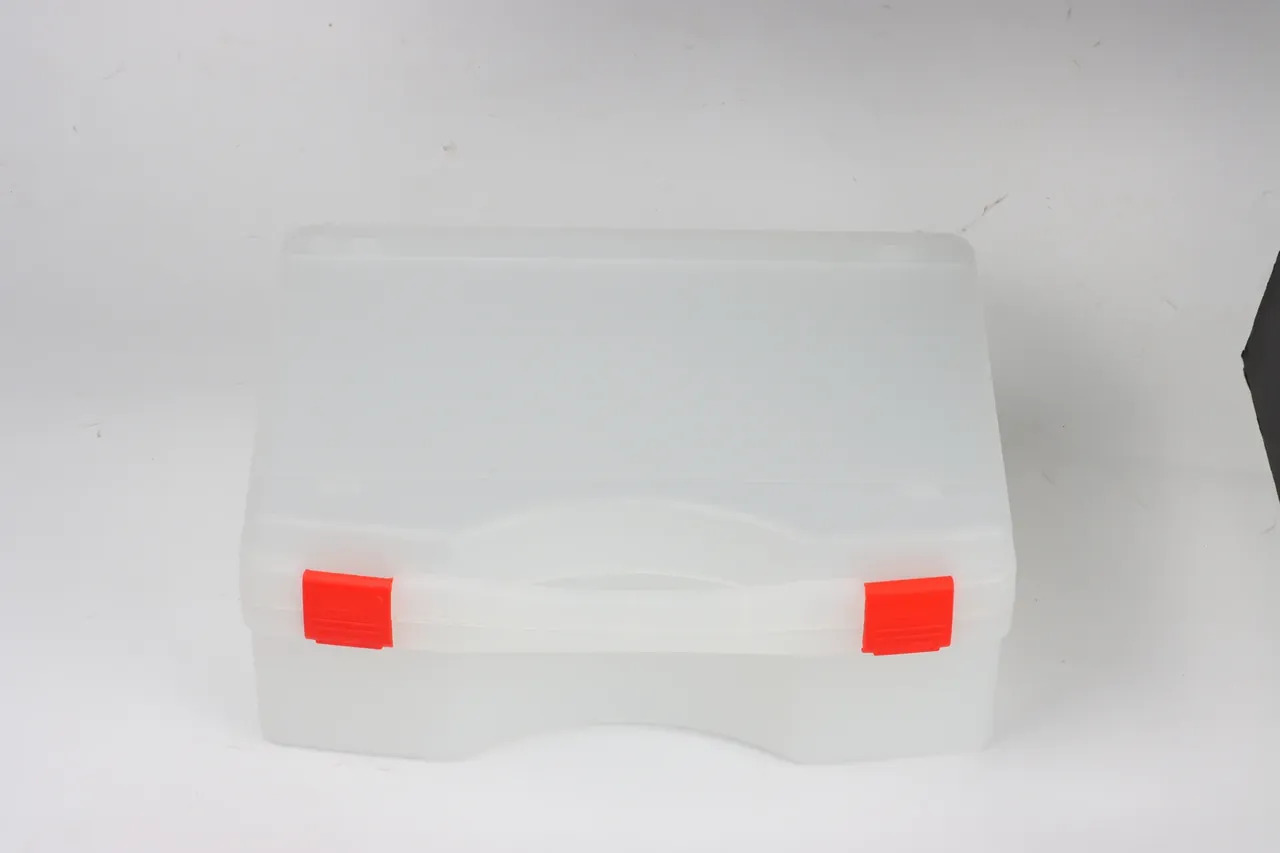
Quick answer: A Case ID and Traceability scheme fails at the label rather than the code, so treat PP to 38 mN/m and keep a 0.3 mm module clear of the seal.
Table of contents
- Ten Digits Before Any Label
- Getting It to Stick: 30 to 38 mN/m
- Making It Scan: The 0.3 mm Module
- Where Not to Put It
- Rework, Residue, Peel Rate
- FAQ
1. Ten Digits Before Any Label
Ten digits carry the whole Case ID and Traceability scheme: category 2, year 2, serial 6. Category separates box types, year keeps life-cycle sorting possible, and 6 digits hold a million units without a repeat.
Short codes survive being read by eye. When a scanner dies or half a label wears off, 6 serial digits can still be keyed in and matched against the record. A long random string fails completely once one corner is gone.
Keep the letters I and O out of the category positions; they get confused with 1 and 0 at reading distance. A digit-only alphabet lifts the hit rate on manual entry.
One code belongs to one case for life. New lid, new latch seat, same code. It is retired only when the case is scrapped, and never reissued.
2. Getting It to Stick: 30 to 38 mN/m
PP and PE sit at 30 to 31 mN/m, low enough that ordinary pressure-sensitive adhesive only makes point contact. It holds on day one and peels within 3 months. Roughly 80 percent of label failures begin here.
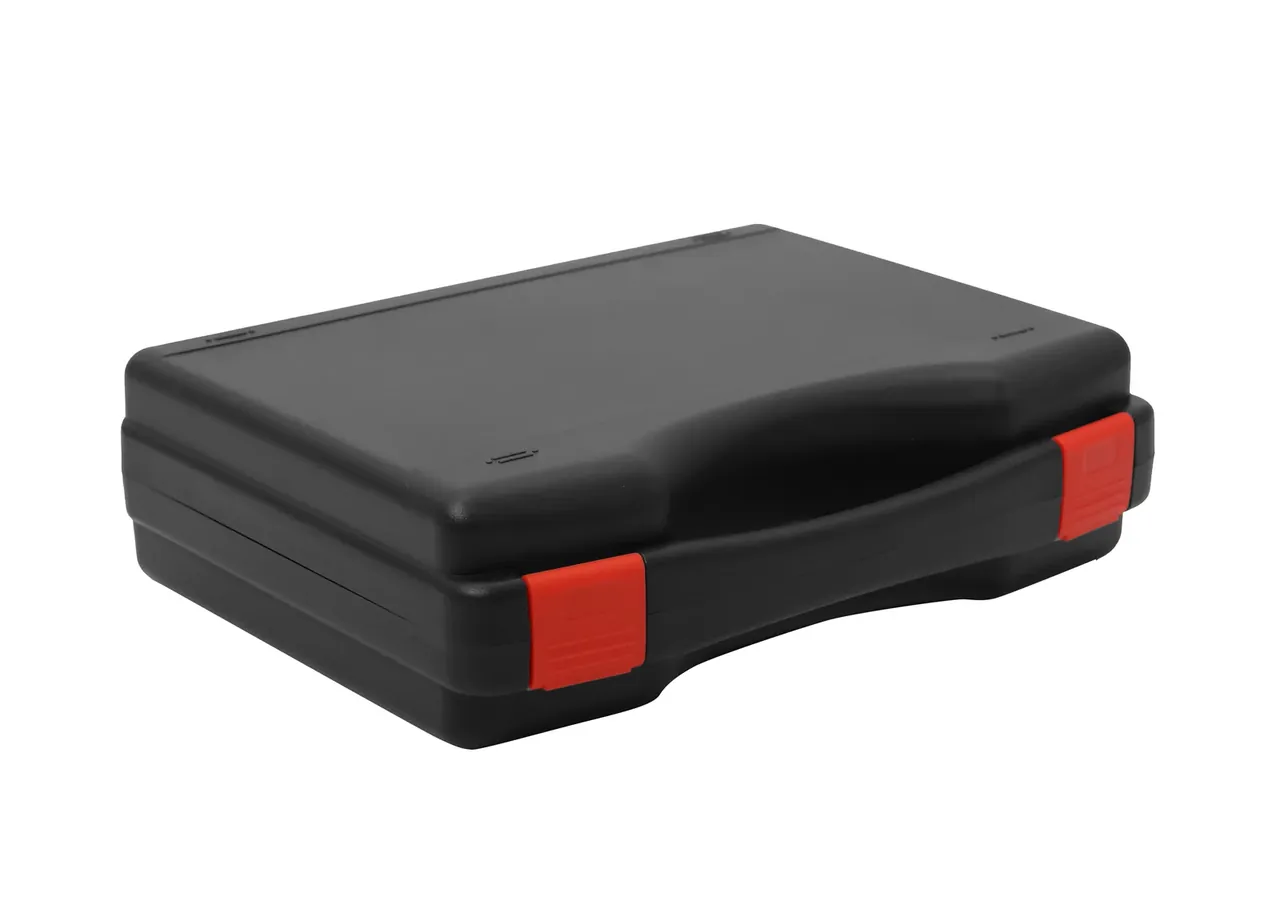
The target is 38 mN/m or better. Flame, corona and plasma all reach it, and plasma is the steadiest, applied within 4 h of bonding because the surface drifts back toward 33 mN/m inside 24 h.
A dyne pen settles whether treatment worked. Grade 38 fluid that holds its edge for 2 s passes; fluid that pulls into beads is one grade short. Ten seconds here beats a batch of rework later.
Wipe with ethanol before bonding to clear dust and mould release. Release agent is the quiet failure: invisible, and the adhesive ends up gripping it instead of the polymer.
Thin sections need care. Under 2 mm a flame pass overheats the surface until it glosses, and adhesive grips worse; 2 plasma passes spread the effect instead.
| Method | Outdoor life | Reading distance | Rework |
|---|---|---|---|
| PET label, 0.1 mm | 3 to 5 years | 0.2 to 1.5 m | Peels off whole, residue manageable |
| Aluminium plate, 0.5 mm | Over 8 years | 0.3 to 2 m | Drilled or riveted, leaves holes |
| Laser marking | Life of the case | 0.2 to 1 m | Permanent, can only be covered |
3. Making It Scan: The 0.3 mm Module
Scanability is set by module size in millimetres, not by image resolution. A 0.3 mm module is the practical floor for handheld readers at 0.2 to 1.5 m; go smaller and a phone may still read while an industrial scanner starts missing.
Code width is module count times 0.3 mm. A 25-module symbol is about 7.5 mm square, and a quiet zone of 4 modules on each side brings the block near 10 mm.
The quiet zone has to stay blank. Print, rivets or a rib shadow inside 4 modules cut working distance from 1.5 m to under 0.5 m.
Print resolution has to match. At 300 dpi a dot is about 0.085 mm, so a 0.3 mm module gets 3.5 dots and its edges go ragged; run 600 dpi or widen the module to 0.4 mm.
Application runs 25 s: clean 8 s, place 6 s, roll 5 s, verify 6 s. Two passes with a 2 kg roller push trapped air out, and trapped air is where peeling starts.
4. Where Not to Put It
Placement decides whether adhesive migrates. The expensive lesson is a label set beside the seal: tackifier creeps along the wall at 40 °C, and anything inside 8 mm eventually contaminates the seal, pushing leak-down over the limit while the outside still looks clean.
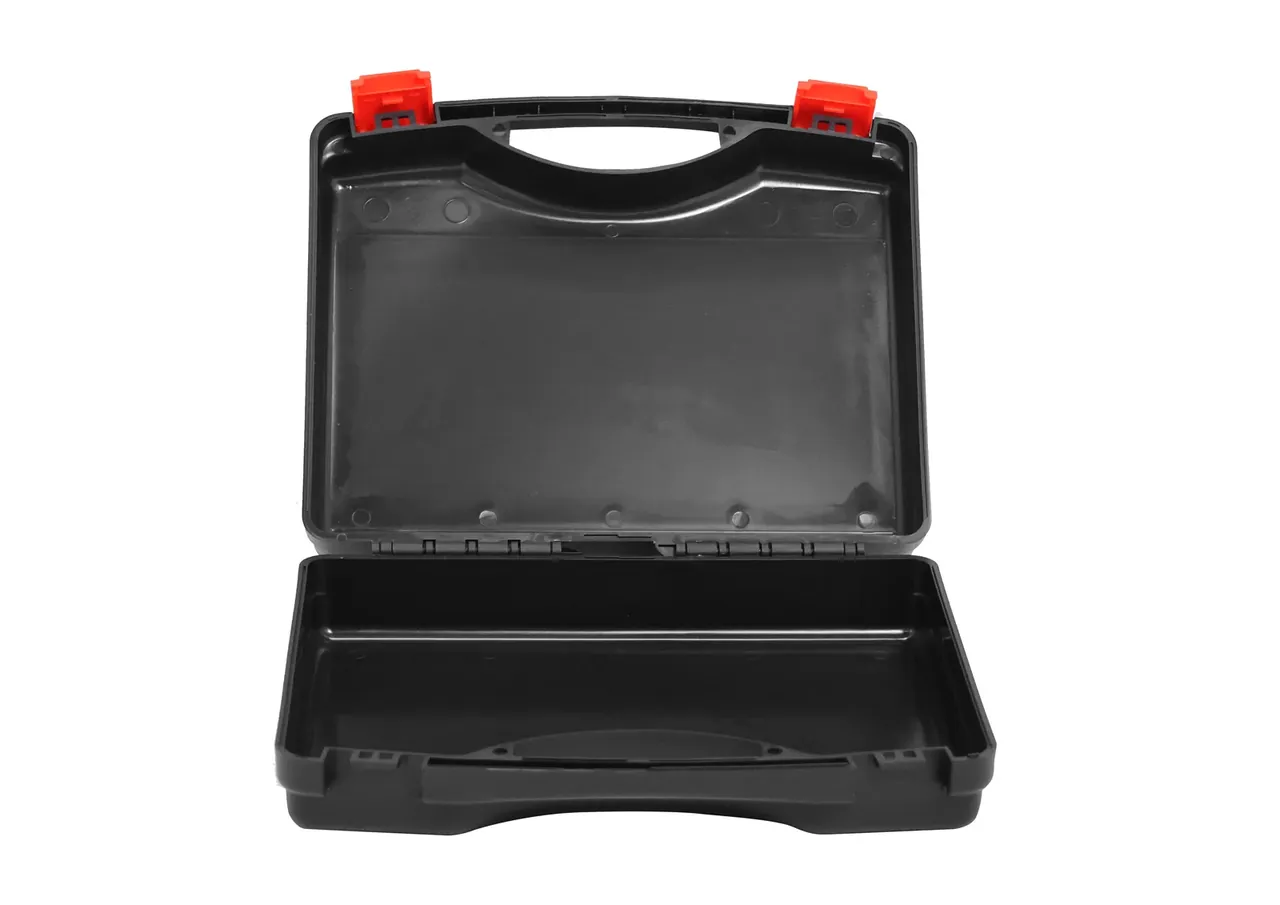
Four hard lines: 8 mm from the seal land, 20 mm from the case edge, clear of latch and hinge seats, clear of radii and gate marks. On a radius under 20 mm the corners lift within a season. Near a gate mark the surface carries a 0.05 mm bump, the adhesive never wets it, and that dry patch becomes an air path.
| Zone | Reason | Minimum gap |
|---|---|---|
| Seal land | Tackifier migration | 8 mm |
| Case edge | Drop stress, corner lift | 20 mm |
| Latch and hinge seats | Flex under load, shear | 15 mm |
| Radius | Curved surface springs back | 20 mm onto flat |
| Gate mark | Bump keeps adhesive from wetting | 10 mm |
Centre the label a third of case height above the base, 20 mm from the front face; that misses the 4 corners that land first in a drop.
5. Rework, Residue, Peel Rate
Peeling for rework leaves residue. Above 0.2 mm it has to be scraped off and wiped 2 times with IPA. Bonding a new label over old adhesive is the common mistake: shear strength halves and it will not survive a summer.
Aluminium plates in a Case ID and Traceability system need holes. A hole closer than 10 mm to the edge weakens the corner, and rivets should stay at 3 mm or under, sealed on the back.
The annual peel rate target is under 1 percent: labels replaced divided by cases in service. Past 1 percent, check treatment first, then adhesive thickness at 0.05 to 0.08 mm, thin enough to fail and thick enough to creep.
Take scrapped cases out of the denominator. Leaving retired units in dilutes the rate below 0.3 percent and hides the cases actually losing labels.
A re-lidded case keeps its old code. If a new label is unavoidable it repeats the code, the old one is photographed and destroyed, so two cases never share a code.
Conclusion
Case ID and Traceability usually fails on physics rather than on software: surface energy short of 38 mN/m, a label inside 8 mm of the seal, or a module under 0.3 mm. Any one of those and the label comes off inside 3 to 5 years, which is exactly when the record matters most. Ten digits, a 25 s application, adhesive of 0.05 to 0.08 mm and a peel rate under 1 percent make it something a line can hold.
This article discusses only the container (case body) side of specifications and design intent, and does not cover any handling, loading or use of the contents.
Related Reading
- QR code tracking for cases
- How to apply asset labels
- Raw material batch traceability
- Mould storage and care standards
Related Products
- 8 Series — Gun Cases; Military Equipment Cases; Camera Equipment Cases; Drone Cases; Watch Cases; Knife Cases; First Aid Cases; Electronics Equipment Cases
- WL8-2812 PP Gun Case — model WL8-2812
- All protective cases and toolboxes: 7 series, 158 models