

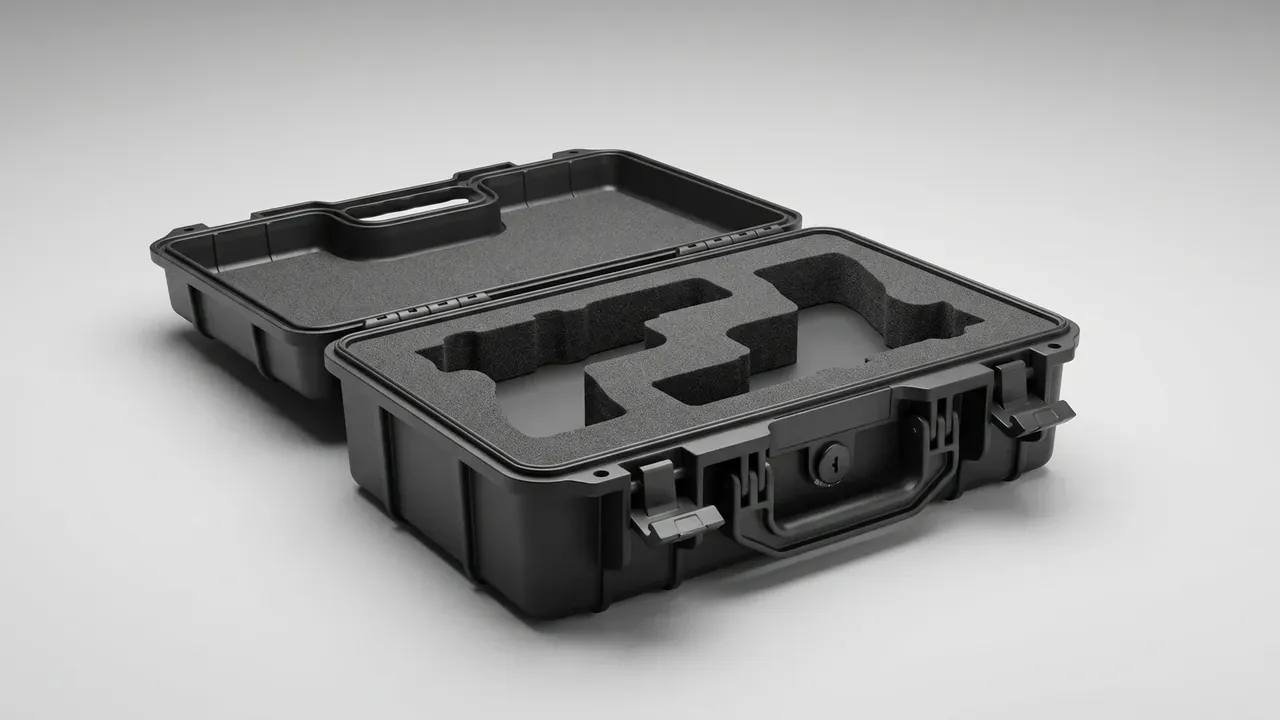
Quick answer: Four thresholds decide the call — IP67 immersion, salt fog and drop per MIL-STD-810H, stacking per MIL-STD-2073-1 — and trip count decides whether they pay. Ship once: corrugated costs a tenth as much. Haul it weekly: rotomoulding saves a third of the empty weight. Boxes, Small Arms Ammunition earn their price over twenty years, not one delivery.
Table of contents
- Four thresholds and where each clause comes from
- Steel reuse cases, costed per trip
- Corrugated and plywood win on one-way shipments
- Rotomoulded cases pass immersion but fear cold and sun
- Four situations where it loses
- Decide trip count first, seal class second
- FAQ
1. Four thresholds and where each clause comes from
Buying boxes, small arms ammunition is settled by clauses, not quotations. Each threshold maps to a test in the annex.
| Property | Clause | Threshold | What fails first |
|---|---|---|---|
| Sealing | IP67 of IEC 60529 | 1 m, 30 minutes, no dust or water | corner welds, gasket marks |
| Salt fog | MIL-STD-810H 509.5 | 5% NaCl, 35°C, 48 h, no base rust | latch seats, hinge pins |
| Drop | MIL-STD-810H 516.8 | 1.2 m, five per face, no split | latch lugs |
| Stacking | MIL-STD-2073-1 storage clauses | five high, 350 kg on the bottom | lid ribs |
Only sealing is binary. Salt fog and drop are matters of degree: rust at 48 hours or at 96 hours separates a latch seat lasting three years from one lasting eight. Stacking is traded away most; collapse arrives in year three.
2. Steel reuse cases, costed per trip
A double-wall steel case is the commonest form of boxes, small arms ammunition and the easiest to bring past all four thresholds. Cold-rolled sheet at 1.2 mm, double-locked seams, a full piano hinge: 4.8 kg empty, hand-carried at 25 kg loaded.
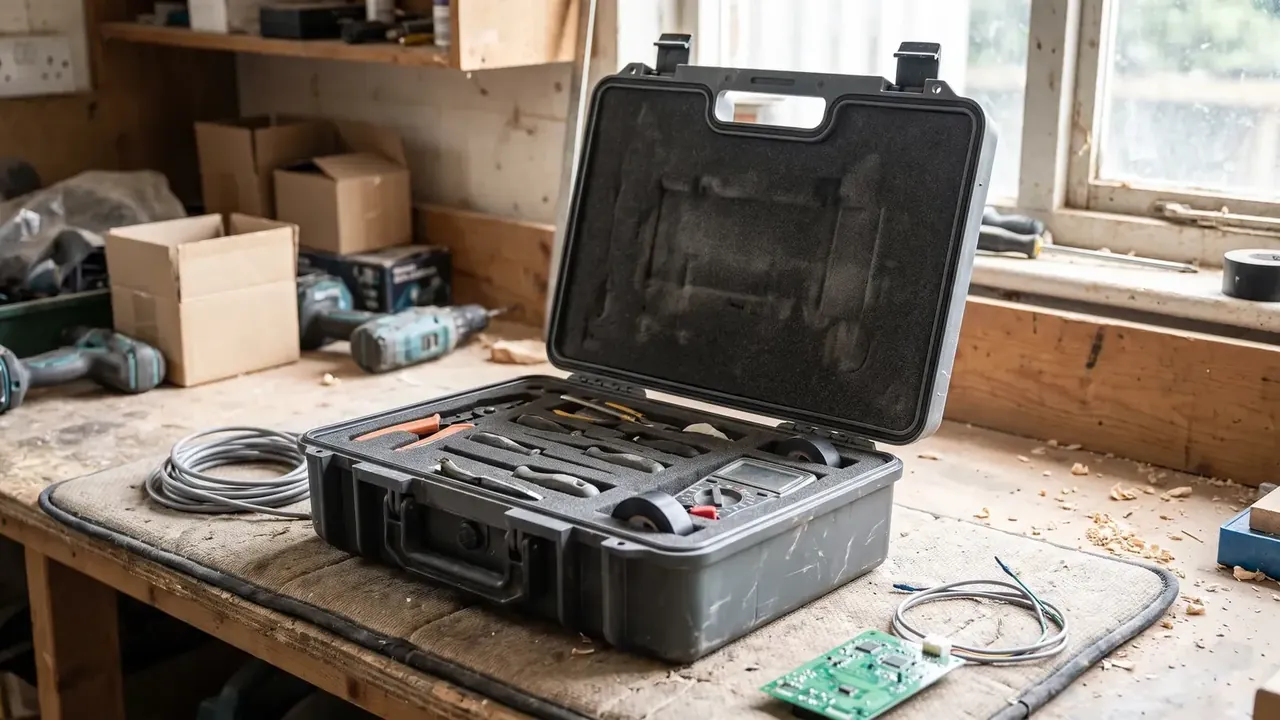
Arithmetic runs per trip. Corrugated costs 38 yuan, the steel case 420 yuan: a 382 gap, or 19 yuan a trip over twenty, breaking even on the eleventh.
Weight is the price: on volume nothing extra, on actual weight twenty empty cases are 96 kg of dead freight.
A second ledger gets missed: upkeep. A case that passed 48 hours of salt fog still spot-rusts behind the latch seat by year three. Repair means sanding to bare metal, epoxy primer and topcoat: fifteen minutes a case, five man-hours across twenty — invisible on a purchase order, decisive inside ten years. So boxes, small arms ammunition suit a narrow setting: standing store, stable lot, two trips a year, someone to maintain them.
3. Corrugated and plywood win on one-way shipments
For boxes, small arms ammunition shipped once, all four thresholds are waste. A corrugated pack with a moulded insert costs under a tenth of the steel case, reaches 7 kN/m edge crush and flattens to an eighth of its volume.
Its weakness is repetition: the flutes at the flap crease collapse on the second opening and edge crush falls by a third.
One delivery, unpacked on site, no return: corrugated wins. A plywood crate takes heavier loads on the same trip for twice the corrugated price.
4. Rotomoulded cases pass immersion but fear cold and sun
Rotomoulded polyethylene is the usual alternative: seamless, IP67 without effort, better drop numbers, 3.1 kg empty in the same volume — 35% lighter.
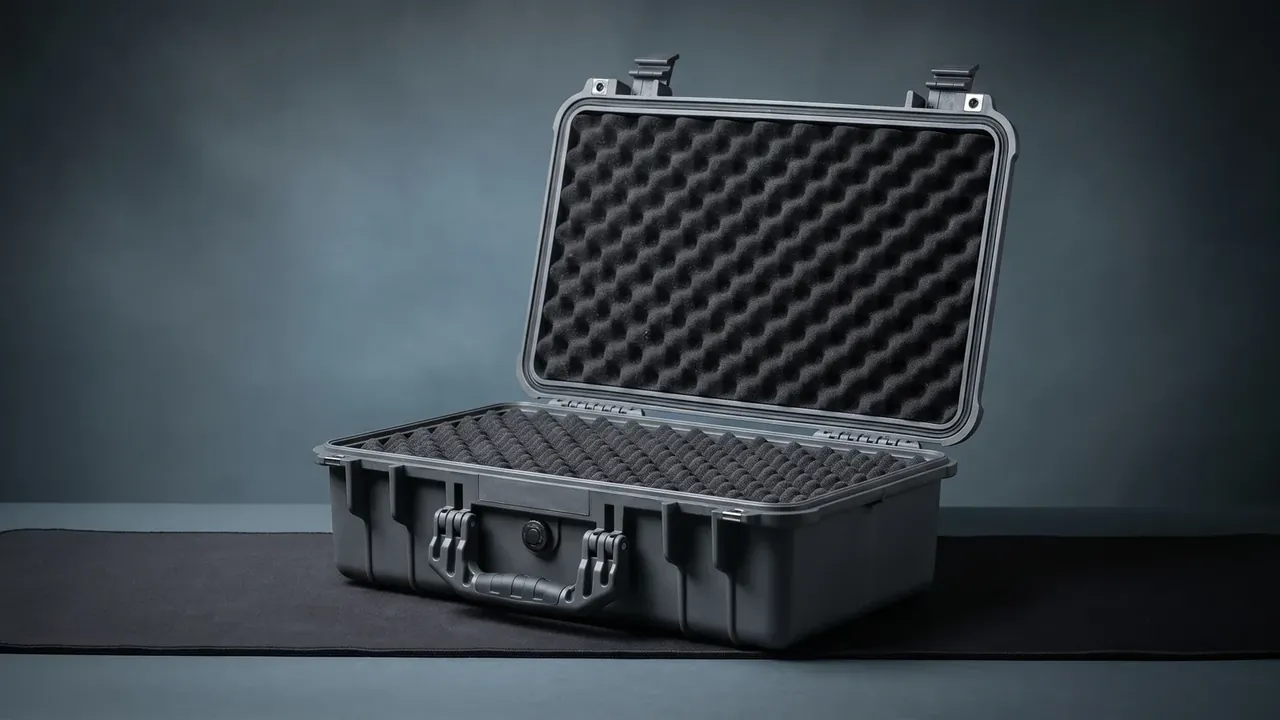
Its limits are temperature and light: at minus 25°C polyethylene loses half its impact strength and a thin latch lug cracks first; four hours of sun a day chalks the surface in three years.
Repair differs. Steel is touched up on site; a cracked rotomoulded shell needs matching rod at 200°C and goes back to the works. Boxes, Small Arms Ammunition are bought for twenty years; rotomoulding wins only the first five.
5. Four situations where it loses
Add the ledgers up and four situations turn against boxes, small arms ammunition:
- One-way delivery: corrugated with an insert costs a tenth of the steel case.
- Air freight: 96 kg of empty weight across twenty cases, every leg.
- Coastal stores: salt fog passes, but years of damp creep past the gasket mark.
- Frequent issues: each opening re-compresses the gasket; a shifted mark ends the seal.
Reverse the four and boxes, small arms ammunition have no rival: standing reserve, an unchanged lot, counting without opening, drop and stacking together.
6. Decide trip count first, seal class second
Get the order wrong and it costs more than the case. Start with seal class and you buy corrugated that holds water but collapses; start with price and you buy steel that rusts.
| Service condition | Sound choice | Marginal | Clearly wrong |
|---|---|---|---|
| 20+ trips, standing store | double-wall steel | heavy rotomoulded | corrugated |
| 3 to 10 trips, vehicle-borne | rotomoulded | aluminium | timber |
| One-way, unpacked on site | corrugated with insert | plastic tote | steel |
| High salt fog, open yard | hot-dip galvanised | stainless | rotomoulded |
The third column is the decision line. The marginal column gets signed, and the bill lands in year three: a rotomoulded lug cracks at minus 25°C, a timber case splits when re-nailed.
Conclusion
Clear the four clauses, count the trips, then discuss price — reverse the order and the purchase goes wrong. Steel wins on twenty years, rotomoulding on lighter carrying, corrugated on a single delivery. What decides it is the repair note in year three. Put trip count first and the answer about boxes, small arms ammunition writes itself.
This article discusses only the container (case body) side of specifications and design intent, and does not cover any handling, loading or use of the contents.
Related Reading
- Packaging and transport marking for the same box
- Compartments, counting and marking design
- Metal ammunition case materials and failure modes
- Material choices for box-type ammunition packing
- Cartridge box materials and selection limits
Related Products
- 8 Series — Gun Cases; Military Equipment Cases; Camera Equipment Cases; Drone Cases; Watch Cases; Knife Cases; First Aid Cases; Electronics Equipment Cases
- WL8-2812 PP Gun Case — model WL8-2812
- All protective cases and toolboxes: 7 series, 158 models